

U.S. House probes reports of fraud, waste in Colorado’s Medicaid program
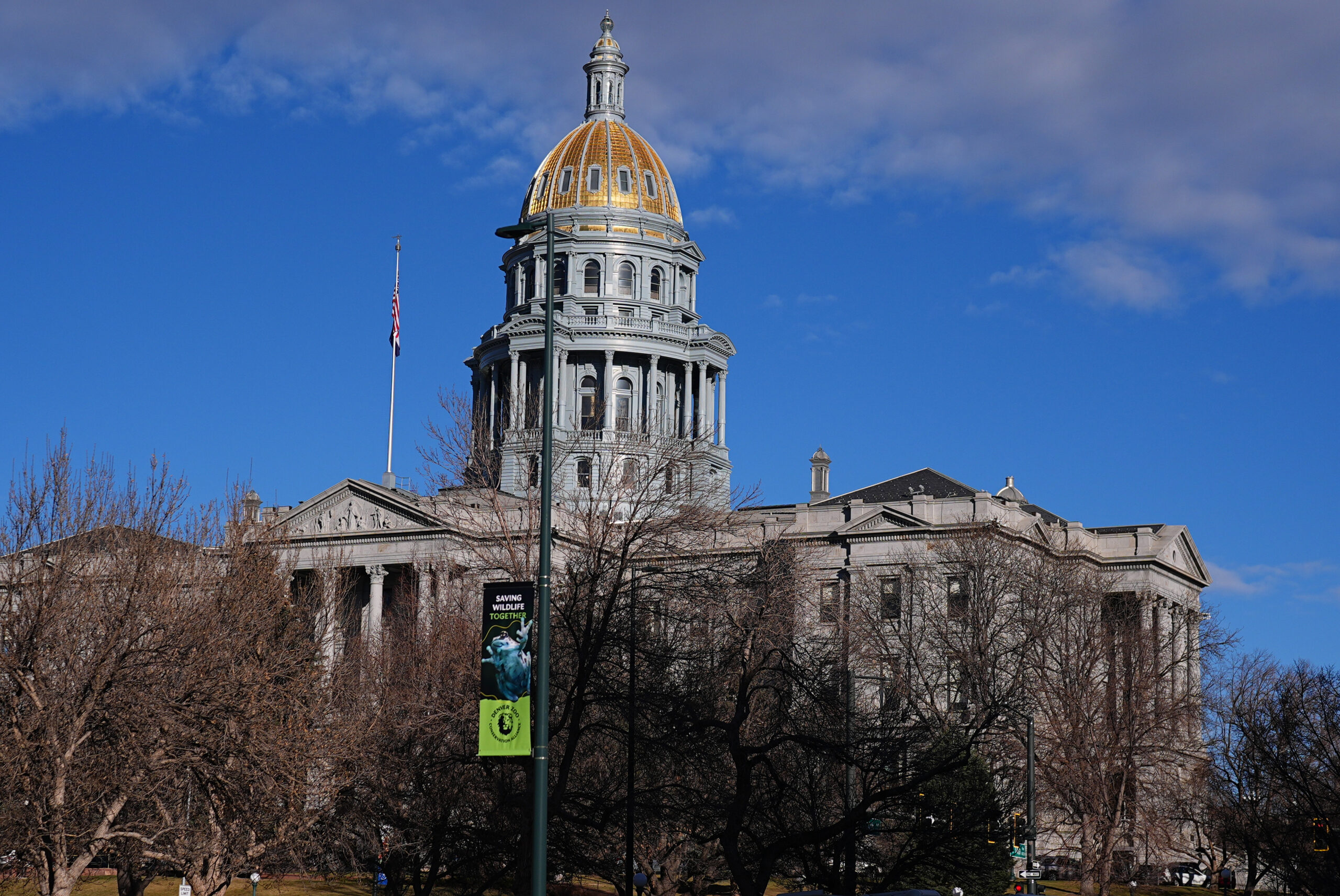
A congressional committee is probing reports of waste, fraud and abuse in Colorado’s Medicaid program, citing recent stories outlining over-billing in transportation spending and alleged improper payments in autism services.
The U.S. House Committee on Energy and Commerce has sent a letter to Gov. Jared Polis and the Colorado Department of Health Care Policy and Finance, seeking, among other things, audits and processes in place to comply with federal laws
The March 3 letter, signed by committee Chair Rep. Brett Guthrie, a Republican from Kentucky, and two subcommittee chairs, pointed to problems that they said surfaced in Minnesota, such as over-billing, falsified records, identity theft and phantom claims in Medicaid social service and health programs for a variety of populations.
The officials said they are concerned Colorado’s Medicaid program “may be similarly vulnerable” to fraud, waste and abuse that “harms Medicaid enrollees, legitimate providers, and taxpayers.”
The committee set a March 17 deadline for a response from Colorado.
Gov. Jared Polis, through a spokesperson, told Colorado Politics that “Colorado takes our oversight of our Medicaid programs very seriously, and prioritizes finding and rooting out fraud when it occurs, including referring to law enforcement. We are equally committed to ensuring people can access the care they need.”
The governor’s statement said they are reviewing the letter from the House committee. “As we prepare our response we hope that other states and the committee benefit from learning about Colorado’s tough anti-fraud measures.”
The letter cited recent data on Colorado Medicaid spending, which it said had surpassed $14.6 billion, of which $8.6 billion came from the federal government. That spending has doubled in the past decade, despite enrollment growing by only 7%.
The committee zeroed in on programs it said are high risk for waste, fraud, and abuse, such as non-emergency medical transportation, applied behavioral analysis (ABA) services for children with autism spectrum disorder, and genetic laboratory services.
Spending on non-emergency transport services had jumped 436% between 2019 and 2025, the letter said — because the Colorado Department of Health Care Policy and Financing (HCPF) provided “incorrect guidance” to non-emergency providers, such as identifying beneficiaries with extra-large wheelchairs as needing specialty ambulances.
The congressional committee noted HCPF has corrected that inaccurate guidance, which could save $60.5 million in fiscal year 2026-27.
The committee also cited reports of fraudulent billing totaling more than $25 million in the non-emergency transport program, the letter said.
News reports said a significant spike in rate change resulted in the non-emergency medical transport ballooning in costs to $303 million in 2024 from $70.5 million in 2022.
Such payments have since been halted.
Last month, the U.S. Attorney for Colorado filed criminal charges against two individuals for fraudulent billing in the non-emergency medical transport program.
The state’s Medicaid Fraud, Abuse and Neglect Unit has recovered more than $50 million through court orders, convicted 62 defendants, and settled more than 100 civil fraud cases, said Lawrence Pacheco, a spokesperson for the Attorney General’s Office. The unit is funded jointly by state and federal dollars.
The unit has roughly six open investigations into suspected medical transportation fraud.
The surge in abnormal billing was detected almost two years ago, triggering an investigation that led lawmakers to pass a new law allowing HCPF to suspend a provider’s Medicaid enrollment over alleged misconduct, Marc Williams, a spokesperson, said. The legislation expanded the department’s administrative authority during active fraud investigations.
As for the applied behavioral analysis program, the congressional panel cited a recent investigation by the U.S. Department of Health and Human Services Office of Inspector General, which uncovered at least $77.8 million — $42.6 million in federal funding — in improper payments.
The problems in the program included session notes that didn’t describe the services provided, unauthorized recreational, academic, and daycare activities, and failure to conduct background checks for some of the behavioral technicians. The inspector general discovered some of the technicians had committed offenses that could put children in danger.
And in September 2024, seven executives of a genetic testing laboratory company were indicted by a federal grand jury for $40 million in alleged fraud to Medicare and Colorado Medicaid, the letter noted.
Defendants allegedly paid kickbacks and bribes in a scheme to defraud public and private health insurance payers.
The committee asked the governor and HCPF to provide written responses to 10 questions, covering the period from Jan. 1, 2021, to the present.
That includes information on improper payments and recovery efforts; how Medicaid providers are screened, in compliance with federal law; steps the state is taking to sanction or disenroll fraudulent Medicaid providers; the process the state is using to send criminal referrals for suspected Medicaid fraud to state, local, and federal law enforcement agencies; and what actions are being taken to identify Medicaid fraud.
Medicaid’s budget in Colorado has ballooned in the past several years and is now the single largest expenditure in Colorado’s state budget. Overspending by Medicaid, which the state is required to pay, has resulted in shortfalls in the state budget, both in 2025-26 and is expected to occur again in 2026-27.
The Medicaid budget crisis is expected to get worse when the impacts of H.R. 1, the Trump administration’s budget bill, take effect, and the state will be expected to pick up a larger share of both administrative and service costs.
A recent analysis by the Common Sense Institute estimated that HCPF spending reached $16 billion in 2025 — a 101% increase since 2015 — even as Medicaid enrollment returned to nearly its 2015 level.
The report attributed much of the growth to policy expansions, rather than enrollment or medical inflation alone. State officials have previously pointed to Colorado’s Medicaid Sustainability Framework, which argues program growth has outpaced revenue limits under the Taxpayer’s Bill of Rights, creating structural budget pressure.
The Denver Gazette’s Nico Brambila contributed to this report.

U.S. Rep. Lauren Boebert stresses storage, forest health and Upper Basin rights at Colorado Water Congress
Marianne Goodland
marianne.goodland@coloradopolitics.com
Updated 3 weeks ago
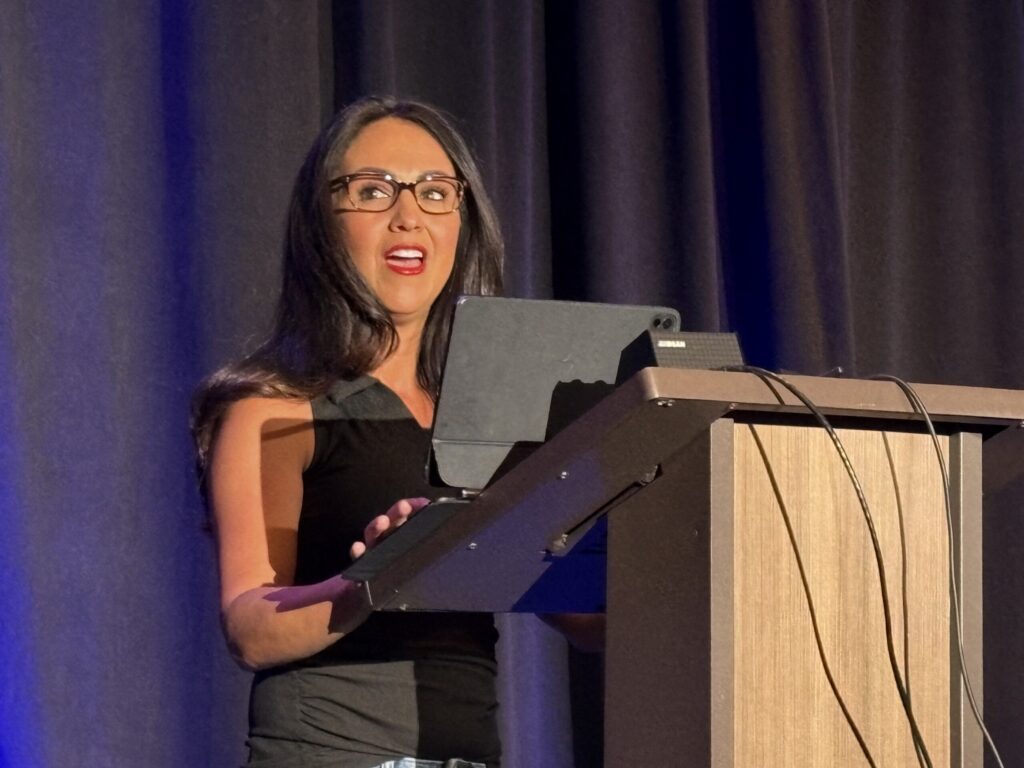
Republican U.S. Rep. Lauren Boebert used her brief Wednesday appearance at Colorado Water Congress to tout her record on delivering water projects for the state and her district. Boebert, who is running for her second term representing the 4th Congressional...
Jeff Crank, Jessica Killin set to face off in 2 debates in Colorado’s 5th Congressional District
Ernest Luning
ernest.luning@coloradopolitics.com
Updated 4 weeks ago
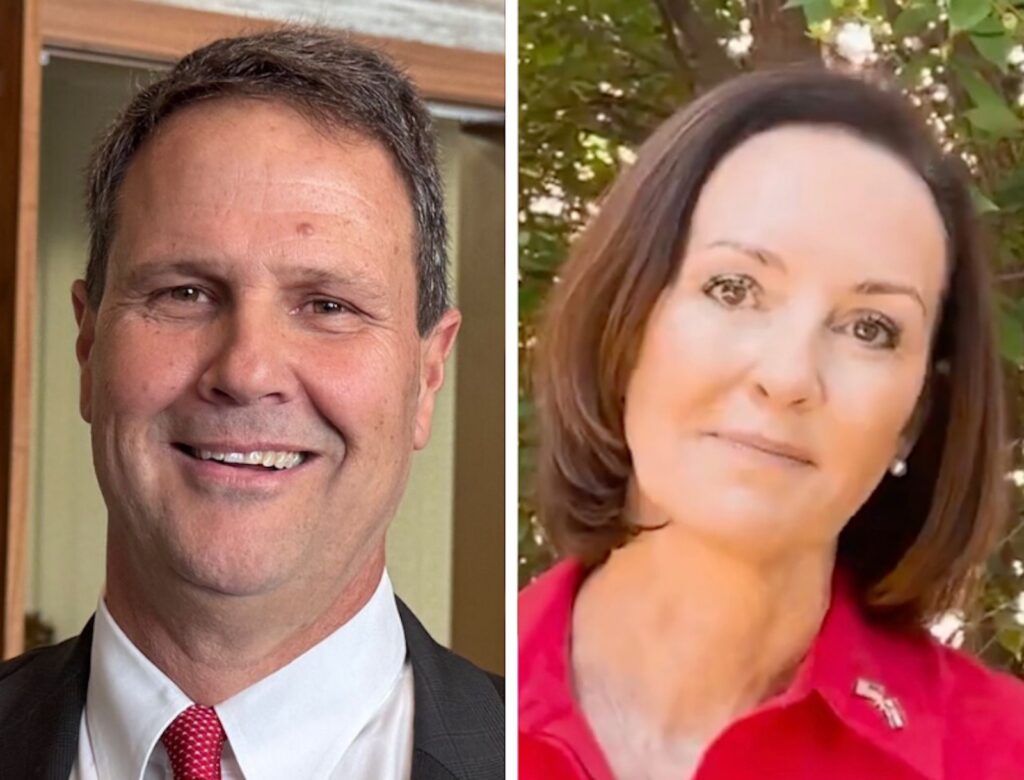
Republican U.S. Rep. Jeff Crank and Jessica Killin, his Democratic challenger, have agreed to debate twice in the weeks leading up to the general election in Colorado’s 5th Congressional District, their campaigns have said. Crank is seeking a second term...
‘Ticked off’: Third-party U.S. Senate candidate in Colorado launches $1.3 million TV ad campaign
Ernest Luning
ernest.luning@coloradopolitics.com
Updated 1 month ago
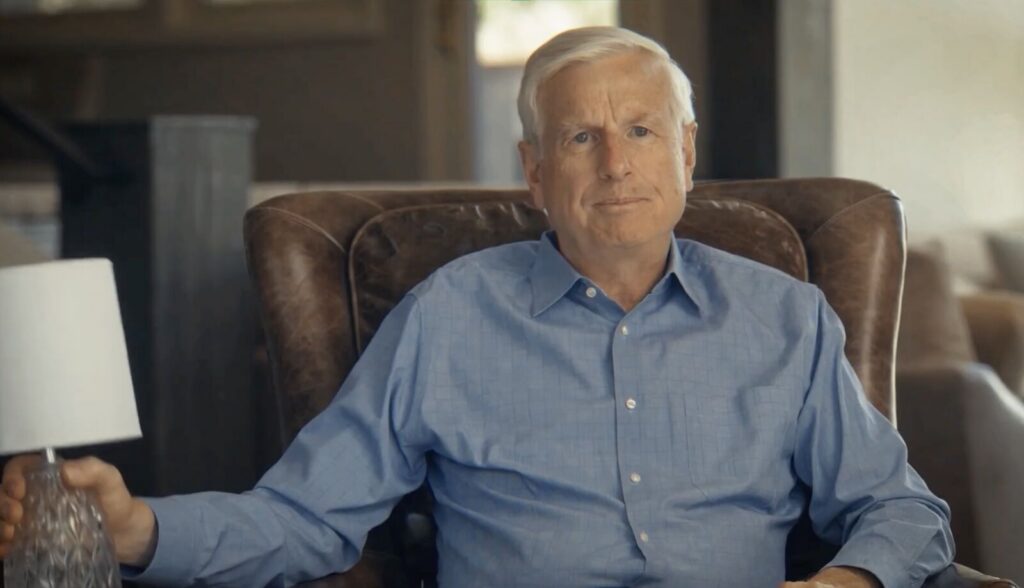
Bob Chew, the Forward Party nominee for U.S. Senate in Colorado, sends household objects flying in a TV ad set to run statewide through September, backed by $1.3 million in ad reservations across multiple platforms, his campaign told Colorado Politics....
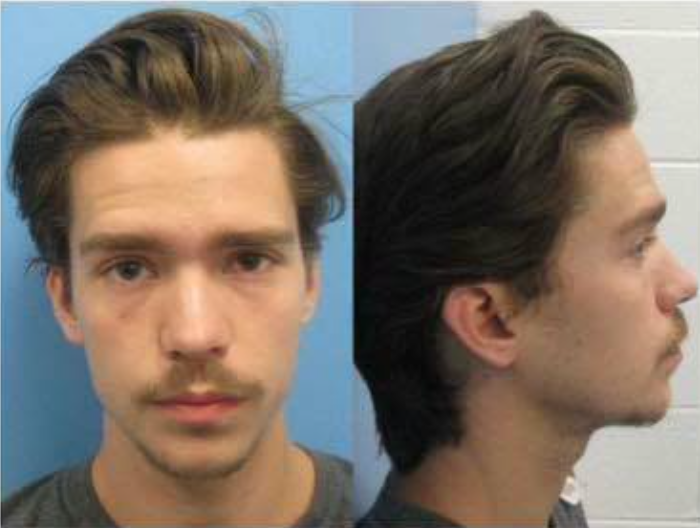
U.S. Rep. Lauren Boebert’s son arrested, faces charges of sexual exploitation of minor
Matt Kyle
matt.kyle@denvergazette.com
Updated 1 month ago
U.S. Rep. Lauren Boebert’s son Tyler Jay Boebert has been arrested and accused of recording and sharing a video depicting himself having intercourse with a minor, according to court records. The case originated in Garfield County in Western Colorado and...

Democratic group aims Spanish-language TV ad at Gabe Evans in Colorado’s battleground 8th CD
Ernest Luning
ernest.luning@coloradopolitics.com
Updated 1 month ago
A national group tied to House Democratic leadership launched a six-figure Spanish-language TV ad in Colorado this week targeting Republican U.S. Rep. Gabe Evans and the GOP’s signature budget legislation. The 30-second spot is part of $15 million in new...

National House Democrats add Colorado seats held by Lauren Boebert, Jeff Hurd to target list
Ernest Luning
ernest.luning@coloradopolitics.com
Updated 1 month ago
The national House Democrats’ campaign arm on Wednesday added the Colorado congressional district held by Republican U.S. Reps. Jeff Hurd and Lauren Boebert to the list of targeted seats the party believes are vulnerable in this year’s midterms. The Democratic...
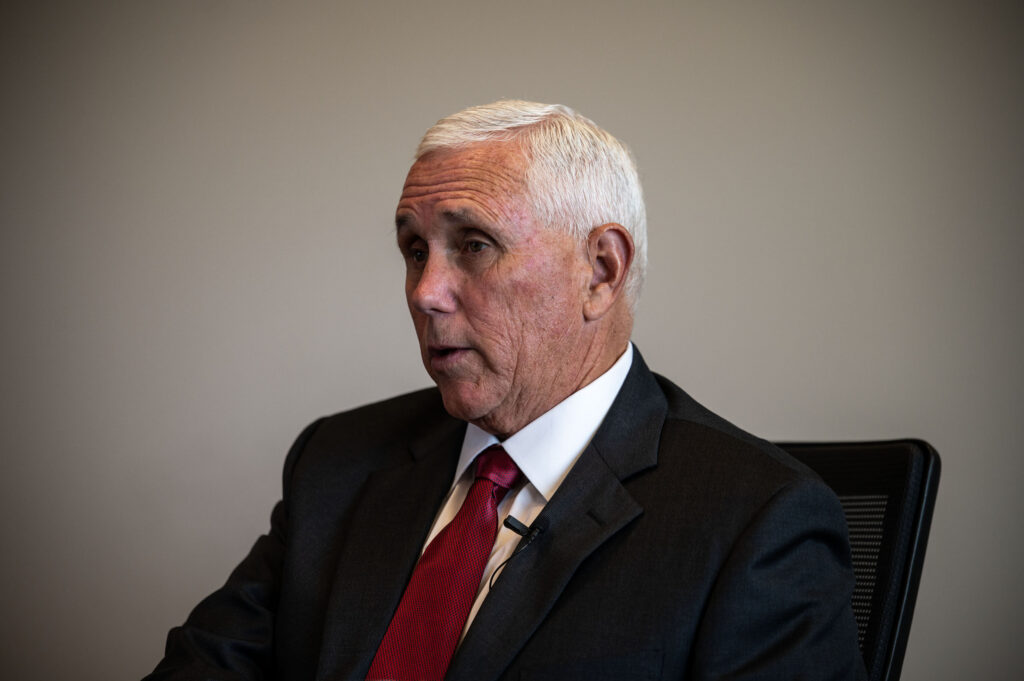
Q&A with Mike Pence | Former vice president says GOP’s populist turn from conservatism isn’t permanent
Ernest Luning
ernest.luning@coloradopolitics.com
Updated 1 month ago
Former Vice President Mike Pence says he’s concerned that the Republican Party has taken a populist turn away from bedrock conservative principles during President Donald Trump’s second term, but he believes the party will return to its roots when Trump...
Democrat Jessica Killin’s internal poll shows dead heat with U.S. Rep. Jeff Crank in Colorado’s 5th CD
Ernest Luning
ernest.luning@coloradopolitics.com
Updated 1 month ago
Jessica Killin, the Democratic nominee in Colorado’s 5th Congressional District, is in a statistical tie with Republican U.S. Rep. Jeff Crank, according to an internal poll released this week by Killin’s campaign. The poll of likely general election voters, conducted...
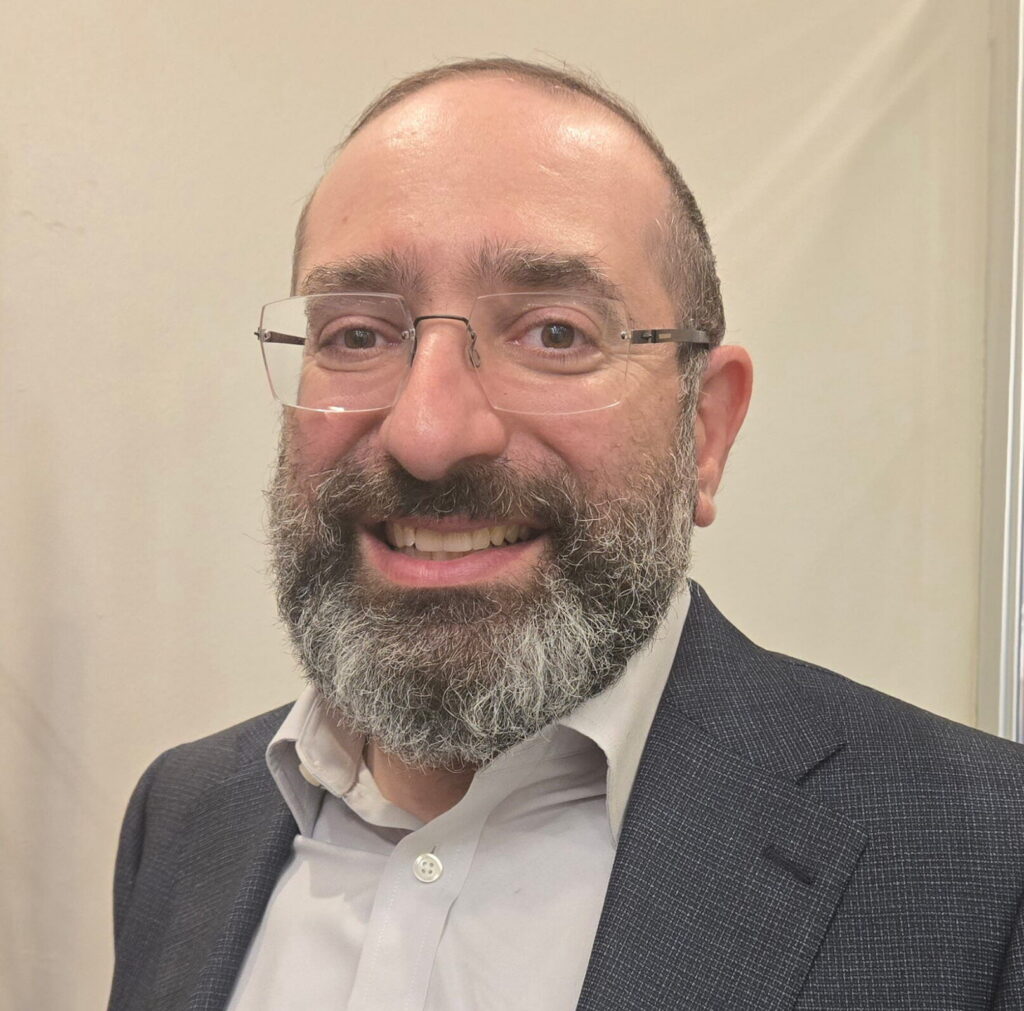
Surprise candidate Shimon Blau cleared to face off against Melat Kiros in November
Ernest Luning
ernest.luning@coloradopolitics.com
Updated 2 months ago
Unaffiliated congressional candidate Shimon Blau, a Denver doctor, has qualified by petition for the general election in Colorado’s 1st District, where Democrat Melat Kiros defeated 15-term U.S. Rep. Diana DeGette in last month’s primary, the Colorado Secretary of State’s Office...

Democrat John Hickenlooper hauls in $1.3 million in 2nd quarter in Colorado’s U.S. Senate race
Ernest Luning
ernest.luning@coloradopolitics.com
Updated 2 months ago
U.S. Sen. John Hickenlooper’s reelection campaign raised just over $1.3 million in the year’s second quarter and finished the period with $2 million in the bank, leaving the first-term Democrat with nearly 80 times as much cash on hand as...
PREV
PREVIOUS

Colorado Attorney General, environmental groups challenge EPA rejection of state’s haze plan
Colorado Attorney General Phil Weiser and several environmental organizations have filed separate petitions in the U.S. Court of Appeals for the Tenth Circuit, challenging the U.S. Environmental Protection Agency’s decision to reject Colorado’s regional haze plan. The plan included proposals to retire coal plants and impose emission limits on industrial sources to improve visibility in […]

Medicaid cuts for critical care hurts providers, reduces access to the best care for patients | OPINION
By Gurdev Rai This year, the legislative session started with one thing on everyone’s minds: the state budget, and the major hole created by Congress’ HR 1 law. Costs, including for health care, have ballooned across the board, and we know state leaders are looking for solutions. However, as a practicing physician, I find it […]