

OUT WEST ROUNDUP | Tribes seek heat after coal mine closes; New Mexico changes medical pot rules

ARIZONA
Tribes turn to other heat sources after coal mine closure
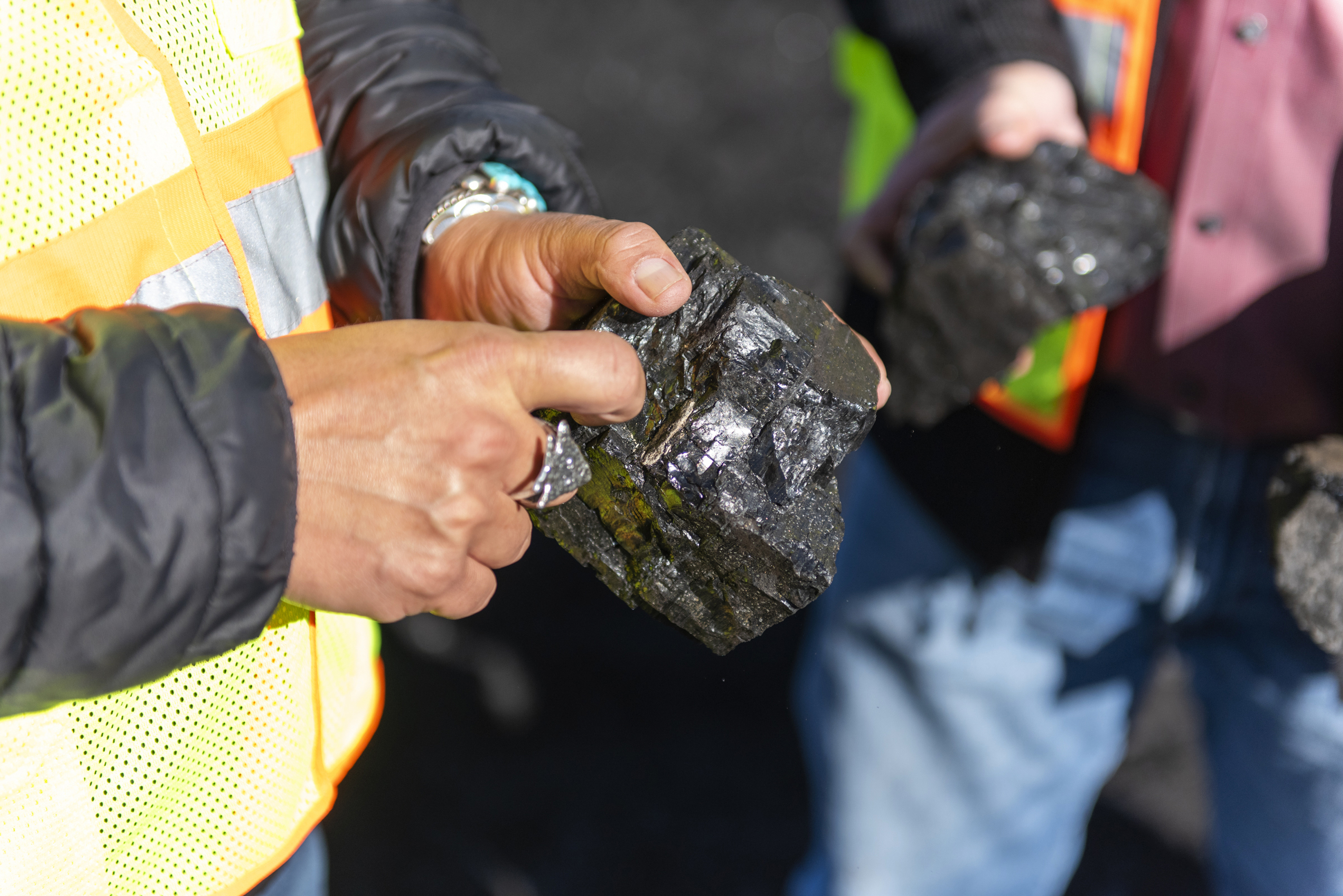
POLACCA – Navajo and Hopi families in northeastern Arizona that have long relied on coal to heat their homes are looking to other sources after last year’s closure of a coal mine.
The Kayenta Mine shut down after decades of supplying the Navajo Generating Station near Page along the Arizona-Utah border. The Navajo and Hopi tribes shared in the coal royalties.
Tribal members also had access to the coal, regularly loading the long-burning fossil fuel into pickup trucks or buying it from roadside vendors. In the first winter without it, they’re having to travel farther for coal, switching to firewood or even burning household items to stay warm.
Peabody Energy, which owned the Kayenta Mine, had provided cards for free coal to Navajo and Hopi government centers to distribute to tribal members. Others could buy it. The loading facility, open from late October to mid-March, served thousands of visitors a year.
Many homes on both the Navajo and Hopi reservations lack electricity, and propane and space heaters are expensive. Cutting firewood is an option, but the nearest forests are hours away and not everyone has woodcutting equipment, their own transportation or money for the trip.
Others are helping to fill the need by bringing in truckloads of wood or coal from another mine on the New Mexico portion of the Navajo reservation.
Melissa Alcala recently started a firewood delivery program in the Hopi village of Tewa. The village sells the wood harvested by a lumber company and offers one free cord to elders, who Alcala said have been burning things around the house, like clothes, for heat. Discounts are available for subsequent deliveries.
Chelsea Sekakuku lives in an 80-year-old stone house in the Hopi village of Kykotsmovi and chops wood multiple times a day. She and her children spend a full day gathering a truckload of wood that lasts a week. At home, she said she has to get up during the night to keep the fire burning.
NEW MEXICO
Medical marijuana rules change for nonresident patients
SANTA FE – New Mexico has stopped issuing medical marijuana enrollment cards to people who live outside the state but will soon allow nonresident patients enrolled in other state programs to buy pot.
Gov. Michelle Lujan Grisham on Feb. 21 reinstated a residency requirement for participation in the state’s medical cannabis program by signing a measure passed by lawmakers. Marijuana is only legal for medical use in New Mexico.
At least 613 people who don’t live in the state have enrolled in the medical pot program since the residency requirement was dropped last year. State health officials say that change was inadvertent and invited problems with U.S. authorities by potentially diverting marijuana outside a regulated system.
New Mexico will begin recognizing medical marijuana enrollment cards from other states starting on July 1, under a reciprocity rule recently signed by Health Secretary Kathyleen Kunkel.
Medical marijuana program director Dominick Zurlo says the new rule will allow dispensaries to recognize cards from all states that have legalized medical pot, including neighboring Texas, where medical pot is limited to low concentrations of the drug’s psychoactive ingredient, THC.
Zurlo noted that it’s still illegal to transport medical marijuana across state lines and that the goal of recognizing out-of-state cards is to allow patients to access cannabis just like other medications.
UTAH
Mormon-owned BYU eases rules on ‘homosexual behavior’
SALT LAKE CITY – Brigham Young University in Utah has revised its strict code of conduct to strip a rule that banned any behavior that reflected “homosexual feelings,” which LGBTQ students and their allies felt created an unfair double standard not imposed on heterosexual couples.
The university is owned by The Church of Jesus Christ of Latter-day Saints, which teaches its members that being gay isn’t a sin, but engaging in same-sex intimacy is.
BYU’s revisions to what the college calls its honor code don’t change the faith’s opposition to same-sex relationships or gay marriage.
BYU spokeswoman Carri Jenkins said an email that the updated version of the code aligns with a new handbook of rules unveiled by the faith, widely known as the Mormon church. She didn’t elaborate on the thinking behind the change, saying only that the changes removed “prescriptive language” and “kept the focus on the principles of the Honor Code, which have not changed.”
The faith has tried to carve out a more compassionate stance toward LGBTQ people over the last decade, while adhering to its doctrinal belief that same-sex relationships are a sin.
An entire section in the code that was dedicated to “homosexual behavior” has been removed. The clause that upset people was the part that said “all forms of physical intimacy that that give expression to homosexual feelings” is prohibited.
Students had previously complained about the clause that was eliminated was interpreted to be a ban on gay couples holding hands or kissing. Those behaviors are allowed for heterosexual couples, though premarital sex is banned.
BYU’s Honor Code bans other things that are commonplace at other colleges – including drinking, beards and piercings. Students who attend the university in Provo, Utah, south of Salt Lake City, agree to adhere to the code.
MONTANA
Supreme Court won’t hear case brought by author Jon Krakauer
WASHINGTON – The educational records of a star University of Montana quarterback accused of rape will remain confidential after the U.S. Supreme Court declined to get involved in the case brought by author Jon Krakauer.
Krakauer had made a public records request for the documents in 2014 while writing the book “Missoula: Rape and the Justice System in a College Town.” But Montana officials denied him access to the documents related to former University of Montana quarterback Jordan Johnson, who was accused of rape by an acquaintance in 2012.
Krakauer, the author of “Into the Wild” and “Into Thin Air,” took officials to court over their denial. A lower court initially ordered Krakauer be given access to the records but the Montana Supreme Court disagreed.
Johnson was ultimately acquitted in court but a university disciplinary process had recommended expelling him. Johnson appealed his expulsion to State Commissioner of Higher Education Clayton Christian. It wasn’t clear what action Christian took but Johnson remained a student. Krakauer wanted documents related to Christian’s intervention.
KANSAS
Wrongly convicted man to receive $1.6 million, certificate of innocence
TOPEKA – Lamonte McIntyre, who served 23 years for murders he did not commit, will receive a certificate of innocence and $1.55 million as part of settlement of his mistaken conviction lawsuit, the Kansas Attorney General’s office said in a news release.
Attorney General Derek Schmidt announced Feb. 24 that an agreed resolution of the lawsuit had been reached and approved in Shawnee County District Court.
McIntyre, who is now in his 40s, was arrested at age 17 in 1994, tried and convicted of murdering Doniel Quinn, 21, and Donald Ewing, 34, who were killed with a shotgun as they sat in a car.
McIntyre was freed in October 2017 after Wyandotte County District Attorney Mark Dupree Sr. stopped contesting the facts of his innocence during a hearing on his exoneration.
In addition to the certificate of innocence and the monetary award, McIntyre will also receive counseling, two years of state health care benefits and a waiver of tuition for postsecondary education. Records of his arrest, convictions and DNA profile were ordered expunged.
Soon after McIntyre’s release, the state of Kansas passed a law to compensate people like McIntyre who were wrongly imprisoned. Then-Gov. Jeff Coyler signed the law at McIntyre’s church.

The coming election and mischief in the making | SONDERMANN
Eric Sondermann
eric-sondermann@coloradopolitics.com
Updated 3 days ago
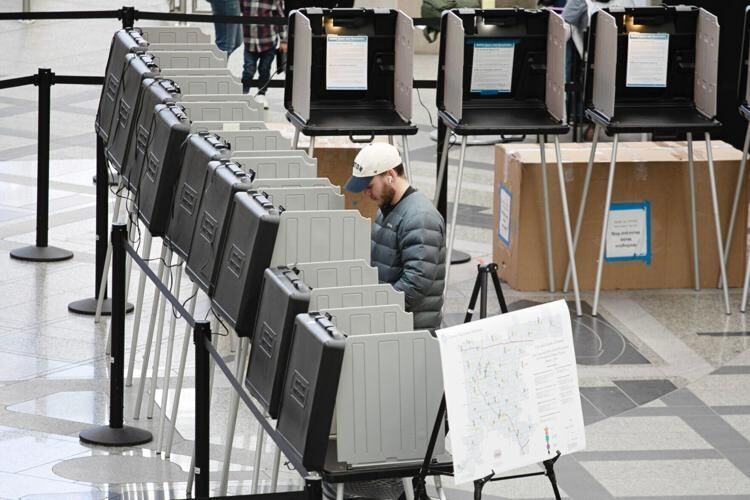
America’s tribalism is such these days that we struggle to even agree on the basic rules. Elections have always been hotly contested. As the saying goes, “Politics ain’t beanbag.” The process has long involved elements of nastiness and underhanded conduct....

Colorado Politics Calendar Aug. 31-Sept. 6
Rachael Wright, Special to Colorado Politics
rachael.wright@coloradopolitics.com
Updated 3 days ago
CoPo’s weekly political calendar will help you find political and public-policy events throughout Colorado. It includes candidate and issue campaign events, public policy meetings, court hearings, state and local party conventions, assemblies, debates, rallies, parades, speaking engagements, traveling dignitary appearances,...
Tancredo in Running for Dept. of Ed. Position | A LOOK BACK
Rachael Wright, Special to Colorado Politics
rachael.wright@coloradopolitics.com
Updated 3 days ago
Forty-five years ago this week: “I know that my name has been placed before the Secretary of Education, and I know that I’m one of three or four being considered for the Department of Education’s Region 8,” said state Rep....
Colorado measure adding ID checks to mail-in voting qualifies for ballot
Marissa Ventrelli
marissa.ventrelli@coloradopolitics.com
Updated 17 hours ago
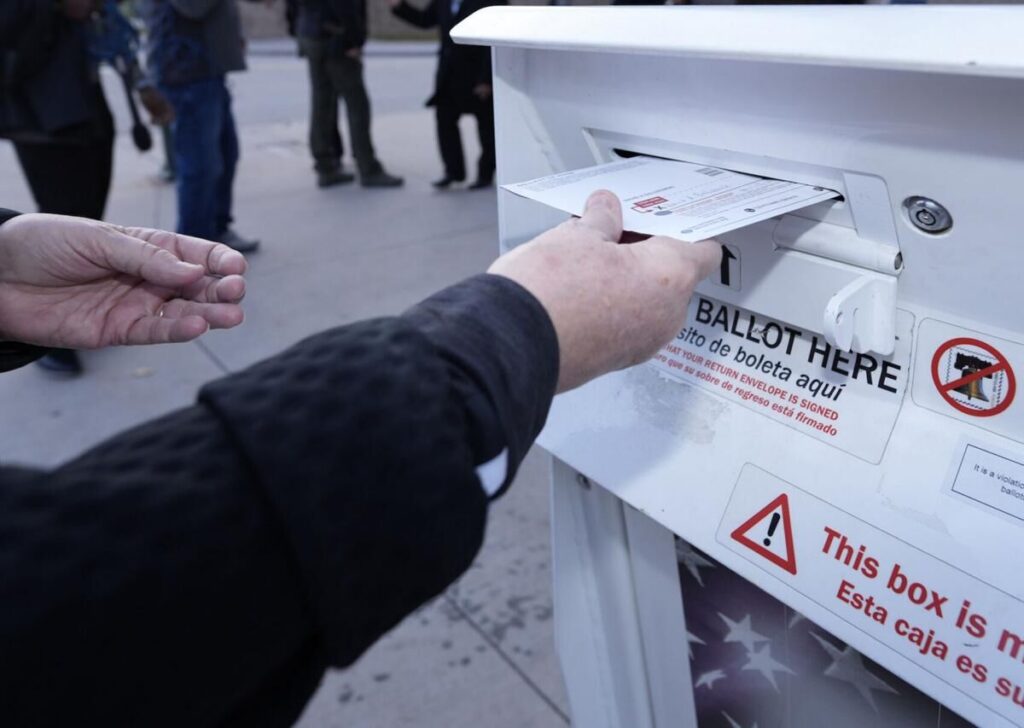
A ballot initiative that would require voters to include additional information on mail-in ballots has qualified for the November election, according to the Secretary of State’s Office. Backed by El Paso County Treasurer Chuck Broerman and former Deputy Secretary of...
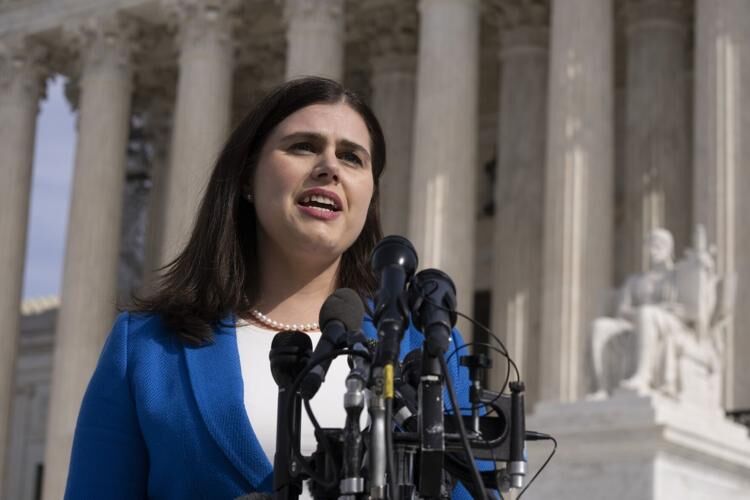
Colorado election website error exposes personal data of confidential voters
Marissa Ventrelli
marissa.ventrelli@coloradopolitics.com
Updated 18 hours ago
A system update accidentally lifted protections on confidential records in Colorado, exposing dozens of voters’ personal information, according to the Secretary of State’s Office. The limit that normally blocks access to confidential voter profiles was inadvertently disabled during an update...
PUC adds weekly comment after killing private talks
Scott Weiser
scott.weiser@gazette.com
Updated 18 hours ago
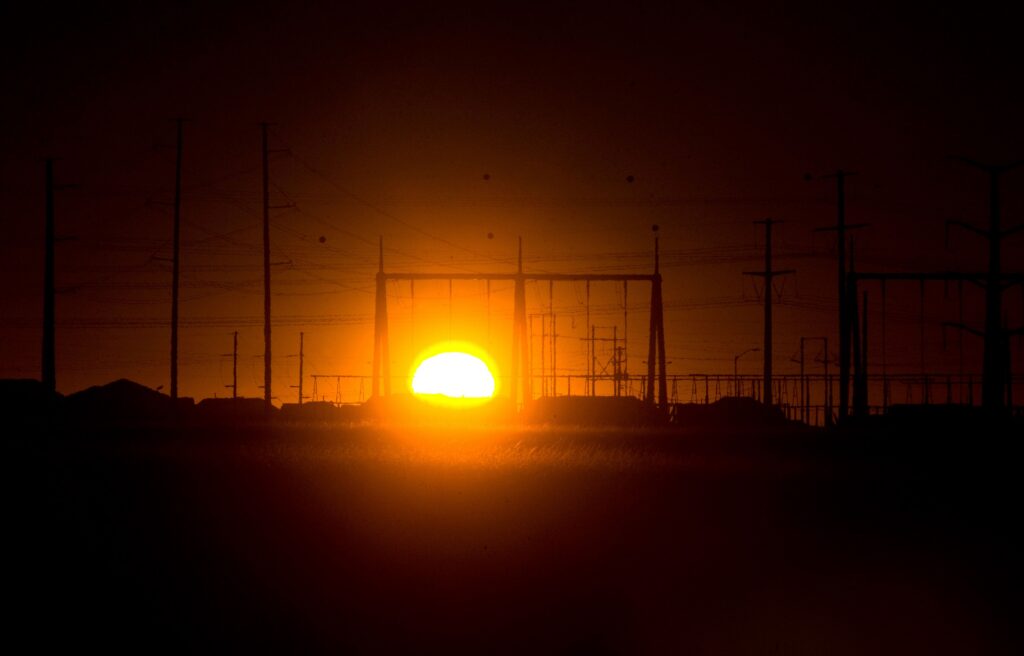
The Colorado Public Utilities Commission will take public comment at the start of every commissioner’s weekly meeting beginning Sept. 9 as part of its new transparency mandate, the commission announced, expanding a slot previously limited to the second Wednesday of...
10th Circuit overturns framework for sentencing probation violators by 11-1
Michael Karlik
michael.karlik@coloradopolitics.com
Updated 19 hours ago
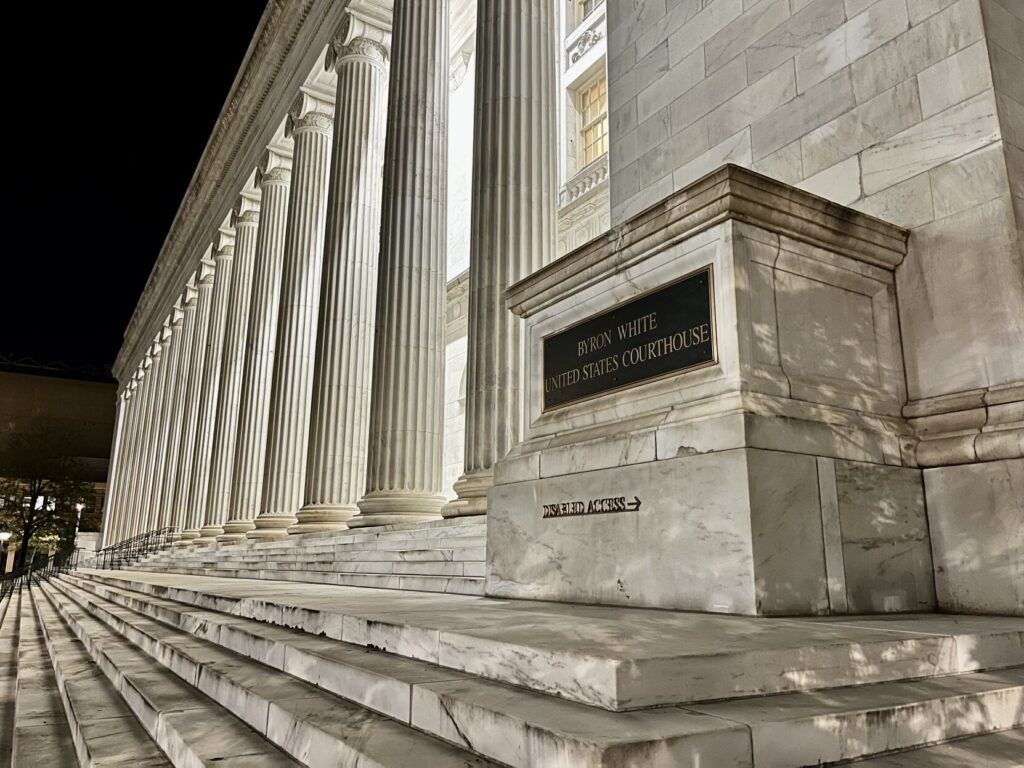
In a rare decision by all 12 of its full-time judges, the Denver-based federal appeals court ruled in a lopsided vote on Friday that one of its members created a sentencing process for probation violators that was out of step...
Federal judge dismisses excessive force lawsuit against Colorado Springs, officer
Michael Karlik
michael.karlik@coloradopolitics.com
Updated 38 minutes ago
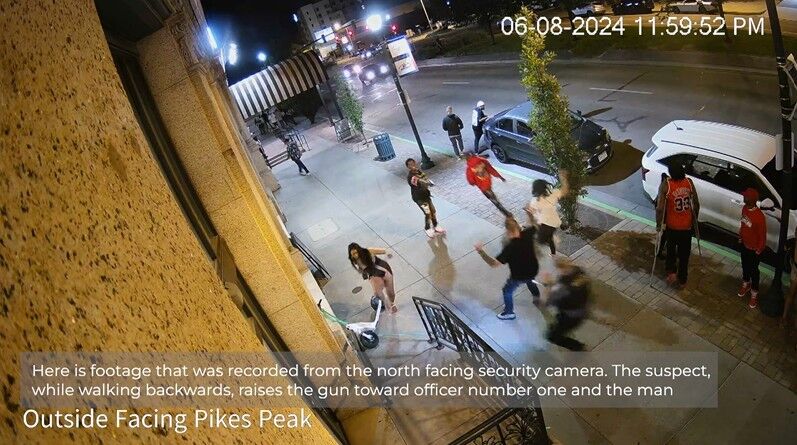
A federal judge concluded last week that a Colorado Springs police officer could not be held liable for shooting a suspect three times after the man menaced two victims with a gun and fled the scene. Al’morion Germany was involved...

DeFlock started from one man’s curiosity — now Flock cameras are a midterm issue
Claire Carter
claire.carter@washingtonexaminer.com
Updated 22 hours ago
Will Freeman wasn’t looking to start a national movement when he launched DeFlock after noticing Flock Safety’s automatic license plate readers along the side of the road. The software engineer was driving across the country in 2024 when the cameras...

Aurora student journalist cleared of disciplinary charges after ignoring ‘gag order’
Kyla Pearce
kyla.pearce@gazette.com
Updated 19 hours ago
A Community College of Aurora student who accused the college of putting an “unconstitutional gag order” on his student-run publication was cleared of disciplinary charges against him. CCA student Andrew Green tried to register his independent student publication, called “FoxTalk,”...
PREV
PREVIOUS

SONDERMANN | Colorado's Dem convention delegates must run a slalom course of quotas
Eric Sondermann Hypothetically speaking, if you are a white male in your 60s and living in Denver, what path do you take to become a delegate to the Democratic National Convention? That obviously presumes you meet the minimum test of being registered as a Democrat. (Which makes this fully hypothetical in that I’ve been an […]

Democrats roll out new gun loss and storage bills
Democratic lawmakers on Friday introduced bills requiring gun owners to report lost or stolen firearms or ensure that guns in households with minors be locked up. Failure to report a missing firearms could earn a fine; failure to lock up a gun in a house with children could earn the gun owners up to six […]