

USOPC agrees to fund council of athlete advisors
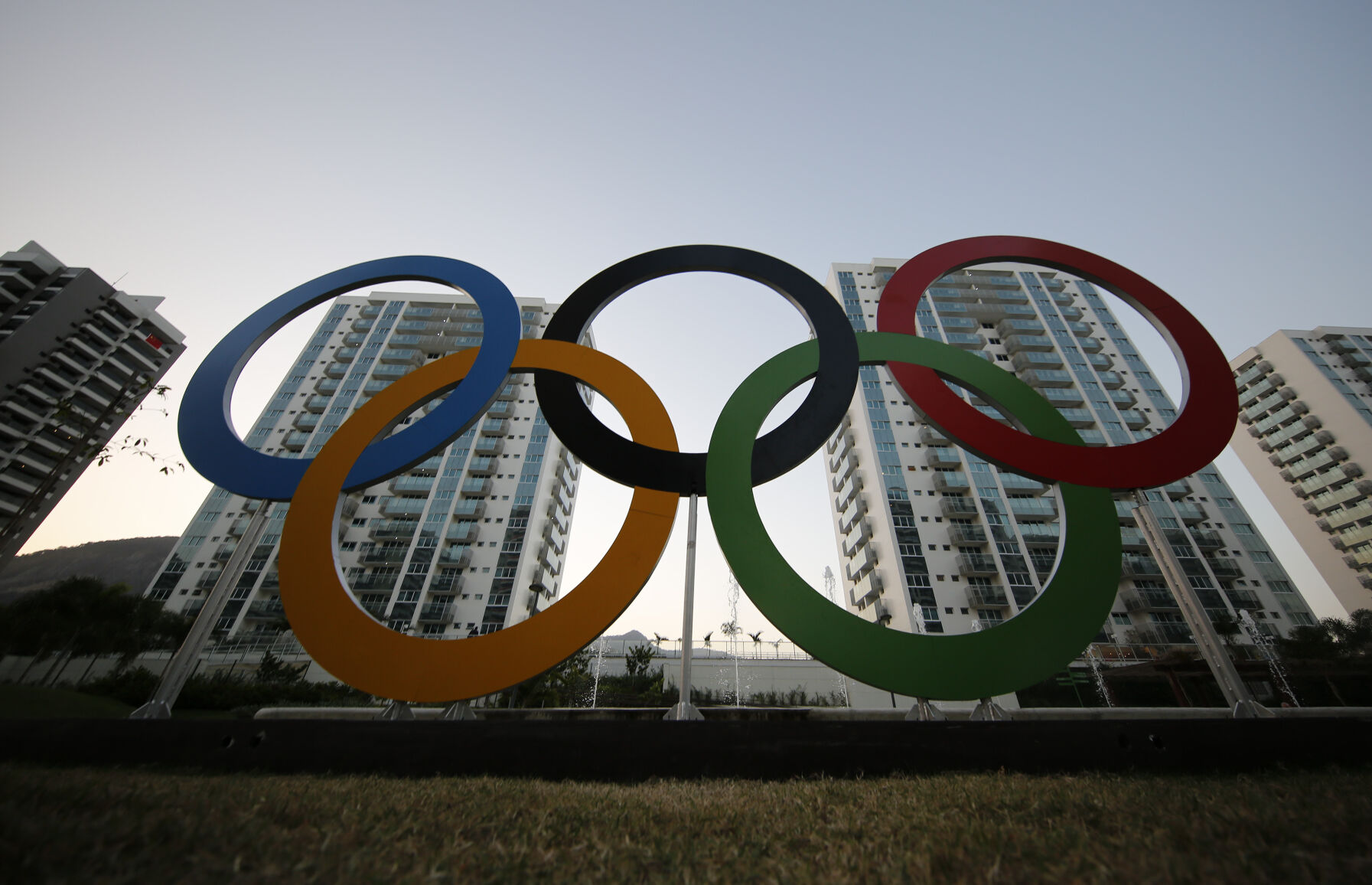
In the wake of a series of sex abuse revelations, the U.S. Olympic and Paralympic Committee has agreed to provide an annual budget to help support its council of volunteers who serve as the main advocates for athletes’ rights and concerns.
Under the deal announced last week, the Colorado Springs-based USOPC will allocate $525,000 this year, with a 2% annual increase through 2024, to pay for “professional, independent operational support” for the Athletes’ Advisory Council of elected representatives, many of whom work full time, or are actively training and competing, and receive no pay for their work on the council.
The funding represents a roughly three-fold increase in USOPC’s previous support of the volunteer group, whose members, as per congressional mandate, must make up 20% of its board of directors and any “committees and entities of the corporation.”
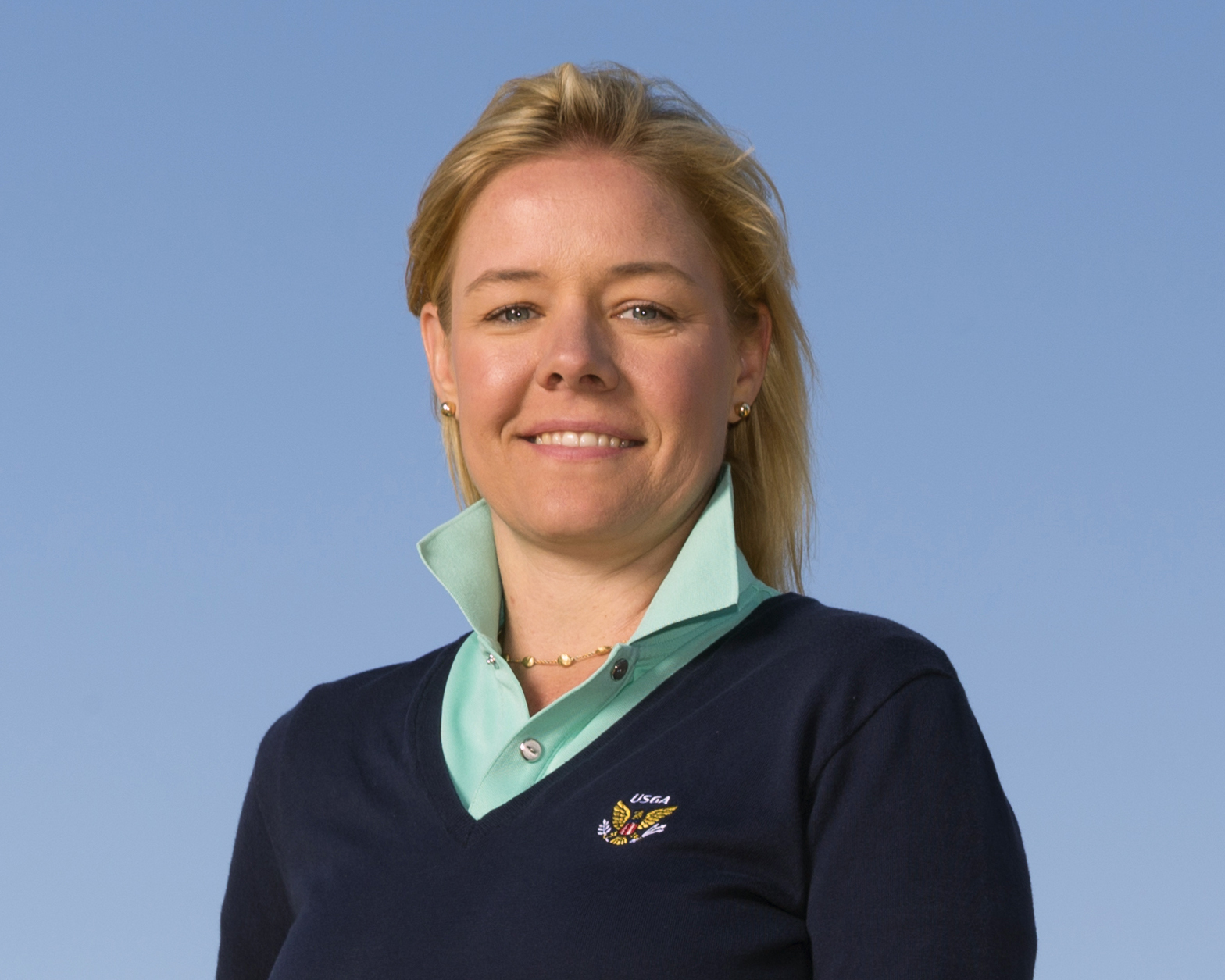
Olympic boss Sarah Hirshland said the agreement is another “important step” in the organization’s moves to overhaul the way it does business and ensure athletes a place “at the heart of everything we do,” after the crimes of Team USA doctor Larry Nassar exposed deep cracks in multiple levels of the iconic brand.
“The input and feedback of the athlete community must guide our organizational decision-making and these resources will enhance that communication process,” Hirshland said in a prepared statement. “A professional staff to assist the elected, volunteer leadership of the AAC will enable athletes to more effectively advise our team on an increasingly diverse and complex set of issues and policies and ensure that athletes’ needs and voices are well-represented.”
The AAC is made up of representatives from each Olympic and Pan American sport and the Paralympic Sport Organizations, plus six at-large members. Members must have represented the U.S. in major international competitions within the last decade and serve four-year terms with duties that extend to attendance at a series of national meetings, usually weekend commitments with expenses reimbursed.
The USOPC says the new agreement opens up access to its resources, and while the money comes with no strings, it’s expected to help cover members’ travel, projects, and staffing, specifically the creation of an executive director position.
AAC Chairman Han Xiao said the move to boost support and “professionalize” the council – things his group has long lobbied for – is a potentially historic one that signals the organization is committed to change.
“Today’s elite athletes are facing more numerous and complex issues than ever before, which means that the AAC must evolve and adapt to provide robust voice and representation for those athletes moving forward,” Xiao said in the release. “This agreement is an important step toward that goal.”
Not every athlete advocate is wildly cheering the move, though.
Olympic swimmer Nancy Hogshead-Makar is a member of “Team Integrity,” a group of 170 former Olympians and Paralympians, coaches and elite athletes lobbying for a near complete tear-down and rebuild of the Olympic committee, starting with fundamental changes to the congressional act that founded it in 1978.
While the USOPC’s deal to boost funding for the advisory council is a positive step, the investment just doesn’t add up to the kind of commitment that’s needed to create a true “athlete first” culture, said Hogshead-Makar, who won three gold medals and a silver medal at the 1984 Summer Games.
After factoring in other expenses, such as travel, she worries the remaining annual funds won’t be enough to hire a leader whose voice can compete at the highest levels of an organization that, according to IRS tax filings, brought in $336 million in revenue in 2016.
“That $525,000 is a huge increase (in the previous amount of AAC funding) … but think of the whole budget,” said Hogshead-Makar, a lawyer and founder of Champion Women, a nonprofit that advocates for gender equality in sports. “In no way will the person that they hire be at the same professional standing as the other executives at the USOPC. It’s not even in the same standing as the severance pay.”
Hirshland took over the top job in 2018 for an annual salary of $600,000, with the potential of earning a 50% bonus.
Former chief exec Scott Blackmun, who was widely criticized for his inaction during the sexual assault crisis, received $2.4 million in severance after resigning for health reasons in 2018.


Appeals court adopts federal standard for jail deaths under Colorado law
Michael Karlik
michael.karlik@coloradopolitics.com
Updated 2 hours ago
Colorado’s second-highest court decided last month that the standard used by federal courts for assessing whether government officials may be liable for constitutional violations upon the death of a jail detainee also applies to claims made under the Colorado Constitution....

Registered voters on the eve of the 2026 primaries | Cronin & Loevy
Tom Cronin Bob Loevy
tom-cronin-bob-loevy@coloradopolitics.com
Updated 2 days ago
The Colorado Secretary of State’s Office has published the latest voter registration figures for the state and its counties as of June. Colorado ranks among the highest states for independent, or unaffiliated, voters. Only Alaska and Massachusetts have more. New Hampshire, New Jersey, Maine and Oregon also rank highly. So here...

A decade after Standing Rock protests, Dakota Access oil pipeline segment gets OK | OUT WEST ROUNDUP
The Associated Press
the-associated-press@coloradopolitics.com
Updated 5 days ago
NORTH DAKOTA Pipeline segment OK’d BISMARCK — Federal officials on May 21 gave final approval for the Dakota Access oil pipeline to continue operating its contentious Missouri River crossing, an outcome that comes nearly a decade after boisterous protests against...
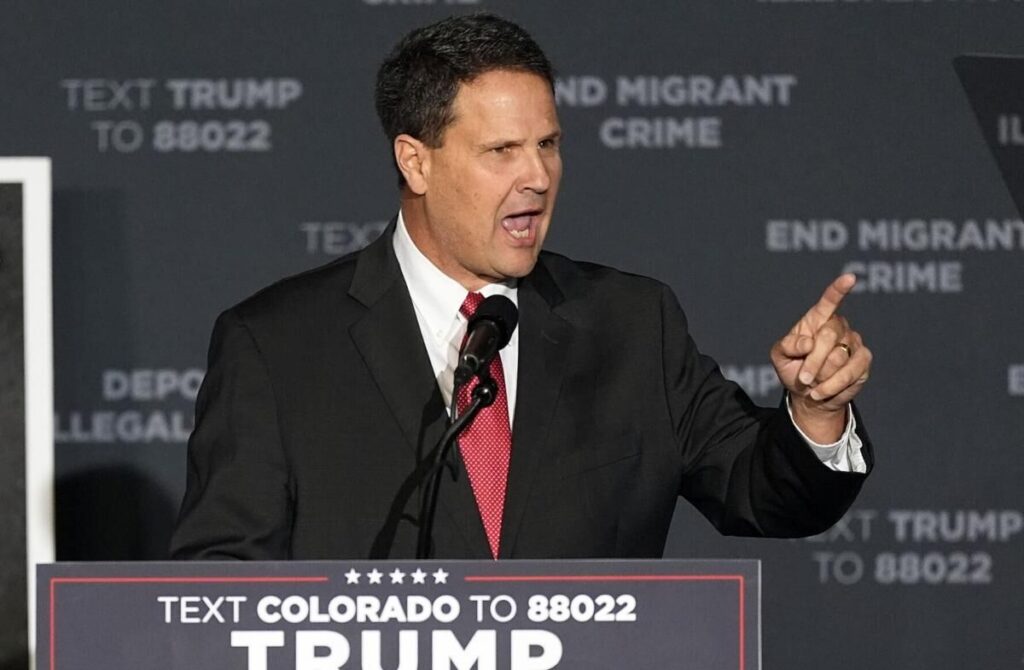
Rep. Jeff Crank thinks Democrats are too focused on Trump, not enough on Colorado Springs | Vince Bzdek
Vince Bzdek
vince.bzdek@gazette.com
Updated 19 hours ago
For U.S. Rep. Jeff Crank, who’s unopposed in the Republican primary for the 5th Congressional District but the main target of both candidates in the lively Democratic primary, the big question in the midterms is not who will stand up...

Colorado Politics Calendar June 22-28
Rachael Wright, Special to Colorado Politics
rachael.wright@coloradopolitics.com
Updated 5 days ago
CoPo’s weekly political calendar will help you find political and public-policy events throughout Colorado. It includes candidate and issue campaign events, public policy meetings, court hearings, state and local party conventions, assemblies, debates, rallies, parades, speaking engagements, traveling dignitary appearances,...
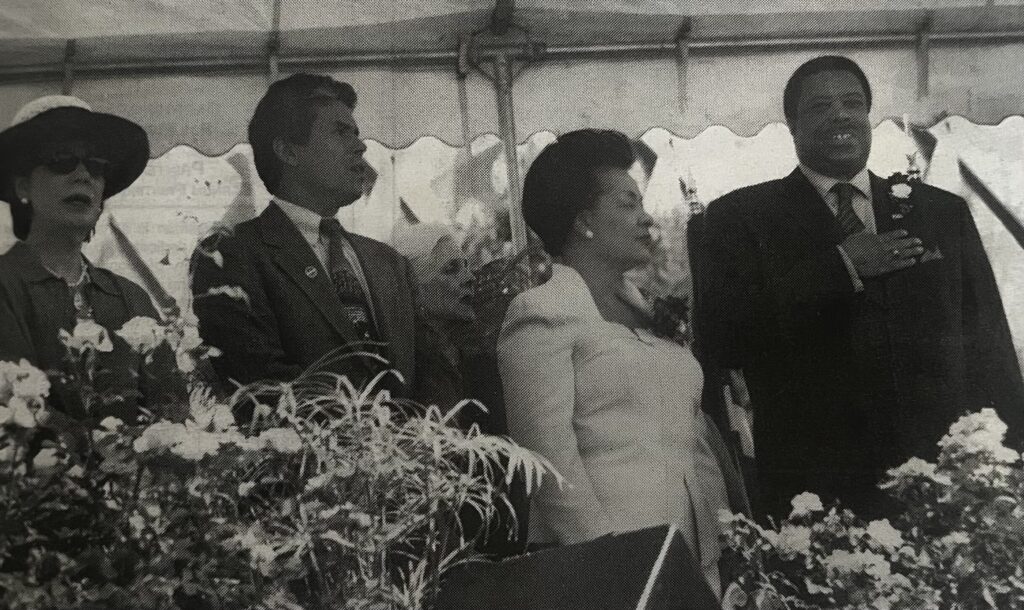
Vice president attends Denver event to support energy freedom; more news from the past | A LOOK BACK
Rachael Wright, Special to Colorado Politics
rachael.wright@coloradopolitics.com
Updated 5 days ago
Forty-Five Years Ago This Week: Vice President George H.W. Bush flew to Denver to address the annual meeting of the American Association of Petroleum Landmen, where he assured the audience that the Reagan administration’s strong belief was that the private...
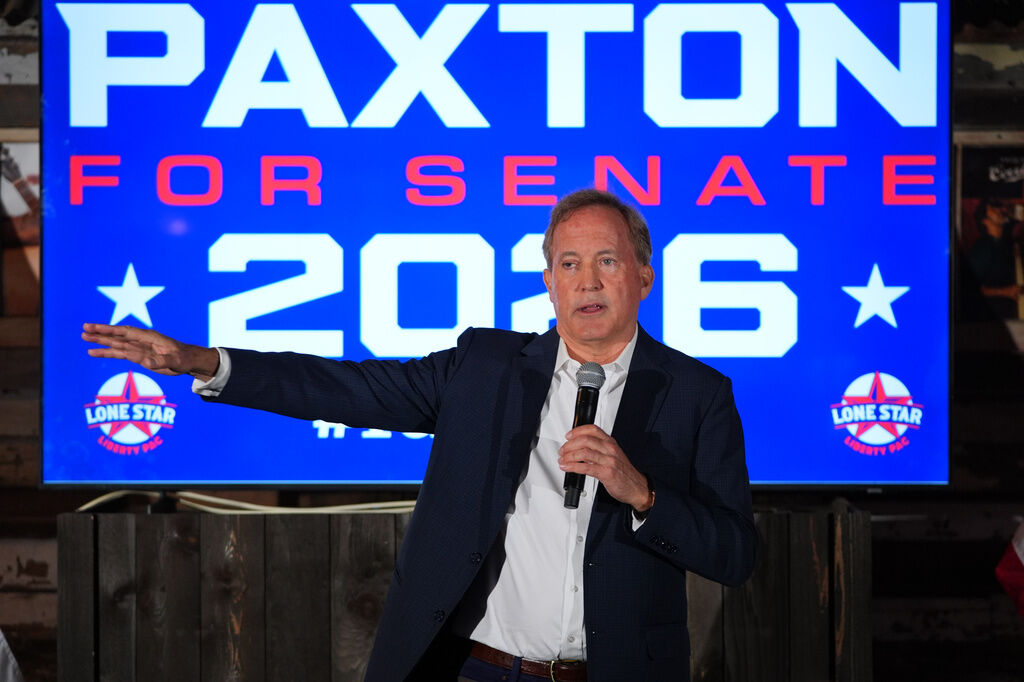
Does character matter anymore? | SONDERMANN
By Eric Sondermann
by-eric-sondermann@coloradopolitics.com
Updated 5 days ago
The last few weeks have been illuminating in the manner of a headlamp pointing the way to some deep, dark, murky netherworld. Graham Platner, a hero to the populist set on the Democratic side, became his party’s Senate nominee in...

Denver City Council considers criminal code update
Deborah Grigsby
deborah.smith@denvergazette.com
Updated 1 hour ago
Returning to the Denver City Council chambers this week is an ordinance that would update the city’s criminal code to align local penalties with state laws and recent Colorado Supreme Court rulings. It primarily aims to reduce the maximum possible...
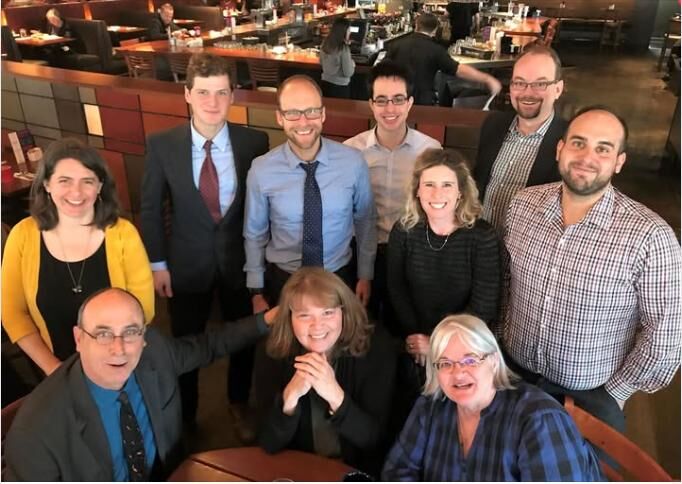
A special edition of Capitol M: In remembrance of the outrageous Lynn Bartels
Marianne Goodland
marianne.goodland@coloradopolitics.com
Updated 3 days ago
I had Lynn Bartels envy. For almost longer than I can remember. There, I said it. And it’s true. Lynn died Friday, age 69, after a short battle with glioblastoma. I was just heartsick when that news of her diagnosis...
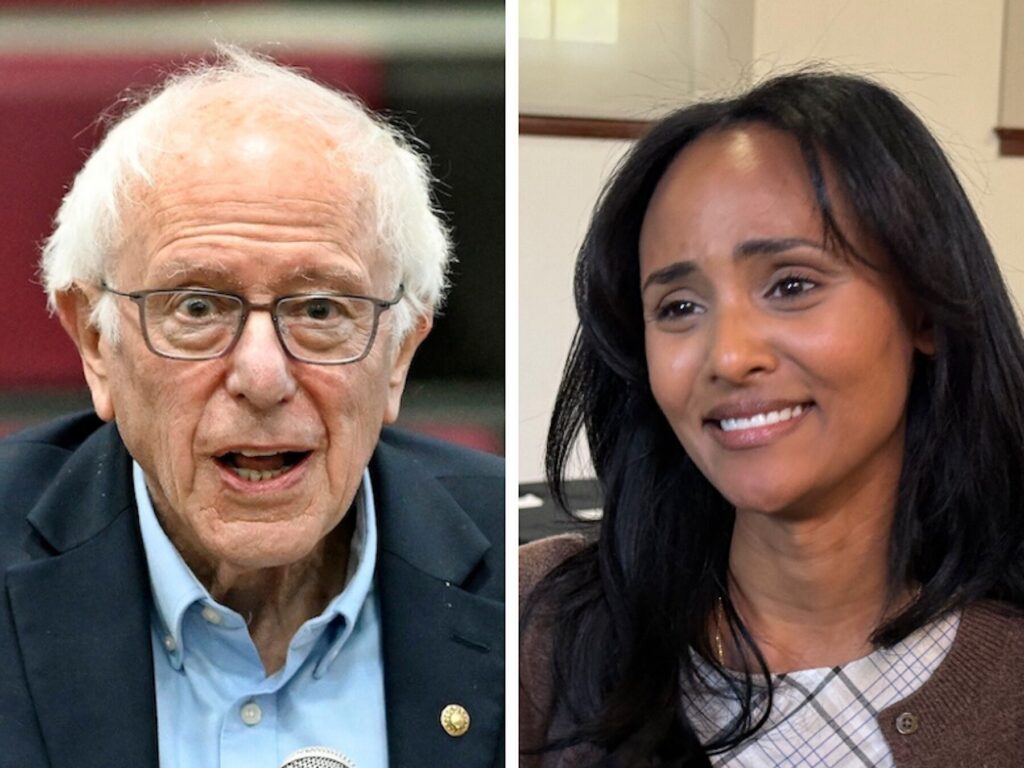
Bernie Sanders endorses DeGette challenger Melat Kiros in Colorado’s 1st CD Democratic primary
Ernest Luning
ernest.luning@coloradopolitics.com
Updated 3 days ago
U.S. Sen. Bernie Sanders on Friday endorsed congressional candidate Melat Kiros, one of two Democrats challenging 15-term U.S. Rep. Diana DeGette in Colorado’s June primary. Sanders, a Vermont independent who caucuses with the Democrats, called the 29-year-old Kiros “exactly the...
PREV
PREVIOUS

Colorado's Democratic US Senate candidates — except Hickenlooper — set to appear at Denver forum
Colorado voters will get a chance this week to hear from most of the Democrats running in a primary for the U.S. Senate seat held by Republican Cory Gardner at a forum in Denver. Former Gov. John Hickenlooper, the frontrunner in the sprawling field, won’t attend the forum because of a scheduling conflict, his campaign […]

SONDERMANN | Taking a look at 'un-Trump' Michael Bennet
Eric Sondermann That “bland white guy” running for president (his words, not mine) is not just any candidate. He’s my neighbor, living a handful of blocks down the street. That neighbor’s name is Michael Bennet. Most of us in Colorado know him as our senior senator. He would like the appellation of “Mr. President.” While […]