

Everybody’s working on the weekend? Could happen at the Capitol (VIDEO)
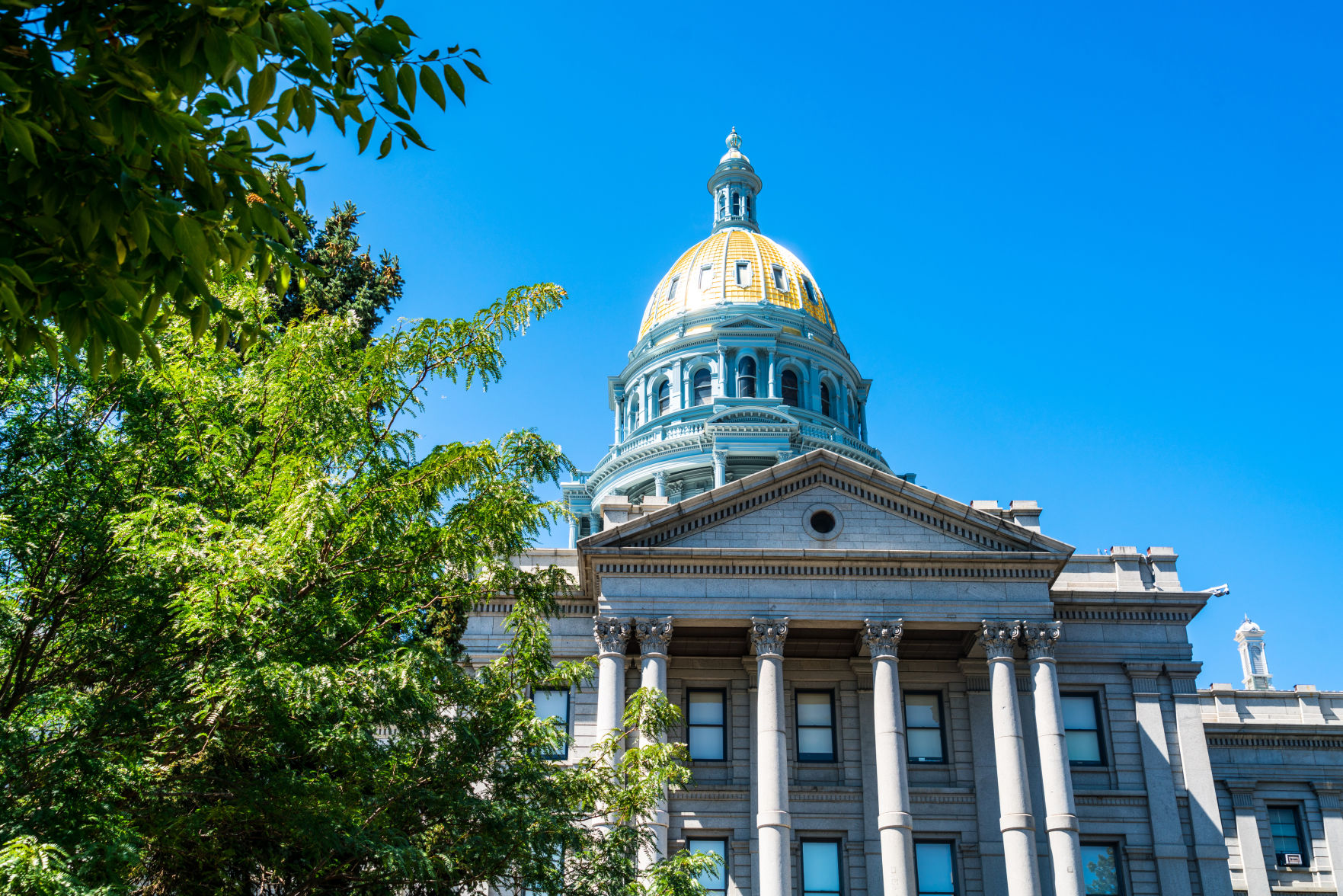
It appears likely that Colorado’s state Senate will hold its first formally scheduled Saturday – and maybe even Sunday – session in decades before lawmakers finish their work next week.
Senate Majority Leader Steve Fenberg, D-Boulder, told Senate Democrats Wednesday to prepare to work the weekend.
That hasn’t happened in more than 20 years, based on a review of House and Senate journals going back to 1998.
It’s yet to be determined if the House of Representatives will work this weekend as well.
There have been rare instances when lawmakers meet on a Saturday. It happened in the House in 2013 and 2014. But in both years the Saturday session was started moments after the Friday session ended around midnight.
Last Friday was the first time in years that lawmakers worked on a Good Friday/Passover holiday. The House worked the entire day, while the Senate worked until midnight Thursday, gaveled back in around 12:15 a.m. Friday morning and then wrapped up by just after 2 a.m.
Two committees, Appropriations and Health & Human Services, met later in the morning that Friday, but everyone in the Senate was done for the day by about noon, well in time for church and synagogue services.
The General Assembly’s 120-day session includes weekends, but lawmakers usually go home on between Fridays and Mondays to hold town halls and the like.
This time of year – just over a week until the regular session is required to wrap up – the office of Legislative Legal Services starts publishing daily status sheets that show how many bills are left in the 2019 session.
The total is telling.
Of the 589 bills that had been introduced as of Wednesday morning, 271 were still working through the process and 318 were done, either signed by the governor or killed.
Of the total bill introduced, 330 had come from the House and 259 from the Senate – worth noting because the Senate was the first chamber for the budget, supplemental budget bills and the School Finance Act. Usually, the first chamber that hears the budget bills has the most bills in a session.
Compared to 2018, there are 125 fewer bills this year – and 120 fewer that have been acted on.
Even Gov. Jared Polis is adding to the last-minute rush. Tuesday, he announced he backed a referred measure, sponsored by Democratic Rep. Yadira Caraveo of Thornton, to ask voters for higher taxes on tobacco and cigarettes. The money, maybe as much as $300 million, would help combat teen vaping use.
“We’ve got 300 bills, what’s one more?” Polis said Tuesday.
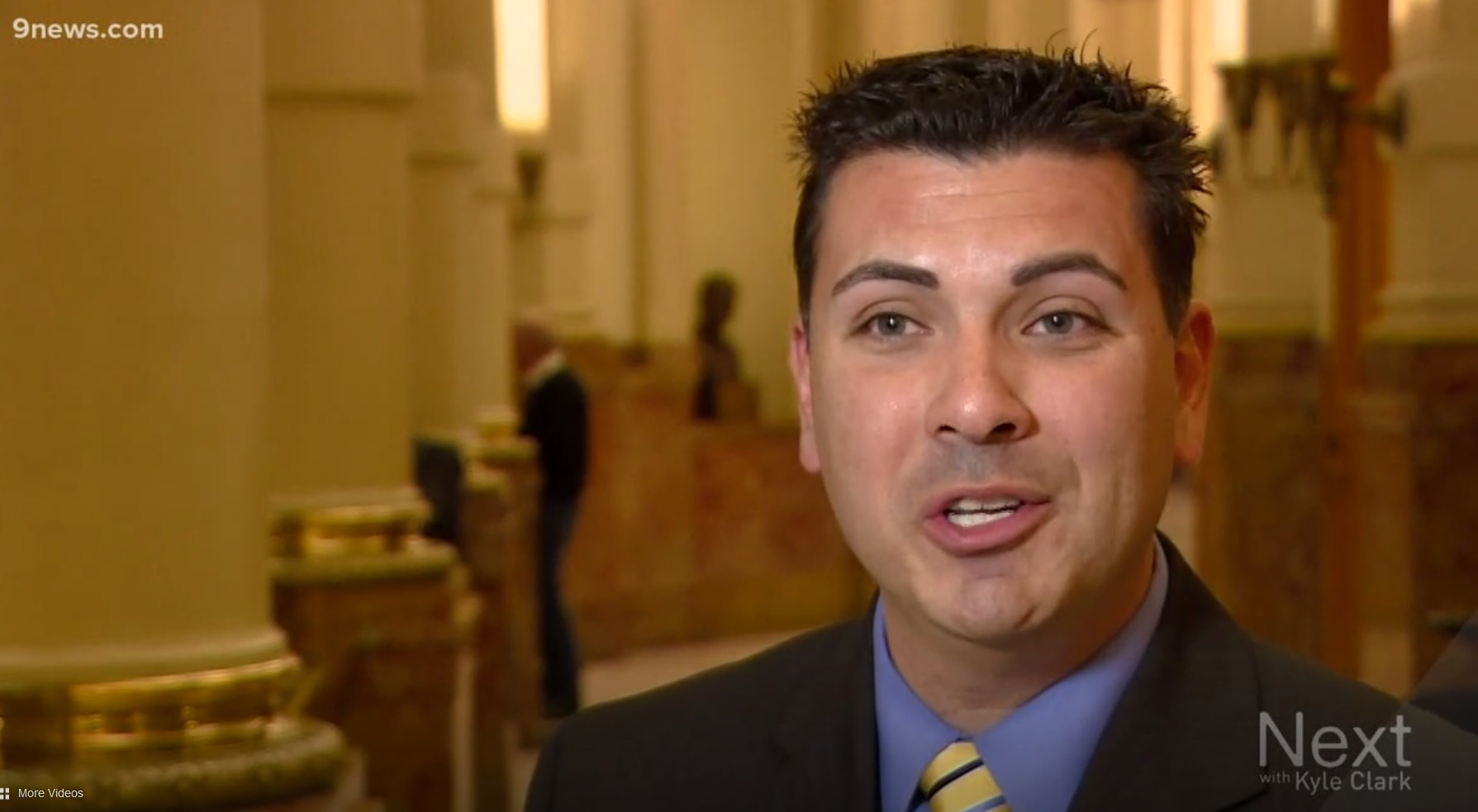
Senate President Leroy Garcia of Pueblo said the weekend work is necessary because things just aren’t the way they used to be, and he lays at least some of the reasons at the feet of Senate Republicans.
Traditionally, when a bill came up for its final vote in the Senate, it was a quick vote with almost no discussion, and lawmakers could whip through a long list of bills awaiting final passage in an hour or two.
But that isn’t how things have operated under the dome this year.
On Wednesday, for example, Senate Republicans spoke at length about a campaign finance bill – Senate Bill 235 – for the better part of two hours. Garcia pointed out it took six hours to pass the two dozen or so bills up for final vote that day.
“What worries me is that we haven’t had this level of debate on third readings,” Garcia told Colorado Politics on Wednesday.
“The senatorial custom is that you take as much time as you need on seconds,” he said, referring to the floor debate that often produces a preliminary vote. “And then [after spending] six hours on third reading [bills], we had votes of 35-0.”
Garcia acknowledged that it’s not about the ultimate vote, it’s about the delays.
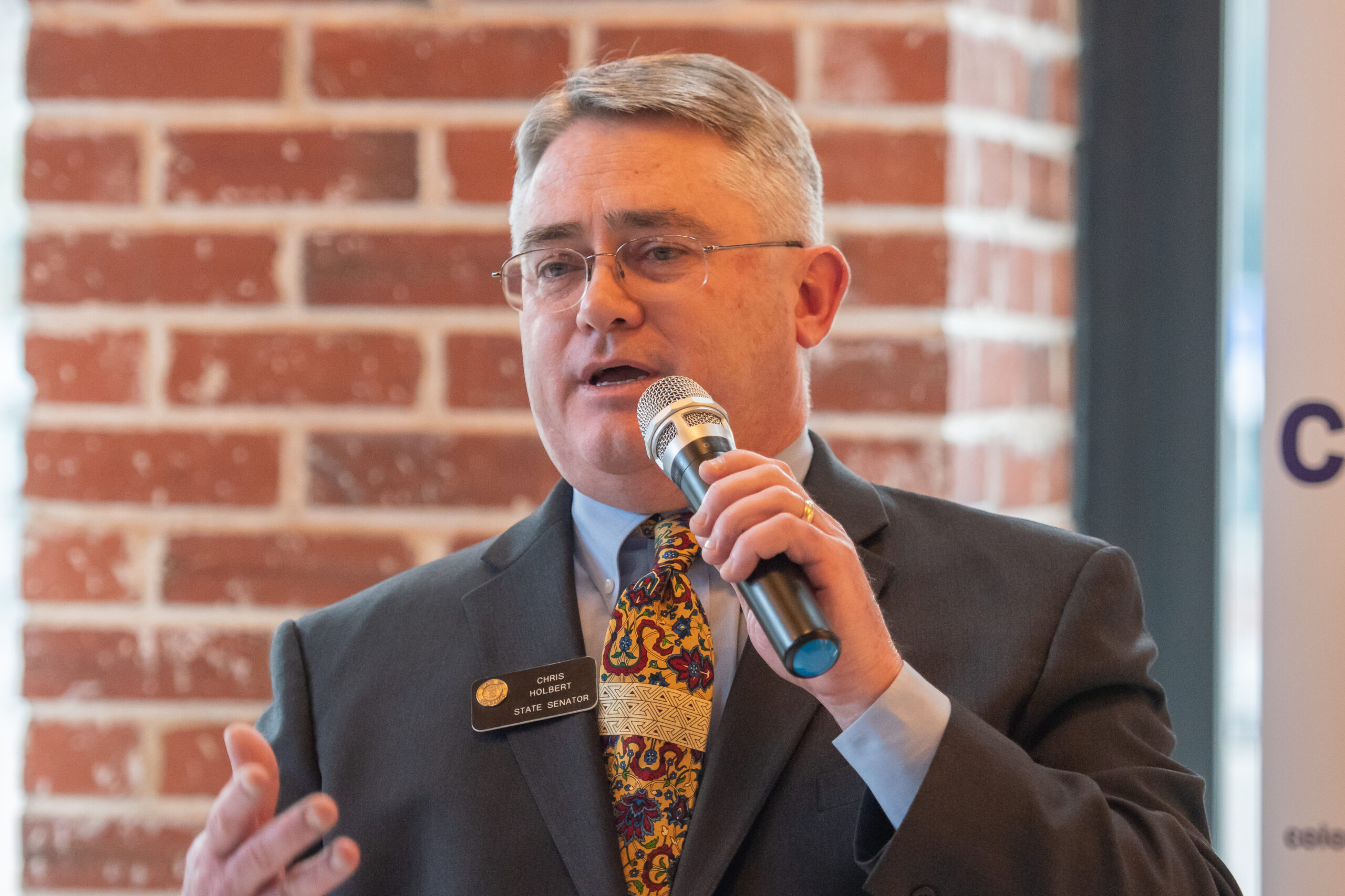
Senate Minority Leader Chris Holbert of Parker told Colorado Politics that Senate rules limit each member to speaking twice – for 10 minutes each time – when it comes to discussing a bill on third reading.
“We don’t control the volume of bills. There have a couple of times when we’ve gone longer on second reading,” Holbert conceded. “But when we have second and third reading calendars of 30 or more bills, that will take time.”
Holbert added: “We’re not having bills read at length. We’re debating.”
There’s a different dynamic with a split legislature, he contended. “We have one-party control, and we don’t control what’s introduced or what’s on the calendar. When we have a second or third reading calendar with 30 bills, we’re going to talk about this.
“The tide has come in,” Holbert added. “We’re getting hit with a tsunami of bills from the House, but we’re way behind, even with fewer bills introduced this year. We’re not responsible for that.”
Since the second week of March – when Republicans asked that a 2,000-plus page bill be read aloud in its entirety, a dispute over Democrats using several computers to read the bill at incomprehensible speeds wound up in court, and a bomb cyclone tore through the state (yes, that was all in the same week) – Holbert said he and Garcia as well as Fenberg, the Democratic leader, and Assistant Minority Leader John Cooke have been talking more often, negotiating over what can get done and what may be harder to get done.
Holbert described five measures that fit the bill: the family and medical leave bill (Senate Bill 188), the comprehensive sex education bill (House Bill 1032), local minimum wage (House Bill 1210), local rent control (Senate Bill 225) and the immunization bill (House Bill 1312).
Holbert said that if each of those bills face 10-15 hours of hearings and debate – the immunization bill alone occasioned a 14-hour committee hearing last week in the House – there just aren’t that many hours left in the session to complete action on those bills, to say nothing of the other 150-plus bills awaiting Senate action.
=
=
=
=
=


Is the GOP race for Colorado governor heading into mandatory recount territory?
Luige DelPuerto
luige.delpuerto@gazette.com
Updated 15 minutes ago
Not yet — not until the race tightens further as election officials tally more votes. The race for governor in the Republican primary between state Sen. Barb Kirkmeyer and ministry leader Victor Marx tightened on Tuesday night to roughly 1,400...

5 takeaways from Colorado’s shocker of a 2026 primary election
Ernest Luning
ernest.luning@coloradopolitics.com
Updated 1 hour ago
Voters in Colorado’s Democratic primary on Tuesday night mostly let their elected officials know that they’re fed up with the party’s Washington politicians and ready to back the most aggressive fighters they can find. At the same time, the voters...

Tina Peters visits President Donald Trump in the White House
Thelma Grimes
thelma.grimes@coloradopolitics.com
Updated 1 hour ago
Since her release from prison, Tina Peters has reemerged on the political circuit — appearing over the weekend at the GOP Freedom Fest in Castle Rock and then visiting the White House on Monday to meet with President Donald Trump....

Melat Kiros shocks 15-term incumbent Diana DeGette, winning Colorado’s 1st CD Democratic primary
Ernest Luning
ernest.luning@coloradopolitics.com
Updated 9 hours ago
In the equivalent of a political earthquake, 29-year-old Democratic socialist Melat Kiros defeated 15-term U.S. Rep. Diana DeGette in Colorado’s Denver-based 1st Congressional District primary, according to unofficial election results Tuesday night. The Associated Press called the race at 10:03...

Dwayne Romero wins Democratic primary, will face Republican Jeff Hurd in Colorado’s 3rd CD
Ernest Luning
ernest.luning@coloradopolitics.com
Updated 12 hours ago
Democrat Dwayne Romero has defeated challenger Alex Kelloff in the primary in Colorado’s 3rd Congressional District, where Republican U.S. Rep. Jeff Hurd fended off a challenge from a former state lawmaker, according to The Associated Press. In returns posted at...

Democrat Jessica Killin claims victory in Colorado’s 5th Congressional District primary
Ernest Luning
ernest.luning@coloradopolitics.com
Updated 12 hours ago
Jessica Killin walked out to the song American Girl in a bright red dress to claim victory in the democratic primary race for Congressional District 5 at a hotel in downtown Colorado Springs on Election Day. She beat her fellow...
Incumbents lead in Arapahoe County commissioner race
Kyla Pearce
kyla.pearce@gazette.com
Updated 12 hours ago
Both incumbents on the Arapahoe County Board of Commissioners appear to be winning the Democratic primary election, according to the early and unofficial tally on Tuesday night. In District 2, incumbent Jessica Campbell is leading Angela Garland by 34 points,...
Colorado voters pick state Senate primary winners
Marissa Ventrelli
marissa.ventrelli@coloradopolitics.com
Updated 12 hours ago
Colorado voters on Tuesday night picked winners in the Republican and Democratic primaries in an election that will shape the contests in the general election later this year. The eventual winners will join the Colorado General Assembly in January 2026....

John Hickenlooper fends off challenge from Julie Gonzales in Colorado’s Democratic U.S. Senate primary
Ernest Luning
ernest.luning@coloradopolitics.com
Updated 12 hours ago
U.S. Sen. John Hickenlooper defeated progressive challenger state Sen. Julie Gonzales Tuesday in Colorado’s Democratic U.S. Senate primary, notching a win for one of the state’s most enduring politicians on a night when voters appeared to be fed up with...
Allen wins Republican primary for attorney general
Marissa Ventrelli
marissa.ventrelli@coloradopolitics.com
Updated 13 hours ago
Michael Allen has defeated David Willson in the Republican primary for attorney general, according to The Associated Press. Allen received just over 60% of the vote, according to the secretary of state’s website. Allen will face Democrat Jena Griswold in...
PREV
PREVIOUS

A slap-back at SLAPPs: Bill targets lawsuits against people who speak out
It’s known as SLAPP: A lawsuit filed by a company, or even a government agency, against someone who speaks out. “SLAPP” stands for “strategic lawsuit against public participation.” “SLAPPs have become an all-too-common tool for intimidating and silencing critics of businesses, often for environmental and local land development issues,” says the Reporters Committee for Freedom […]
Handcuffing of students under review in Denver schools
The chief of safety for Denver’s public schools has vowed to review the use of handcuffs on students, as well as how district safety officers are trained to work with young children, and recommend any possible policy or procedure changes. In a presentation to the school board Monday, neither Chief Mike Eaton nor Superintendent Susana […]