

Federal government headed for close to half of nation’s health tab

WASHINGTON – Even without a history-making health care remake to deliver “Medicare-for-all,” government at all levels will be paying nearly half the nation’s health care tab in less than 10 years, according to a federal report released Wednesday.
The government growth is driven by traditional Medicare, which is experiencing a surge in enrollment as aging baby boomers shift out of private coverage, according to the analysis from the Centers for Medicare and Medicaid Services, part of the U.S. Department of Health and Human Services.
Federal, state and local governments will be paying 47 percent of the nation’s health care costs in 2027, up from 45 percent currently, the report said.
The report did not consider the potential impact of “Medicare-for-all” national health insurance plans from Democratic presidential candidate Bernie Sanders and other liberals. Nor did it delve into a financial rescue of traditional Medicare that could become a pressing political priority for all sides in just a few years. Medicare’s trustees have said the program will be insolvent in seven years, when its giant trust fund for inpatient care won’t be able to fully cover expected medical bills.
Spelling out the economic consequences of current laws and policies, the report serves as a reality check on the political debate over health care. That debate ranges from President Donald Trump’s warnings about lurking “socialism” to the suggestion from Sen. Kamala Harris, D-Calif., a 2020 contender, that the U.S. can simply “move on” to a new taxpayer-financed system that would cover all Americans.
“To the extent that a Martian landed and saw how much of the American health care system is funded by the government, it’s been about 50 percent for some time,” said economist Paul Hughes-Cromwick of Altarum, a nonprofit research organization.
The report projected that U.S. health care spending will surpass $5.9 trillion in 2027, growing to represent more than 19 percent of the economy. Health care spending is expected to increase somewhat more rapidly than overall economic growth from 2018 to 2027, underscoring an ingrained affordability problem for government, employers and U.S. households.
Rising prices for health care goods and services are expected to account for nearly half the spending growth, said the report, with the rest driven by a mix of factors, including an aging population and more intensive use of services. “The baby boom generation is expected to shift from private health insurance coverage to Medicare coverage during the projection period,” said Andrea Sisko, an author of the report.
Some experts have called attention to higher U.S. prices as a chief reason for the disparity in medical costs with other economically advanced countries.
Spending on prescription drugs is expected to pick up again after a recent slowdown, averaging about 6 percent a year from 2020 to 2027, the report found.
The nation’s uninsured rate was expected to remain relatively stable, hovering around 10 percent.
For politicians, the numbers are a double-edged reality check.
Trump’s warnings about “socialism” are undercut by the fact that much of the health care system is already paid for by the government. For Democrats contemplating a system fully funded by government, the trillions of dollars in new government spending that would entail are detailed in the report’s tables.
The report was published online by the journal Health Affairs.

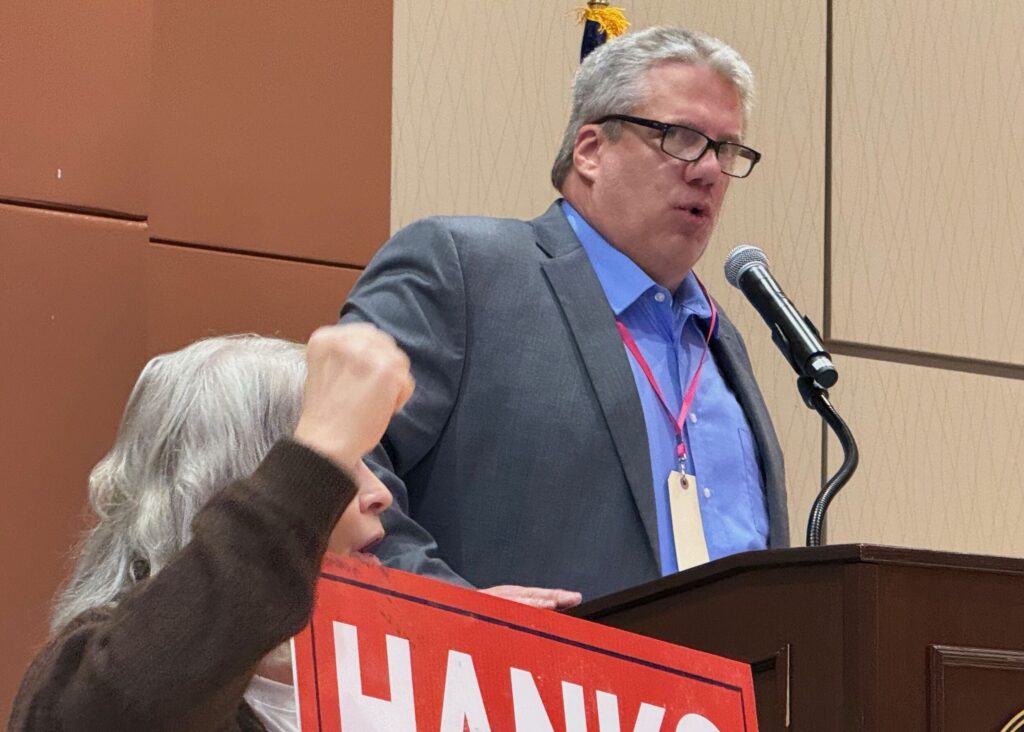
Ron Hanks, Scott Bottoms sue to stop Colorado’s unaffiliated voters from participating in GOP primary
Ernest Luning
ernest.luning@coloradopolitics.com
Updated 1 hour ago
Three Republican candidates in Colorado filed a lawsuit in Denver District Court this week seeking to prevent unaffiliated voters from participating in next month’s GOP primary, arguing that the state’s semi-open primary system violates their constitutional rights by forcing Republicans...
Colorado needs a sane, viable opposition party | SONDERMANN
By Eric Sondermann
by-eric-sondermann@coloradopolitics.com
Updated 4 days ago
If you are upset with the increasing regulatory burden in Colorado, the exodus of too many large employers, accelerating property taxes, the condition of the roads, and all of the funding for transit schemes with low demand, of course, you...
Colorado Politics Calendar May 11-17
Rachael Wright, Special to Colorado Politics
rachael.wright@coloradopolitics.com
Updated 3 days ago
CoPo’s weekly political calendar will help you find political and public-policy events throughout Colorado. It includes candidate and issue campaign events, public policy meetings, court hearings, state and local party conventions, assemblies, debates, rallies, parades, speaking engagements, traveling dignitary appearances,...
NRA carves out early success story battling 1981 Colorado gun legislation | A LOOK BACK
Rachael Wright, Special to Colorado Politics
rachael.wright@coloradopolitics.com
Updated 2 days ago
Forty-Five Years Ago This Week: After House Bill 81-1542, which would have mandated detention for juveniles carrying concealed weapons, cleared the Senate Judiciary Committee, Sen. Paul Powers, R-Denver, said he had received 45 letters per day denouncing the legislation. And...
It’s almost Sine Die and it can’t come soon enough | Capitol M | Week of May 9, 2026
Marianne Goodland
marianne.goodland@coloradopolitics.com
Updated 2 days ago
The lighter side of the state Capitol, usually. At first, May the Fourth might have been a bit of a disappointment. Usually, there’s a lot of Star Wars foolishness on this particular day, but early on, it was low-key. The...

TABOR showdown: Senate moves bill forward, Advance Colorado prepares for legal action
Marianne Goodland
marianne.goodland@coloradopolitics.com
Updated 16 hours ago
Despite objections from legislative staff and Republican opposition, Senate Democrats on Friday moved forward with a proposal to reroute $306 million in taxpayer refunds. Already, critics are preparing to sue over the proposal that seeks to take $300 million in Taxpayer’s...
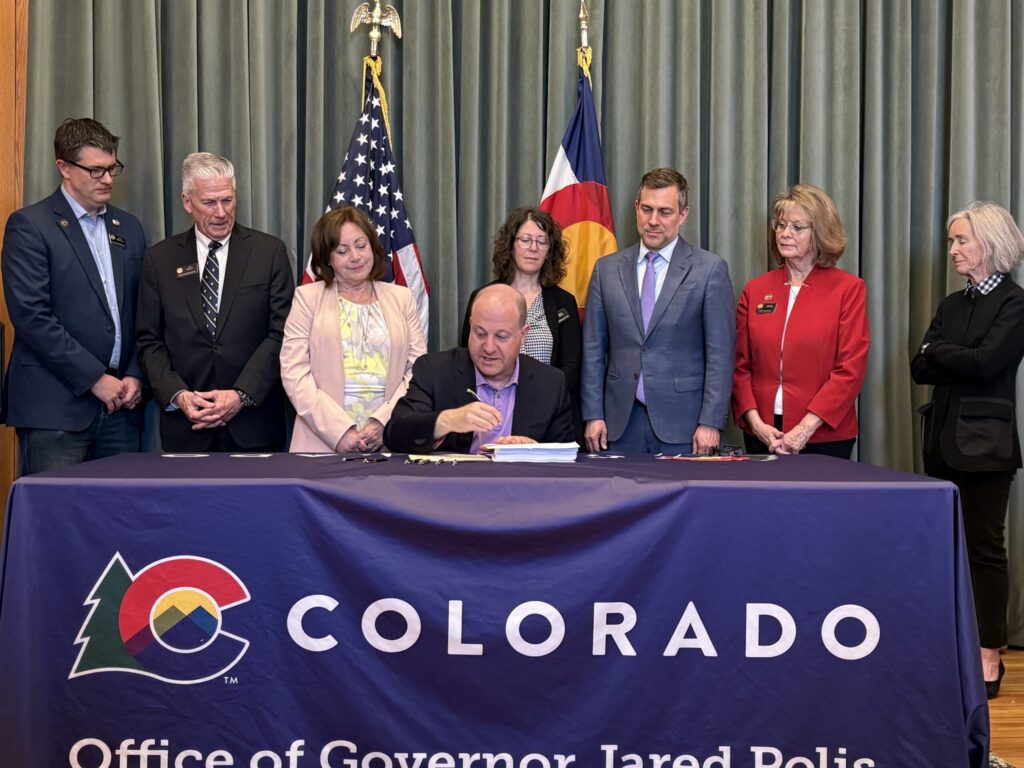
Colorado governor signs $47 billion budget in which ‘nobody won’
Marianne Goodland
marianne.goodland@coloradopolitics.com
Updated 16 hours ago
Gov. Jared Polis on Friday officially signed a $46.87 billion spending plan for the Colorado state government in the next fiscal year. His signature is the culmination of months of work by legislators, who resorted to cuts, transfers and other...

Latest Pinnacol proposal shifts sponsors, cuts state benefits and triggers union standoff
Marianne Goodland
marianne.goodland@coloradopolitics.com
Updated 20 hours ago
Colorado’s long‑running bid to let Pinnacol Assurance break away from state control is suddenly in jeopardy, as a newly revised bill — stripped of the payouts and structural changes once central to the deal — has triggered fresh tensions among...
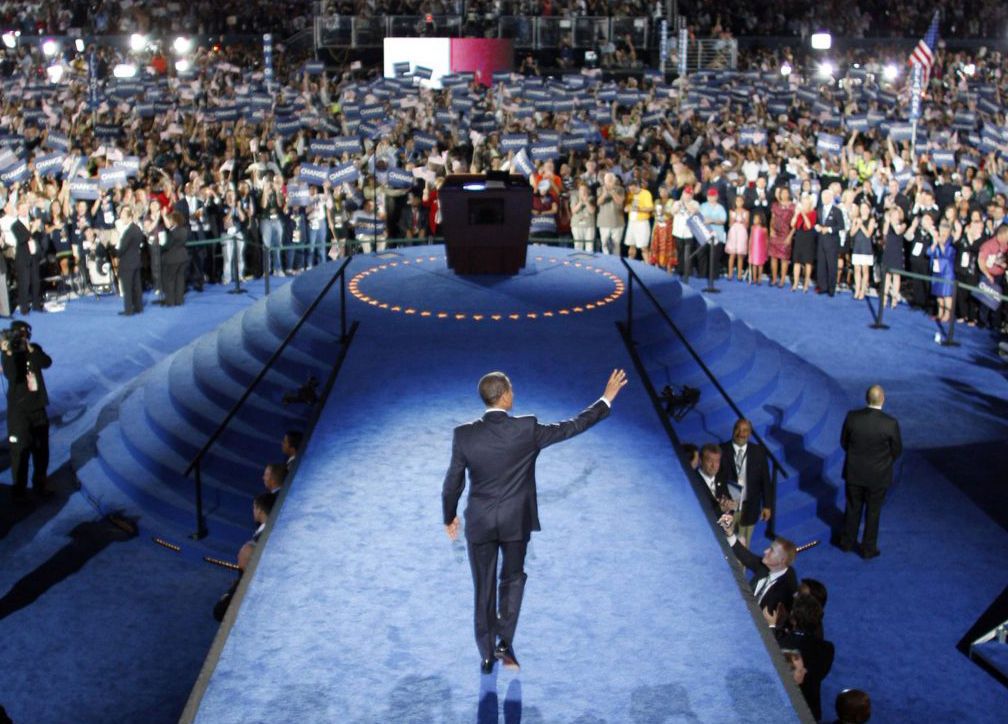
Denver could be back in DNC spotlight 20 years later
Deborah Grigsby
deborah.smith@denvergazette.com
Updated 21 hours ago
It’s been nearly two decades since Denver shared the spotlight as host to the 2008 Democratic National Convention — and a lot has happened in the city since then. But not major party conventions. In fact, before 2008, Denver hadn’t...

Bill permitting lawsuits against ICE agents reaches Gov. Jared Polis’ desk
Marissa Ventrelli
marissa.ventrelli@coloradopolitics.com
Updated 16 hours ago
Colorado lawmakers advanced two high‑profile measures Thursday — one seeks to reshape how the state manages its strained prison population and another allows Coloradans to sue federal immigration agents for alleged constitutional violations. The state policymakers sent both bills to...
PREV
PREVIOUS

OUT WEST ROUNDUP | Judge says feds must weigh climate impacts of Montana coal mine
MONTANA Judge: Feds must reconsider climate impacts of mine BILLINGS – U.S. officials have again been faulted by a federal judge for failing to adequately consider the potential climate change effects of expanding a massive coal mine in the sagebrush-covered hills of southeastern Montana. U.S. Magistrate Judge Timothy Cavan recommended Feb. 11 that the Interior […]

As sex-ed bill heads to Colorado Senate, opponents gear up for round two
Two days after the Colorado House of Representatives passed a sex-education bill — the subject of hours-longs hearings and debate sessions in recent weeks — opponents already are gearing up opposition for round two, which will take place in the state Senate. House Bill 1032 was approved by the House Tuesday on a 39-23 vote, […]