

Lawmakers: Funding, urgency lacking in Olympic abuse crisis
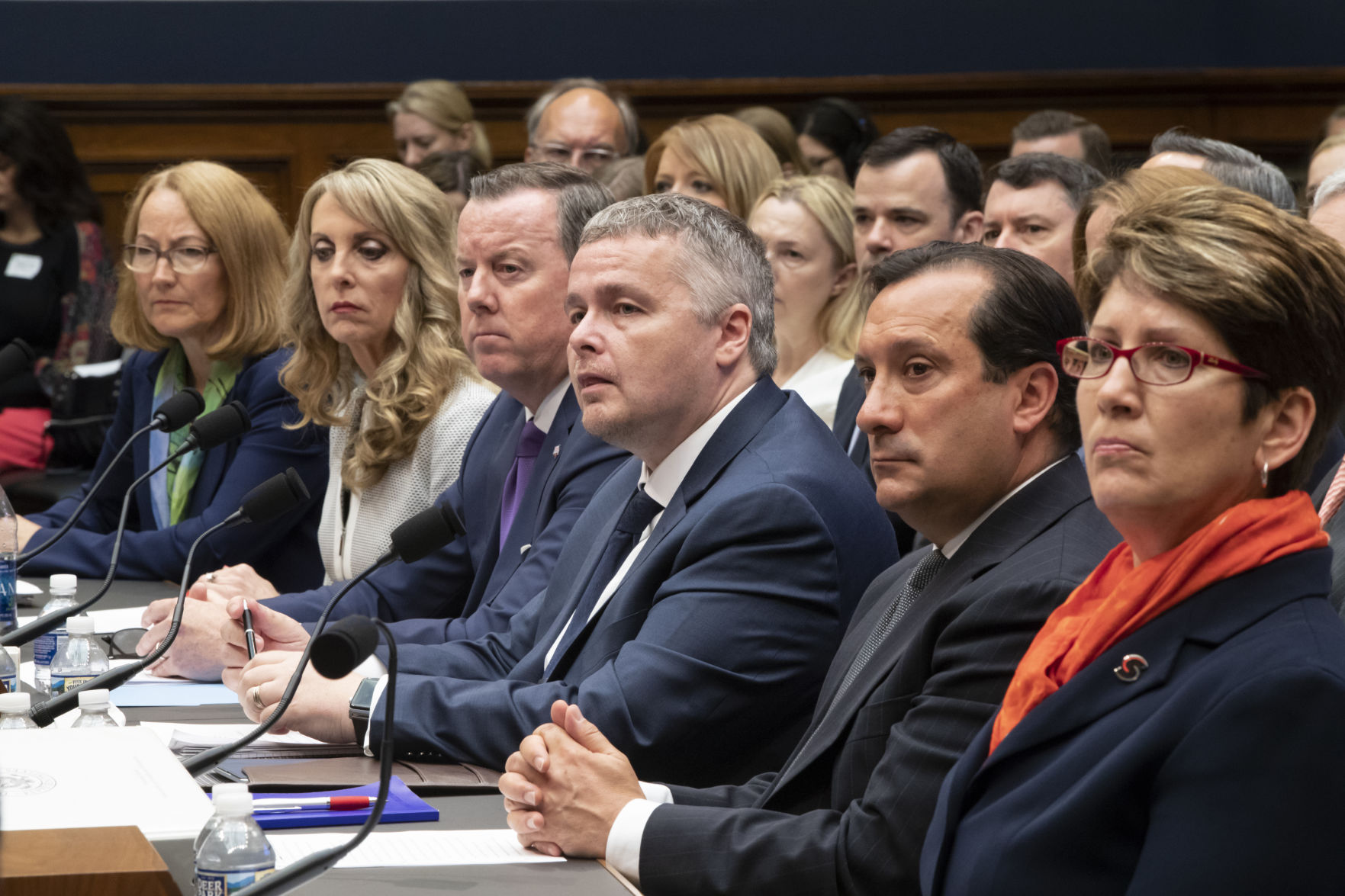
WASHINGTON – U.S. Olympic officials should do more than “window dressing” as they attempt to end sexual abuse of athletes, Colorado U.S. Rep. Diana DeGette said during a congressional hearing Wednesday.
DeGette, D-Denver, was addressing officials of the Colorado Springs-based U.S. Olympic Committee who testified about how they plan to resolve abuses publicized during the recent criminal trial of former U.S.A. Gymnastics team doctor Larry Nassar.
Nassar was sentenced to life in prison this year on evidence he allegedly molested about 250 women and girl athletes who sought medical treatment from him. The revelations touched off other sexual abuse allegations against administrators of the U.S. Olympic swim and Taekwondo teams, as well as in college sports.
They also prompted congressional inquiries, such as the House Energy and Commerce Subcommittee on Oversight and Investigations hearing Wednesday. Congress is trying to decide whether a government agency should do more to oversee the safety of athletes.
DeGette, a member of the subcommittee, said she hoped that U.S. Olympic sports officials were “on the road to real change.”
“We’re not here today to tear down the sporting world,” DeGette said.
One of the main witnesses was Kerry Perry, the new chief executive of U.S.A. Gymnastics. She apologized “to all who were harmed by the horrific acts” of Nassar.
She and other Olympic officials – many recently appointed after firings or resignations of others – acknowledged a pattern of mistakes that included overlooking abuse of athletes to protect administrators’ jobs and reputations.
Since starting her job in December, Perry has reorganized USA Gymnastics by closing the Texas training facility where Nassar worked and firing top coaches and directors.
One of the firings occurred last week, when Perry replaced the head of the women’s gymnastics program. Female athletes said they told her about Nassar’s sexual abuse as far back as 2015.
As part of the restructuring, Perry said Olympic team officials should look at “everything. We look at our structure, we look at our policies, we look at our systems, we look at our medical and we hold ourselves to the highest standard.”
Perry said she has recently been discussing legal settlements with athletes who threatened to sue.
Former Olympian Ariana Kukors Smith filed a lawsuit Monday against USA Swimming that accuses her coach of knowing she was being sexually abused but covering it up.
The U.S. Olympic Committee, which oversees all of the individual sports teams, sought to reduce abuse of athletes by opening the Denver-based U.S. Center for SafeSport in Denver in March 2017. The organization investigates reports of abuse of Olympic athletes and recommends remedial measures. It also develops anti-abuse policies and programs for sports teams.
DeGette sought assurances during the congressional hearing that the Center for SafeSport “has sufficient tools and resources, and whether it operates with enough independence from the organizations it oversees.”
She wanted to know whether audits would be used to ensure the Center for SafeSport is properly investigating complaints, whether sports organizations under its jurisdiction are adopting its anti-abuse standards, and how its educational program is being implemented.
She also sought assurances the Center for SafeSport would be adequately funded.
“I hope we will hear today that if SafeSport needs more money, the U.S. Olympic Committee and governing bodies are prepared to increase substantially the support they provide to this much-needed watchdog,” DeGette said.
Tears and anger came from members of Congress who spent the day fuming over the growing sex-abuse problem in Olympic sports.
“If you don’t want to say you’re sorry, I don’t want to talk to you,” said Carter, who represents the district where a lawsuit that triggered the mushrooming scandal in gymnastics was filed.
In fact, members on the panel of U.S. sports executives did apologize to the victims, whose numbers grow almost daily and whose pain was most heart-wrenchingly displayed during the sentencing hearing Nassar.
But set against the USOC’s slow-moving reforms, to say nothing of the raw numbers presented by SafeSport CEO Shellie Pfohl, some of the apologies felt hollow.
The USOC started talking about reforming its sex-abuse policy in 2010 after a scandal was exposed inside of USA Swimming. From then, it took seven years to open the SafeSport center to independently investigate sex-abuse claims made by Olympic athletes.
Pfohl described an office that has been overwhelmed in the 14 months it has been in business:
Pfohl said she wouldn’t turn it down.
Meanwhile, she is still waiting for paperwork to apply for a $2.5 million grant the government wrote into this year’s budget. (The government gave $9.5 million to USADA in 2016.)
The witnesses testified to a continued lack of uniformity in sex-abuse policies among the NGBs, despite efforts that date to at least 2013. Some publish full lists of banned coaches and athletes. Some distribute them only to members of the organizations.
Under terms of a recently passed law to protect athletes, the NGBs are supposed to be audited randomly by the SafeSport center, but that project is hamstrung because resources do not exist.
Meanwhile, the role of the USOC in overseeing it all remains confusing.
Brought up more than once was an exchange during a deposition for a sex-abuse lawsuit in which a USOC lawyer was asked if protecting athletes was a top priority for the federation.
“The USOC does not have athletes,” answered Gary Johansen, the committee’s associate general counsel – speaking to the reality that, except during the Olympics, athletes technically fall under the umbrella of their individual sports.
Lyons said that mindset will change. “We do hold ourselves responsible, and if there’s a failing, it’s from not properly exercising our authority,” she said.
One of the best examples of the USOC using that authority has been the top-to-bottom housecleaning it demanded from USA Gymnastics.
Most news about the federation’s changes, however, has been delivered in long news releases. Wednesday marked the first time Perry has made public comments since her hiring in December. She left after the hearing without taking questions.
“I’m glad you’re here today, but a lot of people have wanted to hear from you since you took the job,” Dingell said.
But Dingell didn’t really like what she heard – “I don’t hear a sense of urgency,” she said – and she was not alone.
“As compared to how much money a district attorney’s office has, or how much money a Title IX office has at a school, it’s not in the same ballpark at all,” Nancy Hogshead-Makar, Olympic swimmer and outspoken critic of the USOC’s efforts, said of the SafeSport budget. “Shellie desperately needs more money.”


Fauci’s private COVID-19 diaries: Six takeaways on fame, prize money and the lab leak debate
The Washington Examiner
the-washington-examiner@coloradopolitics.com
Updated 1 hour ago
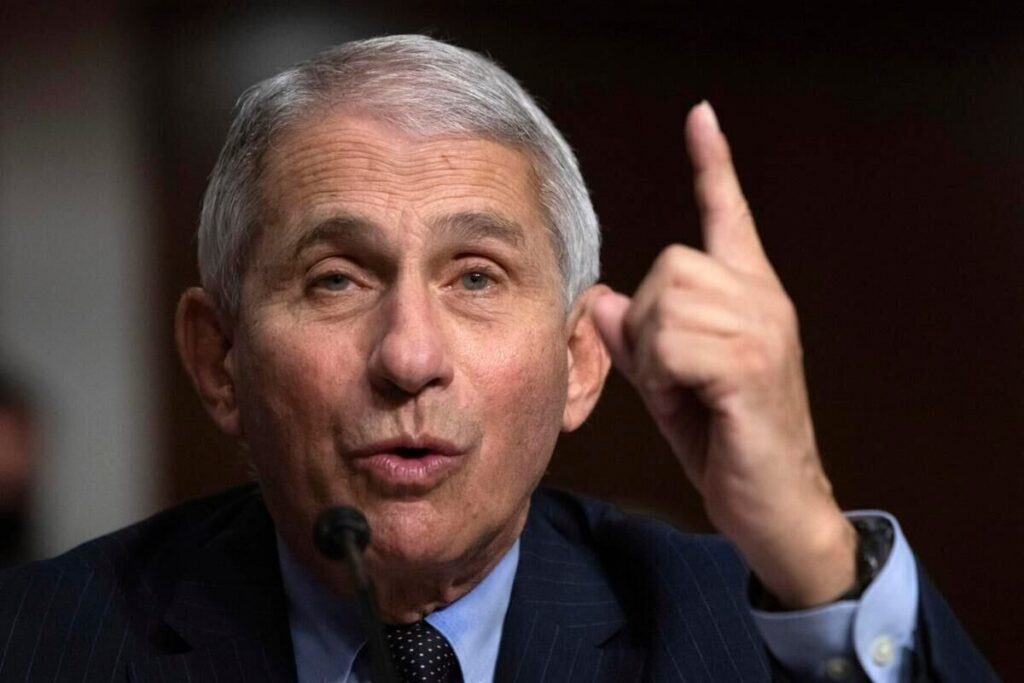
Anthony Fauci’s private writings from 2020 and beyond portray a public health official who was fixated on his growing celebrity while privately grappling with a pandemic response he believed was chaotic, leaderless and consumed by internal rivalries. The writings of...

Denver City Council sends Xcel franchise deal to voters
Deborah Grigsby
deborah.smith@denvergazette.com
Updated 58 minutes ago
This November, Denver voters will decide whether to renew the city’s longstanding franchise agreement with Xcel Energy. Members of the Denver City Council approved on Monday sending a proposed 20-year franchise agreement with Xcel that would deliver more than $180...

Denver weighs permanent restriction on low-level traffic stops
Deborah Grigsby
deborah.smith@denvergazette.com
Updated 56 minutes ago
A Denver City Council committee is considering permanently limiting certain types of low-level traffic stops used to investigate unrelated crimes and requiring better public reporting about why such stops happen. Members of the Budget and Policy Committee on Monday were...
Fort Carson soldiers develop app to plan convoys as part of Next Generation Command and Control
Mary Shinn
mary-shinn@coloradopolitics.com
Updated 47 minutes ago
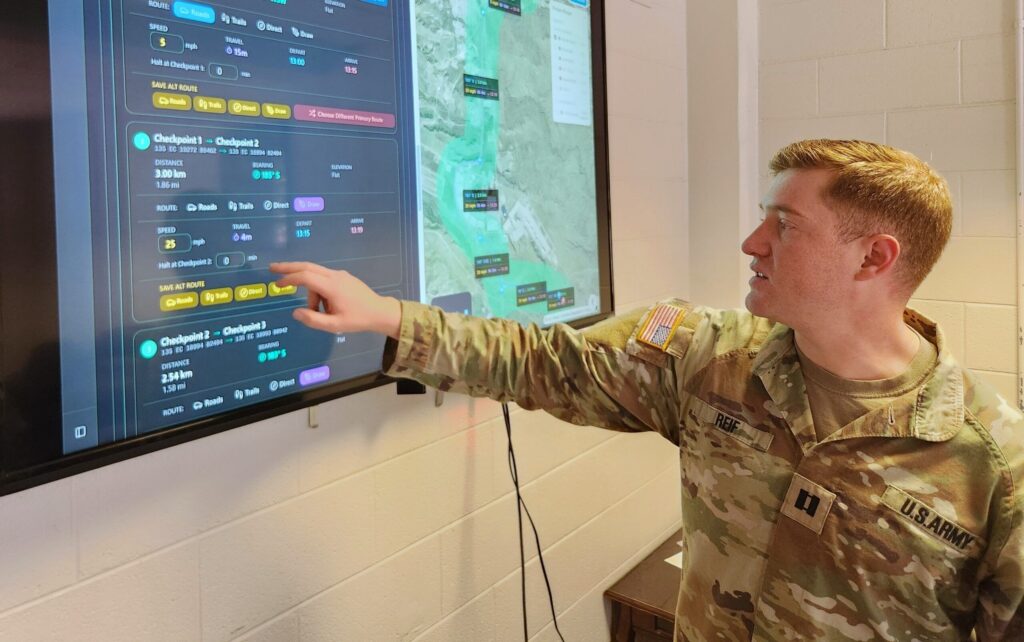
Planning the details of a military convoy with numerous vehicles, personnel, weapons, radios and other details can take a platoon leader three days. In addition to plotting a safe route, leaders need to map out checkpoints to track the convoy’s...
Penley fire near Sedalia reaches 75% containment
Nicholas Fogleman
nicholas.fogleman@denvergazette.com
Updated 52 minutes ago
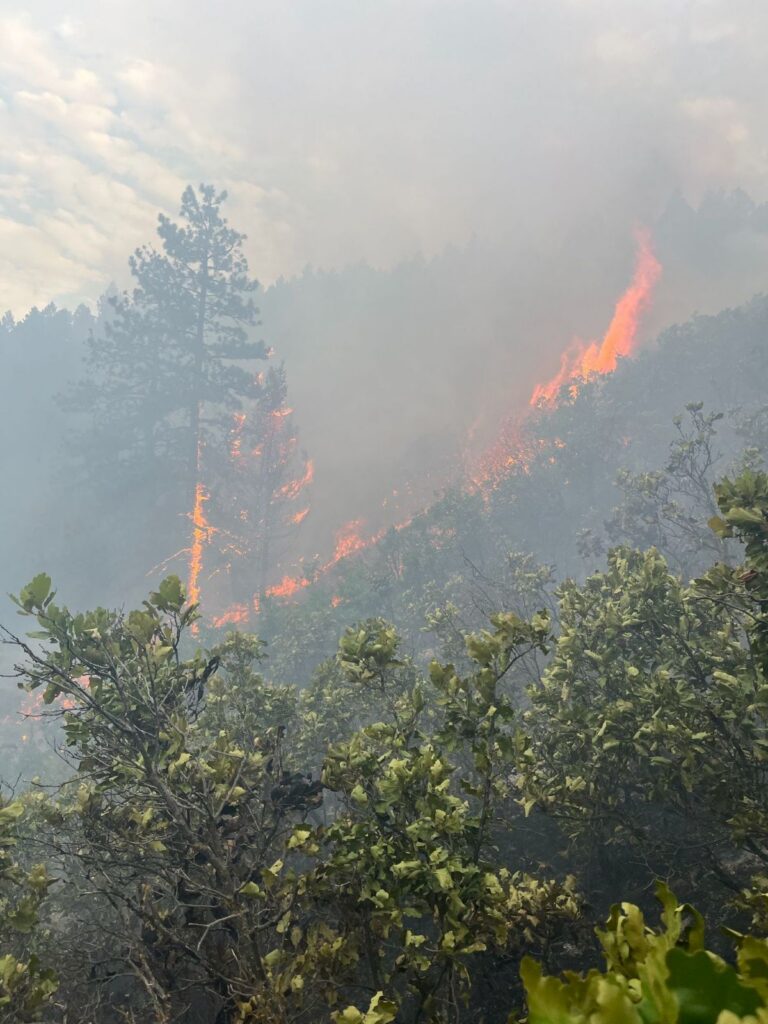
Fire crews battling the Penley fire west of Sedalia made significant progress overnight, holding the wildfire at about 3 acres and reaching 75% containment Monday, according to Douglas County officials. The fire, which sparked Sunday west of Sedalia, prompted evacuation...
Colorado board permits state to appeal injunction against arthritis drug price cap
Marissa Ventrelli
marissa.ventrelli@coloradopolitics.com
Updated 32 minutes ago
A Colorado board voted Friday to allow the Attorney General’s Office to fight an injunction against a price cap on a drug that treats arthritis. A U.S. district court judge had granted the company Amgen a preliminary injunction, temporarily blocking...
Federal judge rejects constitutional claims, ‘expressions of hatred’ by Club Q defendant
Michael Karlik
michael.karlik@coloradopolitics.com
Updated 16 hours ago
A federal judge rejected a defendant’s claims that he received constitutionally ineffective assistance of counsel while facing federal hate crime and firearms charges for murdering five people at a Colorado Springs LGBTQ nightclub in 2022. Anderson Lee Aldrich is serving...

Divided 10th Circuit upholds Colorado congestion fee on car rentals
Michael Karlik
michael.karlik@coloradopolitics.com
Updated 13 hours ago
The Denver-based federal appeals court concluded on Monday that a 2024 “congestion impact fee” that lawmakers imposed on short-term vehicle rentals did not conflict with a federal prohibition on certain airport-related charges. Beginning in the 1970s, Congress began limiting the...
Space Force should measure workforce needs as it prepares to double in size, GAO report says
Mary Shinn
mary-shinn@coloradopolitics.com
Updated 22 hours ago
The Space Force needs more people. It’s just not precisely sure how many more. A Government Accountability Office report released earlier this month found that the youngest and smallest military branch does not have a process to consistently or accurately...

Colorado schools receive $24 million for free meals program
Marissa Ventrelli
marissa.ventrelli@coloradopolitics.com
Updated 16 hours ago
The Colorado Department of Education is providing Colorado schools with nearly $24 million in grant funding to implement a free lunch program. Approved by voters in 2022, the Healthy School Meals for All provides free breakfast and lunch to all...
PREV
PREVIOUS

ENDORSEMENT WATCH: Backing for governor, treasurer, Congress hopefuls
The endorsements keep coming as candidates running in Colorado primaries near the finish line. This week, the Communication Workers of America Colorado and Wyoming state councils threw their support behind former State Treasurer Cary Kennedy, one of four Democrats running for governor. “Colorado’s governor must be someone who is a champion for working families in our […]

2 Colo. representatives absent as U.S. House defeats farm bill
The U.S. House of Representatives intends to take another stab at a 10-year re-authorization of the federal farm bill after that measure failed May 18 – a vote for which two Colorado congressmen representing farm areas were absent. H.R. 2 – the Agriculture and Nutrition Act of 2018 – died on May 18 on a […]