

Ethics commission delays decision on open records rules
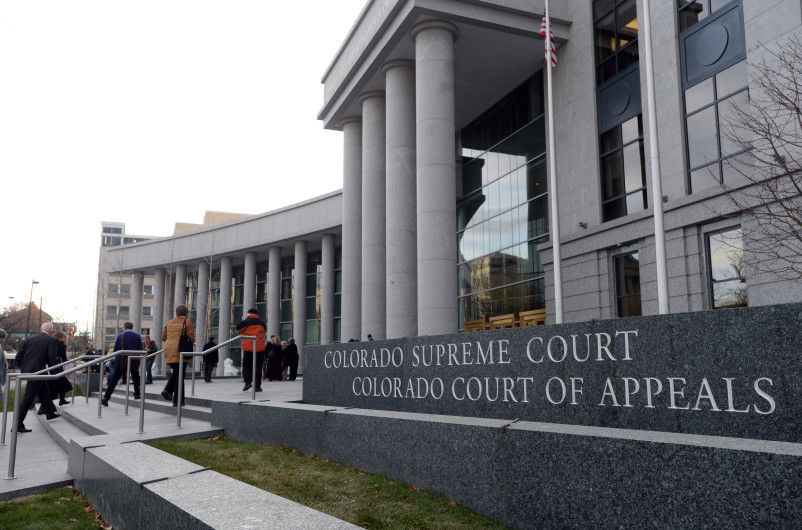
The Colorado Independent Ethics Commission, under fire from open records advocates over its attempt to write its own open records rules, decided Monday to delay a decision on those rules, in part because of objections from the public.
And after hearing from transparency advocates, including the organization that wrote the law creating the commission, one commissioner said he didn’t understand why the proposed rules are so controversial.
The commission decided last month to write its own version of the open records rules, claiming among other things, that it could decide what format in which to provide public records, in direct opposition to a 2017 law that said the person requesting the records could make that determination.
The commission claims that it is not subject to the open records law because it is housed in the Judicial Department, which is also not subject to the open records law. The IEC has been located in the Judicial Department since 2010. Before that, the commission was under the Colorado Department of Personnel and Administration. In both places, the commission has abided by and responded as prescribed by law to open records requests, including requests filed by this reporter over the years.
The Colorado Supreme Court disputes the commission’s claim that it is not subject to the law. In its 2015 rule-making on access to administrative records, the state high court pointed out the the Judicial Branch “does not include the Judicial Discipline Commission, Independent Ethics Commission, or the Independent Office of the Child Protection Ombudsman.”
The commission has been sued multiple times, and lost at least twice, when it has decided it doesn’t have to obey the state’s open records laws.
Newspapers around the state have published editorials in recent weeks critical of the commission’s rules, including the Boulder Daily Camera, which wrote that “[e]thics are defined as a system of moral principles. One of Colorado’s moral principles is that government records should be accessible to the public as provided in the Colorado Open Records Act. It is bizarre that an entity invented to defend the state’s moral principles would try to exempt itself from one of the most important.”
Also blasting the commission: Colorado Common Cause, which helped write Amendment 41, which set up the state’s ethics law and the commission. Executive Director Elena Nunez, in a Jan. 31 letter, wrote that the commission “does not have the authority to adopt these rules, and even if it did, the rules are not good public policy” and would violate the public’s trust.
And Peg Perl, who spent much of the last decade with Colorado Ethics Watch and monitoring the commission’s activities, wrote that the commission has followed the open records act for years, including responding to multiple open records requests. She also pointed out that in two lawsuits, both involving Ethics Watch, the commission asserted its rights under the open records act that it now purports to reject.
During a Monday hearing on the rules, Perl and others took the commission for task for its lack of transparency.
“The commission has basically defaulted to doing the least amount possible to comply with any open meetings or transparency laws,” Perl said. That includes reluctance to livestream or even record its meetings, despite having had the equipment to do so for at least two years. Meeting minutes are barebones, she indicated. “All of these things are not required by the law but are best practices for transparency and accessibility,” she said.
Perl encouraged the commission to be a model of transparency rather than “doing as little as possible.”
Jerry Raehal, CEO of the Colorado Press Association and also representing the Colorado Broadcasters Association, told the commission that “fundamentally, we believe you are subject to the open records act and should follow it.” Raehal pointed out that a Denver District Court has ruled that the commission is subject to CORA. But more than that, “it is simply bad public policy for individual government agencies to make their own rules for disclosure of public information. That your proposed rules makes provide less access to information than the plethora of other state agencies offends public sensibilities.”
“This seems to have generated a lot of controversy over something I thought was a non-controversial issue,” Commissioner Bill Leone, a former acting U.S. attorney, said. “I”m not sure what’s generating the controversy,” and said he needed more time on the issue to find out why people object to the proposed rules.
The commission decided that there was no hurry in making a decision and tabled the discussion for its March 5 meeting.


Colorado Politics Calendar Aug. 3-9
Rachael Wright, Special to Colorado Politics
rachael.wright@coloradopolitics.com
Updated 3 days ago
CoPo’s weekly political calendar will help you find political and public-policy events throughout Colorado. It includes candidate and issue campaign events, public policy meetings, court hearings, state and local party conventions, assemblies, debates, rallies, parades, speaking engagements, traveling dignitary appearances,...
The primary political reform and precondition for all others | SONDERMANN
Eric Sondermann
eric-sondermann@coloradopolitics.com
Updated 3 days ago
In its current state, the American political system has no end of ailments. Far too many factors accelerate polarization and work against moderation and narrowing the differences. Media, and the way so many citizens limit themselves to agreeable, reinforcing sources,...
Susemihl wins surprise victory to replace Steve Durham as Colorado Springs state senator | A LOOK BACK
Rachael Wright, Special to Colorado Politics
rachael.wright@coloradopolitics.com
Updated 3 days ago
Forty-five years ago this week: In a closed session, the vacancy committee for Colorado’s Senate District 12 selected attorney Peter Susemihl to complete Sen. Steve Durham’s, R-Colorado Springs, term. Durham resigned his seat to become Region 8 Director of the...

10th Circuit partially revives lawsuit over 2020 Denver protest injuries
Michael Karlik
michael.karlik@coloradopolitics.com
Updated 1 day ago
The Colorado-based federal appeals court revived a man’s claims against Denver on Friday after concluding a trial judge resolved the case in the city’s favor without analyzing two of the three instances of alleged excessive force and other constitutional violations....

At conservative summit, Colorado Republican leaders concede Democrats’ election edge
Marissa Ventrelli
marissa.ventrelli@coloradopolitics.com
Updated 8 hours ago
Four Republican state lawmakers told attendees at a gathering of conservative leaders on Friday they doubt their party can win statewide races, noting that Colorado’s electorate has been shifting toward Democrats but adding they see an opening in several pockets....
Federal judges find Colorado immigration judge violated several orders
Michael Karlik
michael.karlik@coloradopolitics.com
Updated 2 hours ago
Multiple federal judges in Colorado have freed people from immigration custody after determining that one immigration judge violated their directives for properly conducting bond hearings. For nearly a year, Colorado’s U.S. District Court has faced a flood of habeas corpus petitions...
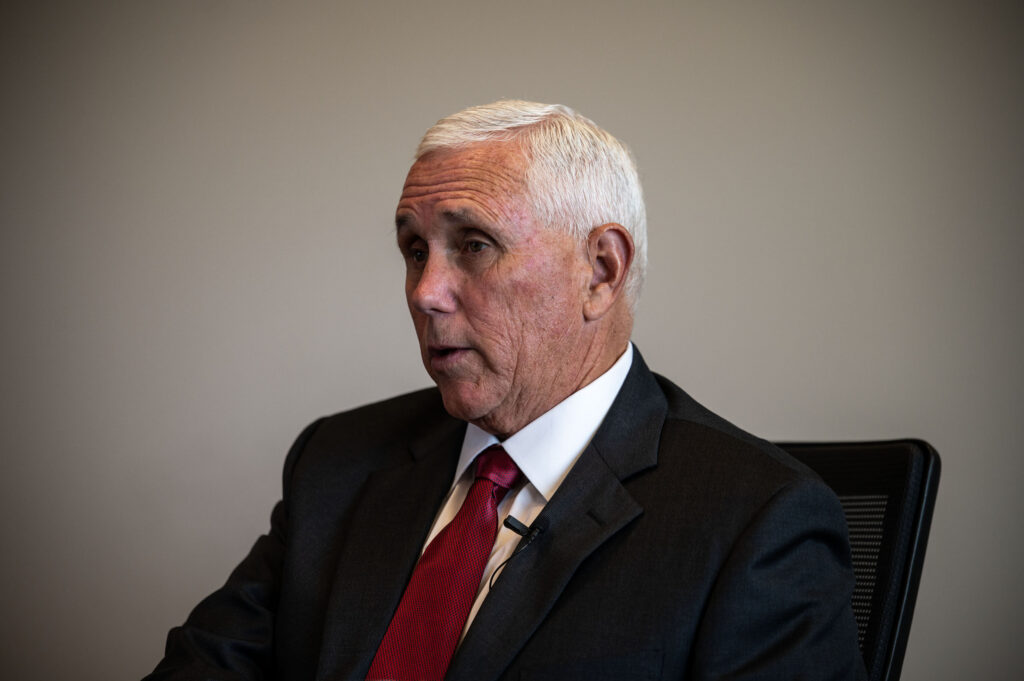
Q&A with Mike Pence | Former vice president says GOP’s populist turn from conservatism isn’t permanent
Ernest Luning
ernest.luning@coloradopolitics.com
Updated 6 hours ago
Former Vice President Mike Pence says he’s concerned that the Republican Party has taken a populist turn away from bedrock conservative principles during President Donald Trump’s second term, but he believes the party will return to its roots when Trump...
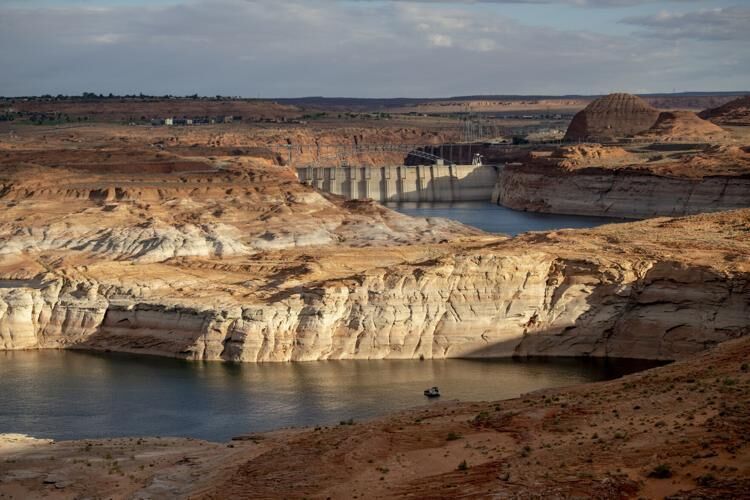
New federal plan sets short-term rules for Colorado River management
Marianne Goodland
marianne.goodland@coloradopolitics.com
Updated 1 day ago
Interior Department’s plan spares Colorado from mandatory cuts for now After years of stalled negotiations among the seven states that rely on the Colorado River, the federal government on Friday released its own plan for managing the drought-strained system. Calling...
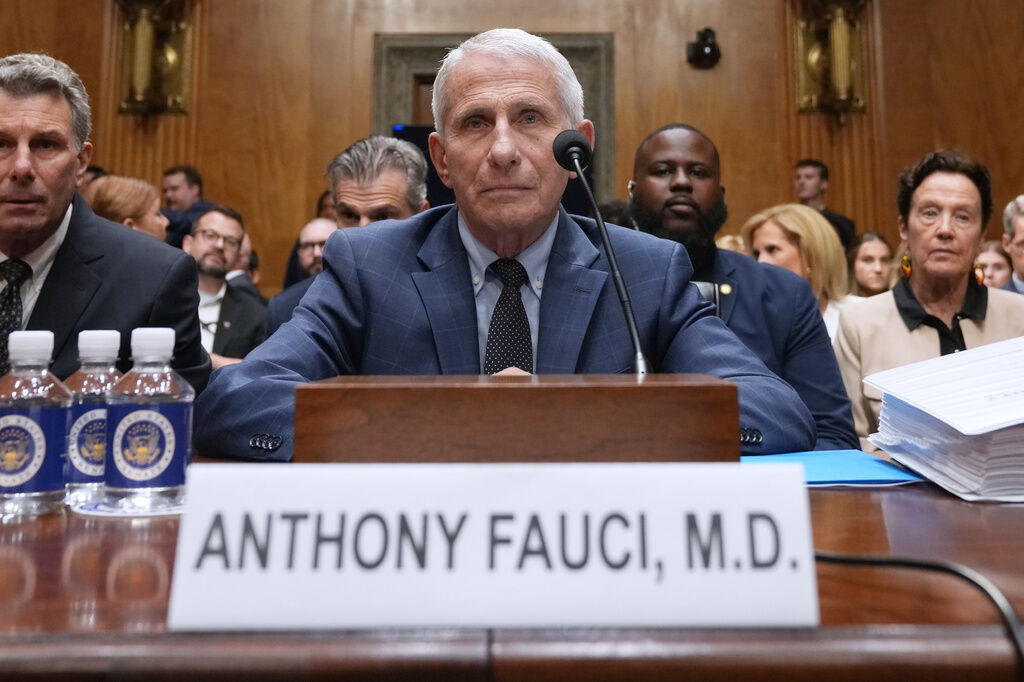
Fauci’s diary details blooming outrage toward ‘far right,’ softness toward Biden and China
Hudson Crozier
hudson.crozier@washingtonexaminer.com
Updated 1 day ago
Dr. Anthony Fauci increasingly railed against “far right” critics of his approach to COVID-19 issues while describing strong support from the Biden White House in his pandemic-era diary, which was recently released by Congress. The former National Institute of Allergy...
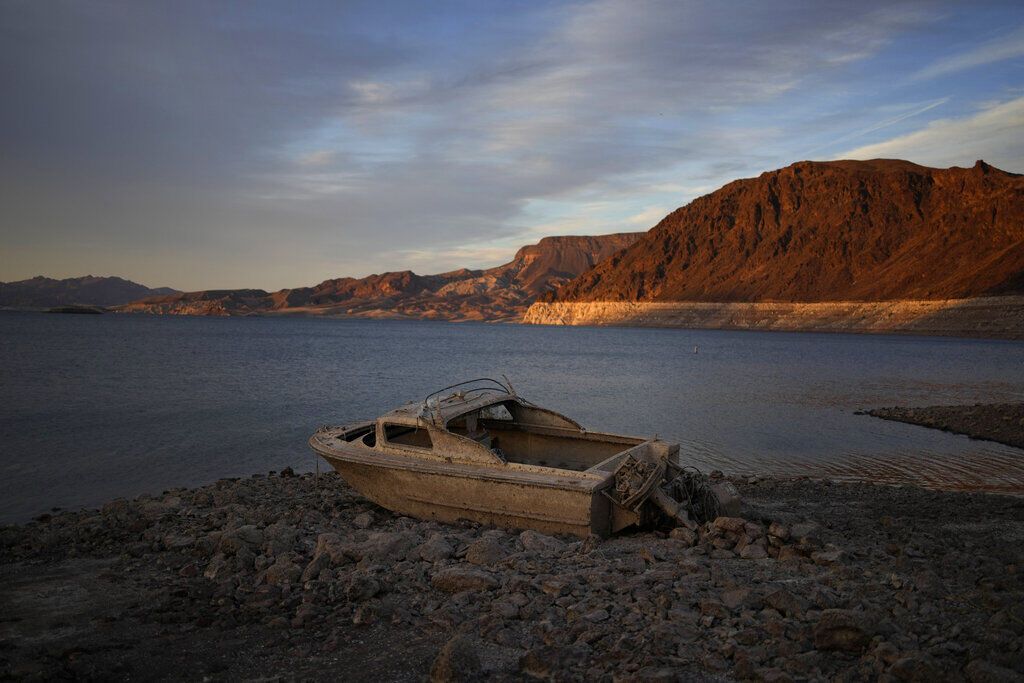
Colorado is spared mandatory cuts under federal Colorado River proposal
The Associated Press
the-associated-press@coloradopolitics.com
Updated 1 day ago
California, Arizona and Nevada to take less water under plan While Colorado has been spared from mandatory reductions, Arizona, California and Nevada would take less water from the Colorado River under a proposal announced Friday by the federal government to...
PREV
PREVIOUS

Colorado says new leader for state hospital coming soon
PUEBLO – The Colorado Department of Human Services says a new superintendent will soon be joining the state’s mental health hospital. The Pueblo Chieftain reported Sunday that the department has been looking for a new leader for the Colorado Mental Health Institute since former Superintendent Ron Hale resigned last June when the hospital was in […]

Colorado Dems, GOP playing politics over who should return 'tainted' donations
Play ball! That’s what’s going on in purple-state Colorado as Democrats and Republicans get in some spring training on “tainted” donations with November elections in mind. Monday the Colorado Democratic Party was shopping around a story about a new Super PAC called Fighting for Colorado based in Washington, D.C., and led by California GOP consultant […]