

Colorado lawmakers deconstruct budget for S. Metro Chamber
A panel of Republican and Democratic lawmakers talked about the problems of taxing, spending and TABOR Wednesday morning for the South Metro Denver Chamber of Commerce.
House Assistant Minority Leader Cole Wist laid out the plan GOP members are likely to run on next year: moving spending decisions away from a six-member Joint Budget Committee to a more hands-on legislative process. He and House Republican leader Patrick Neville, R-Castle Rock, initiated the idea that’s getting lots of consideration.
Democrats on the chamber panel, Rep. Leslie Herod, D-Denver, and Sen. Cheri Jahn, D-Wheat Ridge, said they would like to hear more. (So far and over several months, none of the legislative Democrats asked by Colorado Politics have expressed strong or any opposition to the idea. Stay tuned.)
They were joined by Sen. Jack Tate, R-Centennial, and Rep. Bob Rankin, R-Carbondale. Rankin was elected by his caucus to serve on the JBC. The other members were appointed by their caucus leadership.
The JBC delivers a budget to the legislature in April. This year it was about $28.5 billion. By that point, it’s usually a done deal, except for a few cursory amendments and other budget requests from the floor that only amount to partisan wishes.
Wist said there are 210 state department and agencies who want a slice of the budget pie, and it’s up to individual legislators to set the priorities and help hold the line of over-spending.
“I think you can put state departments and agencies in the category of weeds in your garden,” Wist said. “If you don’t tend to weeds they’re going to overtake the garden.”
He said Texas uses a two-year budget, and other states give all legislators a larger role in writing it than Colorado does.
Littleton City Councilman Phil Cernanec, who serves on the Denver Regional Council of Governments board, asked why transportation, a priority of the chamber, can’t get more state funding.
“It seems like if the state doesn’t come up with a solution, it seems the folks in the state will go to regional solutions, which will leave some areas of the state without enough,” he said.
Cernanec added, “That will leave the state overall wanting.”
Rankin fielded the question.
“My personal feeling is there is slack in the budget,” he said.
Rankin said the state treats roads a lot like it treats schools, sharing the cost with the federal government. Local communities chip in with local taxes.
“We really have to consider local versus state funding on both those issues,” Rankin said.
Legislators each talked about how the Taxpayer’s Bill of Rights affects government and services. Colorado voters passed the constitutional amendment in 1992 to use a formula of population growth and inflation to set a state spending cap. New taxes have to go to a vote of the people.
Republicans contend it holds government accountable and limits over-expansion without taxpayer say-so. Democrats say the state falls behind in planning because it can’t count on long-term investments or the ability to sock away money during economic good times. Once the state reaches the cap, it triggers a tax refund to balance the ledger.
Herod was asked by an audience member what the taxpayers get for a $28.5 billion budget.
“In my opinion they’re getting a broken education system,” she replied. “They’re getting a crumbling transportation infrastructure. They’re getting human services that are not really workin for many people, and all those issues are a big problem – our higher education system, my God, we could talk all day about how underfunded higher education is.”
She said the state will continue to have problems with what it can and can’t fund.
Herod liked Wist’s proposal of having more hands-on budgeting for lawmakers, and she commended the Joint Budget Committee for looking at evidence-based results to determine what should no longer be funded.
“But we’ve got a lot more to do,” she said.
South Metro Denver Chamber chairwoman Michele McKinney, who is the assistant vice president for external relations and advocacy for the University of Colorado system, asked why the state’s growth, under TABOR, doesn’t allow for investments to keep up with that growth.
Rankin said the spending cap does allow for growth.
“TABOR is not an issue for the foreseeable future,” he said.
Tate said maybe the solution is “creating more taxpayers to collect more taxes.”
He said government, on the other had, “never cuts itself.”
Tate said that by restraining taxes, it benefits spending and the economy, which creates more jobs and with more businesses paying in.
“We should not discount the possibility that we’re as vibrant a state and economy as we are because of TABOR,” he said.
Jahn said there are portions of TABOR that everyone supports. She said that when the recession ended and the economy started growing again, taxpayers got a refund. She cited about $14 for the year.
“That’s money that could have been used for transportation,” she said. “In Colorado, we don’t have a bucket – a designated pot – for transportation funding. That is the problem.”
She said it sounds great that voters decide, but Republicans in the legislature last session killed a bill that would have put a sales tax on the ballot to pay for transportation.


National House Democrats add Colorado seats held by Lauren Boebert, Jeff Hurd to target list
Ernest Luning
ernest.luning@coloradopolitics.com
Updated 57 seconds ago
The national House Democrats’ campaign arm on Wednesday added the Colorado congressional district held by Republican U.S. Reps. Jeff Hurd and Lauren Boebert to the list of targeted seats the party believes are vulnerable in this year’s midterms. The Democratic...
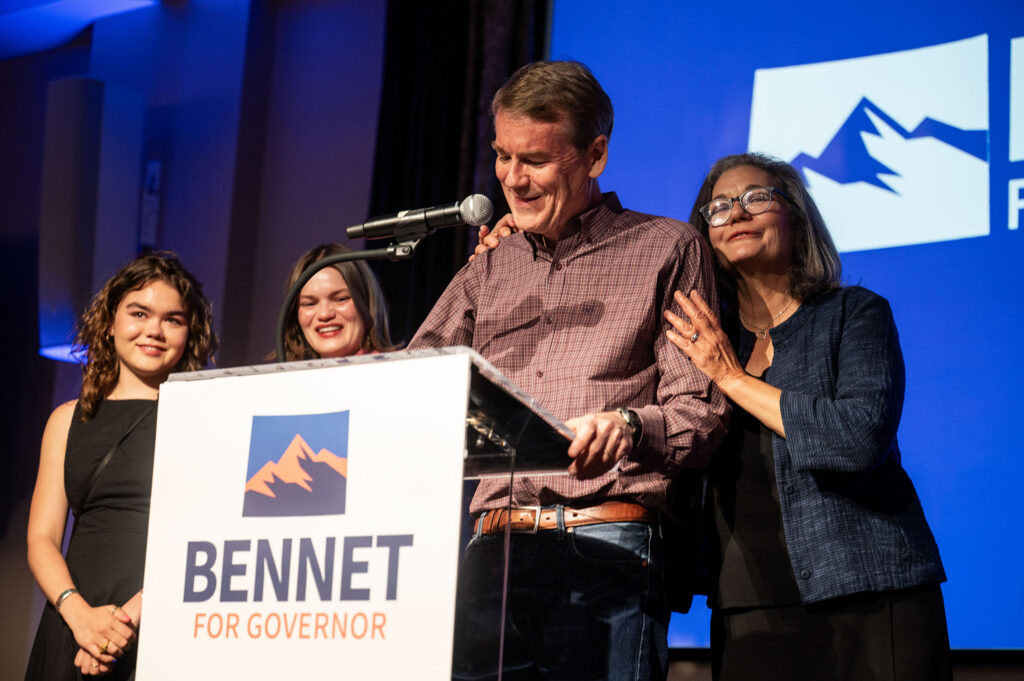
U.S. Sen. Michael Bennet settles campaign finance complaints, admits violating state law
Marianne Goodland
marianne.goodland@coloradopolitics.com
Updated 48 minutes ago
U.S. Sen. Michael Bennet’s gubernatorial campaign has agreed to pay a $7,433 fine for using his U.S. Senate campaign account to pay for gubernatorial travel expenses. The July 31 settlement includes an admission by Bennet and his campaign that they...

Colorado to implement new laws on jail standards, safe haven rules, and agricultural labeling
Marissa Ventrelli
marissa.ventrelli@coloradopolitics.com
Updated 1 hour ago
In mid-August every year, a slew of recently passed laws in Colorado go into effect 90 days after the end of the legislative session. This year, all bills without a specified effective date or safety clause — a provision stating...

Colorado records 17th wolf death as CPW kills yearling tied to livestock losses
Marianne Goodland
marianne.goodland@coloradopolitics.com
Updated 2 hours ago
A yearling male wolf in Grand County has become the 17th wolf to die in Colorado in the past two years. Colorado Parks and Wildlife announced the wolf was killed by staff on Aug. 4, because it was believed responsible...
Parole, appeals deadlines and restitution: Colorado justices accept cases
Michael Karlik
michael.karlik@coloradopolitics.com
Updated 18 hours ago
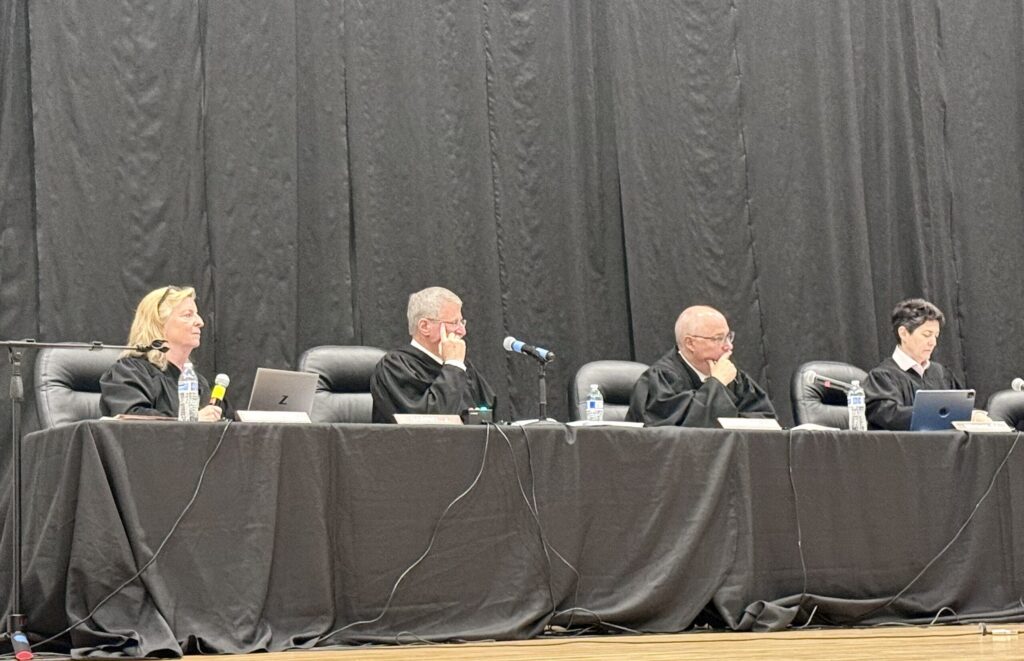
The Colorado Supreme Court announced on Monday that it will determine how a defendant’s parole-eligibility date should be calculated in instances where a new trial results in a sentence being imposed retroactively to the date of the original, since-overturned sentence....

Douglas County approves $7.5 million for Gold Crown Field House in Castle Rock
Nicholas Fogleman
nicholas.fogleman@denvergazette.com
Updated 3 hours ago
The Douglas County Board of Commissioners approved a $7.5 million funding agreement Tuesday to help build a new indoor sports facility in Castle Rock. The facility is the result of a partnership between the county, the Town of Castle Rock...
Federal judge rejects DOJ bid to force Colorado to hand over voter information
Marissa Ventrelli
marissa.ventrelli@coloradopolitics.com
Updated 22 hours ago
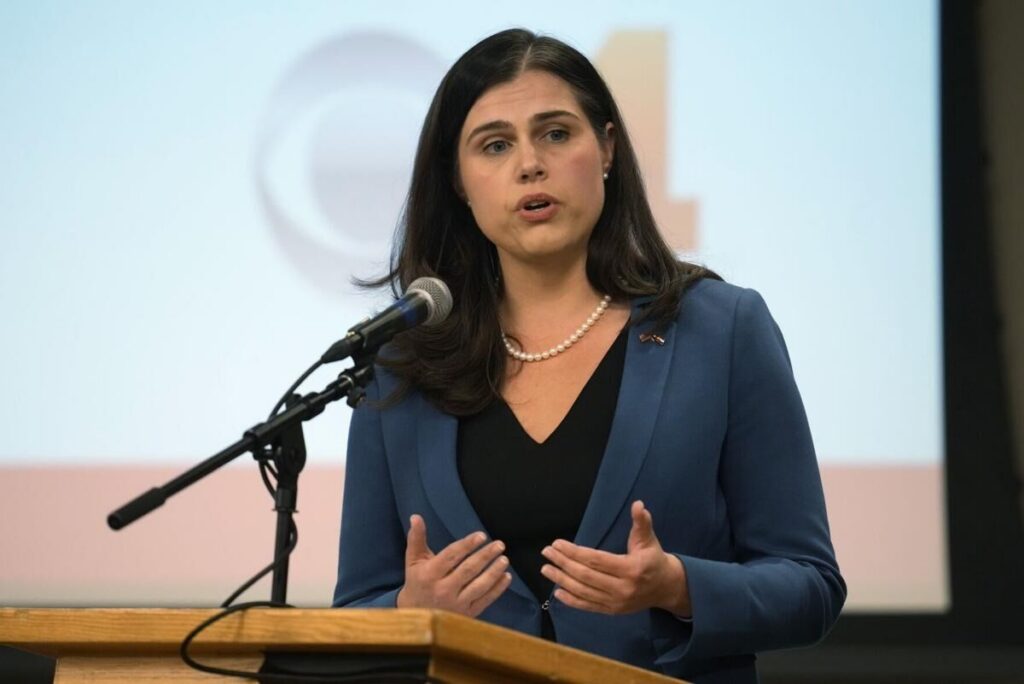
A U.S. district court judge has dismissed a lawsuit filed by the U.S. Department of Justice against Colorado Secretary of State Jena Griswold for refusing to provide the agency with personal voter information. Last December, the DOJ’s Civil Rights Division asked...
Democratic states warn Supreme Court that Trump mail ballot order would cause chaos ahead of midterm elections
Jack Birle
jack-birle@coloradopolitics.com
Updated 1 day ago
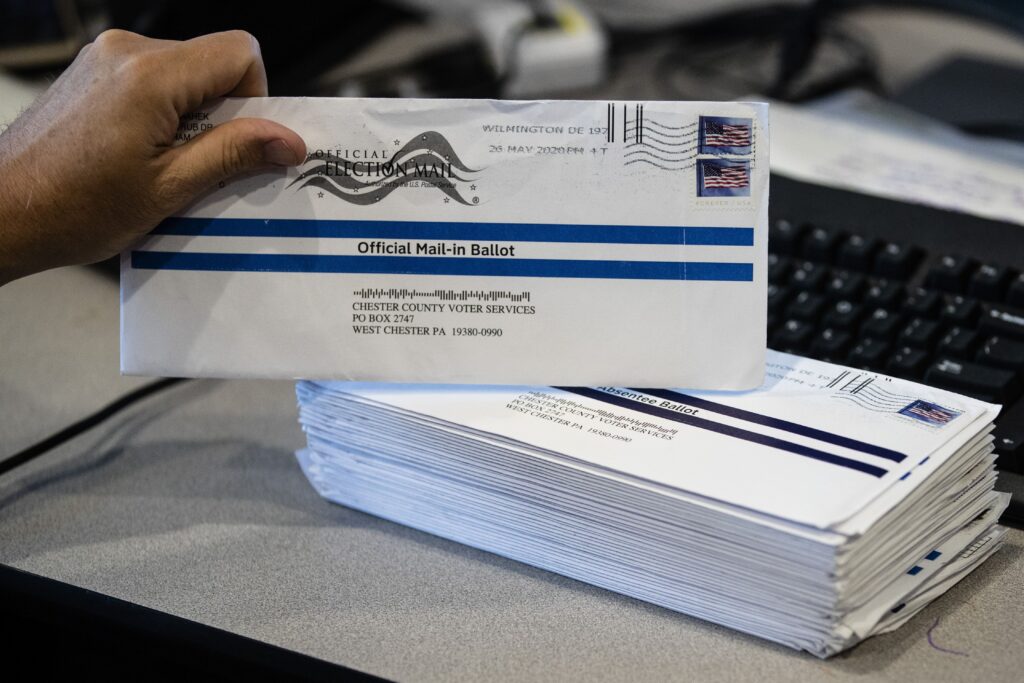
A coalition of Democrat-led states warned the Supreme Court this week that lifting a block on President Donald Trump’s mail-voting executive order would cause “extreme” changes as states prepare to send out ballots for the midterm elections. The group of...

Trump’s lopsided losing record on ICE mandatory detention masks a closer legal fight
Kaelan Deese
kaelan-deese@coloradopolitics.com
Updated 1 day ago
The Trump administration’s 6-2 losing record in appeals courts over its mandatory immigration detention policy looks like an overwhelming streak of losses. However, a closer examination of the judges behind those decisions suggests the policy may be less legally doomed...
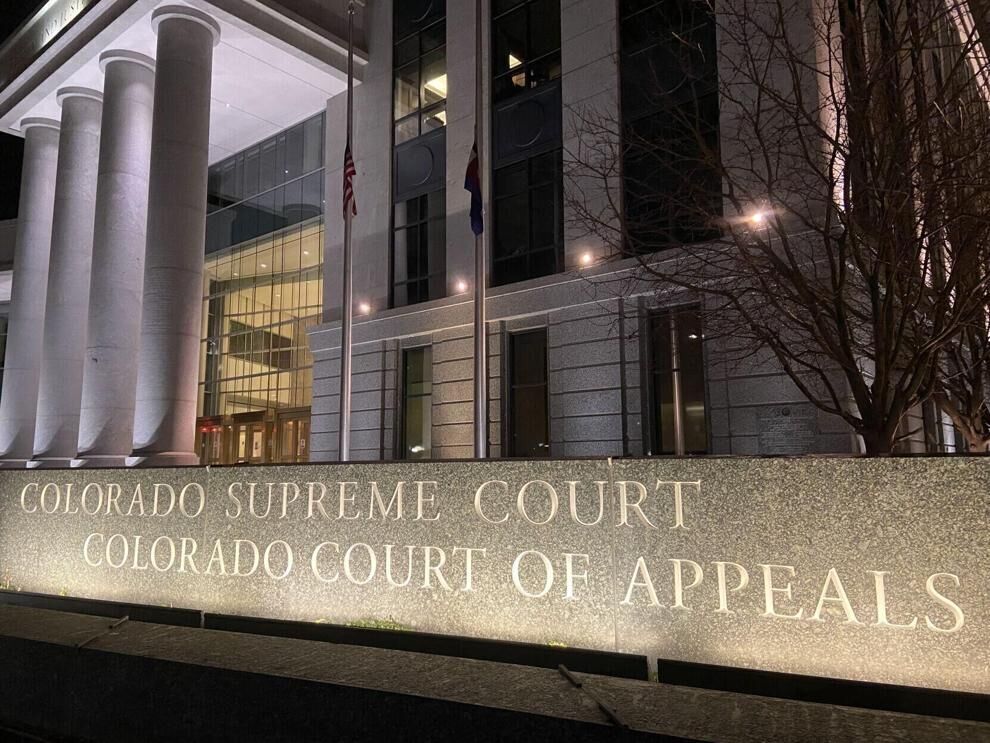
3 Colorado judges receive unfavorable retention recommendation as one performance commission violates rules
Michael Karlik
michael.karlik@coloradopolitics.com
Updated 1 day ago
Of the 123 Colorado judges standing for retention on the November ballot, citizen-led performance commissions found that three did not meet the required performance standards. However, in an unprecedented move, the commission charged with evaluating Supreme Court and Court of...
PREV
PREVIOUS
Democratic Sens. Michael Bennet, Tim Kaine unveil bill to create 'Medicare-X,' a public-option health plan
U.S. Sens. Michael Bennet of Colorado and Tim Kaine of Virginia, both Democrats, on Tuesday introduced legislation to create a government-run health insurance plan that would eventually allow anyone to buy coverage under Medicare, the federal program that covers the elderly. “This bill creates a true public option, which I believe we should have passed […]

Fundraising for school board candidates show lopsided differences in Jeffco, DPS
JEFFERSON COUNTY In Jeffco, school board candidate fundraising appears to be a tale of the haves and have nots. Two of the three incumbents on the school district’s board of education have out-raised their opponents by margins of at least 15 to 1. The third incumbent, board chair Ron Mitchell, raised almost $33,000 through last Friday, […]