

Denver archbishop hails U.S. Supreme Court’s ‘welcome surprise’
Whatever the implications of last month’s U.S. Supreme Court ruling in Trinity Lutheran v. Comer for a pending challenge of a school-voucher program in Douglas County, Denver’s influential Roman Catholic Archbishop Samuel J. Aquila sees the development as great news for religious freedom in general. That’s the upshot of a piece he penned last week for the Denver Archdiocese’s website.
The nation’s highest court had ruled June 26 in the Trinity case that a church could not be excluded from a Missouri state grant program that funds playgrounds for charitable organizations. A day later, the court ordered Colorado’s Supreme Court to take another look at the Douglas County case. The state court had halted the voucher program two years earlier on the grounds that the state constitution included “broad, unequivocal language forbidding the State from using public money to fund religious schools.”
Supporters of the stalled voucher program have taken heart at the latest development. They now hope a rehearing could jump-start the effort to defray tuition at parochial and secular private schools for parents who opt out of public schools in the Douglas County School District.
Aquila’s column acknowledges the possibilities for DougCo schools but also focuses on the broader significance of the Trinity ruling and its rejection of a long-debated provision in both the Missouri and Colorado constitutions – and in the constitutions of most other states. The clauses date to the 19th century and now are widely viewed as having their origins in anti-Catholic and anti-immigrant sentiments of the time:
You might be thinking, “What does a playground have to do with religious freedom?” The details of the case are revealing. Trinity Lutheran Church Learning Center is a preschool located in Columbia, Missouri that wanted to improve the safety of its playground, which consisted of gravel and grass. It applied in 2012 to a state program that provides grants to buy shredded, recycled tires and was rejected because it is affiliated with a church.
That year there were 44 applicants to the program and based on its proposal Trinity Lutheran’s application was ranked fifth best. And yet, the state of Missouri disqualified the preschool, citing its Blaine Amendment. These anti-Catholic amendments were added to more than 30 state’s legal codes – including Colorado’s – in the late 1800s and early 1900s to prevent state funds from going to Catholic schools in favor of the Protestant-dominated public schools.
Aquila continues, offering an interesting glimpse at the nation’s, and Colorado’s, history:
The cultural force behind these amendments was the “Know-Nothing” movement, which fomented fear of Catholics as papal agents plotting to take over the country and immigrants as competitors for jobs. They earned their nickname by replying, “I know nothing,” when they were asked about their political beliefs. Among their objectives were to prevent Catholics and other immigrants from being elected for political office and denying them jobs in the private sector.
Read the archbishop’s full column for his views on the DougCo schools voucher case in light of the Trinity ruling; here’s the link again.


10th Circuit partially revives lawsuit over 2020 Denver protest injuries
Michael Karlik
michael.karlik@coloradopolitics.com
Updated 6 hours ago
The Colorado-based federal appeals court revived a man’s claims against Denver on Friday after concluding a trial judge resolved the case in the city’s favor without analyzing two of the three instances of alleged excessive force and other constitutional violations....
Federal judges find Colorado immigration judge violated several orders
Michael Karlik
michael.karlik@coloradopolitics.com
Updated 7 hours ago
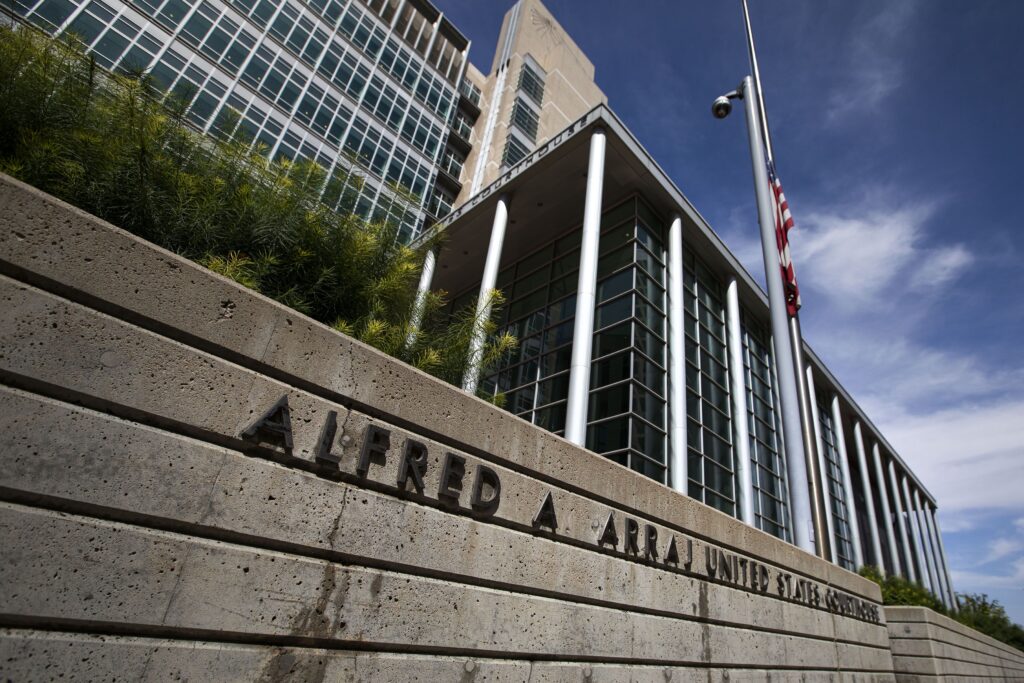
Multiple federal judges in Colorado have freed people from immigration custody after determining that one immigration judge violated their directives for properly conducting bond hearings. For nearly a year, Colorado’s U.S. District Court has faced a flood of “habeas corpus” petitions...
Q&A with Mike Pence | Former vice president says GOP’s populist turn from conservatism isn’t permanent
Ernest Luning
ernest.luning@coloradopolitics.com
Updated 7 hours ago
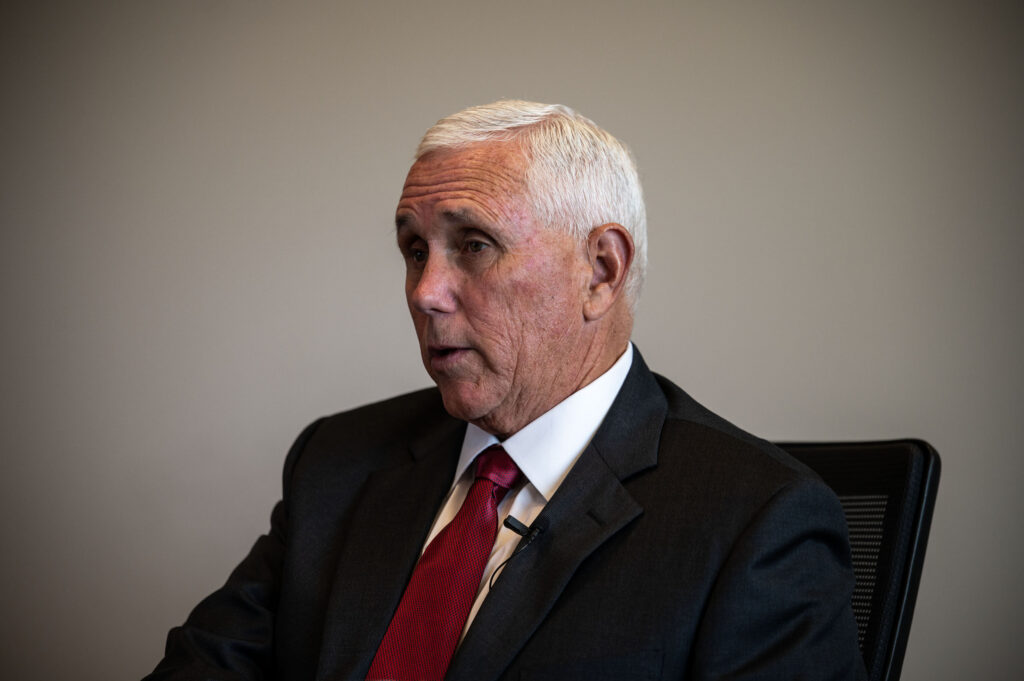
Former Vice President Mike Pence says he’s concerned that the Republican Party has taken a populist turn away from bedrock conservative principles during President Donald Trump’s second term, but he believes the party will return to its roots when Trump...
New federal plan sets short-term rules for Colorado River management
Marianne Goodland
marianne.goodland@coloradopolitics.com
Updated 6 hours ago
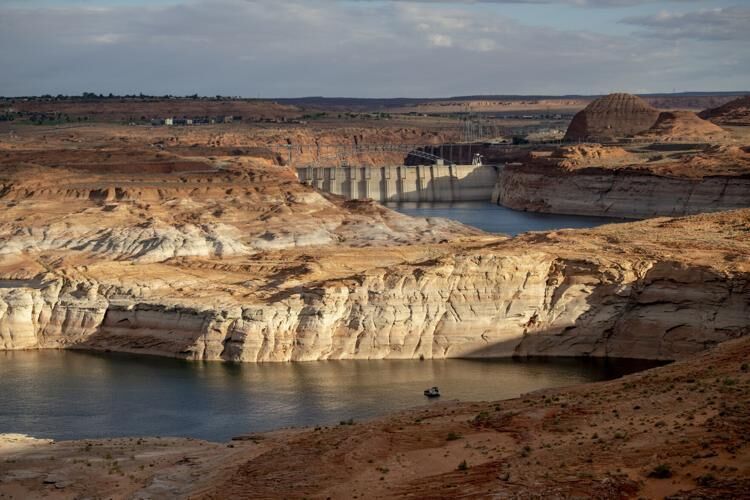
Interior Department’s plan spares Colorado from mandatory cuts for now After years of stalled negotiations among the seven states that rely on the Colorado River, the federal government on Friday released its own plan for managing the drought-strained system. Calling...
Fauci’s diary details blooming outrage toward ‘far right,’ softness toward Biden and China
Hudson Crozier
hudson.crozier@washingtonexaminer.com
Updated 11 hours ago
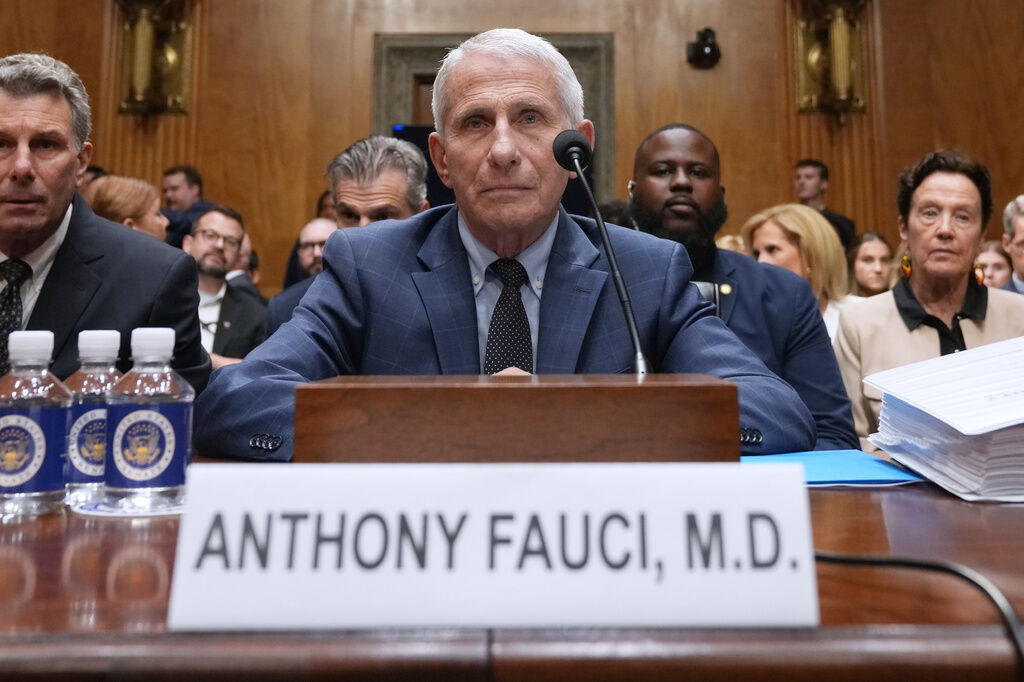
Dr. Anthony Fauci increasingly railed against “far right” critics of his approach to COVID-19 issues while describing strong support from the Biden White House in his pandemic-era diary, which was recently released by Congress. The former National Institute of Allergy...

Colorado is spared mandatory cuts under federal Colorado River proposal
The Associated Press
the-associated-press@coloradopolitics.com
Updated 12 hours ago
California, Arizona and Nevada to take less water under plan While Colorado has been spared from mandatory reductions, Arizona, California and Nevada would take less water from the Colorado River under a proposal announced Friday by the federal government to...

Republican Victor Marx taps George Markert as his lieutenant governor pick in Colorado’s gubernatorial race
Ernest Luning
ernest.luning@coloradopolitics.com
Updated 5 hours ago
Colorado Republican gubernatorial nominee Victor Marx named George Markert, a retired Marine colonel, as his running mate for lieutenant governor Friday morning, saying the former U.S. Senate candidate will bring “exceptional character, proven leadership and a lifetime of serving others”...
Pueblo mayor, council concoct Trumpian Texas Two-Step | Dennis Maes
Dennis Maes
dennis-maes@coloradopolitics.com
Updated 1 day ago
Several weeks ago, an article was published positing Pueblo Mayor Heather Graham is a disciple of the calamitous Donald Trump school of governance — specifically as it related to questionable ethical practices and the misuse of public funds. Recently, Graham...
Colorado can’t afford to turn its back on proven public safety technology | GUEST COLUMN
Colorado Politics
colorado-politics@coloradopolitics.com
Updated 1 day ago
By Samuel G. Michael I recently saw a report that said Colorado is leading the way in artificial intelligence adoption for businesses. Across our state, more business owners and employees than ever before use AI for their everyday functions —...

Misconduct complaints from ex-Colorado judicial discipline director dismissed against federal judges
Michael Karlik
michael.karlik@coloradopolitics.com
Updated 1 day ago
The administrative body for the Denver-based federal appeals court upheld a finding last week that misconduct complaints against Colorado’s chief federal trial judge and the chief appeals judge warranted dismissal and appeared to be a “litigation tactic” by the complaining...