

Tipton reintroduces small bank regulatory relief bill
For a second straight year, U.S. Rep. Scott Tipton, R-CO3, has introduced the Taking Account of Institutions with Low Operation Risk (TAILOR) Act, a bill that would ease regulatory compliance for smaller community banks and credit unions.
While a Congressional Budget Office estimate last year pegged Tipton’s bill as costing an estimated $20 million, Tipton said by requiring federal regulatory agencies to tailor regulations to fit the business model and risk profile of institutions instead of imposing one-size-fits-all mandates across the board, HR1116 would allow community banks and credit unions to focus more of their resources on providing services to customers and growing their businesses. The bill would also free up resources for federal regulators to better focus oversight efforts on higher risk institutions, he added in a news release.
“Under Dodd-Frank rules, banks and credit unions are currently regulated under a one-size-fits-all approach regardless of size or risk profile. As a result, regulations designed and intended for big banks are also applied to small community and independent banks or credit unions,” Tipton said in the release. “The compliance costs associated with these one-size-fits-all mandates are often unworkable for small community banks, which often don’t have the employees or resources to meet the compliance obligations.”
Tipton added that regulations play an important role in keeping communities safe and secure, but they should be tailored to meet the risk profile and business model of specific institutions. The TAILOR Act would allow federal regulators to better focus their oversight efforts, he said, and allow small banks and credit unions to focus their time and assets on investing in their communities, helping to generate economic growth and job opportunities.
In another news release, American Bankers Association Executive Vice President James Ballentine said Tipton’s bill would help address “the huge flow of new regulations that have made it more difficult for banks to meet the needs of consumers and small businesses as well as local and regional economies. Regulators should be empowered – and directed – to make sure that rules, regulations and compliance burdens only apply to segments of the industry where warranted.”
On a 34-22 vote, the TAILOR Act received support from a bipartisan group of 112 U.S. Representatives in the 114th Congress. The bill was approved by the House Financial Services Committee twice in 2016 and was again referred to that committee this year.
The Congressional Budget Office report to the committee last year that estimated Tipton’s bill would increasedirect spending by $20 million in 2017, also said that spending over the 2017-2026 period would be “insignificant.” The office estimated that enacting the bill would reduce revenues by $24 millionover that same period.
Reviewing rules issued by the U.S. Securities Exchange Commission and the Commodity Futures Trading Commission would cost $10 million over the 2017-2021 period, subject to available appropriated funds, while enacting the legislation would not increase net direct spending or on-budget deficits by more than $5 billion in any of four consecutive 10-year periods beginning in 2027.


Internal poll finds Phil Weiser leading Michael Bennet in Colorado’s Democratic gubernatorial primary
Ernest Luning
ernest.luning@coloradopolitics.com
Updated 26 minutes ago
Attorney General Phil Weiser holds a lead over U.S. Sen. Michael Bennet among likely voters less than a week before ballots are due in Colorado’s Democratic gubernatorial primary, according to a new poll released Thursday by a group backing Weiser....
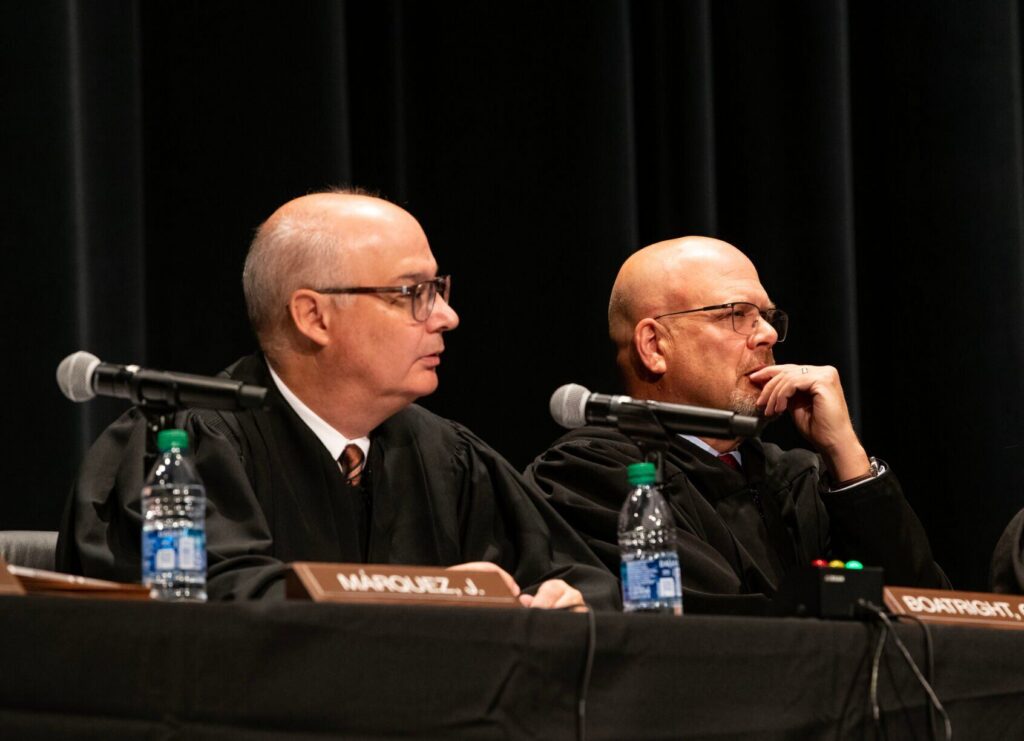
Colorado justices suggest father entitled to appeal of custody decision
Michael Karlik
michael.karlik@coloradopolitics.com
Updated 31 minutes ago
Members of the Colorado Supreme Court signaled strongly on Tuesday that a father deserved some avenue for challenging a temporary child custody order that no lower court believed it could review due to the unusual circumstances of the case. Because...
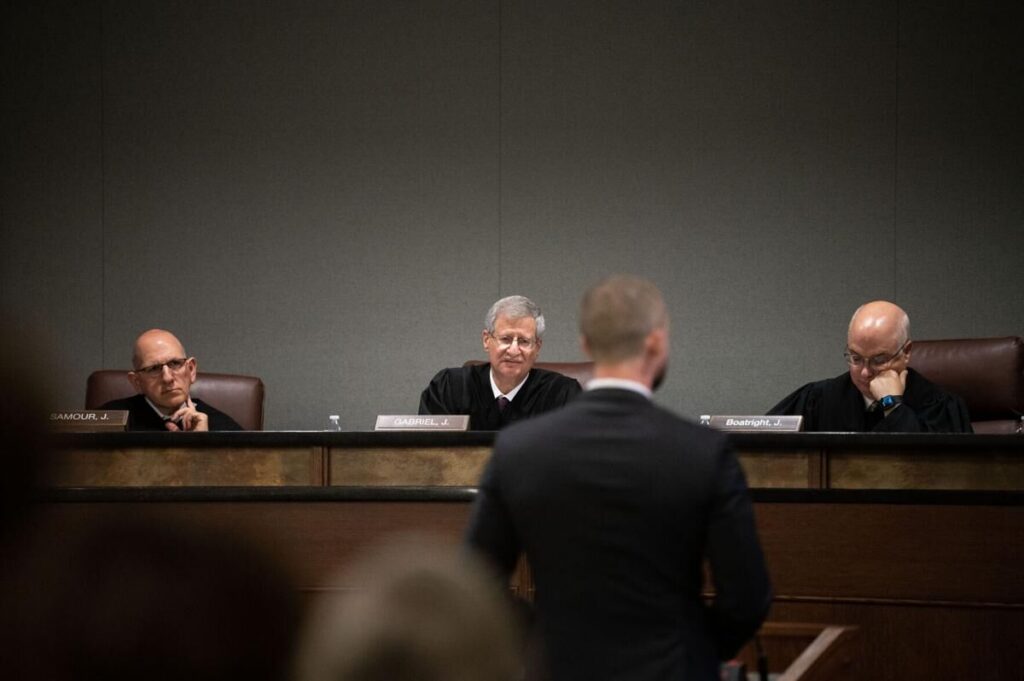
Colorado justices agree fraud claims belong in corporate dispute
Michael Karlik
michael.karlik@coloradopolitics.com
Updated 2 hours ago
The Colorado Supreme Court decided on Tuesday that a corporate plaintiff validly pursued fraud claims over conduct that was not covered by a contract or by a set of interrelated business agreements leading up to the contract. Previously, the Court...
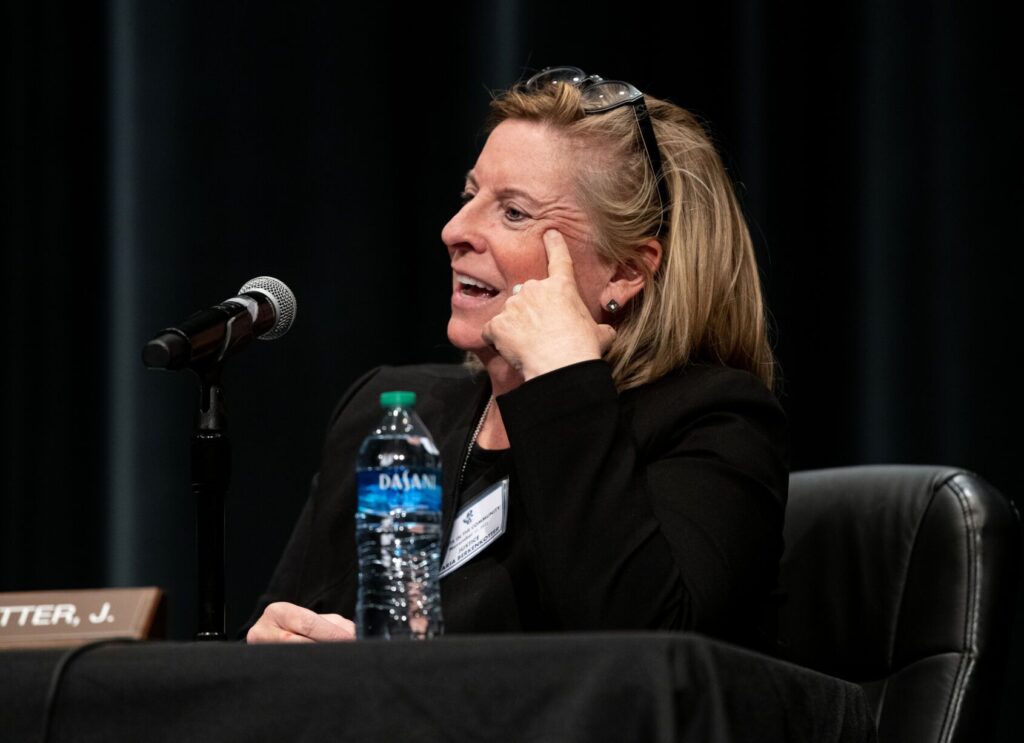
Colorado Supreme Court says intimate messages irrelevant to assault case
Michael Karlik
michael.karlik@coloradopolitics.com
Updated 4 hours ago
The Colorado Supreme Court decided on Tuesday that a Douglas County judge acted reasonably by blocking evidence of a defendant’s BDSM-related conversations with the victim in his trial for assault and false imprisonment. While the Court of Appeals believed that...

Postmaster general spars with Senate Democrats over mail-in ballot restrictions
Molly Parks
molly.parks@washingtonexaminer.com
Updated 4 hours ago
Senate Democrats sparred with Postmaster General David Steiner on Wednesday over the U.S. Postal Service’s move to stop delivering mail-in ballots in states that don’t hand over their voter rolls to the federal government. Steiner, who has stayed out of...

Douglas County water plan entering public review phase
Nicholas Fogleman
nicholas.fogleman@denvergazette.com
Updated 2 hours ago
After more than two years of formal work, Douglas County officials are moving into the public review phase of a countywide water plan they say will help guide future development and water resources through 2050. The Douglas County Water Commission...

Douglas County cracks down on illegal scooter, off-road vehicle use
Nicholas Fogleman
nicholas.fogleman@denvergazette.com
Updated 2 hours ago
Douglas County joined a growing list of local governments regulating electric scooters and motorcycles, setting standards and penalties for misuse. County commissioners approved an ordinance Tuesday regulating off-highway vehicles and low-powered scooters following broad community support and a presentation from...
Homeless recruits of ‘The Program’ say they were told to sign NDAs amid investigations in Colorado
David Migoya
david.migoya@gazette.com
Updated 22 hours ago
Several formerly homeless people — each drawn into an Aurora-based enterprise known as “The Program” that promised free housing and cash in return for letting a home-health business administer prescriptions they were given — said they were pressed into signing...
Homeless recruits of ‘The Program’ say they were told to sign NDAs amid investigations in Colorado
David Migoya
david.migoya@gazette.com
Updated 22 hours ago
Several formerly homeless people — each drawn into an Aurora-based enterprise known as “The Program” that promised free housing and cash in return for letting a home-health business administer prescriptions they were given — said they were pressed into signing...
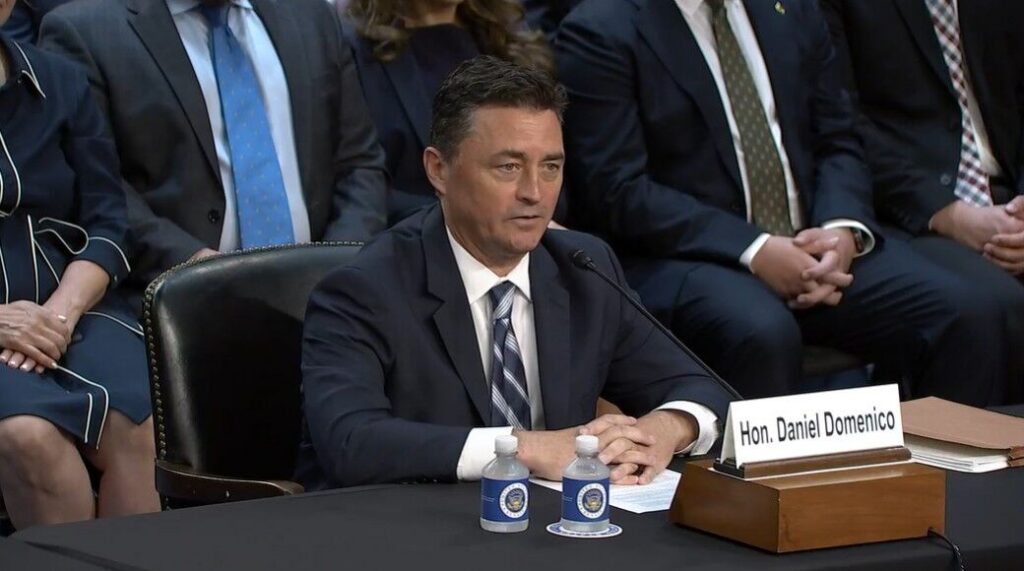
Trump’s 10th Circuit nominee declines to name 2020 election winner, defends immigration decisions
Michael Karlik
michael.karlik@coloradopolitics.com
Updated 5 hours ago
President Donald Trump’s nominee to the Denver-based federal appeals court declined to say who won the 2020 presidential election during his appearance before the U.S. Senate Judiciary Committee on Wednesday, and defended his recent rulings in immigration detention cases. U.S....