

Construction defect bill passes first test over objections from homebuilders
A bipartisan bill described as getting to the “heart” of the construction defect litigation issue saw widespread opposition Wednesday from the very groups it is intended to help.
The bill still passed the Senate Business, Labor and Technology Committee by a vote of 6-1, despite developers claiming that it would do little to spur development of condos and townhouses.
The lone “no” vote came from Sen. Cheri Jahn, D-Wheat Ridge.
Lawmakers who supported the legislation said they advanced it to keep the conversation going, but that it would take significant changes to push the measure across the finish line.
Senate Bill 45 aims at equitably dividing litigation defense costs. It has the potential to lower insurance rates, which would decrease costs for developers, potentially spurring development.
The measure is sponsored by legislative leaders on both sides of the aisle, including Senate President Kevin Grantham, R-Canon City, and House Speaker Crisanta Duran, D-Denver.
The leaders highlighted the measure in their opening day remarks, calling it a priority issue. Gov. John Hickenlooper, a Democrat, has also called for a solution.
But after the bill was introduced on the first day of the legislative session, homebuilders, subcontractors and their allies in the business community expressed skepticism, saying they were blindsided.
Duran maintains that the insurance bill addresses the most significant problem identified by homebuilders, despite the opposition.
“This is a meaningful factor into driving down the costs of insurance rates. That is where this entire conversation started as it relates to construction defect reform, and now I’m hearing other arguments,” Duran said.
Senate Republicans say the measure is only one step in the process. A separate more centerpiece defect bill has been introduced, which would require alternative dispute resolution before homeowners can file a lawsuit.
That bill, Senate Bill 156, would also require a homeowners association to obtain written approval from a majority of unit owners in order to move forward with a suit. Associations also would have to give notice to members of an intent to sue, along with disclosures around the estimated cost of a lawsuit.
But that effort faces an uncertain future in the Democratic-controlled House. Duran on Wednesday said she is interested in finding common ground on requiring a vote and informed consent.
In the meantime, legislative leaders are hopeful that they can move the needle with a bipartisan effort addressing the insurance aspect.
“Senate Bill 45 is a partial but surgical approach in this overall problem that we face …” Grantham said in presenting the bill on Wednesday. “It addresses a very narrow issue by putting some balance and fairness back into the allocation of defense costs. It’s not intended to be a panacea. But it stands on its own merits.”
The legislation would allow a judge to determine the allocation of defense costs, as opposed to a general contractor. Currently, when a general contractor or developer is sued for shoddy construction, they reach out to all the subcontractors and make a demand for how much the subcontractors need to contribute to assist with defense costs.
Subcontractors either agree to pay the percentage, or they disagree, which adds to the litigation, as the general contractor can sue subcontractors for not complying with the demand. Similarly, all the subcontractors can enter into litigation.
But the bill would not likely have an impact on the ultimate amount of the verdict, and there is no guarantee that it would curb lawsuits or lower insurance rates. In some cases, it might add additional layers of litigation.
Developers say the measure could actually “stifle, not support construction of attainable housing.” Opposition includes engineers, architects, builders, contractors and business interests, to name a few.
The Homeownership Opportunity Alliance also opposes the bill, which is a coalition of business leaders, builders and local elected officials who have led much of the defect talks.
“I cannot see how this bill will help my company or entice my company to work on condos,” said Scott Deering, representing the American Subcontractors Association. “I don’t think it addresses the underlining issues and concerns … I just don’t know that we’re addressing the right thing with this bill.”
Critics of the bill pointed out that while there was a long list of opposition to the measure, much of the support came from one industry – insurers.
“The people you’re trying to help, the people who want to build this product, are the ones here telling you this isn’t the right way to go about doing it,” said Scott Wilkinson, an attorney who represents builders in defect lawsuits.
But Kelly Campbell, with the Property Casualty Insurers Association of America, said the measure is about equity.
“We believe it helps support the insurance contract as it’s written, gets us back to that fairness and balance that exists, and more of a comparative negligence system,” Campbell said.
Homeowners groups also support Senate Bill 45, and had hoped that the insurance measure would have been the only bill in the defect reform effort this year. Homeowners fear taking away their right to sue in the event of shoddy construction.
Sen. Angela Williams, D-Denver, who is sponsoring the bill in the Senate with Grantham, characterized the measure as a first step. The issue has stalled in the legislature for at least four years.
“Our intent in offering this bill is that we change the conversation from one of grand compromise to taking incremental steps at solving the pieces of the construction defects puzzle,” Williams said. “A bipartisan group is still working on other parts.”

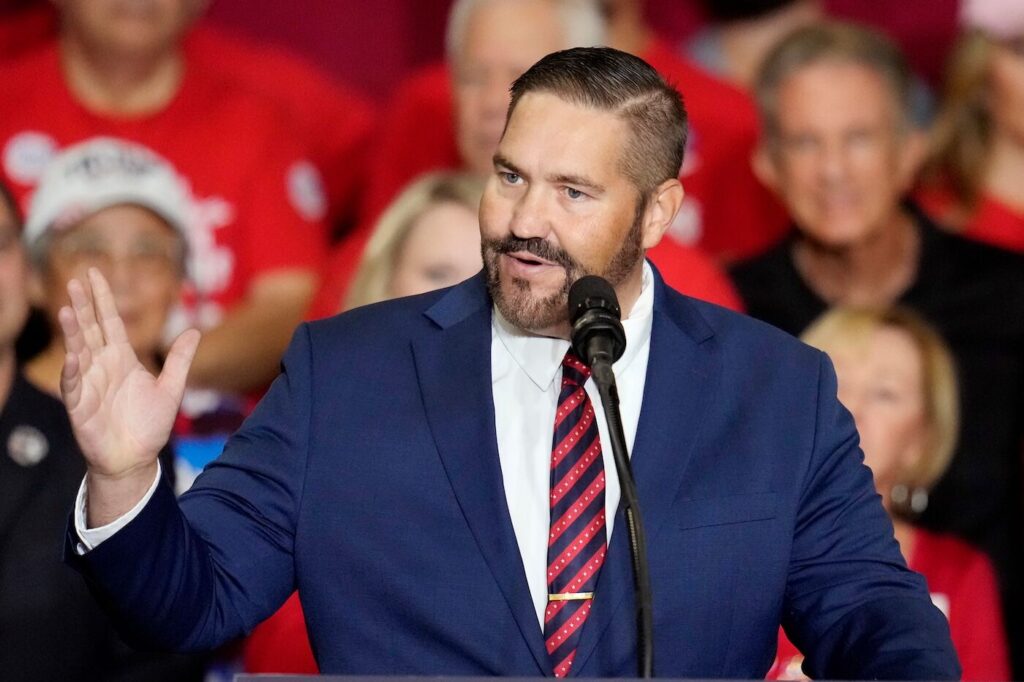
Top officials in Arizona’s Maricopa County agree on how to oversee elections | OUT WEST ROUNDUP
The Associated Press
the-associated-press@coloradopolitics.com
Updated 4 days ago
ARIZONA Officials agree on election oversight PHOENIX — Election officials in Arizona’s most populous county reached an agreement a week before the state’s July 21 primary on how to jointly oversee the vote, ending a prolonged legal battle. Republican Maricopa...

Colorado Politics Calendar Aug. 3-9
Rachael Wright, Special to Colorado Politics
rachael.wright@coloradopolitics.com
Updated 4 days ago
CoPo’s weekly political calendar will help you find political and public-policy events throughout Colorado. It includes candidate and issue campaign events, public policy meetings, court hearings, state and local party conventions, assemblies, debates, rallies, parades, speaking engagements, traveling dignitary appearances,...

The primary political reform and precondition for all others | SONDERMANN
Eric Sondermann
eric-sondermann@coloradopolitics.com
Updated 4 days ago
In its current state, the American political system has no end of ailments. Far too many factors accelerate polarization and work against moderation and narrowing the differences. Media, and the way so many citizens limit themselves to agreeable, reinforcing sources,...
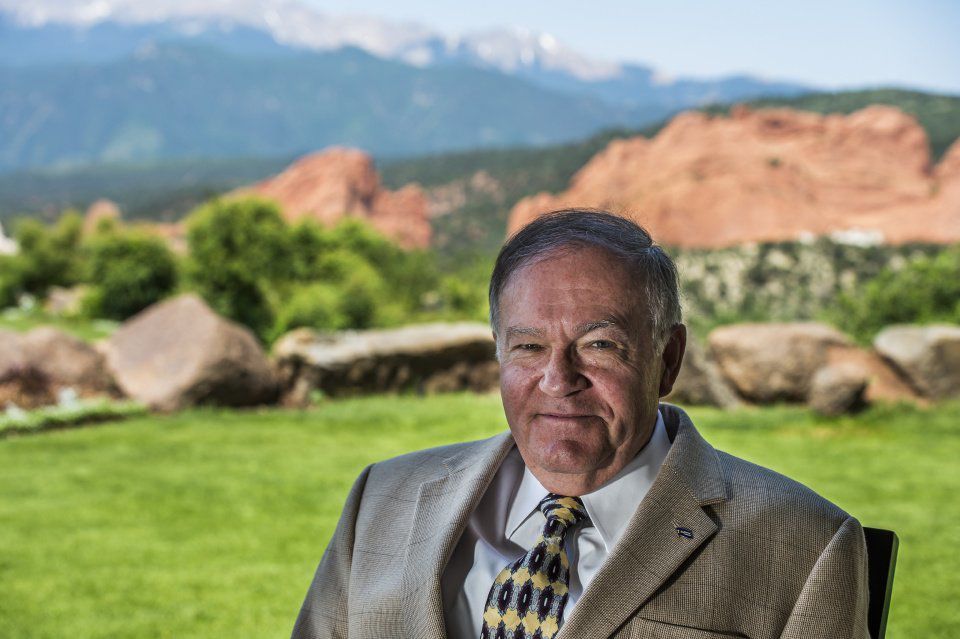
Susemihl wins surprise victory to replace Steve Durham as Colorado Springs state senator | A LOOK BACK
Rachael Wright, Special to Colorado Politics
rachael.wright@coloradopolitics.com
Updated 4 days ago
Forty-five years ago this week: In a closed session, the vacancy committee for Colorado’s Senate District 12 selected attorney Peter Susemihl to complete Sen. Steve Durham’s, R-Colorado Springs, term. Durham resigned his seat to become Region 8 Director of the...

10th Circuit partially revives lawsuit over 2020 Denver protest injuries
Michael Karlik
michael.karlik@coloradopolitics.com
Updated 2 days ago
The Colorado-based federal appeals court revived a man’s claims against Denver on Friday after concluding a trial judge resolved the case in the city’s favor without analyzing two of the three instances of alleged excessive force and other constitutional violations....

At conservative summit, Colorado Republican leaders concede Democrats’ election edge
Marissa Ventrelli
marissa.ventrelli@coloradopolitics.com
Updated 19 hours ago
Four Republican state lawmakers told attendees at a gathering of conservative leaders on Friday they doubt their party can win statewide races, noting that Colorado’s electorate has been shifting toward Democrats but adding they see an opening in several pockets....
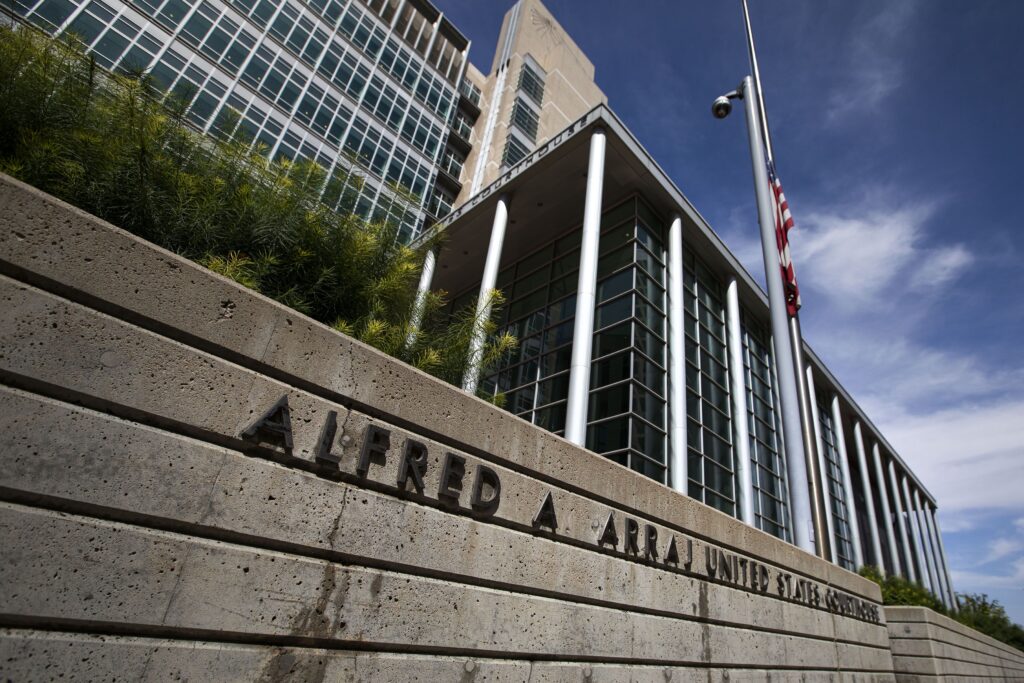
Federal judges find Colorado immigration judge violated several orders
Michael Karlik
michael.karlik@coloradopolitics.com
Updated 13 hours ago
Multiple federal judges in Colorado have freed people from immigration custody after determining that one immigration judge violated their directives for properly conducting bond hearings. For nearly a year, Colorado’s U.S. District Court has faced a flood of habeas corpus petitions...
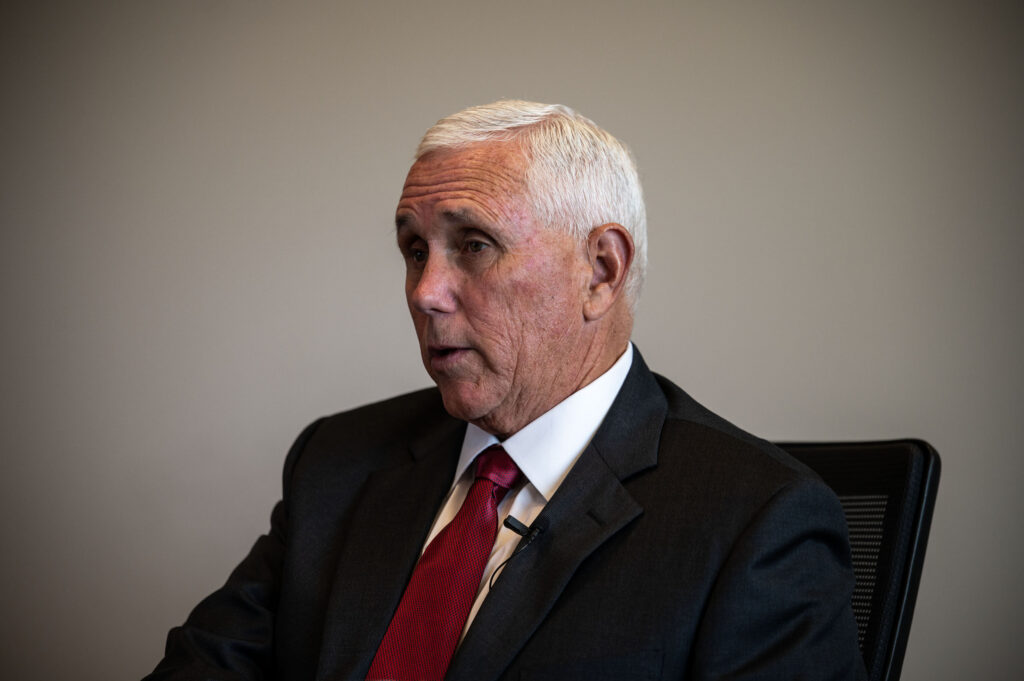
Q&A with Mike Pence | Former vice president says GOP’s populist turn from conservatism isn’t permanent
Ernest Luning
ernest.luning@coloradopolitics.com
Updated 17 hours ago
Former Vice President Mike Pence says he’s concerned that the Republican Party has taken a populist turn away from bedrock conservative principles during President Donald Trump’s second term, but he believes the party will return to its roots when Trump...

New federal plan sets short-term rules for Colorado River management
Marianne Goodland
marianne.goodland@coloradopolitics.com
Updated 2 days ago
Interior Department’s plan spares Colorado from mandatory cuts for now After years of stalled negotiations among the seven states that rely on the Colorado River, the federal government on Friday released its own plan for managing the drought-strained system. Calling...
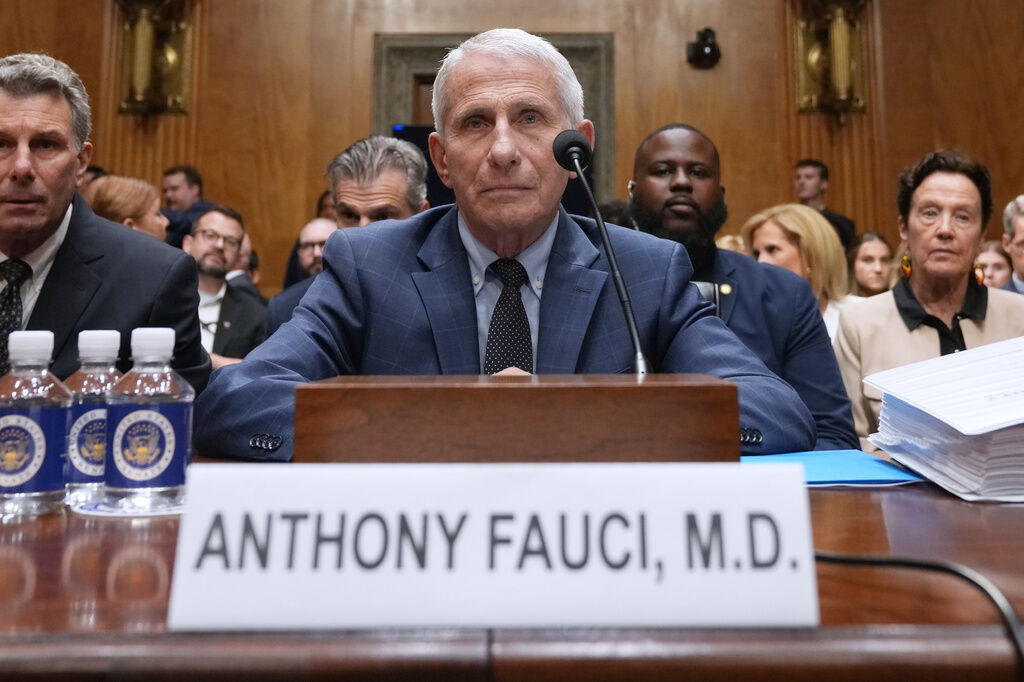
Fauci’s diary details blooming outrage toward ‘far right,’ softness toward Biden and China
Hudson Crozier
hudson.crozier@washingtonexaminer.com
Updated 2 days ago
Dr. Anthony Fauci increasingly railed against “far right” critics of his approach to COVID-19 issues while describing strong support from the Biden White House in his pandemic-era diary, which was recently released by Congress. The former National Institute of Allergy...