

On proposed Colorado death penalty repeal, some key questions
Elections
The opening will be gone in a flash. Elections season is barely behind us, but the next major legislative elections will be held in 2018 – or as the new old saying goes: “Two years is the new two weeks! Put down that coffee, fool, and start knocking doors!”
Guzman
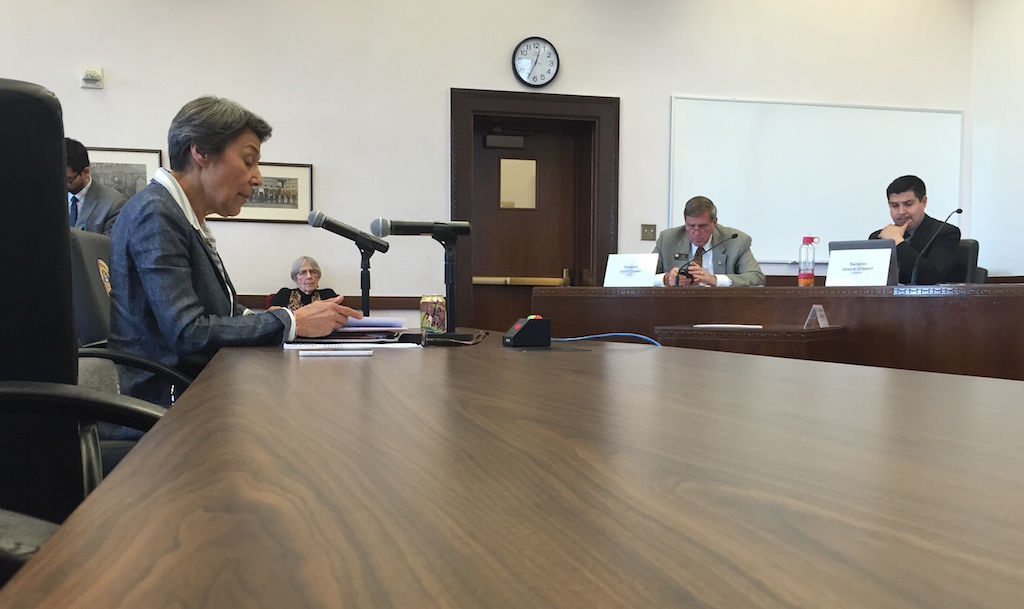
Guzman may be exactly the right figure to lead the effort. Chosen by her Democratic colleagues to head the Senate caucus for the second year in a row, Guzman derives her strength as a leader for the personal respect and affection she engenders on both sides of the aisle. She is praised by lawmakers for the thoughtful approach she brings to issues and has been lauded for working hard to fully consider opposing views. With Guzman leading the repeal effort, the conversation might get the kind of head start through which it could shed hours of calendar time that otherwise would be filled with posturing and point making.
Hickenlooper
When Hickenlooper won the governorship, he supported the death penalty. Then, in 2013, he was faced with signing off on the execution of convicted killer Nathan Dunlap. Hickenlooper was deeply conflicted. Ultimately, he granted Dunlap a reprieve, a move that drew harsh criticism as soft for the fact that it signaled his opposition to capital punishment as it is practiced today even as it left Dunlap subject to the leanings of the state’s next governor.
Fields
What about former Aurora state Rep. and freshman Democratic Sen. Rhonda Fields? Has Guzman won her over?
Fields is a dependably liberal lawmaker, but she has made repeat headlines for powerfully opposing efforts to repeal the death penalty in Colorado. Her opposition is passionate and articulate and tied to personal tragedy.
Two of the three inmates on death row in Colorado landed there for gunning down Fields’ son, Javad Marshall-Fields, and his fiance, Vivian Wolfe. The two were killed on a street corner to prevent Marshall-Fields from testifying in a gangland murder case.
Fields told Westword that the 2012 movement to repeal the death penalty felt like a “slap in the face.” She also noted that, in the wake of the chilling Aurora Theater massacre, the effort would send the wrong message to a shocked and reeling nation. “I think it’s an insult to crime victims,” she said. “I don’t think the timing is right.”
Priola, and frustrated Republicans
What about quiet Republican Senate support? Republicans control the upper chamber and can see to it through committee assignment that any progress the bill might win early on is halted long before it can make it to the floor for a vote.
But Guzman may have at least one like-minded colleague across the aisle and, who knows, careful negotiation might bring support from unexpected quarters.
Former Henderson state Rep. and freshman Sen. Kevin Priola, a devout Catholic, in 2012 joined with Democratic House colleagues to sponsor a death penalty repeal bill. Priola has won election after election in tough districts in tough years and last year won a top legislative race for carefully watched swing Senate District 25.
Other Republicans are deeply frustrated with the current state of the death penalty in Colorado.
Sen. Kevin Lundberg a Berthoud Republican, is one of the strong veteran conservatives in the chamber. Last year he ran a bill that echoed frustration felt in many corners of the state when James Holmes, the Aurora Theater shooter, received a life sentence without parole. His Senate Bill 64 aimed to eliminate the state requirement that 12 jurors unanimously agree to impose a death penalty. The bill died in committee. Guzman strongly opposed it.
But the bill clearly came from Lundberg’s heart. He told The Colorado Statesman after the hearing last year that the state’s death penalty system no longer functioned and had become policy in name only. “Is the death penalty in Colorado a reality or is it a fiction?” he said, shaking his head.
The current state of the death penalty is surely a continuing, if not gnawing, source of dissatisfaction for him. There was a sense in the way Lundberg talked about it that suggested he felt the state was not being straight with its residents. That would still be the case in his mind, given that nothing in regard to the policy has changed, and so it might be the kind of sentiment in which Guzman could find a door to open onto an alternate reality Colorado Senate that might advance her bill.


The relevance of Watergate more than a half-century later | SONDERMANN
By Eric Sondermann
by-eric-sondermann@coloradopolitics.com
Updated 3 days ago
It was the scandal for which all other scandals are now named. In June 1972, a small group of Cuban burglars with high-level connections broke into the headquarters of the Democratic National Committee. Those headquarters were located in the Watergate...

Wirth downplays Social Security disaster talk | A LOOK BACK
Rachael Wright, Special to Colorado Politics
rachael.wright@coloradopolitics.com
Updated 2 days ago
Forty-five years ago this week: “As time goes on,” said Democratic U.S. Rep. Tim Wirth, of the 2nd Congressional District, “we are finding that the safety net, which was proposed earlier this year, has some very large holes in it,”...
Colorado Politics Calendar Aug. 10-16
Rachael Wright, Special to Colorado Politics
rachael.wright@coloradopolitics.com
Updated 2 days ago
CoPo’s weekly political calendar will help you find political and public-policy events throughout Colorado. It includes candidate and issue campaign events, public policy meetings, court hearings, state and local party conventions, assemblies, debates, rallies, parades, speaking engagements, traveling dignitary appearances,...

Democratic group aims Spanish-language TV ad at Gabe Evans in Colorado’s battleground 8th CD
Ernest Luning
ernest.luning@coloradopolitics.com
Updated 13 hours ago
A national group tied to House Democratic leadership launched a six-figure Spanish-language TV ad in Colorado this week targeting Republican U.S. Rep. Gabe Evans and the GOP’s signature budget legislation. The 30-second spot is part of $15 million in new...

Colorado School of Mines lands major share in Trump’s $100M mining-education plan
Thelma Grimes
thelma.grimes@coloradopolitics.com
Updated 15 hours ago
President Donald Trump on Friday named the Colorado School of Mines among roughly a dozen institutions that will share in a $100 million commitment “to train the next generation of American miners.” Paul Johnson, the university’s president, said he is...

Local party leaders, incoming judge among members of judicial performance commission that violated law
Michael Karlik
michael.karlik@coloradopolitics.com
Updated 15 hours ago
A local Democratic leader and 2024 presidential elector. A legislative aide and leader in the Young Republicans. An incoming county court judge freshly appointed by the governor. They are among the eight members of the northeastern Colorado judicial performance commission...

Judge dismisses lawsuit seeking records from Colorado Democratic group
Marianne Goodland
marianne.goodland@coloradopolitics.com
Updated 16 hours ago
A lawsuit seeking to obtain records from Democratic lawmakers affiliated with a caucus has been thrown out by a Denver District Court judge. On July 17, Judge Ericka Englert dismissed the April lawsuit filed by progressive activist Derrick Blanton, who...
DOJ official decries ‘nonsense’ in Jeffco schools at fundraising gala
Matt Kyle
matt.kyle@denvergazette.com
Updated 20 hours ago
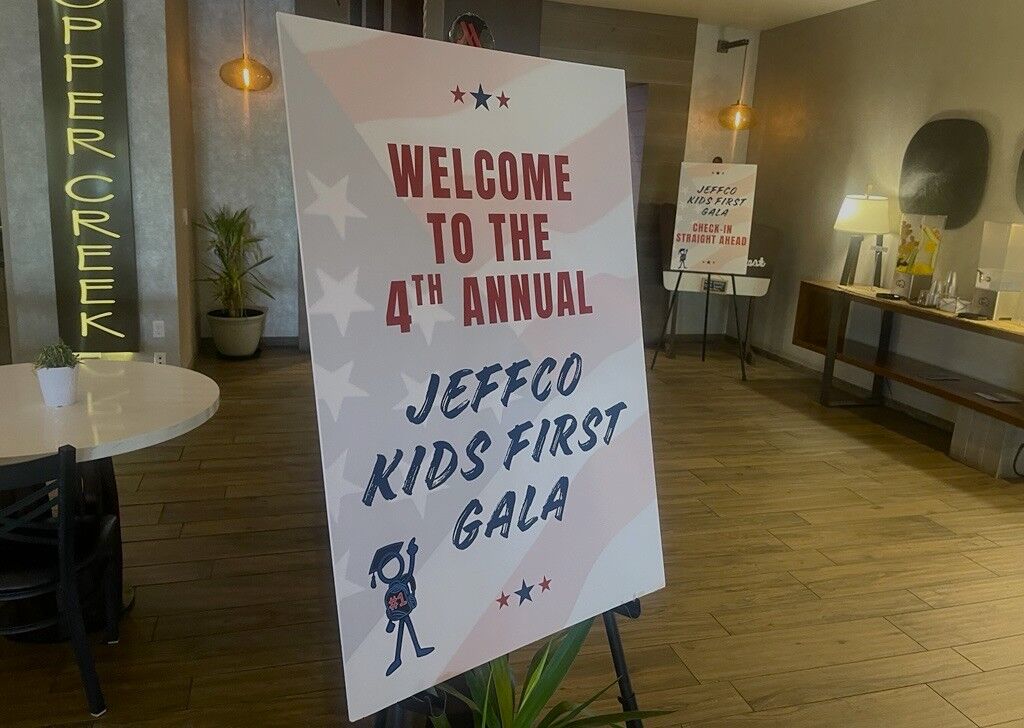
Amid a legal battle between Jeffco Public Schools and the federal government, a Department of Justice official spoke at a fundraising gala and decried “crazy stuff” and “nonsense” in the school district. The gala was for Jeffco Kids First, an...
Colorado Springs mother Deborah Nicholls’ murder conviction overturned
Nick Smith
nick-smith@coloradopolitics.com
Updated 2 days ago
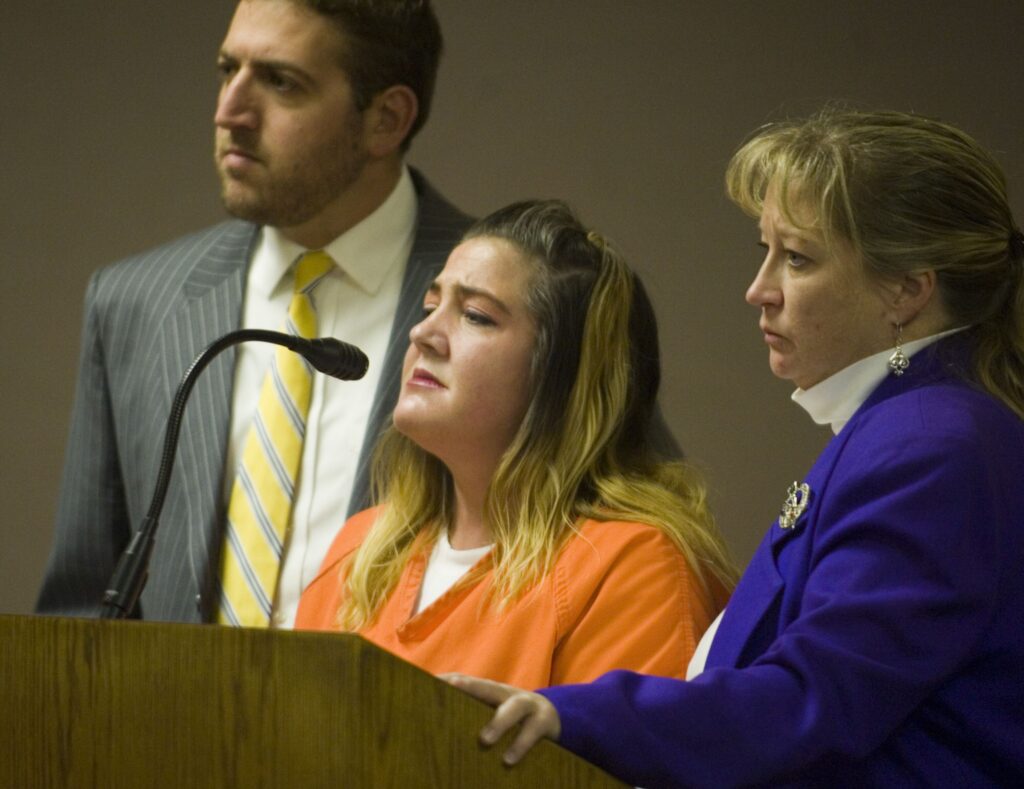
A Colorado Springs mother convicted in 2008 of murdering her three children in a house fire might get a new trial after a judge ruled that prosecutors withheld key evidence that could have impacted the jury’s verdict. Deborah Nicholls, whose...

Aurora Community College student journalist accuses college of ‘unconstitutional gag order’
Kyla Pearce
kyla.pearce@gazette.com
Updated 23 hours ago
An Aurora Community College student is accusing the college of putting an “unconstitutional gag order” on his student-run publication, saying the college banned it from publishing until students jumped through “countless bureaucratic hoops.” A college spokesperson said the college is...