

Tobacco tax backers ready to go

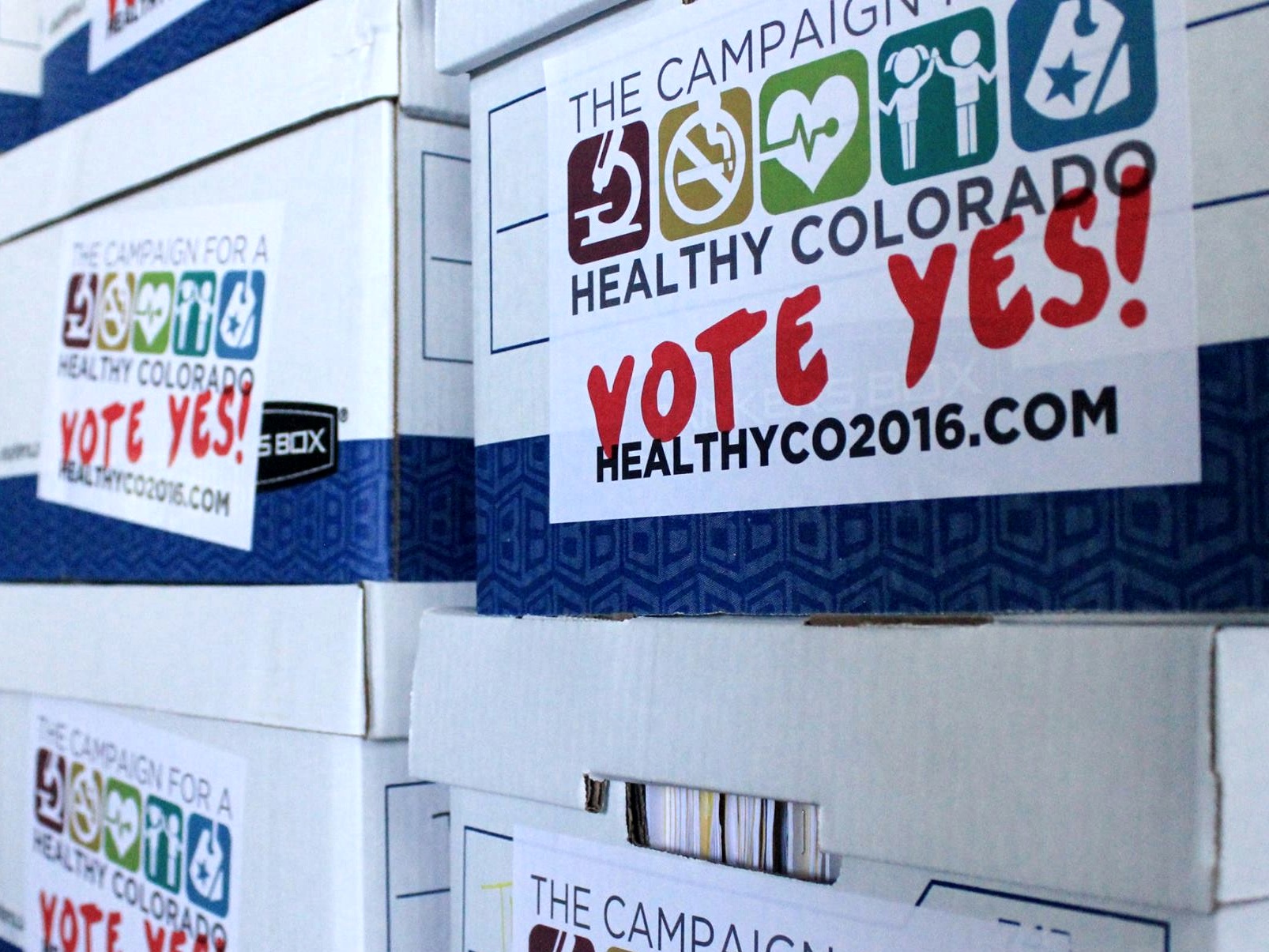
Backers of a proposed Colorado constitutional amendment to raise taxes on cigarettes and other tobacco products are beginning their efforts with $850,000 in the bank as they seek more funds while they promote the measure.
Taxes on a pack of cigarettes would triple in January, if Colorado voters approve the measure placed on the Nov. 8 general election ballot Monday by the secretary of state.
After the measure’s approval for the ballot was announced, Myung Kim, a spokesperson for the Campaign for a Healthy Colorado, submitted email answers to questions from The Colorado Statesman:
1) What happens next? How do you plan to promote the measure to voters?”We are focusing on raising money to support our campaign to reach voters across Colorado about the importance of passing the cigarette tax increase. We also are building a broad grassroots campaign, coordinating with the 75 plus organizations in Colorado that have already endorsed the cigarette tax measure. We will get our messages out through diverse channels and our partners will help amplify our reach.”2) How much money have you raised so far and how do you plan to spend it? What about future fund-raising?”We have raised $850,000 so far and are focusing on raising more. The money will be dedicated to our communication and paid media work.”3) I recall reading an article a month or so ago that noted the tax would not apply to e-cigarettes or vapor devices. If so, what do you think the chances would be that smokers would just change their habit to include those items and not quit smoking?”The cigarette tax increase will significantly increase funding for tobacco education, cessation and prevention programs – putting Colorado at the funding level recommended by the Centers for Disease Control and Prevention. These programs, which will receive an estimated $54 million a year – will help educate Coloradans about all tobacco products and help them to quit.”
Colorado Secretary of State Wayne Williams said a 5 percent random sample of the 161,412 submitted petition signatures for the measure projected the number of valid signatures to be 116,954. That was more than the 98,492 signatures of registered voters required to be placed on the ballot. Backers of the proposal submitted their petition signatures on Aug. 8.
Initiative 143 would amend Colorado’s constitution so taxes on a pack of cigarettes would increase from 84 cents per pack to $2.59 per pack in January. Taxes on some other tobacco products would increase by 22 percent of the manufacturers’ list price.
The measure is estimated to bring in $315 million in its first year, according to the Campaign for a Healthy Colorado. The group said the funds would be used for:
1) Meeting the recommended funding levels by the Centers for Disease Control and Prevention for tobacco education, prevention, and cessation programs for Colorado’s youth and adults;
2) Colorado-based medical research to prevent and improve treatments for cancer, heart, lung and Alzheimer’s diseases and other tobacco-related illnesses;
3) Medical and mental health care for more than 450,000 Colorado veterans;
4) Expanded access to youth mental health services;
5) Increased access to health care in rural and under served areas;
6) Providing training and repayment of student debt for medical professionals in rural and under-served areas; and
7) Supporting current tobacco tax-funded programs, compensating for expected reductions in tax revenue due to lower tobacco use in the future.
Opposing groups like the Independence Institute, a free-market or Libertarian-leaning Denver think tank, call tobacco taxes “feel good measures.”
“They force a very unpopular minority to fund new or existing programs that may have no connection to smoking,” said the group’s director of public affairs, Mike Krause.
Studies have also found higher tobacco tax results in more cigarette smuggling from low-tax states, Krause added, and the intent also leads to a steadily declining revenue source for the programs the tax funds.
“You have fewer smokers if the programs work, and they’re very appealing programs,” Krause said. “And it’s not their intent, but it really turns smoking into a kind of civic virtue. These great programs need you to keep smoking so they can continue.”
Krause also noted some of the programs set for funding if this initiative passes are not directly related to smoking, such as paying off student for doctors in rural areas and veteran’s mental and medical health care.
Krause added that groups like the Independence Institute worry that, if the measure passes, backers will go to the state legislature when revenue declines and ask lawmakers to use general fund monies to keep the programs operating.
Backers noted that currently, Colorado ranks 38th in the nation for the tax amount on tobacco. Colorado now charges 84 cents tax per pack of cigarettes. The last tobacco tax increase was passed in 2004 and added 64 cents to the tax.
Over 75 organizations, including the Children’s Hospital of Colorado, the American Cancer Society Cancer Action Network, the American Heart Association, and the American Lung Association and the Colorado Hospital Association, support this year’s measure.
The tobacco-tax measure is the fifth citizens’ initiative to successfully make the ballot. Other citizen proposals approved for the Nov. 8 ballot are the ColoradoCare statewide health care program, increasing the state’s minimum wage, medical did in dying and increasing the requirements to place constitutional amendments on the ballot.
Four other measures with petitions turned in to the secretary of state are still under review: Primary elections (No. 98), Presidential primary election (No. 140), Local government authority to regulate oil-and-gas development (No. 75) and Mandatory setback for oil/gas development (No. 78). The office has until Sept. 7 to decide on the status of these petitions.
Also on the ballot are two measures referred by the Colorado General Assembly: Amendment T, regarding servitude; and Amendment U, regarding property taxes. In addition, the Denver Metro Scientific and Cultural Facilities Board put a sales-and-use tax measure on ballots in Adams, Arapahoe, Broomfield, Boulder, Denver, Douglas (except Castle Rock and Larkspur) and Jefferson counties.
Updated on 08/23/16 to add opposition comments from Mike Krause with the Independence Institute.

Grand Canyon flooding threatens economy that’s still recovering from a fire | OUT WEST ROUNDUP
Ernest Luning
ernest.luning@coloradopolitics.com
Updated 3 days ago
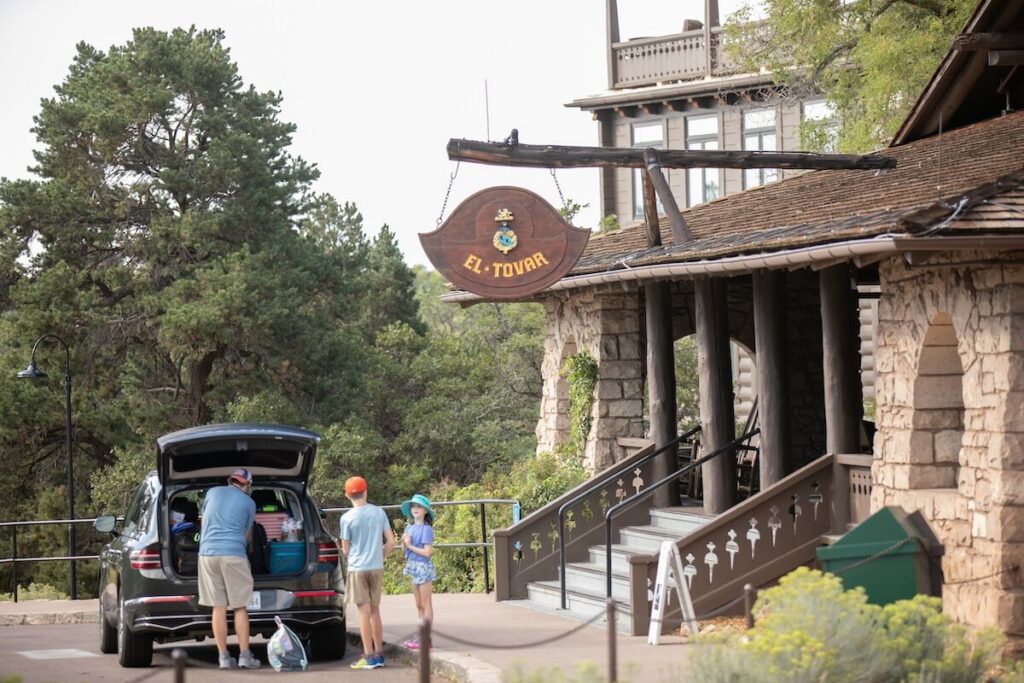
ARIZONA Flooding slams park’s economy Deadly flooding at the Grand Canyon is damaging the area’s economy, with a washed-out pipeline severing the South Rim’s water supply and shutting down lodging at the popular tourist vista for an indefinite period. The...

Immigration reporting measure fuels debate over Colorado’s role with ICE
Marissa Ventrelli
marissa.ventrelli@coloradopolitics.com
Updated 1 hour ago
A coalition of advocacy groups and several district attorneys rallied outside the Colorado Capitol on Thursday to oppose a ballot measure that, if approved by voters in November, would require state and local law enforcement to cooperate with federal immigration...
Colorado Politics Calendar Sept. 14-20
Rachael Wright, Special to Colorado Politics
rachael.wright@coloradopolitics.com
Updated 4 days ago
CoPo’s weekly political calendar will help you find political and public-policy events throughout Colorado. It includes candidate and issue campaign events, public policy meetings, court hearings, state and local party conventions, assemblies, debates, rallies, parades, speaking engagements, traveling dignitary appearances,...
The African roots of three Colorado leaders | SONDERMANN
Eric Sondermann
eric-sondermann@coloradopolitics.com
Updated 3 days ago
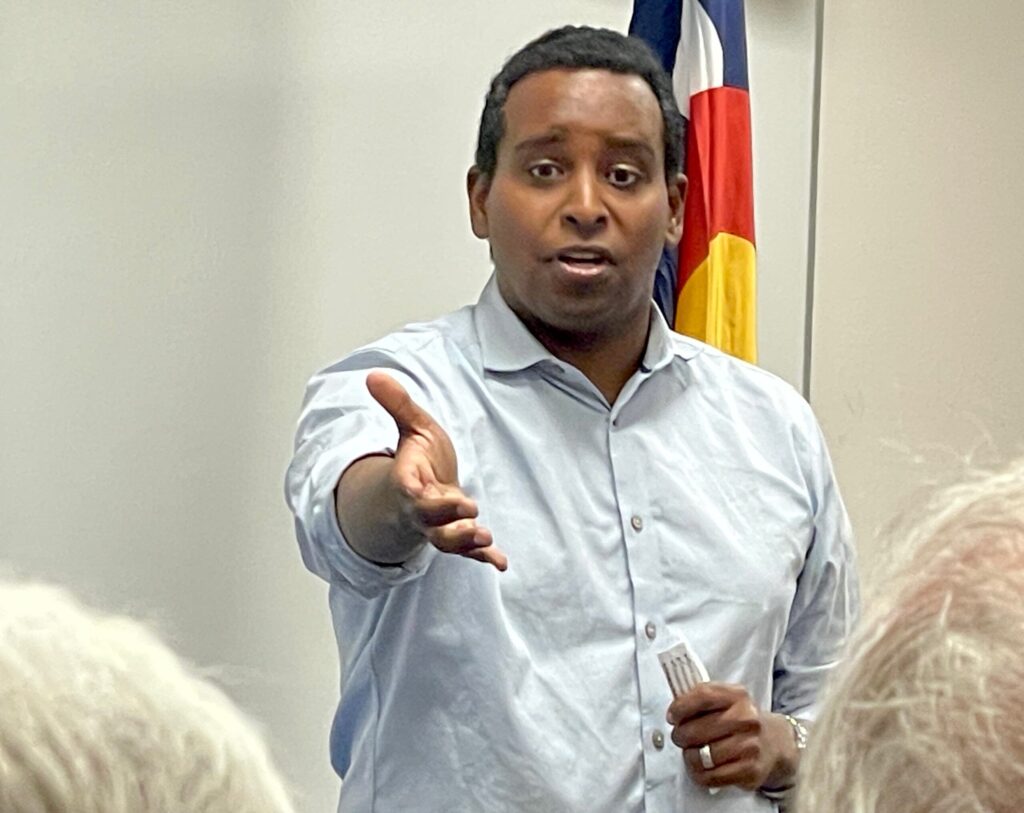
Colorado’s political transformation is measured in many ways. A once reliably red state (with asterisks) became purple and is now a rather deep blue. For better or worse, probably the latter, power is ever more consolidated along the Front Range...
Federal judge green-lights civil trial against ex-Fort Collins DUI officer
Michael Karlik
michael.karlik@coloradopolitics.com
Updated 2 days ago
A federal judge ruled on Thursday that Fort Collins’ former “DUI officer” will face a civil trial for allegedly investigating a motorist for impaired driving without any reasonable suspicion to do so. In recent years, several people arrested by Officer...

Denver police reopen 13 sex assault cases after retesting Missy Woods’ CBI work
Jenny Deam
jenny.deam@gazette.com
Updated 1 hour ago
Thirteen previously closed Denver sexual assault cases have been reopened after the city’s crime lab retested DNA evidence once analyzed by former Colorado Bureau of Investigation forensic analyst Yvonne Woods. A police spokesperson told The Denver Gazette the once-closed cases...

Ballot measure aims to shift Colorado sporting goods tax revenue to land, water and wildfire projects
Marissa Ventrelli
marissa.ventrelli@coloradopolitics.com
Updated 17 hours ago
Colorado voters this November will decide whether to direct a share of sales tax revenue from sporting goods — including bicycles and skiing equipment — toward land and water conservation, wildfire prevention and expanding outdoor recreation. Supporters say the measure...

Colorado Supreme Court suspends Mesa County judge pending misconduct investigation
Michael Karlik
michael.karlik@coloradopolitics.com
Updated 19 hours ago
The Colorado Supreme Court suspended Mesa County Court Judge Michael J. Grattan on Thursday amid a misconduct investigation. The court’s Sept. 10 order gave Grattan 21 days to explain why his paid suspension should not continue through the end of...

Trump honors the fallen of the 9/11 terrorist attacks during Pentagon speech
Mabinty Quarshie
mabinty-quarshie@coloradopolitics.com
Updated 2 days ago
President Donald Trump and first lady Melania Trump honored the roughly 3,000 Americans killed during the Sept. 11, 2001, terrorist attacks during a ceremony at the Pentagon. The event marking the 25th anniversary of the deadliest attack on American soil...
Colorado Supreme Court changes course, dismisses case about special district bonds
Michael Karlik
michael.karlik@coloradopolitics.com
Updated 19 hours ago
The Colorado Supreme Court declined on Friday to decide a dispute between a large-scale Commerce City development and the various districts financing it, after initially showing interest in the ongoing case. Colorado has roughly 2,800 special districts, which are local...
PREV
PREVIOUS

Denver's new city attorney says she understands 'the political side'
Stepping into the often highly-political position of Denver city attorney is part of what attracted Kristin Bronson to the position. Calling her “a brilliant and innovative lawyer,” Mayor Michael B. Hancock appointed Bronson as Denver’s new city attorney Thursday. Bronson will fill the position Scott Martinez vacated on May 31, after the city settled several […]

Obama visits flood-damaged Louisiana in show of support
Standing amid piles of waterlogged debris, President Barack Obama on Tuesday promised a sustained national effort to rebuild flood-ravaged southern Louisiana “even after the TV cameras leave” on a visit aimed in part at stemming campaign-season criticism that he’s been slow to respond to the disaster. As he toured a battered neighborhood and spoke to […]