

Buchanan: Colorado’s chance to prepare for unprecedented change

In 2015, Colorado is largely unprepared for a huge demographic shift that is coming our way. The largest generation in American history has begun to retire, and its members will live longer in retirement than ever before. In 25 years, almost 20 percent of Colorado’s population will be older than 65, and the number of Coloradans older than 80 will triple.
If trends continue, the effects of our aging population may overwhelm families and communities and stretch the capacity of government agencies and nonprofit organizations to the breaking point. But if Colorado can plan effectively and make wise decisions, we can protect our quality of life and our state’s economic wellbeing. The choice is ours.
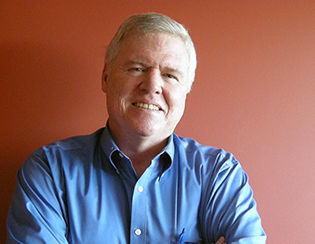
We believe the aging of the Baby Boomer generation can be a blessing rather than a curse – and that our state is on the right path with the creation this year of the Strategic Action Planning Group on Aging. The planning group was established by the General Assembly to make Colorado the first state in the nation with a long-term, comprehensive strategy for navigating this uncharted future.
As one of 23 members of the planning group – selected by the governor for multi-disciplinary public- and private-sector expertise – I believe our work starts with a sober understanding of what exactly we face.
No single issue represents a broader challenge to the state of Colorado and its residents. The aging of Colorado’s population will impact our economy, state and local government revenues and spending, health care use (including long-term services and supports), family economic security, housing, transportation and more.
Consider this: In 2013, only 45 percent of Coloradans in their prime working years had access to any type of retirement savings plan at work. The median retirement account balance among all households ages 55 to 64 was only $14,500. If we don’t find a way to help Coloradans save more for retirement, the so-called golden years will be anything but that for many, and the financial burden will fall increasingly on their families and on public services as they age.
Or consider this: Most seniors want to stay in their homes as long as possible – and we know that the longer they can do so, the lower the costs to them, their families and taxpayers. But often an easily overlooked issue – such as access to adequate transportation options when one can no longer drive safely – determines whether an otherwise healthy senior can continue to live at home or must move into much higher-cost institutional care.
Financial insecurity of seniors and boomers will also have a serious impact on federal and state programs for aging and elderly populations. Most notably, Medicaid – the joint federal-state health care program – will bear the burden of long-term care for seniors after they exhaust their own financial resources. The Colorado Futures Center at CSU projects this will be the main factor driving a rapid increase in Medicaid costs over the next several decades. But, unlike other states, Colorado has constitutional restrictions that limit our ability to compensate for greater funding demands.
Solving these and the many other challenges we face requires serious attention to the data, a clear appreciation for the wide range of institutions and sectors of society that are affected, and a commitment to take the long-term view and to reach for comprehensive solutions.
By November 2016, the planning group will report our findings to the governor and the General Assembly and recommend concrete, viable solutions.
Finding and implementing solutions won’t be easy. But if we do it right, our work will not only lead to a more positive future for all the people of Colorado, but it can also serve as a model nationwide. Let’s choose to be prepared – and to lead.
Wade Buchanan is president of the Bell Policy Center and serves on the executive committee of the Strategic Action Planning Group on Aging.


The primary political reform and precondition for all others | SONDERMANN
Eric Sondermann
eric-sondermann@coloradopolitics.com
Updated 3 days ago
In its current state, the American political system has no end of ailments. Far too many factors accelerate polarization and work against moderation and narrowing the differences. Media, and the way so many citizens limit themselves to agreeable, reinforcing sources,...
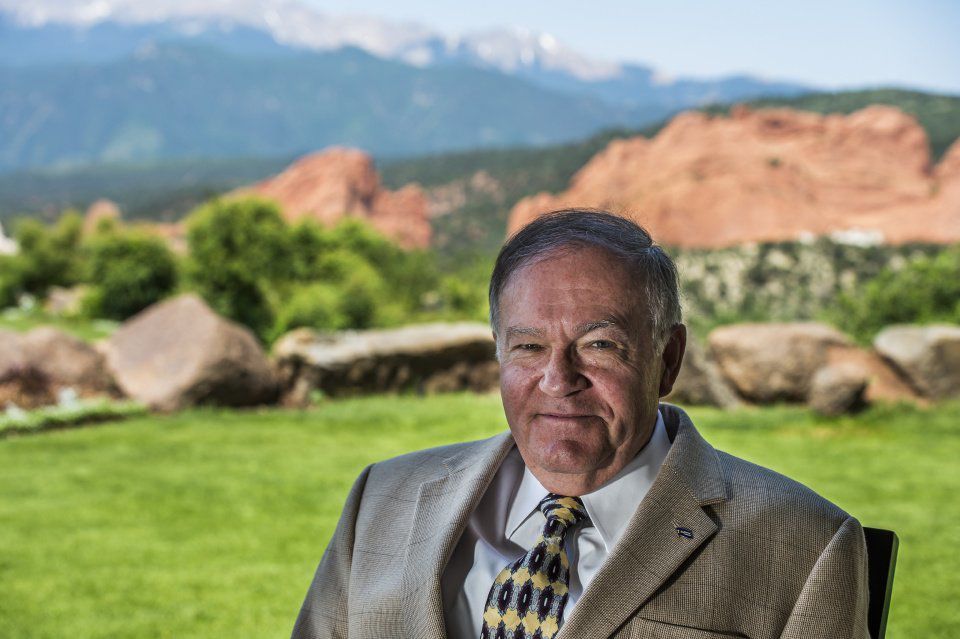
Susemihl wins surprise victory to replace Steve Durham as Colorado Springs state senator | A LOOK BACK
Rachael Wright, Special to Colorado Politics
rachael.wright@coloradopolitics.com
Updated 3 days ago
Forty-five years ago this week: In a closed session, the vacancy committee for Colorado’s Senate District 12 selected attorney Peter Susemihl to complete Sen. Steve Durham’s, R-Colorado Springs, term. Durham resigned his seat to become Region 8 Director of the...

10th Circuit partially revives lawsuit over 2020 Denver protest injuries
Michael Karlik
michael.karlik@coloradopolitics.com
Updated 15 hours ago
The Colorado-based federal appeals court revived a man’s claims against Denver on Friday after concluding a trial judge resolved the case in the city’s favor without analyzing two of the three instances of alleged excessive force and other constitutional violations....
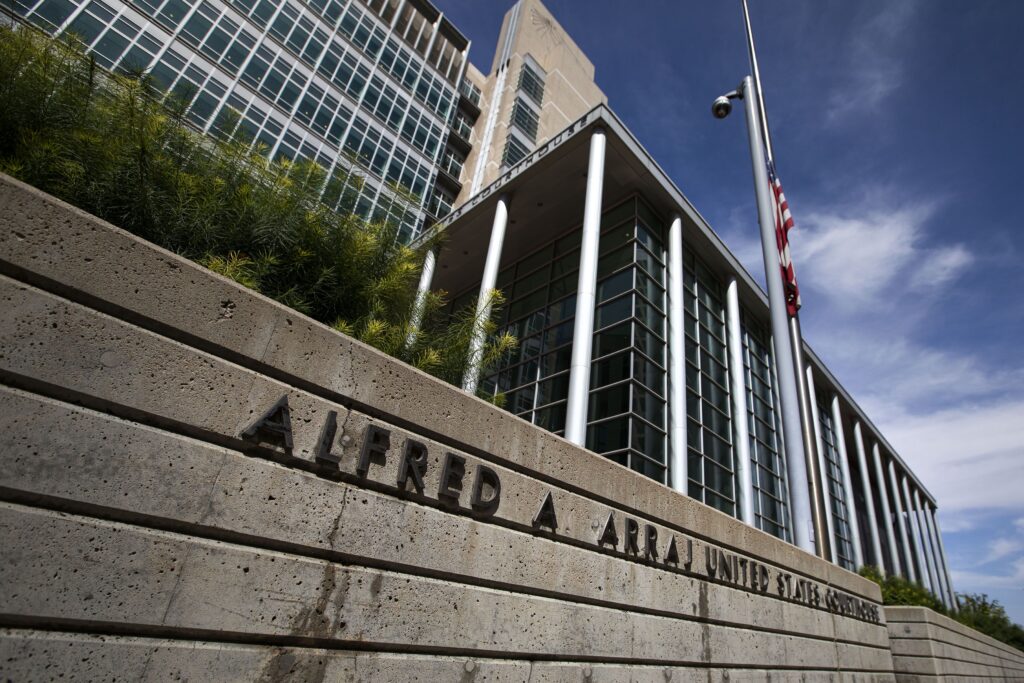
Federal judges find Colorado immigration judge violated several orders
Michael Karlik
michael.karlik@coloradopolitics.com
Updated 16 hours ago
Multiple federal judges in Colorado have freed people from immigration custody after determining that one immigration judge violated their directives for properly conducting bond hearings. For nearly a year, Colorado’s U.S. District Court has faced a flood of “habeas corpus” petitions...
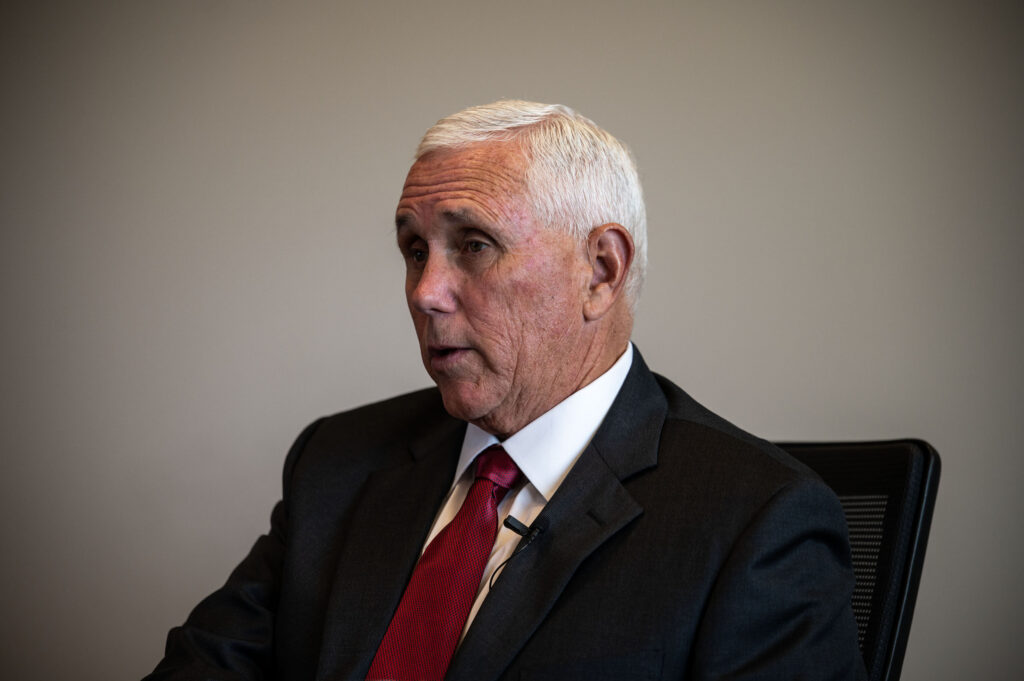
Q&A with Mike Pence | Former vice president says GOP’s populist turn from conservatism isn’t permanent
Ernest Luning
ernest.luning@coloradopolitics.com
Updated 16 hours ago
Former Vice President Mike Pence says he’s concerned that the Republican Party has taken a populist turn away from bedrock conservative principles during President Donald Trump’s second term, but he believes the party will return to its roots when Trump...

New federal plan sets short-term rules for Colorado River management
Marianne Goodland
marianne.goodland@coloradopolitics.com
Updated 15 hours ago
Interior Department’s plan spares Colorado from mandatory cuts for now After years of stalled negotiations among the seven states that rely on the Colorado River, the federal government on Friday released its own plan for managing the drought-strained system. Calling...
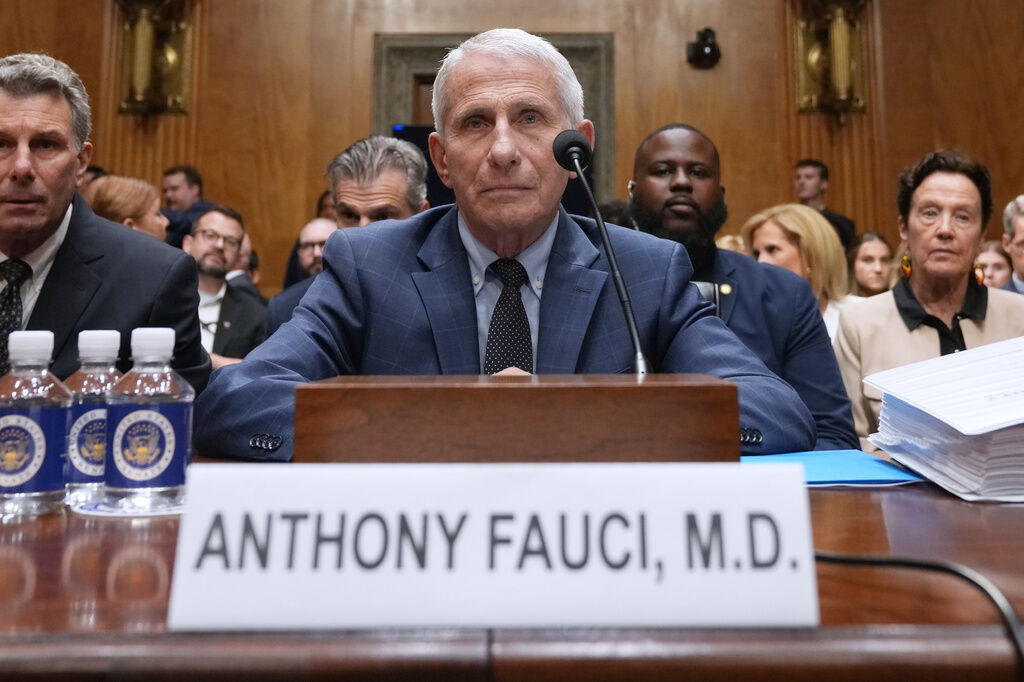
Fauci’s diary details blooming outrage toward ‘far right,’ softness toward Biden and China
Hudson Crozier
hudson.crozier@washingtonexaminer.com
Updated 20 hours ago
Dr. Anthony Fauci increasingly railed against “far right” critics of his approach to COVID-19 issues while describing strong support from the Biden White House in his pandemic-era diary, which was recently released by Congress. The former National Institute of Allergy...

Colorado is spared mandatory cuts under federal Colorado River proposal
The Associated Press
the-associated-press@coloradopolitics.com
Updated 21 hours ago
California, Arizona and Nevada to take less water under plan While Colorado has been spared from mandatory reductions, Arizona, California and Nevada would take less water from the Colorado River under a proposal announced Friday by the federal government to...

Republican Victor Marx taps George Markert as his lieutenant governor pick in Colorado’s gubernatorial race
Ernest Luning
ernest.luning@coloradopolitics.com
Updated 14 hours ago
Colorado Republican gubernatorial nominee Victor Marx named George Markert, a retired Marine colonel, as his running mate for lieutenant governor Friday morning, saying the former U.S. Senate candidate will bring “exceptional character, proven leadership and a lifetime of serving others”...

Misconduct complaints from ex-Colorado judicial discipline director dismissed against federal judges
Michael Karlik
michael.karlik@coloradopolitics.com
Updated 1 day ago
The administrative body for the Denver-based federal appeals court upheld a finding last week that misconduct complaints against Colorado’s chief federal trial judge and the chief appeals judge warranted dismissal and appeared to be a “litigation tactic” by the complaining...
PREV
PREVIOUS

Strode: Life or death: A right to choose?
State Reps. Joann Ginal, D-Fort Collins, and Lois Court, D-Denver, are continuing their effort to give terminally ill patients in Colorado the choice to take a lethal dose of medication when they have six months or less to live. The two state lawmakers are pledging to bring back a “Death with Dignity” bill during the […]

Webb: Being ‘the first’ is not always easy
President Barack Obama and I have something in common. He is America’s first African-American president, and I was Denver’s first African-American mayor. That designation carries extra responsibility, because we know our records will help or hinder others who seek high office. When the first African American runs for office, the first question many voters ask […]