

postconviction
-
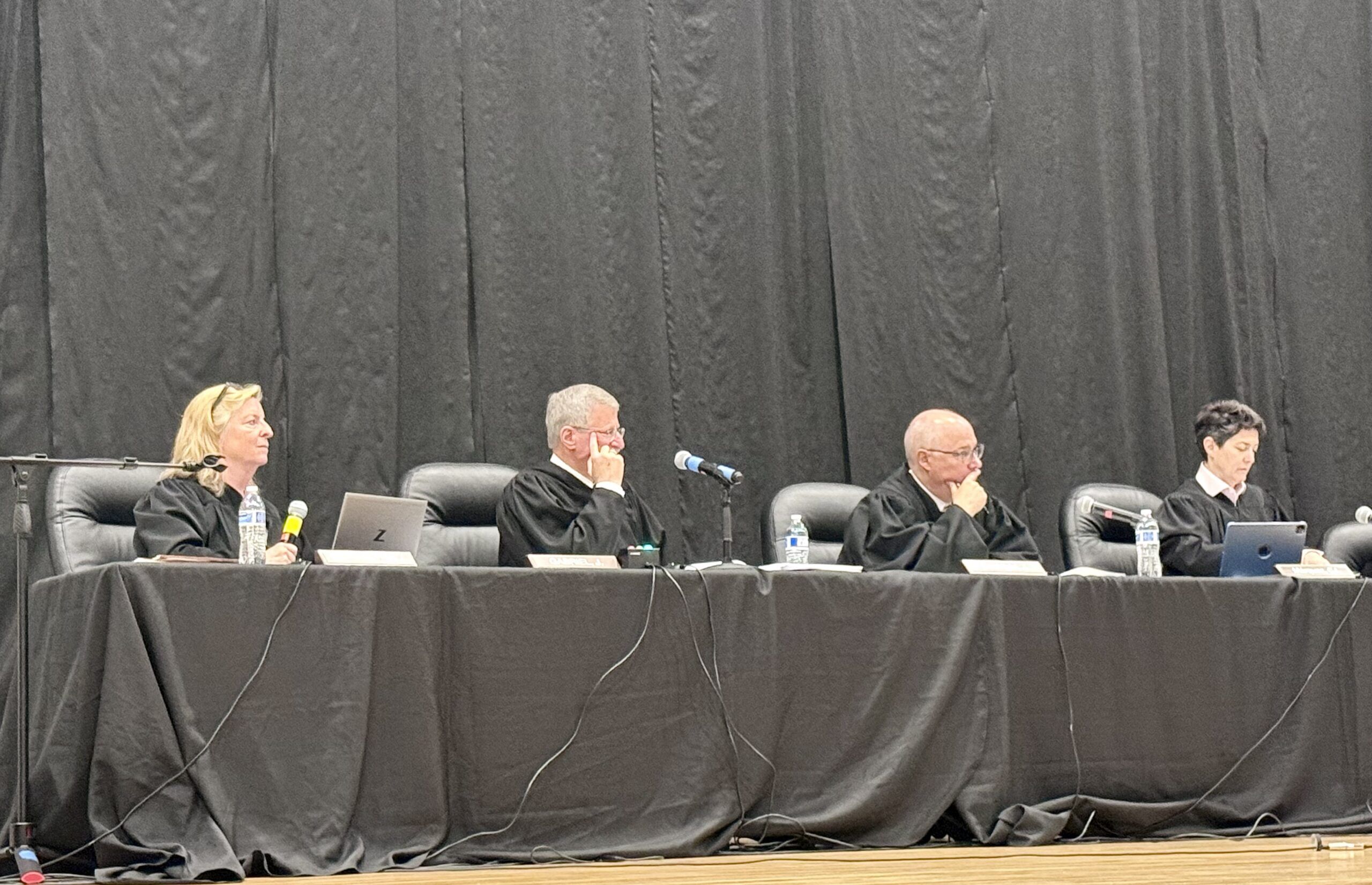
Colorado justices discuss solution to confusion from prior criminal ruling
The Colorado Supreme Court pondered the fallout on Tuesday from its nearly six-year-old decision interpreting the state’s impaired driving laws, with the justices now addressing how defendants affected by the legal change must seek postconviction relief. In contrast to other criminal appeals, there was no dispute that defendant Charles Crabtree could file a motion in…
-
Colorado Supreme Court shuts down ‘new form of representation’ in postconviction cases
While unrepresented defendants in postconviction proceedings are permitted to have a court-appointed attorney investigate and augment their claims, that is not the case when a private lawyer authors the original petition, the Colorado Supreme Court decided on Monday. In contrast to direct appeals of criminal convictions, which usually allege trial- or sentencing-related errors, postconviction relief is…
-
Internal appeals of parole revocation must come before judicial review, Colorado justices conclude
The Colorado Supreme Court ruled last month that criminal defendants whose parole is revoked must appeal the decision internally to the state’s parole board before seeking review by a judge. The process for returning someone to incarceration for violating the conditions of their parole first entails a hearing by one member of the Colorado State…
-
Colorado justices recognize limited right to evidence in postconviction challenges
The Colorado Supreme Court ruled on Monday that defendants challenging their convictions may, in certain circumstances, be entitled to receive the information the prosecution already handed over for trial at no cost. The justices rejected the argument that defendants seeking postconviction relief must use the open records law specific to criminal justice records, which prosecutors’…
-
Divided Colorado Supreme Court rejects defendant’s claim of deficient DNA investigation
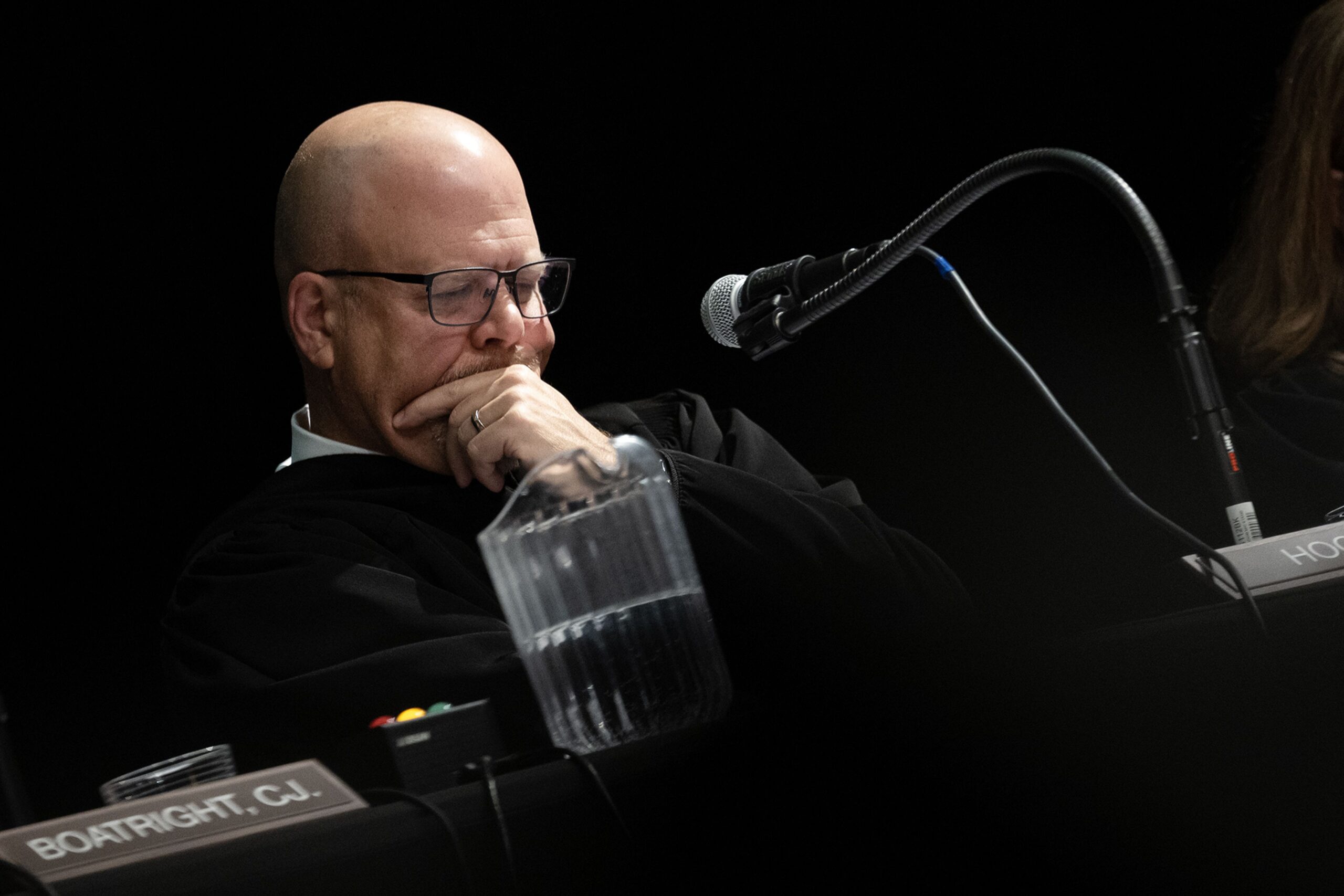
The Colorado Supreme Court decided on Tuesday, by 4-2, that a defendant failed to allege how uninvestigated, inaccessible DNA evidence would have shown he was wrongly convicted. When Jamale D. Townsell filed a petition from prison seeking postconviction relief, he argued his trial lawyer was constitutionally ineffective for failing to properly investigate DNA evidence that…
-
Appeals court clarifies what materials judges may rely on for postconviction decisions
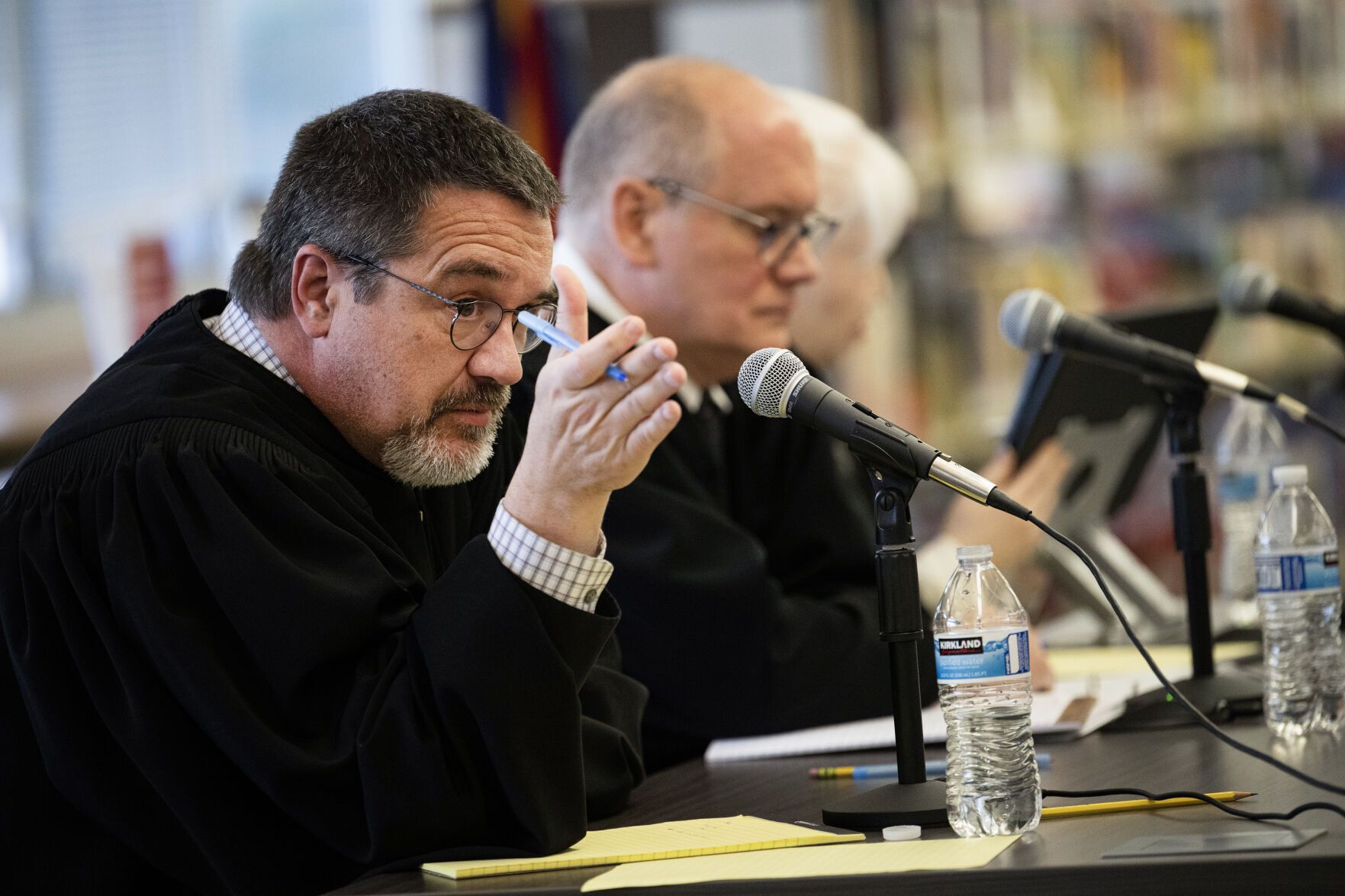
Colorado’s second-highest court clarified on Thursday that trial judges who are deciding whether to grant relief to convicted defendants may rely on the materials attached to, or referenced in, the parties’ arguments. In contrast to direct appeals of criminal convictions, which usually allege errors before trial, at trial or at sentencing, defendants also have the…
-
Colorado Supreme Court may address ‘new form of representation’ in criminal case
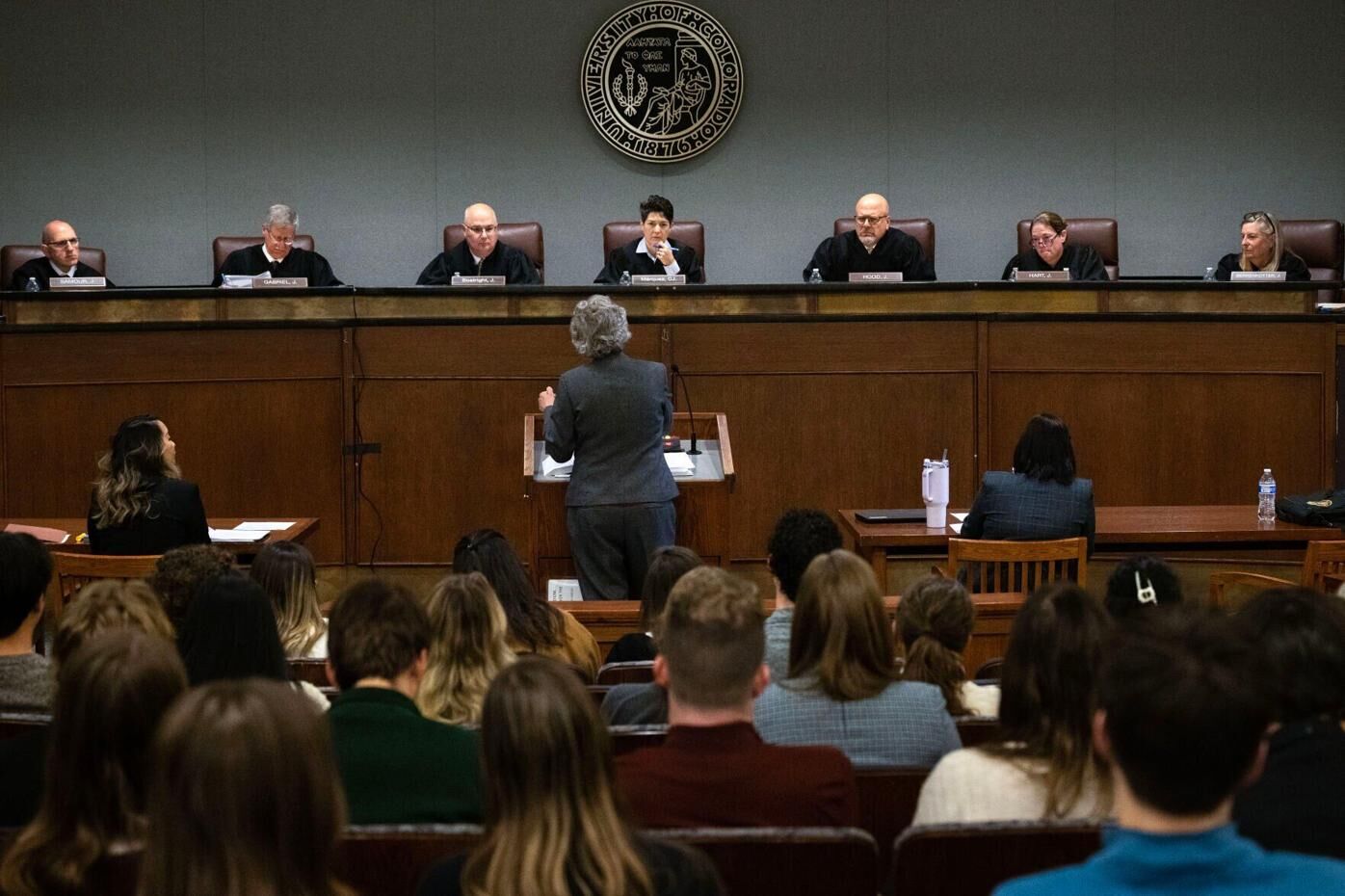
The Colorado Supreme Court signaled last week that it may get involved in an ongoing Denver criminal proceeding in which the prosecution alleges a trial judge sidestepped the clear rules for appointing defense counsel. At least four of the court’s seven members must agree to intervene in a case outside the typical appellate process. Clemente…
-

Colorado justices concerned about blocking self-represented prisoners from pursuing claims due to lack of resources
When Jamale D. Townsell filed a petition from prison seeking postconviction relief, he argued his trial lawyer was constitutionally ineffective for failing to properly investigate DNA evidence that would have called his responsibility for a 2013 bank robbery into question. The state’s Court of Appeals rejected his petition, reasoning Townsell had not shown how the…
-
Appeals court calls out Denver judge for illogical denial of sentence reduction
A Denver judge wrongly rejected a convicted defendant’s request for a sentence reduction because his stated reasons for denying the motion could not possibly have been true, Colorado’s second-highest court concluded on Thursday. Jurors convicted Brent M. Kelley in 2018 of second-degree murder and a drug offense. He received a 47-year prison sentence. After appealing…
-
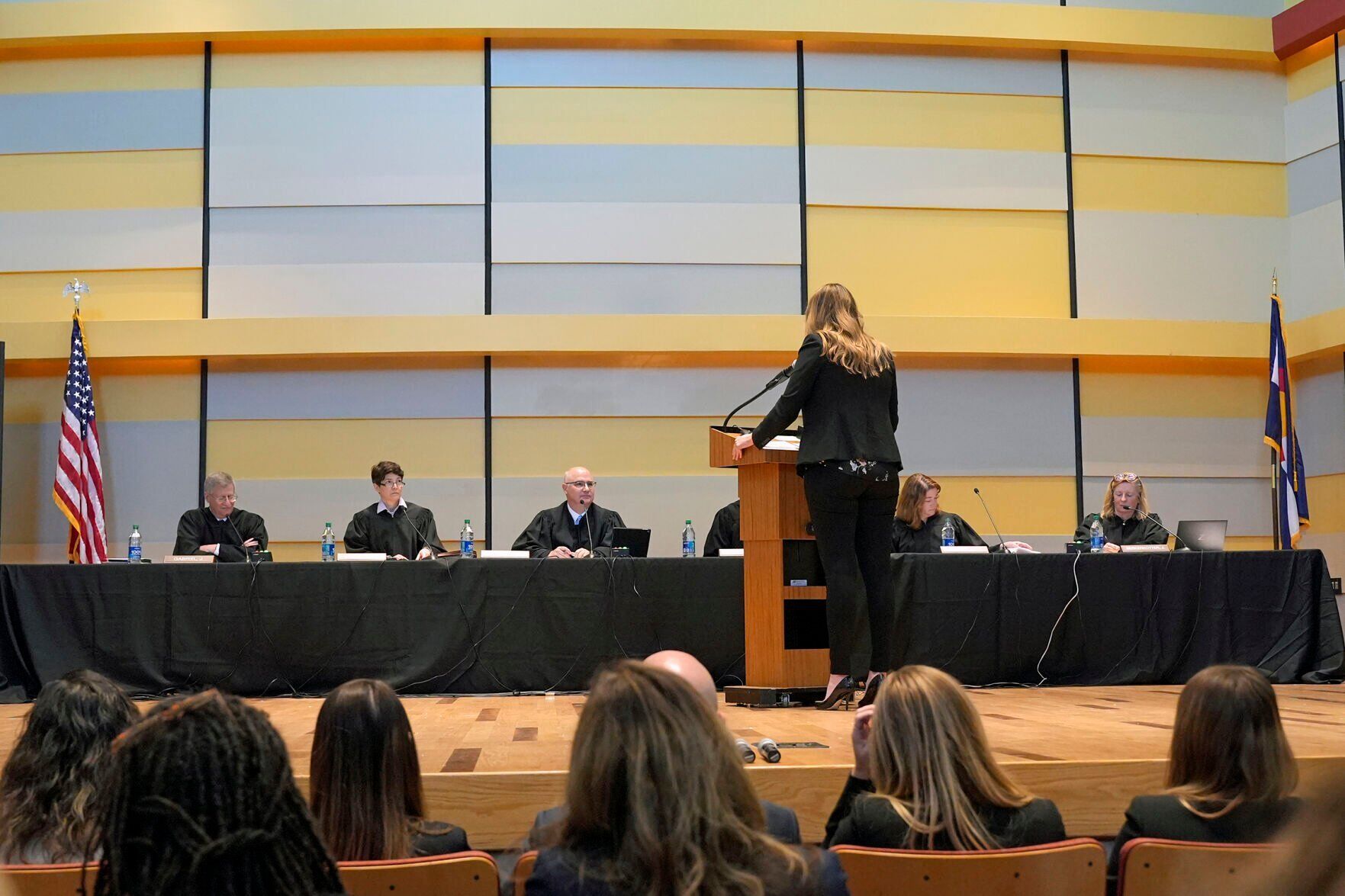
Colorado justices may address whether defendants have right to review evidence when challenging convictions
The Colorado Supreme Court signaled on Tuesday that it may decide whether defendants challenging their criminal convictions due to ineffective assistance of counsel are entitled to the evidence the prosecution already handed over before trial. An attorney representing Keevin Bell II years after his Jefferson County murder conviction was unable to obtain all the evidence…