

Sales tax for Front Range passenger train heading to Colorado ballot in November
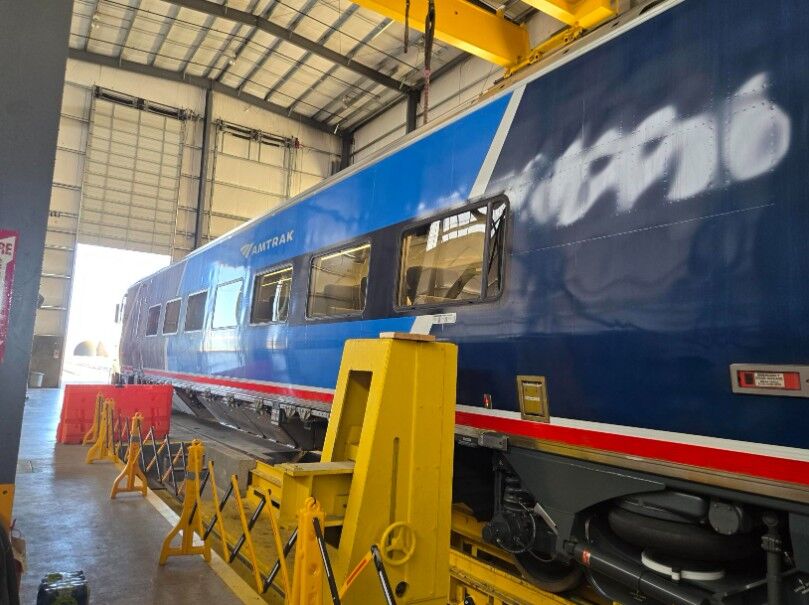
NORTHEAST OF PUEBLO — The Front Range Passenger Rail District board of directors voted 14-1 Friday to refer a funding measure connected to the Colorado Connector train service to the November ballot.
The vote was held at the Federal Railroad Administration’s testing facility northeast of Pueblo. Immediately after the vote, board members and supporters took a ride on a brand-new Amtrak Airo train being tested at the site.
The rail district is asking for a 0.33% sales and use tax increase in Front Range communities from Trinidad to Fort Collins, the proposed endpoints of the train route. It’s estimated the tax would raise $295 million in annual revenue to establish and continue the train routes.
“It’s amazing to be at this point. There has been a decade and a half of vision and hard work and fighting on the ground for infrastructure. Now we send this amazing project to the people of the district,” board member Daneya Esgar said.
The funding question would go to voters in 31 cities that would either be served by the Colorado Connector or are within five miles of the line. In El Paso County, that means residents of Colorado Springs and Manitou Springs will have it on the ballot in November.
The one vote against referring the issue to the ballot was cast by rail district board member Cory Applegate, who is also an El Paso County commissioner. Applegate declined to explain the reason for his vote after the meeting.
The Front Range Passenger Rail already has the support needed to launch the first phase of the line, which will run three trips a day between Denver and Fort Collins. The taxes collected by the ballot question would provide the long-term funding needed for the section south of Denver and to eventually increase the train’s frequency.
The plan calls for starter service between Denver and Fort Collins in 2029 before expanding south to Colorado Springs and Pueblo in 2032.
It includes special-event stations for the Denver Broncos and the Denver Summit soccer club, conditioned on host railroad approval. In the most recent delivery plan, Colorado Springs would have a stop in downtown and a stop in the north end of the city. Board Chairman John Putnam said the rail district board is looking for land in the Northgate area.
Less than 30% of the estimated use would come from the southern segment of the rail and will require significant investments in rail infrastructure through southern Denver and Monument Hill. Putnam said the full service along the Front Range was required by the state legislature, but it also provided an alternative to I-25.
“There’s 85% of the state’s population in that population corridor. There is a desire to tie all these communities together,” Putnam said.
The Amtrak Airo would likely be used for the Colorado Connector if the measure passes, though Amtrak and Siemens are only contracted for the first two phases of the rollout. On the wide-open tracks around the testing area, the train topped 120 miles per hour during its gentle loops.
The Front Range Passenger Rail’s plans say the average train trip between Colorado Springs and downtown Denver would take an hour and 45 minutes, slower than driving except during the worst-case traffic scenarios along I-25. Board members argued that the train would benefit all drivers by replacing over 1,000 car trips per day.
Nearly all of the public comments at Friday’s meeting supported the ballot question. Jack Wheeler, president of the Colorado Rail Passenger Association, said the group had not supported sending the question to the ballot in 2024. They backed it this year because of the collaborations in place with RTD and the sense of growing public enthusiasm.
“Traffic has gotten worse, gasoline prices are skyrocketing and Coloradans look internationally and see everywhere else enjoying a high quality of life because they have transportation choices,” Wheeler said.
Natalie Menten, a former Regional Transportation District (RTD) board member from Jefferson County, was one of the few voices who opposed the ballot question Friday. Menten said that there was little evidence the train would bring in more users than the existing RTD lines that run in the metro Denver area. She also raised concerns that the district had been using public funds to campaign for the measure before placing it on the ballot.
The tax question will have to follow the Taxpayer’s Bill of Rights process, which includes a description in the blue ballot information book. The book for the November election is being printed next Friday, so any public comments accompanying the entry will need to be submitted by Thursday.

Low water conditions at Green Mountain Reservoir opens door for major repairs
Marianne Goodland
marianne.goodland@coloradopolitics.com
Updated 4 hours ago
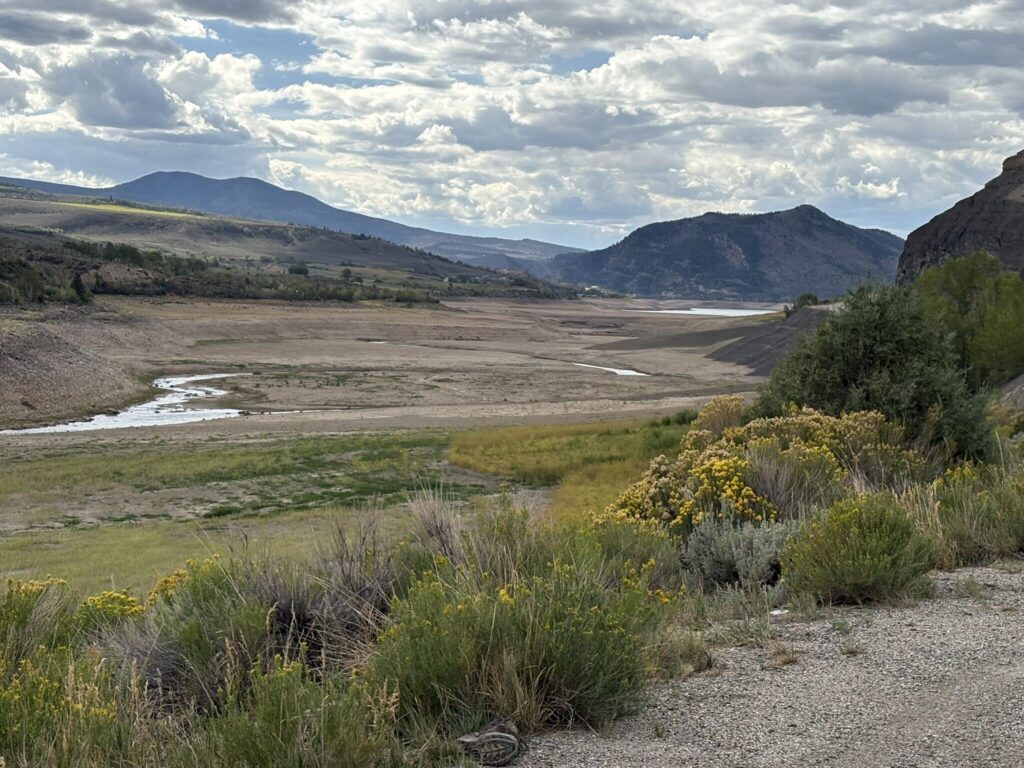
Perhaps one of the most striking signs of the low snowpack and drought that has plagued Colorado this year can be found by driving by Green Mountain Reservoir in Grand County. The reservoir, first filled in the 1940s, is at...
Denverites are wary of bus rapid transit and Waymo, voter survey says
Mark Samuelson Special to The Denver Gazette
mark.samuelson@denvergazette.com
Updated 2 hours ago
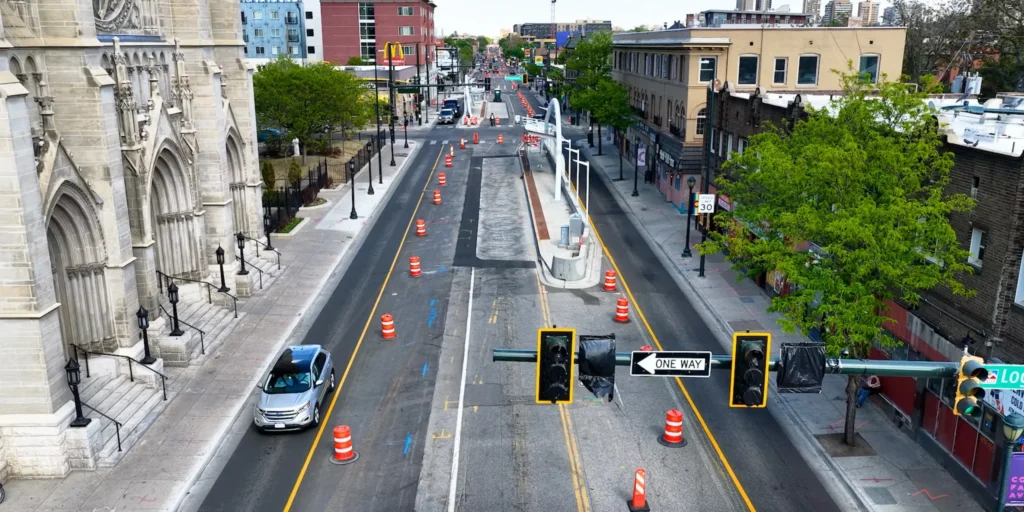
As residents and commuters get their first look at how the Regional Transportation District’s Bus Rapid Transit project has narrowed East Colfax Avenue east of downtown, Denverites seem to be flashing a caution light about any further expansion of BRT...

Colorado redistricting limits measure heads to November ballot
Marissa Ventrelli
marissa.ventrelli@coloradopolitics.com
Updated 22 hours ago
A proposed constitutional amendment that would prohibit Colorado’s congressional maps from being redrawn outside of election cycles has qualified for the November ballot, according to the Secretary of State’s Office. Under Initiative No. 256, redistricting changes for the 2028 election...

‘Governor for a Day’ contest launched for Colorado students
Marissa Ventrelli
marissa.ventrelli@coloradopolitics.com
Updated 5 hours ago
Colorado seventh and eighth graders have the chance to experience a day in the life of the governor. The “Governor for a Day” competition will give one student the chance to see firsthand how state government works, shadowing Gov. Jared...

Colorado state House Democratic candidate arrested in Texas for public intoxication
Marianne Goodland
marianne.goodland@coloradopolitics.com
Updated 22 hours ago
A Democrat from Lone Tree who is running for a House seat was arrested in Texas in May on charges of public intoxication and resisting arrest. Christian Schilder, the Democrat, is challenging Rep. Brandi Bradley, the Republican incumbent, in the...

What courageous citizenship really looks like | Vince Bzdek
Vince Bzdek
vince.bzdek@gazette.com
Updated 3 days ago
By Vince Bzdek What exactly is courage? Ernest Hemingway famously called it grace under pressure. Mark Twain wrote that “courage is resistance to fear, mastery of fear — not absence of fear.” C.S. Lewis refined that even more: “Courage is...
Colorado measure adding ID checks to mail-in voting qualifies for ballot
Marissa Ventrelli
marissa.ventrelli@coloradopolitics.com
Updated 4 days ago
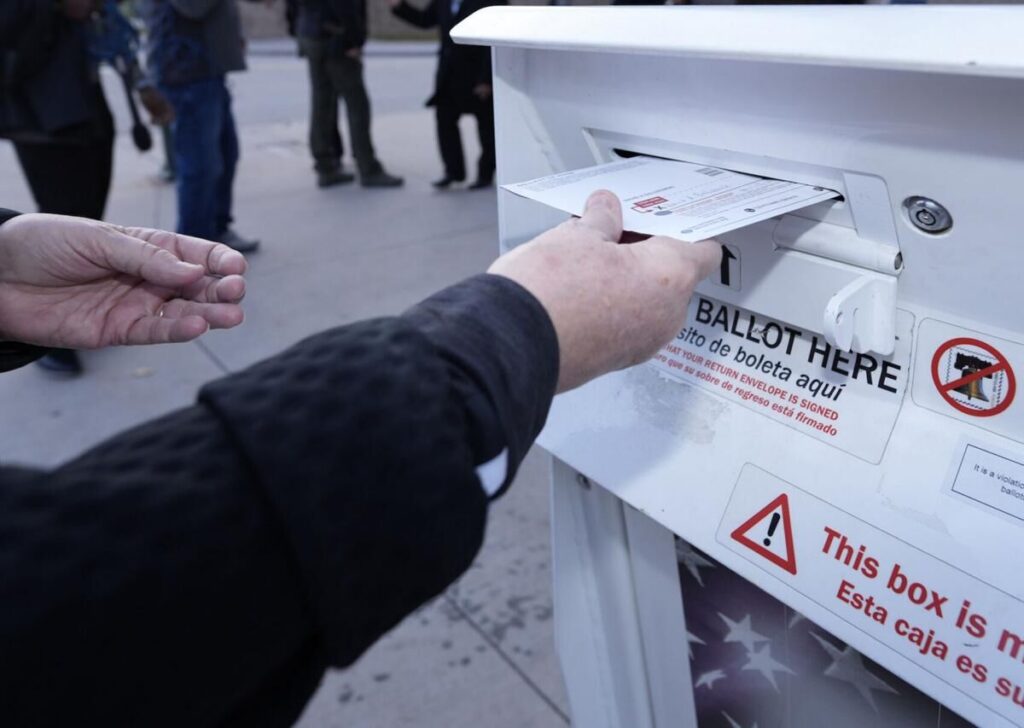
A ballot initiative that would require voters to include additional information on mail-in ballots has qualified for the November election, according to the Secretary of State’s Office. Backed by El Paso County Treasurer Chuck Broerman and former Deputy Secretary of...

Colorado election website error exposes personal data of confidential voters
Marissa Ventrelli
marissa.ventrelli@coloradopolitics.com
Updated 4 days ago
A system update accidentally lifted protections on confidential records in Colorado, exposing dozens of voters’ personal information, according to the Secretary of State’s Office. The limit that normally blocks access to confidential voter profiles was inadvertently disabled during an update...
PUC adds weekly comment after killing private talks
Scott Weiser
scott.weiser@gazette.com
Updated 4 days ago
The Colorado Public Utilities Commission will take public comment at the start of every commissioner’s weekly meeting beginning Sept. 9 as part of its new transparency mandate, the commission announced, expanding a slot previously limited to the second Wednesday of...
El Paso County upholds Buc-ee’s zoning appeal, clearing way for administrative approval
Savannah Eller
savannah-eller@coloradopolitics.com
Updated 4 days ago
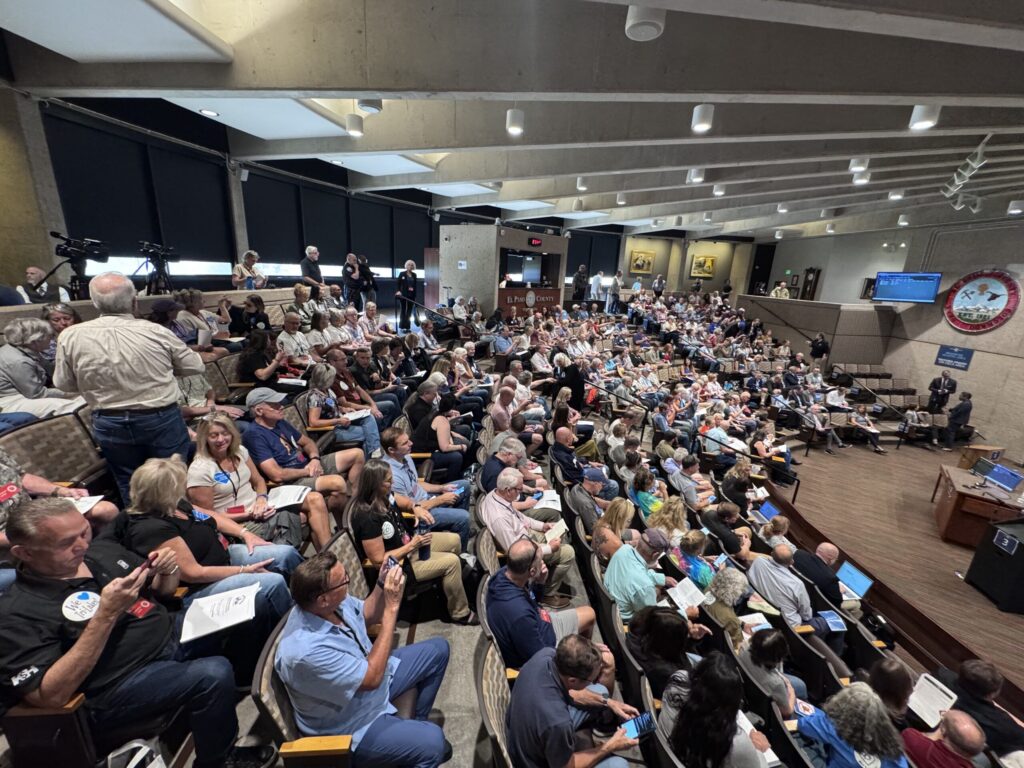
A packed, daylong meeting on Thursday resulted in a win for the Texas travel center chain Buc-ee’s, with El Paso County commissioners voting 4-1 to approve the developer’s zoning appeal. “I think the burden of proof has been met here,”...
PREV
PREVIOUS

El Paso County upholds Buc-ee’s zoning appeal, clearing way for administrative approval
A packed, daylong meeting on Thursday resulted in a win for the Texas travel center chain Buc-ee’s, with El Paso County commissioners voting 4-1 to approve the developer’s zoning appeal. “I think the burden of proof has been met here,” said Commission Chair Carrie Geitner. The appeal centered on whether Buc-ee’s is a use that […]

Healthcare Freefall: AI arms race hits rural healthcare as hospitals fight to keep up
Editor’s Note: Colorado’s healthcare system is entering a period of accelerating instability — a “tsunami,” as multiple leaders describe it — driven by collapsing hospital finances, shrinking Medicaid reimbursements, disappearing services and a political fight over who is responsible for this unraveling. Healthcare Freefall is a multipart series examining how Colorado arrived at this moment, […]