Divided appeals court upholds warrantless DNA collection in Colorado cold case, cautions of government overreach
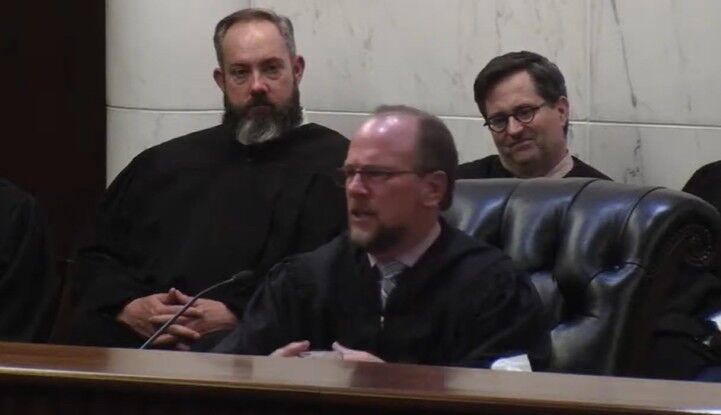
Colorado’s second-highest court upheld the warrantless collection of a suspect’s DNA from a discarded soda can as constitutional on Thursday, while warning about potential abuse of DNA privacy in the absence of further guardrails.
By 2-1, a three-judge Court of Appeals panel concluded that neither the U.S. nor Colorado constitutions required law enforcement to obtain a warrant before retrieving a Vanilla Coke can from David Dwayne Anderson’s trash, analyzing the DNA, and using it to link him to a 1981 Arapahoe County murder.
Judge Craig R. Welling, in the Aug. 20 majority opinion, wrote that prior decisions of the U.S. and Colorado supreme courts supported the warrantless collection of trash, and there was no warrant requirement solely because the evidence involved a person’s DNA.
“Indeed, DNA evidence is different in that we constantly and involuntarily shed DNA everywhere we go and its analysis may reveal a treasure trove of personal information about an individual beyond the person’s identity. Further, the amount of information available from DNA is only increasing with technological advances,” he wrote. But past court decisions “didn’t rely on the amount of information that could be obtained from a person’s garbage or whether the privacy interest in the garbage would be significant.”
Case: People v. Anderson
Decided: August 20, 2026
Jurisdiction: Arapahoe County
Ruling: 2-1
Judges: Craig R. Welling (author)
W. Eric Kuhn (concurrence)
Timothy J. Schutz (dissent)
Judge W. Eric Kuhn joined Welling’s opinion, but wrote separately to voice his concerns about the government collecting DNA for reasons other than identifying a suspect. He suggested the “unfettered use, retention, and cataloging” of DNA from discarded objects would be problematic.
“I am also mindful of the tremendous potential for abuse inherent in such personal information residing in the hands of the government or, indeed, a private actor,” Kuhn wrote. “I urge legislators to continue to focus on these vital privacy concerns as DNA technology continues to evolve.”
Judge Timothy J. Schutz dissented. While he acknowledged that the state and federal constitutions permitted law enforcement to seize Anderson’s soda can from the trash, Schutz believed the Colorado Constitution created an expectation of privacy for DNA, such that police needed a warrant to test for it.
“All of us shed DNA wherever we go and without any thought or control. When we cough, sneeze, or sweat, we leave a DNA trail,” he wrote. “Unless we go through the world in some form of hermetically sealed bubble, we leave a record of our DNA. But critically, this is not the product of a voluntary choice or action. It is the inevitable consequence of existing.”

For 40 years, police were unable to solve the 1981 murder of Sylvia Quayle at her home in Cherry Hills Village. In 2021, former Denver District Attorney Mitch Morrissey and his genetic investigation company identified Anderson as a potential match to DNA at the crime scene. An investigator traveled to Nebraska and retrieved a Vanilla Coke can from a dumpster at Anderson’s apartment complex. Colorado law enforcement tested the can and determined there was a DNA match.
Only then did police obtain a warrant to swab Anderson for DNA.
A jury initially deadlocked in Anderson’s first murder trial in early 2022, but a new jury found him guilty during a retrial a few months later.
On appeal, Anderson argued the warrantless collection of his DNA amounted to an unreasonable search and seizure under the Fourth Amendment and Colorado’s parallel constitutional provision. Although prior court precedent approved of warrantless searches of “discarded” or “abandoned” garbage, Anderson maintained that DNA is different.
“Shedding DNA is unintentional and it’s unavoidable. We all shed DNA everywhere we go,” said public defender Jessica A. Pitts during oral arguments. “I was thinking today, how could I show up in public to this argument and not get my DNA all over this microphone and this podium? I’d have to come in a ski mask with an N95. I’d have to wear goggles that would cover my eyebrows and eyelashes.”
“I understand your argument that DNA has a legion of information that other kinds of evidence don’t,” said Kuhn. “But in this case, DNA was just used for identification. So, help us draw a line between DNA just for identification and things like fingerprints and tire track marks — things that we still leave all the time but have less information inherent in them.”
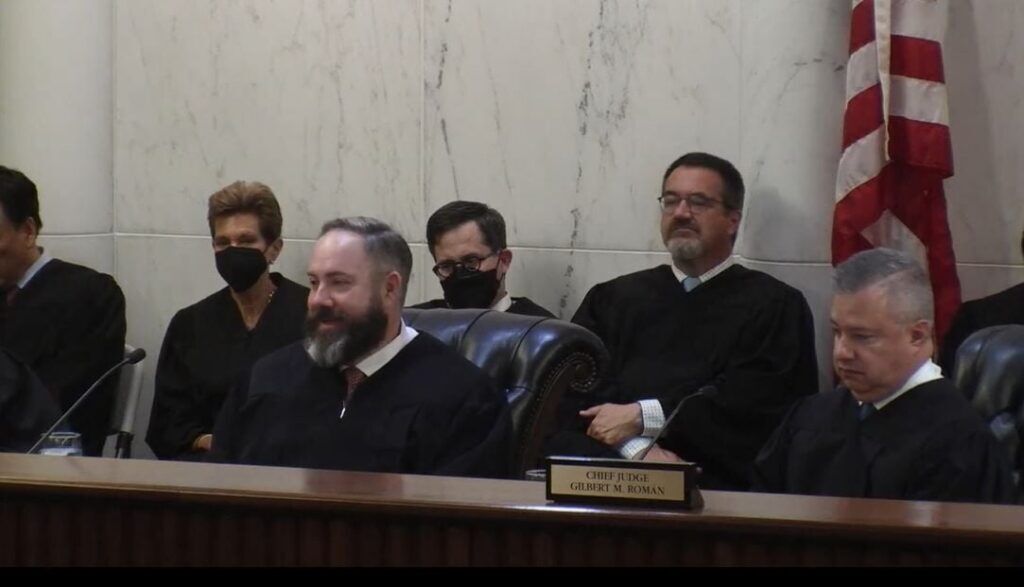
Schutz pressed the government to explain why DNA left involuntarily in public was analogous to discarded trash.
“Think of what you’re asking the public to do. Every time you go to McDonald’s, you gotta wrap up your wrapper, you gotta take your straw with you? Every time you blow your nose, you’ve gotta take that home with you?” he said. “Every time you leave any biological material, if you want to maintain that privacy interest in your biological material, you’ll have to destroy it in a way that burns everything? Literally, what are we doing to protect that privacy interest?”
Paul Koehler of the Colorado Attorney General’s Office responded that Anderson could have taken steps to shield his trash from police over 40 years, but “he did nothing.”
Ultimately, the majority of the panel agreed that Anderson did not have a privacy interest in his garbage. Because Colorado permits judges to issue orders to collect evidence for identification purposes on less than probable cause, Welling wrote, there could be no warrant requirement so long as the collection of Anderson’s DNA was for that purpose.
Welling added that it might be a different story if police collected Anderson’s DNA for other reasons, such as building a DNA database.
“Simply put, we don’t see, and Anderson doesn’t offer, a rationale rooted in the United States or Colorado Constitution for us to impose a requirement of advance judicial approval before lawfully obtained DNA is tested,” Welling concluded.
Schutz, in dissent, argued that a person who discards a soda can does not intend to give the government “the keys to their genetic code.” He characterized the government’s argument as asking Coloradans to “trust us” that warrantless DNA collection will be confined to legitimate law enforcement.
“I find it misguided. I simply do not believe objectively reasonable Coloradans are willing to assume that the government can be trusted for all time to never use their seized DNA and related data for improper purposes,” Schutz wrote, emphasizing that a private company originally supplied the DNA in Anderson’s case.
“Coloradans should expect law enforcement to use DNA evidence and other investigative tools to exonerate the innocent and convict the guilty. But Coloradans do not need to choose between effective police investigations and compliance with their constitutional rights,” he concluded. “The answer to how that balance must be effectuated is simple: ‘Get a warrant.’”
The case is People v. Anderson.

10th Circuit grants immunity to officers for fatal Manitou Springs shooting
Michael Karlik
michael.karlik@coloradopolitics.com
Updated 20 hours ago
The Denver-based federal appeals court ruled on Wednesday that responding officers from Manitou Springs and El Paso County cannot be held constitutionally liable for shooting and killing a man after a 20-minute standoff. Wilford Deweese allegedly pulled out a gun...
10th Circuit rejects invitation for full-court review of tax-avoidance case
Michael Karlik
michael.karlik@coloradopolitics.com
Updated 17 hours ago
The Denver-based federal appeals court declined to reconsider the standards for holding entities liable for their tax-avoidance schemes, with a majority of judges voting against full-court review on Monday. In April, a three-judge panel of the U.S. Court of Appeals...
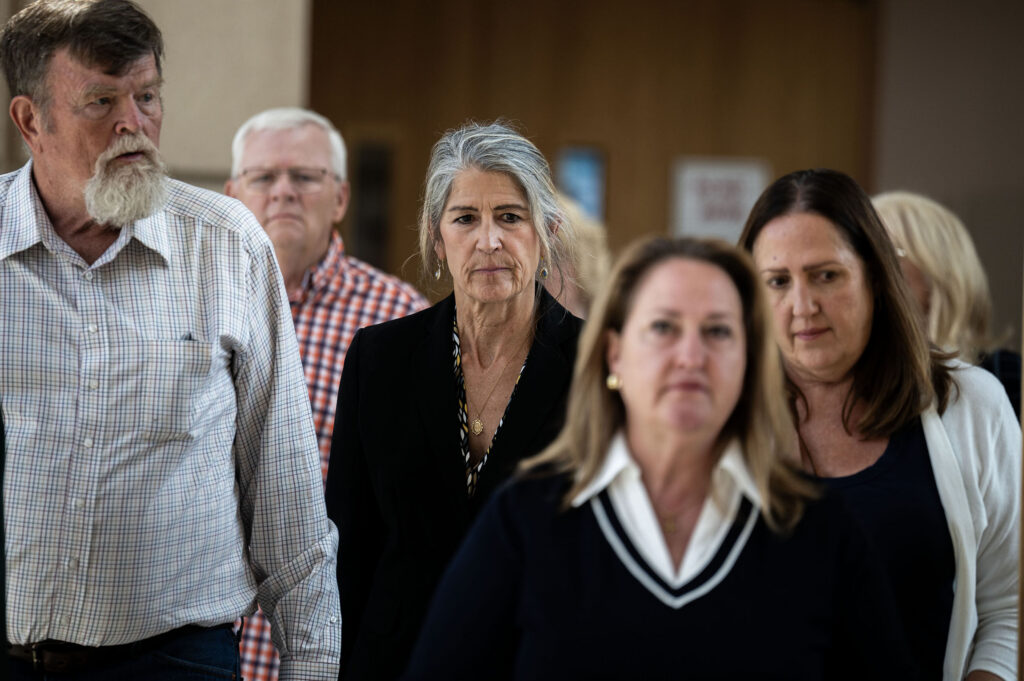
Colorado judge blasts state forensics lab in dismissing child sex case
Jenny Deam
jenny.deam@gazette.com
Updated 18 hours ago
In a potentially widely consequential action, a Weld County district judge dismissed a child sexual assault case, citing the ongoing scandal at the Colorado Bureau of Investigation’s forensic lab that “has left a dark mark on the history of Colorado...
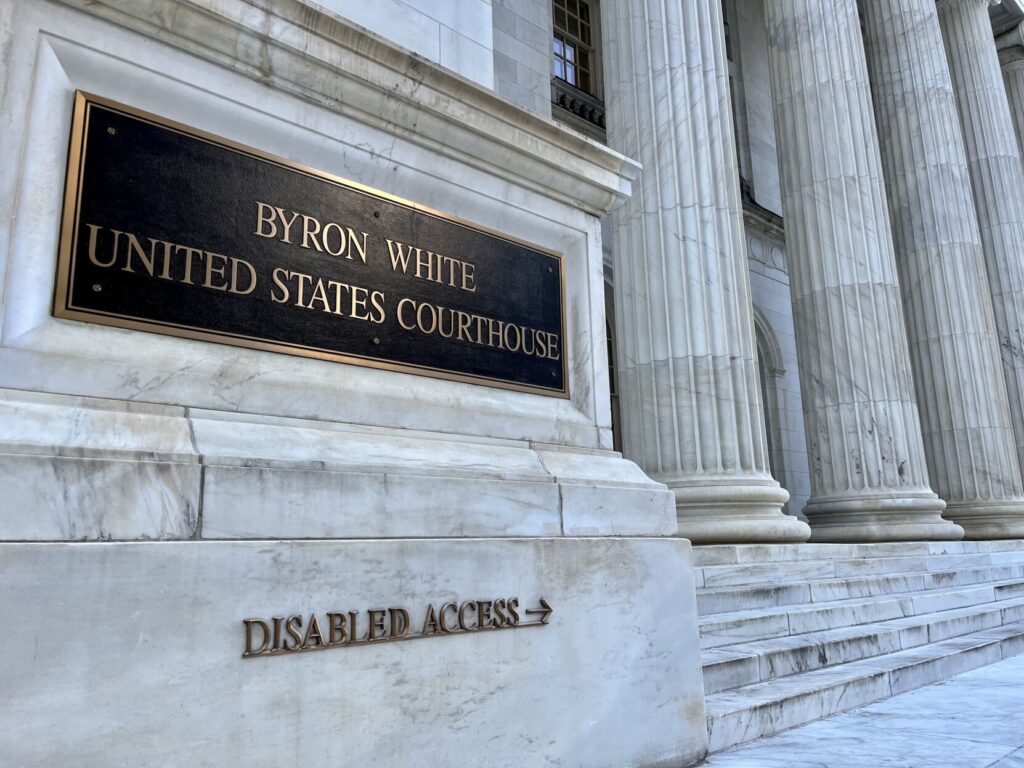
10th Circuit sympathetic to Colorado consumer protection law governing interest rates
Michael Karlik
michael.karlik@coloradopolitics.com
Updated 2 days ago
Members of the Denver-based federal appeals court appeared sympathetic on Tuesday to Colorado’s assertion that it can lawfully require certain out-of-state banks to abide by the state’s own ceilings on interest rates when they lend to consumers in Colorado. The...
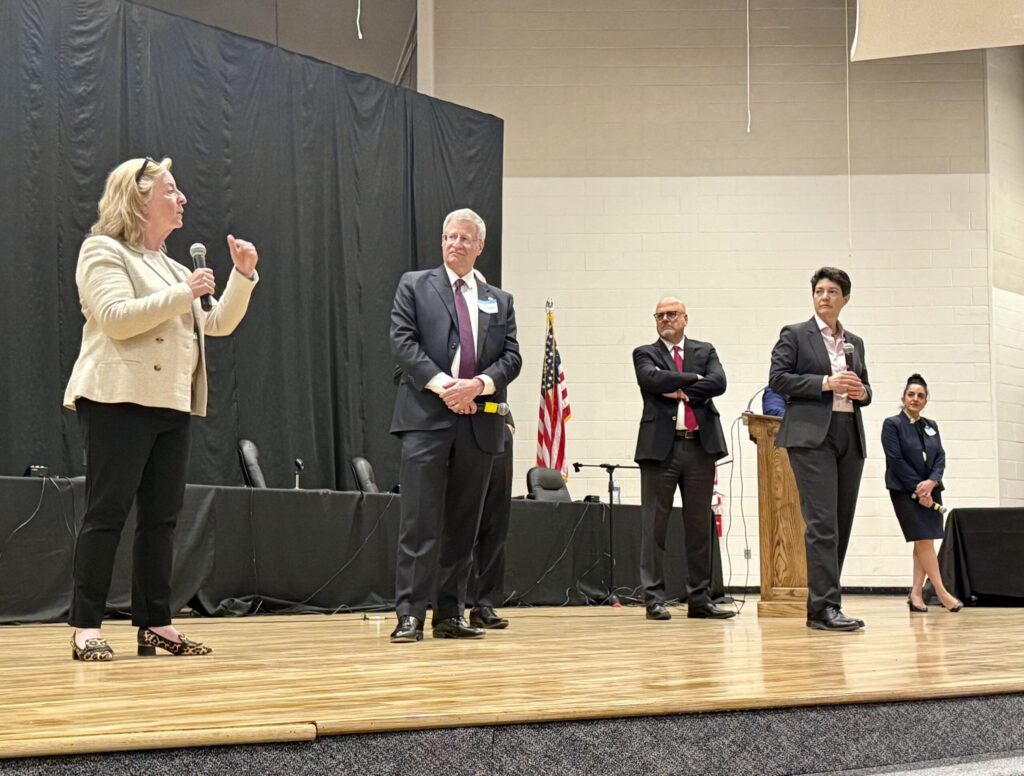
Colorado justices to decide insurance companies’ obligation to disclose relevant policies
Michael Karlik
michael.karlik@coloradopolitics.com
Updated 24 hours ago
The Colorado Supreme Court announced on Monday that it will decide whether an insurance company violated state law by withholding an at-fault driver’s policy for nearly a year when there was no dispute that the policy was not in effect...

Judicial performance evaluations released, Montezuma County judge disciplined | COURT CRAWL
Michael Karlik
michael.karlik@coloradopolitics.com
Updated 3 days ago
Welcome to Court Crawl, Colorado Politics’ roundup of news from the third branch of government. Colorado’s citizen-led judicial performance commissions released their voter narratives for the judges standing for retention in November, plus a disciplinary panel imposed consequences on a...
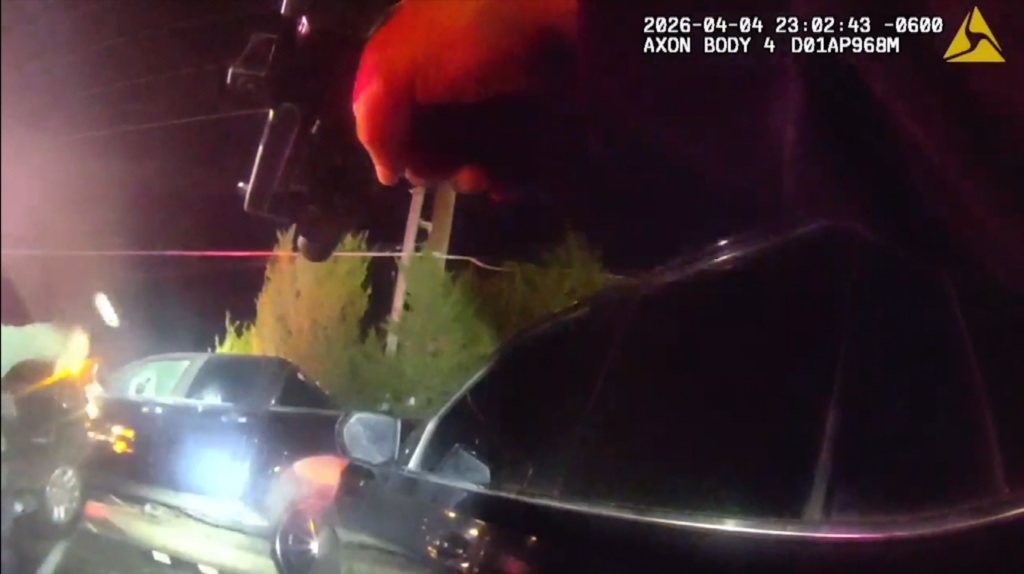
DA justifies CSPD officers in fatally shooting man at McDonald’s
Cleo Westin
cleo-westin@coloradopolitics.com
Updated 2 days ago
The deadly shooting of a man by Colorado Springs police officers at a McDonald’s was ruled justified by the 4th Judicial District Attorney’s Office on Monday, the office announced in a news release. The ruling determined officers Daniel White, Mitchell...
Federal judge holds off on dismissing formerly bankrupt medical contractor from Jeffco jail death lawsuit
Michael Karlik
michael.karlik@coloradopolitics.com
Updated 2 days ago
A federal judge declined on Monday to dismiss the formerly bankrupt medical contractor from a lawsuit over a detainee’s death in Jefferson County jail, but indicated she would do so if the plaintiffs’ attorneys go through the process to ensure...
Castle Rock caregiver sentenced after stealing more than $110,000 in jewelry from family
Nicholas Fogleman
nicholas.fogleman@denvergazette.com
Updated 2 days ago
A judge sentenced a Castle Rock caregiver to 90 days in jail after she pleaded guilty to stealing more than $110,000 worth of jewelry from the family of a disabled son under her care. Elsa Montejo-Fuentes, 32, had worked for...
Federal judge green-lights excessive force, retaliation claims for trial against Fort Collins officers
Michael Karlik
michael.karlik@coloradopolitics.com
Updated 5 days ago
A federal judge green-lit a jury trial last week against multiple Fort Collins police officers on claims that they used excessive force on one man who was standing unarmed in his underwear, and retaliated against another man for exercising his...