

Uncertain status of McConnell could create legal firestorm over possible replacement
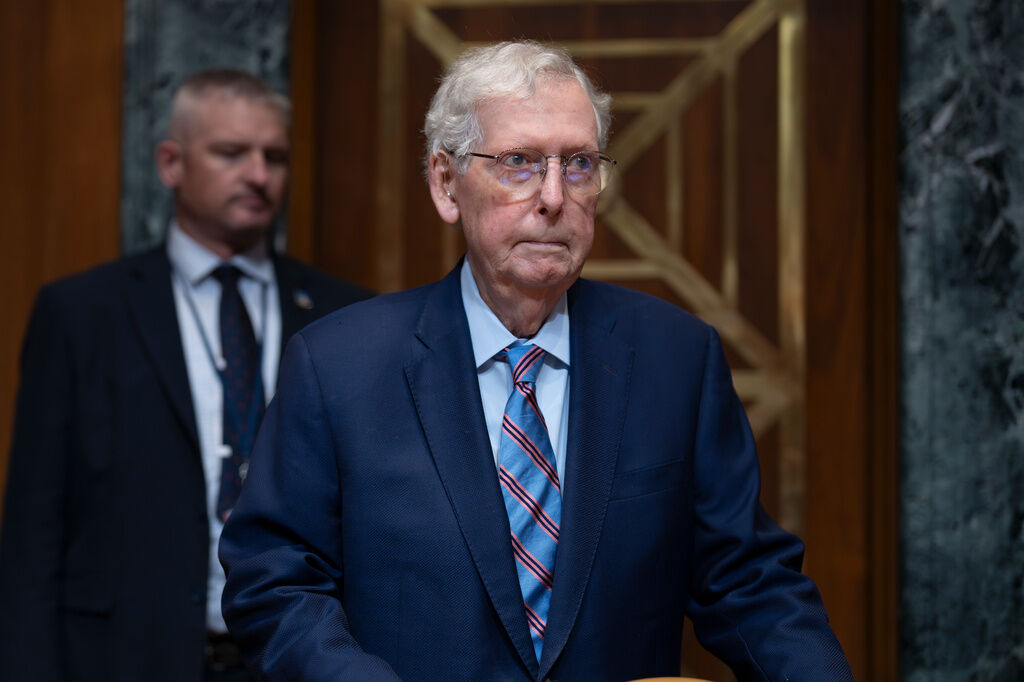
Sen. Mitch McConnell’s (R-KY) extended hospitalization is drawing new attention to an unresolved legal question in Kentucky that could trigger a high-stakes court battle if the longtime Republican senator were unable to complete the remainder of his term.
The question carries added urgency because Kentucky’s revised Senate vacancy law creates a narrow window for holding a special election before this fall’s already scheduled Senate race, raising the stakes if the former Republican Senate majority leader’s seat were to become vacant in the coming weeks.
McConnell, 84, has remained hospitalized since June 14 following what his office has described only as a medical emergency. While Senate leaders and his staff have insisted he is recovering, coupled with Senate Majority Leader John Thune (R-SD) and others who’ve said they spoke with him on Monday, the prolonged absence has fueled speculation over what would happen if his seat became vacant before a key statutory deadline coming up in early August.
Political scientist Stephen Voss of the University of Kentucky told the Washington Examiner the situation is unfolding against the backdrop of years of legal disputes over executive authority in Kentucky, where Republican lawmakers and Democratic Gov. Andy Beshear have repeatedly clashed over the scope of gubernatorial powers.
“Kentucky’s had an ongoing battle over executive authority since COVID with the Democratic governor in place,” Voss said. “The legal battles have been raging during much of that time.”
Voss added that Kentucky’s unusual constitutional structure — with multiple independently elected statewide executive officers rather than a single executive hierarchy — has complicated questions about how far lawmakers can redistribute executive authority.
He pointed to recent Kentucky Supreme Court rulings siding with Beshear in disputes over executive powers, saying those decisions could shape any future challenge over the Senate vacancy law.
“One thing (people) probably don’t understand is that the U.S. Constitution does not specify how to fill Senate vacancies,” Voss said. “Filling Senate vacancies was given to the states.”
Voss also said Kentucky’s government is unusual because it doesn’t have a single executive branch headed solely by the governor. Instead, several constitutional officers independently exercise executive authority, creating recurring disputes over how much power lawmakers can reassign.
The renewed focus on how Kentucky handles Senate replacements stems from House Bill 622, a 2024 law that repealed Kentucky’s long-standing practice of allowing the governor to appoint an interim U.S. senator. Instead, the law requires vacancies to be filled through a special election, with the governor’s role limited to issuing a proclamation calling that election.
Under the current statute, a vacancy occurring before Aug. 3 would trigger the process for a special election to fill the remainder of McConnell’s current term.
But election law experts say the law, which has not yet been tested in court since taking effect in 2024, could face constitutional scrutiny.
“There’s a wrinkle,” University of Kentucky Rosenberg College of Law associate dean Josh Douglas told Newsweek.
“The Kentucky Constitution, in Section 152, says the Governor appoints when there is a vacancy in a statewide office,” he said. “Yet the 17th Amendment to the U.S. Constitution says essentially that there should be an election but that the legislature can give the Governor the ability to make a temporary appointment.”
Douglas said the unresolved question is “whether the Kentucky constitution conflicts with the 17th Amendment, such that the newer law saying there must be a special election is valid.”
He added that the issue has never been tested in court and would likely require judicial resolution.
The legal uncertainty has become more significant because McConnell already announced in February last year that he would retire, and Kentucky voters are scheduled to elect his successor in November.
After the Aug. 3 deadline, because the regular Senate election is already underway, the statute appears to contemplate that no separate special election would be held, leaving the seat vacant until the November winner takes office in January.
Because the deadline is less than a month away, it would generate a need for speed for the state’s highest court to adjudicate any legal dispute over whether the governor may appoint a replacement or whether the statute requiring a special election is valid.
That deadline has also fueled speculation not only about who controls the power of replacement, but also about who could seek the seat if a special election were required.
Former Rep. Marjorie Taylor Greene (R-GA) said this week she would “love to see” outgoing Rep. Thomas Massie (R-KY) run for McConnell’s seat if it became vacant. Massie lost his Republican primary earlier this year after President Donald Trump and establishment-backed Republicans supported his challenger.
For now, McConnell remains a sitting senator despite the lack of clarity surrounding his health status.
His office said last week that he “continues to improve” and is working with staff on Senate and Kentucky matters while the Senate is out of session. Neither McConnell’s office nor the Kentucky secretary of state’s office have indicated that any vacancy is anticipated.
The Washington Examiner contacted a spokesman for McConnell but did not immediately receive a response.

Colorado measure redirects sales tax revenue from sporting goods, equipment to conservation programs
The Denver Gazette
the-denver-gazette@coloradopolitics.com
Updated 6 hours ago
A proposal to redirect sales tax revenues from sporting goods and equipment toward wildfire and conservation programs will appear on the ballot this November, election officials in Colorado confirmed. The measure, if approved by voters, would reduce the amount available...
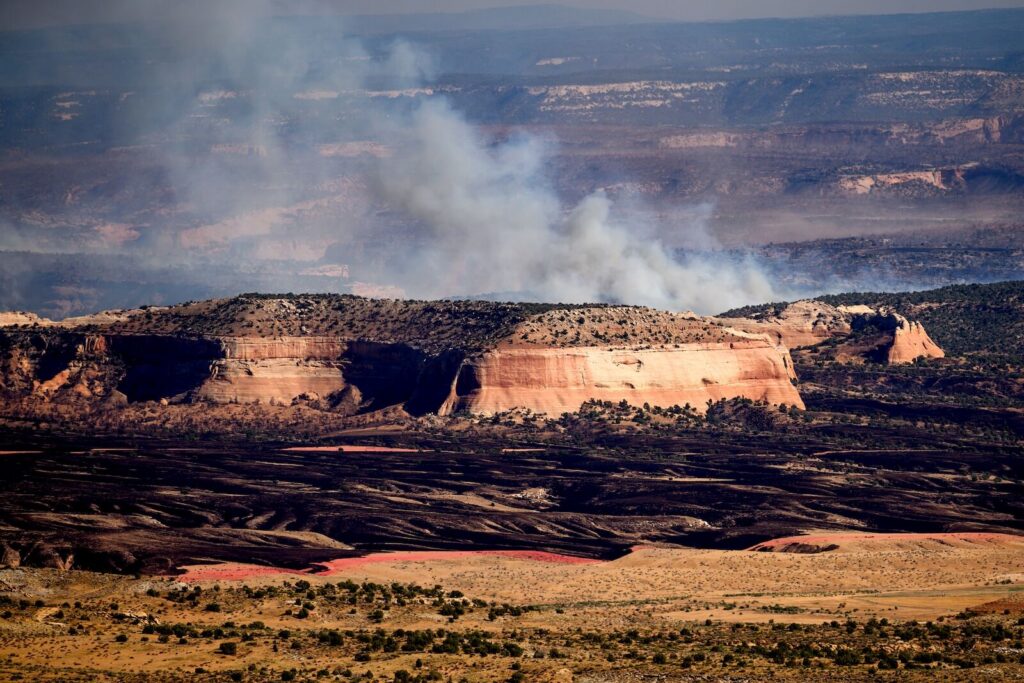
Firefighters’ deaths prompt debate over 100% suppression wildfire strategy
Rachael Wright, Special to Colorado Politics
rachael.wright@coloradopolitics.com
Updated 3 hours ago
On July 22, 2026, the chief of the U.S. Forest Service testified before a House Agriculture subcommittee that his agency pursues a “full suppression” strategy to contain all fires while they are still small, rather than allowing them to burn...
A summertime all-you-can-eat political buffet | SONDERMANN
Eric Sondermann
eric-sondermann@coloradopolitics.com
Updated 4 days ago
We find ourselves in the doldrums of August with a complete dearth of political news. Yeah, right. These days, that train never stops moving. It is a 24/7/365 express amplified by 24/7/365 media. Let me respond with one of my...
GOP worker pleads guilty to campaign funds embezzlement scheme | A LOOK BACK
Rachael Wright, Special to Colorado Politics
rachael.wright@coloradopolitics.com
Updated 4 days ago
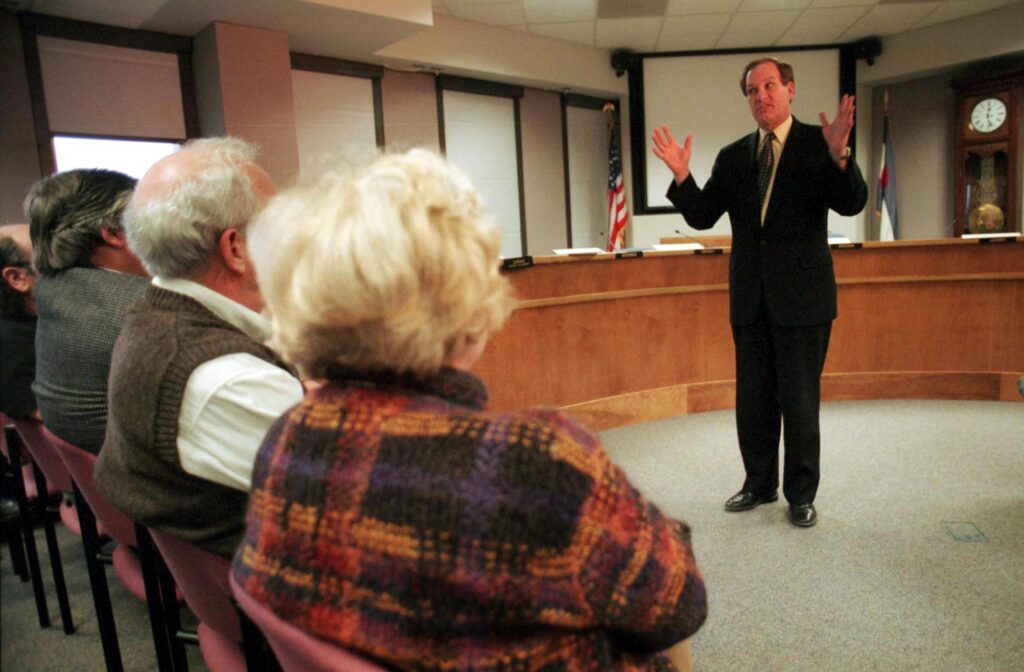
Forty-five Years ago this week: After pleading not guilty to a Denver federal grand jury indictment of five counts of bank embezzlement, Eve Lynn Lincoln, a Colorado Republican Party employee, decided to plead guilty to one count: using bank credit...
Schoolchildren’s presence at child sex-related trial did not harm Arapahoe County defendant, appeals court says
Michael Karlik
michael.karlik@coloradopolitics.com
Updated 1 day ago
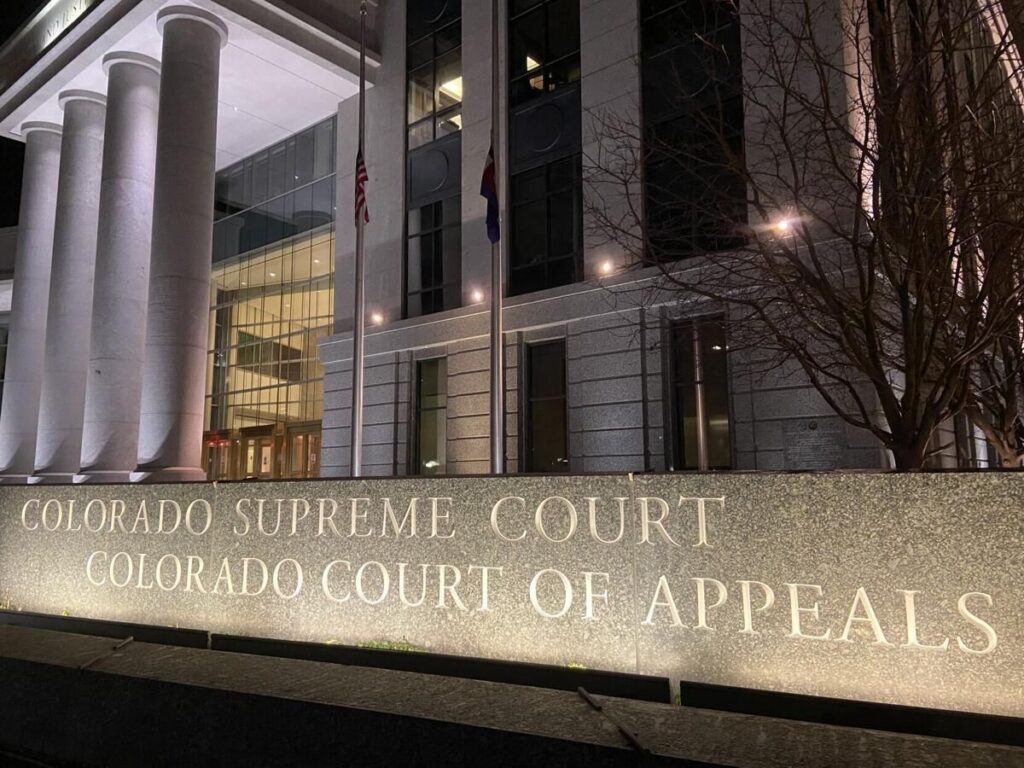
Colorado’s second-highest court decided on Thursday that the presence of a group of schoolchildren on the first day of a child sexual exploitation trial did not violate an Arapahoe County defendant’s constitutional right to a fair trial. Prosecutors charged Jerry...
Appeals court cites week-old Colorado law to reinstate child neglect case at child, father’s request
Michael Karlik
michael.karlik@coloradopolitics.com
Updated 23 hours ago
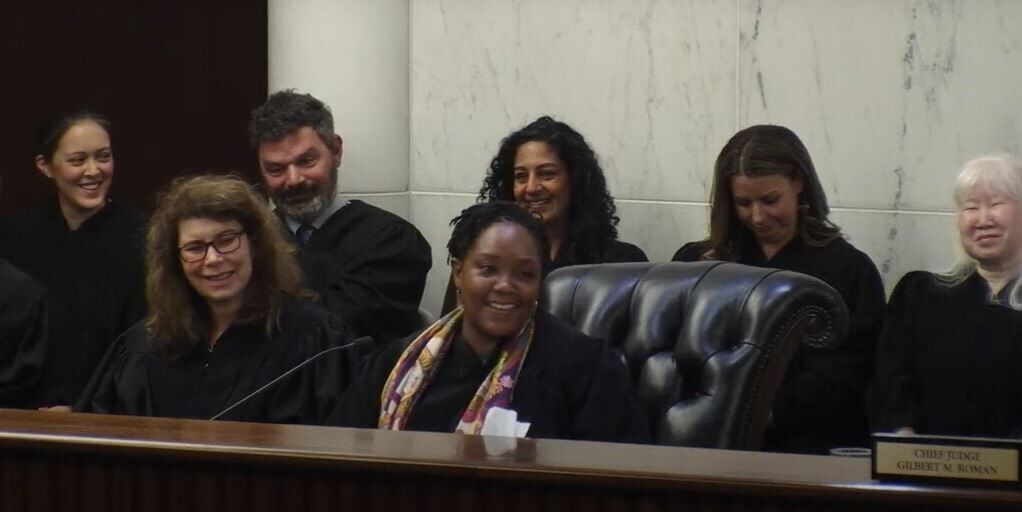
Colorado’s second-highest court invoked a new state law for the first time on Thursday and reinstated a child neglect case that both the child and her father wished to reopen. House Bill 1227 took effect on Aug. 12, reversing a...
Democratic candidate in Colorado’s 4th CD urges long-term water planning
Marianne Goodland
marianne.goodland@coloradopolitics.com
Updated 23 hours ago
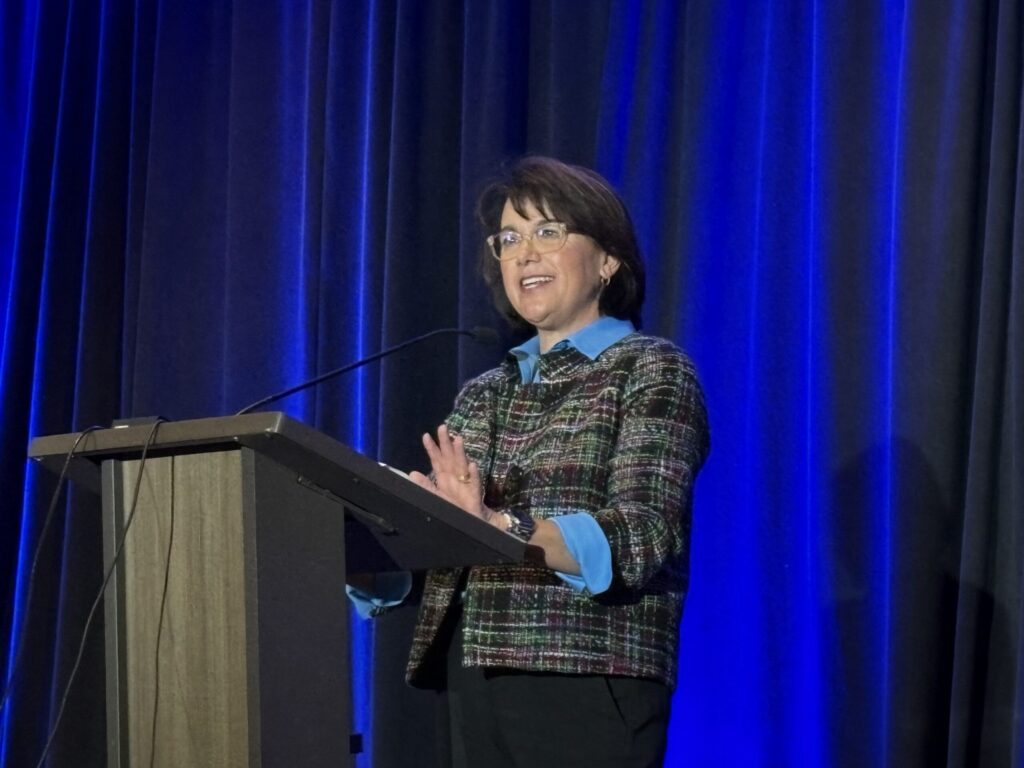
The Democrat hoping to become the next representative of Colorado’s 4th Congressional District on Thursday made her case on the final day of Colorado Water Congress in Steamboat Springs. Eileen Laubacher, who spent 34 years in the U.S. Navy and...

Castle Rock council declines to censure member accused of misconduct
Nicholas Fogleman
nicholas.fogleman@denvergazette.com
Updated 2 days ago
A Castle Rock Town Council meeting Tuesday became consumed by allegations that a councilmember attempted to trade a town policy decision for the withdrawal of a recall effort against him. The allegations against Councilmember Mark Davis surfaced during public comment...

Proposal to cap Colorado income tax rate qualifies for November ballot
Thelma Grimes
thelma.grimes@coloradopolitics.com
Updated 11 hours ago
Election officials on Thursday confirmed that the proposal to cap the state’s income tax at the current rate submitted signatures and voters will consequently decide its fate this November. The fight over tax rates is part of the tug and...

Trump reaches deal to halt tariffs on beef for 90 days in bid to lower prices
Rena Rowe
rena.rowe@washingtonexaminer.com
Updated 2 days ago
President Donald Trump announced Friday that he had reached a deal to temporarily ease tariffs on beef imports, saying the move would help lower prices for families as the United States faces a severe cattle shortage and record-high beef prices....
PREV
PREVIOUS

Colorado Supreme Court accepts child neglect, unlawful search appeals
The Colorado Supreme Court recently announced that it will decide whether a series of missteps led an El Paso County judge to improperly terminate a father’s parental rights, and whether a police officer defendant bears the burden of proving that his warrantless vehicle search was legally justified. At least three of the court’s seven members […]
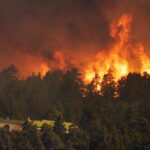
Aspen Acres fire damage footage released, residents seek reentry
First looks at the damage path are emerging in the Aspen Acres fire, as more than 11,000 people wait for news on when they can return. Tuesday afternoon, the Pueblo County Sheriff’s Office released a nine-minute video showing fire damage from the air along Pine Drive in Beulah. More footage will be coming out later, […]