

Overruling the voters before they even vote | PODIUM
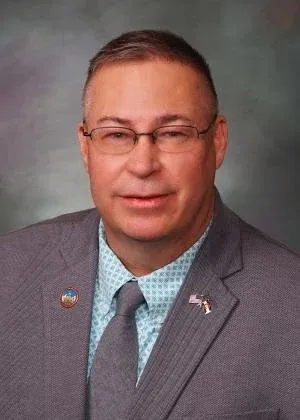
By Chris Richardson
There is something profoundly wrong with a legislature that sees a citizen-led constitutional amendment gaining momentum and responds not by making its case to the public, but by passing a law designed to neutralize it before voters ever cast a ballot.
That is exactly what happened with House Bill 26-1430.
Initiative 175 asks a straightforward question: Should revenue generated from vehicles, fuel and transportation-related purchases be constitutionally dedicated to roads, highways and bridges?
Colorado voters are fully capable of considering that question. They can examine the benefits, weigh the budget consequences, listen to both sides and decide for themselves.
But rather than trust the people, the legislature moved preemptively to frustrate the result.
HB26-1430 was crafted so that, if Initiative 175 passes, the state would reduce transportation taxes and fees, divert newly dedicated revenue to replace obligations the General Fund already pays, and effectively erase nearly all of the additional road funding voters thought they had approved during the measure’s first several years.
In other words, voters could amend the Colorado Constitution to dedicate more money to roads, and the legislature’s response would be to rearrange the books, so roads receive almost nothing more.
That is not respecting the will of the people. It is an end run around it.
I argued against this legislation, and I voted against it, because the principle involved is far larger than one transportation proposal. It was rammed through legislature by the majority with final votes taken on the last day of the session.
The legislature does not own the Colorado Constitution. The governor does not own it. The political majority does not own it.
The people do.
If lawmakers believe Initiative 175 is bad policy, they should say so openly. They should explain which programs might be affected, defend their spending priorities, and persuade voters to reject the amendment. That is how representative government and direct democracy are supposed to work.
What lawmakers should not do is quietly build a statutory trapdoor beneath a citizen initiative — one designed to preserve the technical wording of a constitutional amendment while defeating its obvious purpose.
The arrogance is breathtaking.
HB26-1430 assumes legislators know better than the voters and that, if the public makes the “wrong” decision, the legislature should be prepared to undo it through tax reductions, fund transfers, accounting maneuvers and statutory sleight of hand.
Supporters will call this responsible budgeting. It is nothing of the sort.
Responsible budgeting means honestly confronting tradeoffs. It means setting priorities, controlling spending and making the case for those choices to the public. It does not mean sabotaging a prospective vote because the political establishment fears the outcome.
Nor is this simply a disagreement over roads. It is a question of whether the consent of the governed still means anything.
Colorado’s citizen-initiative process exists precisely because the people retain legislative authority independent of the General Assembly. It allows citizens to act when their elected officials will not. Preemptively nullifying the practical effect of an initiative strikes at the heart of that constitutional right.
Even people who oppose Initiative 175 should be alarmed.
Today, the target is road funding. Tomorrow, it could be a tax limitation, a criminal justice reform, an election measure, or any other citizen proposal the legislative majority dislikes.
Once government accepts the principle it may preemptively evade the voters’ decision, no citizen initiative is secure.
HB26-1430 sends a contemptuous message to Coloradans: You may vote, but we will decide whether your vote is allowed to matter.
I reject that message.
I voted no because the people deserve an honest choice, not a rigged outcome. They deserve a legislature that respects their constitutional authority, even when lawmakers disagree with how they may use it.
The General Assembly should trust the voters. Instead, it is attempting to outmaneuver them.
That is bad policy, corrosive politics, and an affront to every Coloradan who believes government derives its authority from the consent of the governed.
Chris Richardson represents Colorado House District 56 and serves on the House Transportation, Housing and Local Government Committee. A retired U.S. Army colonel, combat veteran and former Elbert County commissioner, he focuses on rural Colorado, local control, infrastructure, public safety and protecting the freedoms of Colorado families.

Colorado lawmaker, House leaders named in workplace-retaliation lawsuit
Marianne Goodland
marianne.goodland@coloradopolitics.com
Updated 9 hours ago
A former legislative aide has filed a lawsuit alleging she was mistreated, illegally directed to perform campaign work and harmed by a House leadership structure she charged was fragmented, politicized and ineffective at protecting employees. The lawsuit, filed by Jennifer...
Blue states should avoid disasters | Hal Bidlack
Hal Bidlack
hal-bidlack@coloradopolitics.com
Updated 14 hours ago
Back when I was teaching political science at the U.S. Air Force Academy (and amazingly to me, a week from this column’s publication will mark 20 years since my retirement from active duty. Where the heck did that time go?)...

Right-to-hunt ballot measure’s a cruel, anti-wildlife solution to a nonexistent problem | GUEST COLUMN
Colorado Politics
colorado-politics@coloradopolitics.com
Updated 1 day ago
By Eric Washburn I love to hunt. Every year I try to hunt big game in Colorado and waterfowl in Louisiana. This year, I applied for five Colorado big game licenses — elk, deer, pronghorn, moose and bighorn sheep. I...

Jena Griswold’s record: corruption, incompetence | Dick Wadhams
Dick Wadhams
dick-wadhams@coloradopolitics.com
Updated 4 days ago
There is no statewide elected official going back decades who is as breathtakingly corrupt and incompetent as Secretary of State Jena Griswold, who is now running for attorney general of all things. And compliant ruling Democrats know it. Their silence...

Kiros exudes why Colorado’s political times are a-changin’ at annual Denver Dems gala | Miller Hudson
Miller Hudson
miller-hudson@coloradopolitics.com
Updated 4 days ago
Among Colorado’s few remaining bipartisan rituals are county and state party dinners. I was particularly intrigued by last week’s Denver Democratic Party’s 2026 Annual Gala, a “New Deal for a New Era.” Their glossy program featured an artist’s Technicolor rendering...

Livestock grazing regulations need flexible updates | Rachel Gabel
Rachel Gabel
rachel-gabel@coloradopolitics.com
Updated 4 days ago
The Bureau of Land Management last updated their livestock grazing regulations the year I graduated from high school. I am 49. Assessing rangeland health can’t be done once and not revisited. This year is a prime example that managers must...

Taxpayers donate to tax increase campaign | Jon Caldara
Jon Caldara
jon-caldara@coloradopolitics.com
Updated 5 days ago
Give the man his due. President Donald Trump has undeniable talents. Colorado politicians are learning. Chief among The Don’s skills is taking the self-serving, ethically dubious behavior of previous politicians and putting it on steroids. Or, to borrow from the...
Democratic candidate in Colorado’s 4th CD urges long-term water planning
Marianne Goodland
marianne.goodland@coloradopolitics.com
Updated 3 days ago
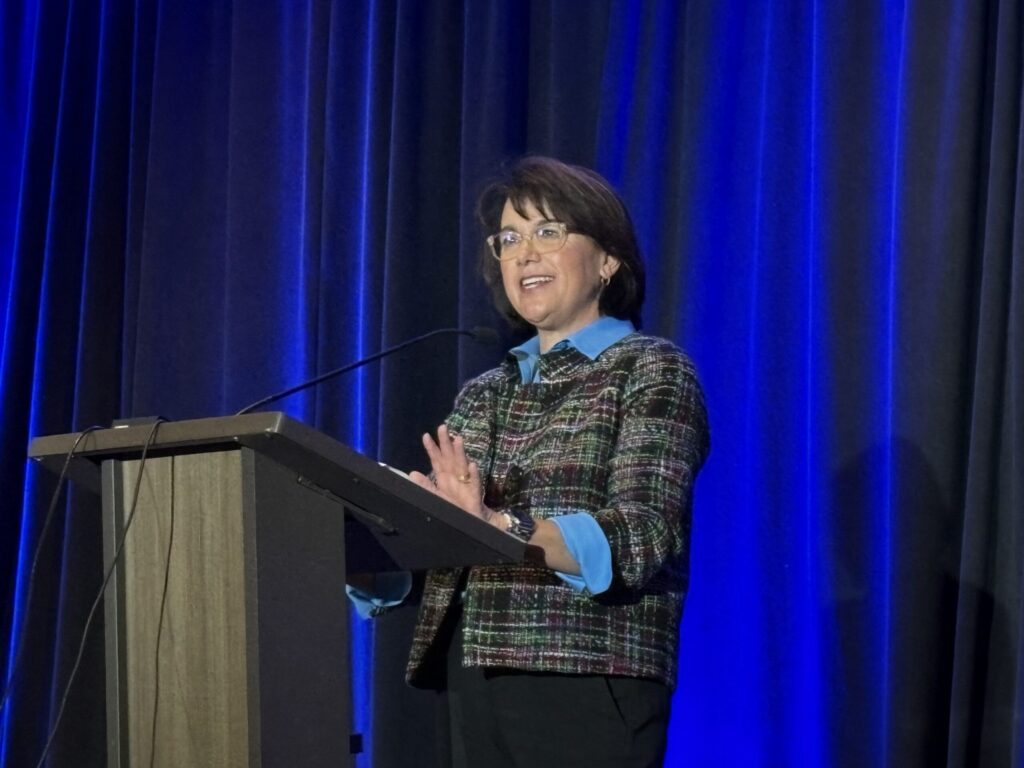
The Democrat hoping to become the next representative of Colorado’s 4th Congressional District on Thursday made her case on the final day of Colorado Water Congress in Steamboat Springs. Eileen Laubacher, who spent 34 years in the U.S. Navy and...

Proposal to cap Colorado income tax rate qualifies for November ballot
Thelma Grimes
thelma.grimes@coloradopolitics.com
Updated 3 days ago
Election officials on Thursday confirmed that the proposal to cap the state’s income tax at the current rate submitted signatures and voters will consequently decide its fate this November. The fight over tax rates is part of the tug and...

Democratic gubernatorial candidate Phil Weiser promises to appoint rural outreach director, water adviser
Marianne Goodland
marianne.goodland@coloradopolitics.com
Updated 5 days ago
Democratic gubernatorial candidate and current Attorney General Phil Weiser told the Colorado Water Congress Thursday he intends to appoint a rural outreach director and a water policy adviser should he win the election in November. Weiser’s speech at the Steamboat...
PREV
PREVIOUS
U.S. Rep. Evans tells Polis small businesses are feeling strain from state regulations
In a letter to Colorado Gov. Jared Polis on Tuesday afternoon, U.S. Rep. Gabe Evans raised concerns he says he’s hearing from small-business owners about the effects of the continued increase in state regulations. Evans wrote in the letter, which Colorado Politics obtained an advanced copy of, that small‑business owners and local chambers of commerce […]

How Colorado progressives prevailed in the primary over the machine | Paula Noonan
Dick Wadhams, well known GOP strategist who put Bill Owens in the governor’s mansion, will turn over in his political grave if Victor Marx wins the Republican nomination for governor. The GOP will bury its conservative principles for good if Republican voters elect Marx over state Sen. Barbara Kirkmeyer. A Marx win will finish any […]