

Property owners may access evidence before eminent domain decisions, Colorado justices conclude
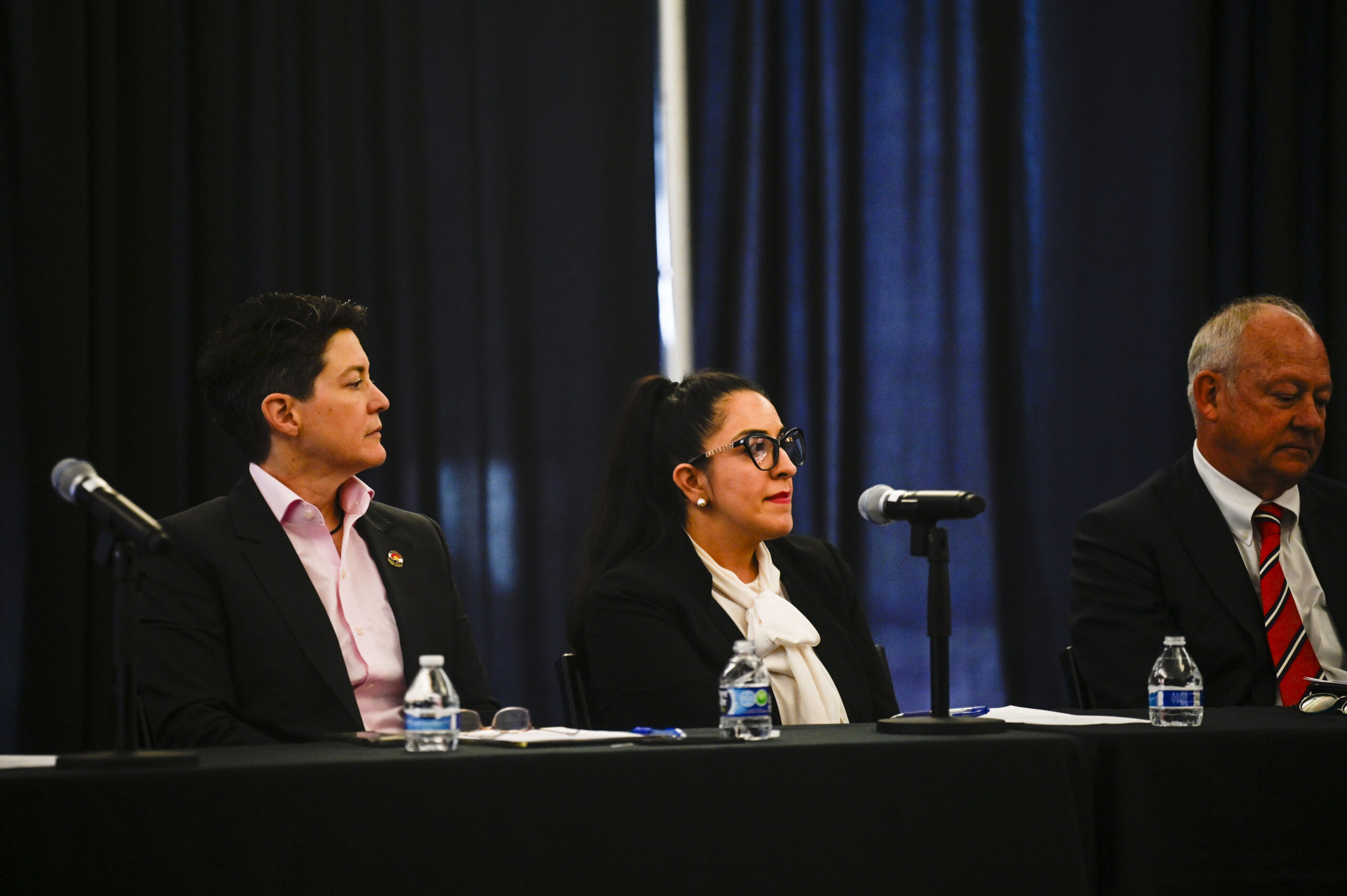
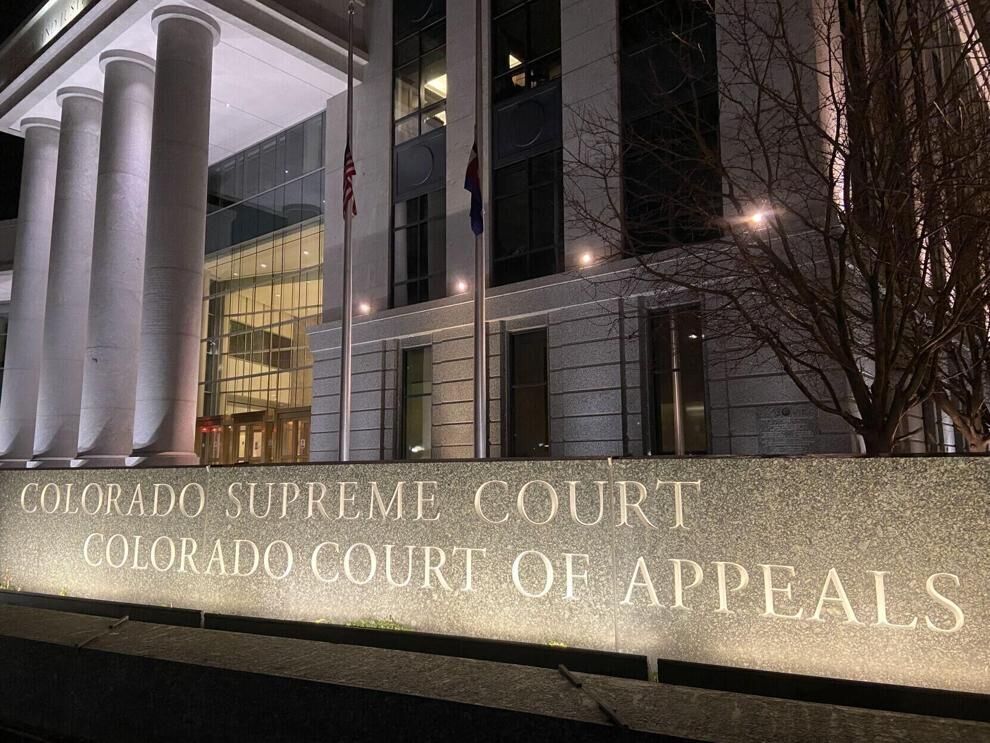
The Colorado Supreme Court ruled on Tuesday that a Douglas County judge incorrectly believed he lacked the authority to allow a property owner to pursue evidence challenging a government entity’s legal right to take its property through eminent domain.
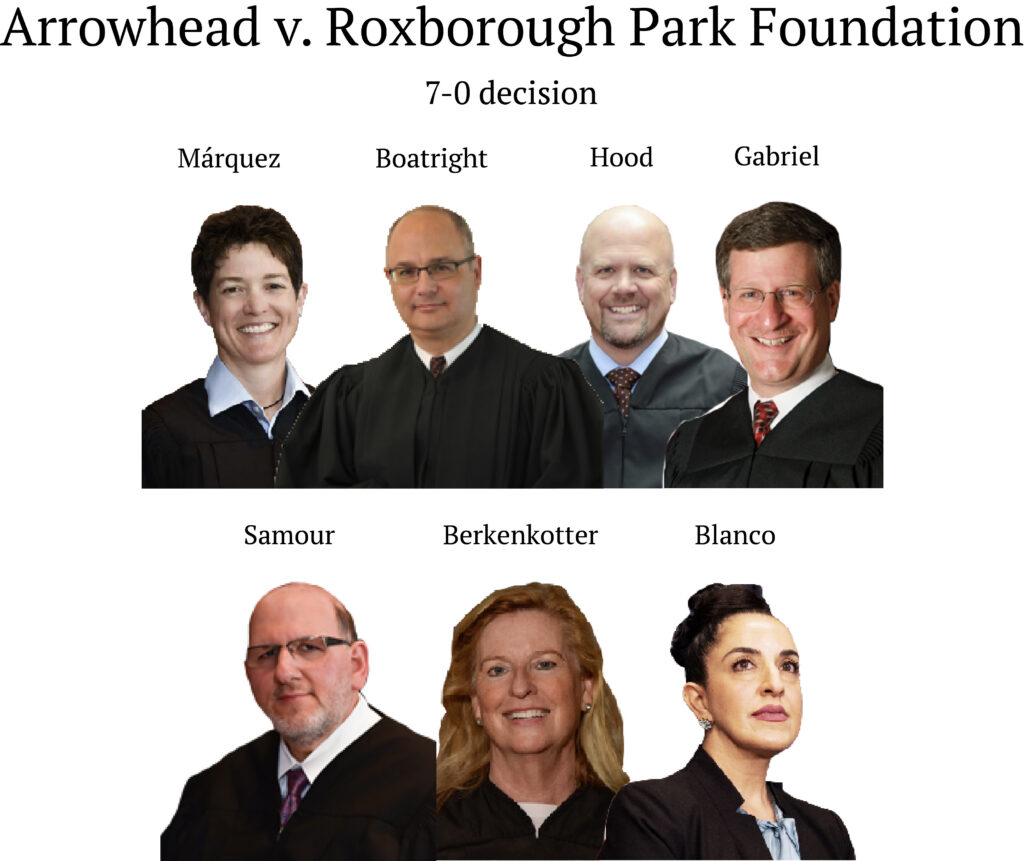
In a June 23 opinion, Justice Susan Blanco wrote that the law does not explicitly provide for the discovery of evidence, but the procedural rules clearly allow judges to grant such a request before property changes hands.
“Applying these Rules and definitions, a trial court may limit or otherwise manage the parties’ participation in pretrial discovery based on its own finding of good cause,” she wrote.
The principle of eminent domain empowers governments to take possession of private property for public use, so long as they provide proper compensation. There are two phases to such proceedings in Colorado: a ruling on the government entity’s ability to possess the property, and a trial to determine the amount of compensation.
Last year, the Arrowhead Colorado Metropolitan District filed a petition to condemn property owned by the Roxborough Park Foundation, which controls and maintains common areas within Roxborough Park. A private company that owns a 35-acre parcel formed the metropolitan district to create infrastructure for a proposed “Nordic spa.”
The foundation quickly sought to obtain evidence before the decision on the land’s possession. The request encompassed design documents, studies, and communications between the metropolitan district and the private company. The foundation sought to determine if the condemnation was for a legally authorized purpose.
In December, District Court Judge Ben Leutwyler blocked the request for evidence. He concluded the law and the rules governing civil cases “make no provision for discovery in a condemnation action prior to the immediate possession hearing or otherwise.”
The Roxborough Park Foundation turned to the Supreme Court. Without the justices’ intervention, the foundation argued, the metropolitan district could take possession of the property and alter it immediately, and the foundation could only appeal that decision after the eventual trial for compensation. Moreover, no prior court case addressed whether a landowner has the right to the discovery of evidence before a possession decision.
During oral arguments, multiple justices pointed out that Leutwyler’s belief that he could not allow discovery was incorrect. Justice Richard L. Gabriel quoted from the order and said that, while Leutwyler was a “very, very fine trial judge,” the rules do permit the discovery of evidence in certain circumstances.
“There is a mechanism as a matter of law. No question,” added Justice Maria E. Berkenkotter. “This is just, for whatever reason, the court misunderstood the law.”
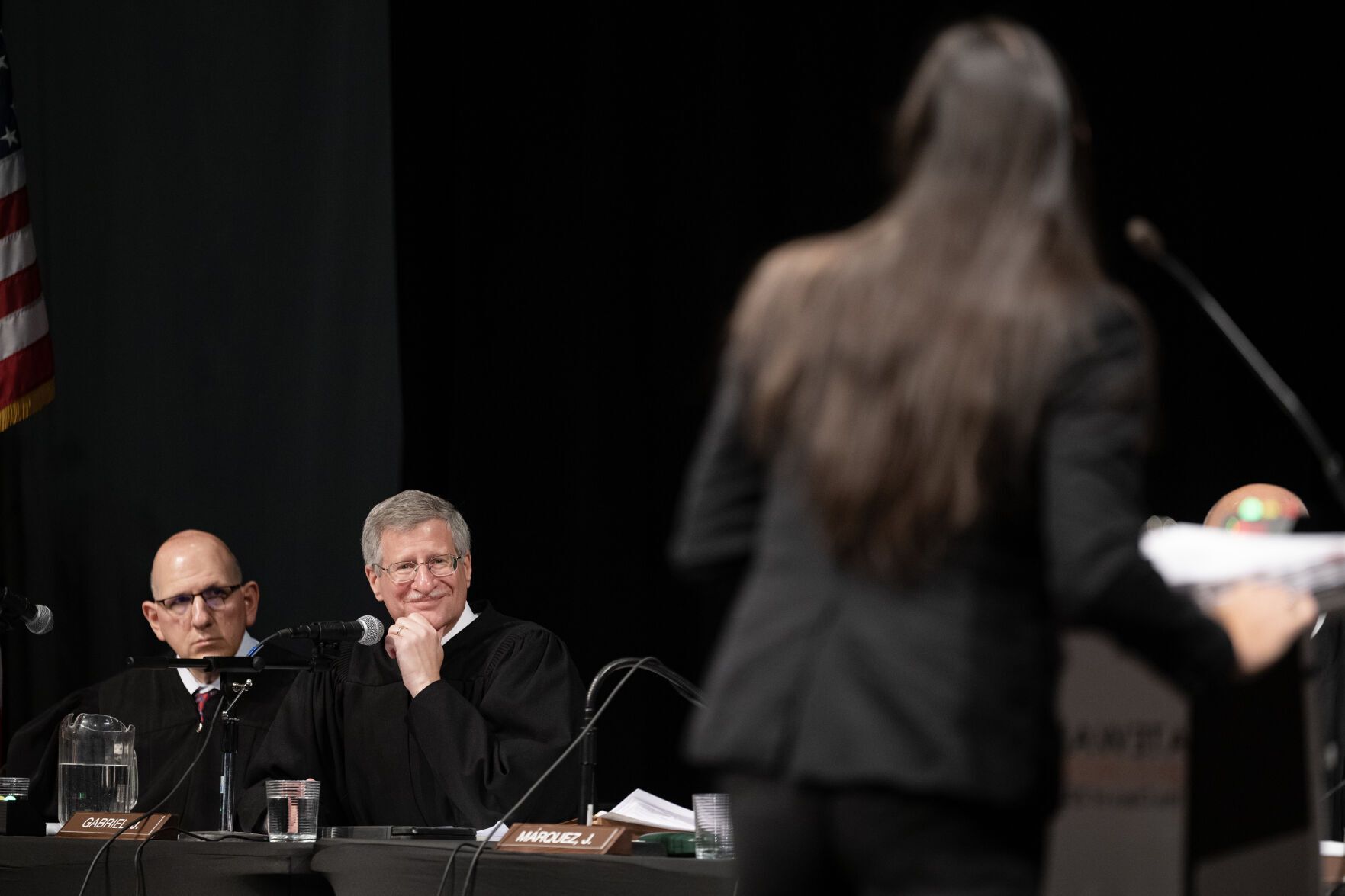
At the same time, the justices puzzled over the Roxborough Park Foundation’s position that the Supreme Court should recognize a general right to discovery in eminent domain cases. Gabriel noted that Leutwyler’s misunderstanding of the law could be addressed straightforwardly with instructions to revisit his decision.
“Why are you arguing more than that?” Gabriel wondered. “I would have a lot of trouble adopting a rule that says the landowner gets discovery in any case. Period, hard stop.”
Ultimately, the Supreme Court agreed that Leutwyler failed to recognize his own ability to authorize the Roxborough Park Foundation’s request to obtain more information in advance of the land-possession decision. Blanco wrote that the standard for granting the evidentiary motion is “good cause.”
“Here, the trial court should exercise that discretion in deciding whether to grant or deny the Foundation’s request for discovery,” she added.
The case is Arrowhead Colorado Metropolitan District v. Roxborough Park Foundation et al.


A new day? Colorado’s troubled guardianship office pursues ‘cultural reset’
Marianne Goodland
marianne.goodland@coloradopolitics.com
Updated 3 days ago
Colorado’s guardianship program, long criticized for mismanagement and high staff attrition, is undergoing a “cultural reset,” as its new director works to repair partnerships and prepare for a major expansion under recent legislation. Created by lawmakers in 2017, the Office...
Local party leaders, incoming judge among members of judicial performance commission that violated law
Michael Karlik
michael.karlik@coloradopolitics.com
Updated 21 hours ago
A local Democratic leader and 2024 presidential elector. A legislative aide and leader in the Young Republicans. An incoming county court judge freshly appointed by the governor. They are among the eight members of the northeastern Colorado judicial performance commission...

Judge dismisses lawsuit seeking records from Colorado Democratic group
Marianne Goodland
marianne.goodland@coloradopolitics.com
Updated 2 days ago
A lawsuit seeking to obtain records from Democratic lawmakers affiliated with a caucus has been thrown out by a Denver District Court judge. On July 17, Judge Ericka Englert dismissed the April lawsuit filed by progressive activist Derrick Blanton, who...
Colorado Springs mother Deborah Nicholls’ murder conviction overturned
Nick Smith
nick-smith@coloradopolitics.com
Updated 3 days ago
A Colorado Springs mother convicted in 2008 of murdering her three children in a house fire might get a new trial after a judge ruled that prosecutors withheld key evidence that could have impacted the jury’s verdict. Deborah Nicholls, whose...
Colorado court overturns illegal $7,000 restitution order
Michael Karlik
michael.karlik@coloradopolitics.com
Updated 2 days ago
Colorado’s second-highest court overturned a Weld County defendant’s obligation to pay more than $7,000 in crime victim restitution on Thursday because a trial judge failed to issue a legally compliant restitution order at the time of sentencing. In Colorado, as...

Appeals court rejects former DougCo commissioner’s legal fee claim
Nicholas Fogleman
nicholas.fogleman@denvergazette.com
Updated 2 days ago
The Colorado Court of Appeals rejected a former Douglas County commissioner’s bid for reimbursement of attorney fees she incurred while responding to multiple investigations into her conduct. The dispute stemmed from a 2019 anonymous letter sent to county officials alleging...
Appeals court orders second look at Denver Water’s immunity for cyclist’s injury
Michael Karlik
michael.karlik@coloradopolitics.com
Updated 3 days ago
Colorado’s second-highest court ordered another look at a bicyclist’s negligence lawsuit against Denver Water on Thursday, concluding that a trial judge needed to evaluate the utility’s potential immunity using the state Supreme Court’s new guidance. Joseph A. “Joey” Scott alleged...
Labels, duration not definitive proof of ‘intimate relationship,’ Colorado court rules in domestic violence case
Michael Karlik
michael.karlik@coloradopolitics.com
Updated 2 days ago
Colorado’s second-highest court clarified on Thursday that the length of a couple’s relationship and the labels they attach to it are not conclusive evidence of whether it is an “intimate relationship” that can give rise to a domestic violence prosecution....

Colorado AG urges Supreme Court to let Boulder climate lawsuit proceed
Marissa Ventrelli
marissa.ventrelli@coloradopolitics.com
Updated 3 days ago
Colorado Attorney General Phil Weiser has filed a court brief with the U.S. Supreme Court in a lawsuit brought by Boulder city officials seeking to hold oil companies liable for their environmental impact. The case began in 2018, when the...
10th Circuit says landowner cannot sue ex-Routt County judge for statements in decision
Michael Karlik
michael.karlik@coloradopolitics.com
Updated 4 days ago
A Routt County landowner cannot sue a former judge for his allegedly inaccurate statements in a case where the landowner was not a party, the Denver-based federal appeals court decided on Wednesday. Anne Fitzsimmons, who lives in Germany, owns a...
PREV
PREVIOUS

Missy Woods accepts plea deal, avoids trial on 102 felony counts
The former top Colorado Bureau of Investigation forensic scientist accused of altering and deleting DNA evidence in scores of criminal cases across the state for years pleaded guilty to four criminal counts Tuesday in Jefferson County. Yvonne “Missy” Woods, 65, changed her plea rather than face trial on 102 felony charges that included one count […]

Boulder police overreached in interrogating suspect, Colorado Supreme Court finds
Two Boulder detectives violated a man’s constitutional rights by interrogating him at his home using a court order that solely authorized the collection of his DNA evidence, the Colorado Supreme Court concluded on Tuesday. The ruling curtailed the ability of police to use a narrow category of court orders, issued without probable cause, to obtain […]