

Pigs engineered to fight alpha-gal syndrome | Rachel Gabel
If I were an evil genius trying to hamstring animal agriculture, I would create a fly that eats livestock alive and a tick whose bite and spit causes some people to have an allergic reaction to meat. (Insert evil laugh here) However, it appears someone beat me to it. Just when I think headlines in agriculture can’t get any stranger, they do.
Ree Drummond, The Pioneer Woman, who is married to a cattle rancher in Pawhuska, Okla., and has gained fame and fortune in her own right cooking meat dishes, reported this week that her son-in-law has contracted alpha-gal syndrome (AGS) from a tick bite. This, gentle readers, was not on my bingo card.
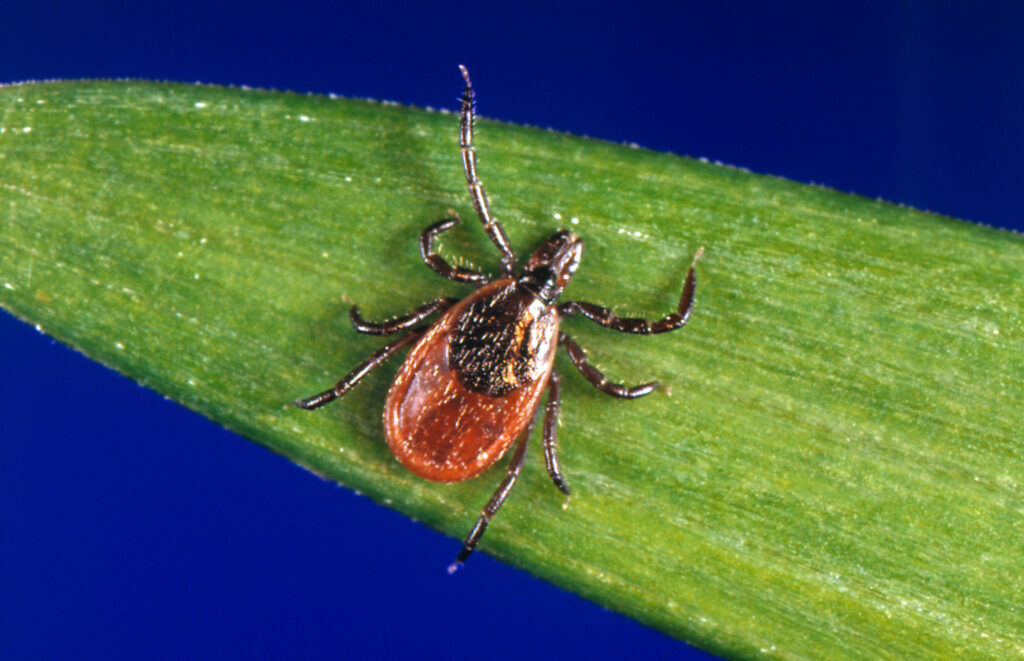
Lone star ticks are the typical culprit of carrying AGS, which affects some people and not others. It causes an allergic reaction after consuming beef, pork and other animal products — typically excluding poultry — ranging from severe pain to anaphylaxis. It’s also not a reportable disease to the CDC, which makes estimates of cases difficult. Lone star ticks are primarily found in the eastern U.S., though cases are spreading into Kansas and Oklahoma.
Drummond has been a good unofficial beef ambassador with a screaming hot cast skillet in one hand and whisking whisky cream sauce with which to smother a rib-eye in the other. She has spoken about her college days of eating a vegetarian diet before meeting and marrying into one of Oklahoma’s sizable ranching operations and she now knows her way around a meat counter. Millions of middle-aged gals flock to The Walmart for her wares and were also probably paying attention when she spoke about her weight loss and how animal proteins were a part of her successful diet.
The announcement that her son-in-law, Mauricio Scott, contracted AGS and has suffered intense stomach pain after eating various meat dishes isn’t exactly detrimental to beef marketing, but it certainly rang some bells. Jokes were made about activist types running about, sprinkling ticks like glitter. Others joked about an advertising ploy by the poultry and turkey growers to boost white meat consumption. Others pointed to the Mexican cartels, which of course, are no joke.
In 2025, two bioethics professors at Western Michigan University proposed intentionally spreading AGS through ticks. In the abstract for Beneficial Bloodsucking by Parker Crutchfield and Blake Hereth printed in the journal Bioethics, the pair argue “that if eating meat is morally impermissible, then efforts to prevent the spread of tick-borne AGS are also morally impermissible.” They maintain that AGS is a “moral bioenhancer if and when it motivates people to stop eating meat.” Promoting the proliferation of tick-borne ABS, they wrote, is morally obligatory.
It ignited a firestorm online, though it was defended as a purely philosophical exercise and not a conspiracy, an argument for climate change or proof of the loss of tick habitat due to sprawl.
From a cattle producer standpoint and as one of the middle-aged, rural, grocery buying decision makers tuned into Ree Drummond and now AGS, this doesn’t become a weapon against animal protein, but it does have the potential to alter the buying habits of families with someone affected by AGS. If one plate at the table can’t have beef on it, perhaps families will decide no plates ought to. Perhaps Drummond’s story will simply encourage multiple tick checks daily.
In the pork industry, though, some additional modifications are well underway. GalSafe pigs are engineered to eliminate the gene responsible for producing alpha-gal. According to Revivicor, Inc., a biotech company that genetically engineers pigs for medical use and to research the use of pig organs for human transplantation, the alpha-gal sugar that causes the odd meat allergy due to AGS can also cause a human immune system to reject and destroy a transplanted organ from an ordinary pig. The alpha-gal gene removal is key for successful transplants and with the additional dietary benefit, they’re no ordinary pigs. One acquainted with Charlotte and Wilbur could argue they’re “some pig.”
The company is a spinoff of the company that cloned Dolly the sheep and harvests the pigs with the intention of using their hearts and kidneys in xenotransplantation into human patients. Harvesting a hog for those two organs leaves a lot of products unused, and without the alpha-gal gene, the meat is safe for consumption by people who have AGS. The pigs can also be used to produce products like heparin, a blood thinner derived from pig intestines that could then be used to treat AGS patients. The FDA approval for use as human consumption and as a source for xenotransplantation marks the first time the agency has approved an intentional genomic alteration in an animal for this dual purpose. They’re finding use for everything but the oink.
The pork from Revivicor hogs isn’t commercially available. According to the company, the pork from the hogs raised for organ transplant research is shared free of charge with allergy patients.
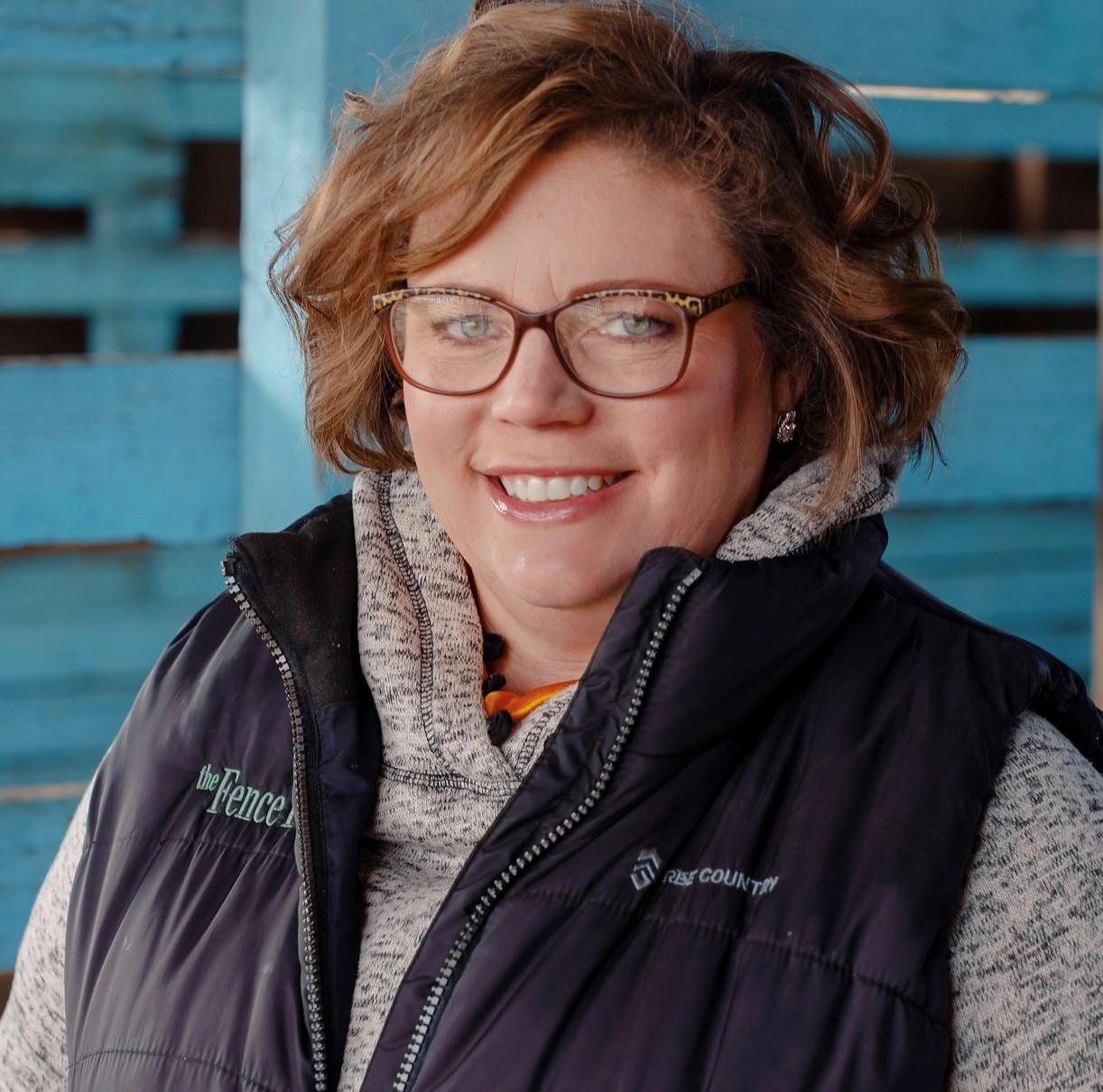
Rachel Gabel writes about agriculture and rural issues. She is assistant editor of The Fence Post Magazine, the region’s preeminent agriculture publication.


A daring and fearless rescuer — is afraid of a debate | Dick Wadhams
Dick Wadhams
dick-wadhams@coloradopolitics.com
Updated 2 days ago
Victor Marx, the Republican nominee for governor who says he can exorcize demons and who claimed he has fearlessly rescued 45,000 women and children during 150 “high-risk” missions around the world, appears to be intimidated by the notion of debating...

Proposed EPA changes could save truckers billions | Rachel Gabel
Rachel Gabel
rachel-gabel@coloradopolitics.com
Updated 2 days ago
Agriculture is in distress across nearly every segment across much of the nation, and certainly to a more dire degree in the western United States. If it were not a historic drought, some pressures could be eased. Others can be...

Colorado Democrats, your time is coming | Jon Caldara
Jon Caldara
jon-caldara@coloradopolitics.com
Updated 2 days ago
Hey, Colorado Democrats! All the fun you’ve had watching Republican dysfunction in Colorado for the last 20 years was just a preview of what is about to happen to you. The Colorado Republican Party no longer exists as a competitive...

The relevance of Watergate more than a half-century later | SONDERMANN
By Eric Sondermann
by-eric-sondermann@coloradopolitics.com
Updated 5 days ago
It was the scandal for which all other scandals are now named. In June 1972, a small group of Cuban burglars with high-level connections broke into the headquarters of the Democratic National Committee. Those headquarters were located in the Watergate...
Were the primaries a preview for consequential general election? | Paula Noonan
Paula Noonan
paula-noonan@coloradopolitics.com
Updated 5 days ago
Colorado’s political future will go the way of this election. Historically, the state has not had both chambers controlled by a supermajority. This election may change that. The primaries suggest how the general election may play out. Democrats had solid...

Courageous Colorado bucks Trump’s federal stupidity | Miller Hudson
Miller Hudson
miller-hudson@coloradopolitics.com
Updated 7 days ago
There are several theories regarding the rhythm of American politics. The most frequently cited is the pendulum hypothesis — positing that episodes of liberal dominance are then interrupted by spans of conservative control. Since Ronald Reagan’s presidential election in 1980,...
A historic moment during another major drought | Rachel Gabel
Rachel Gabel
rachel-gabel@coloradopolitics.com
Updated 1 week ago
Gustav Sumnick emigrated from Germany, traveled to Oklahoma and decided rather than be a Sooner, he wanted to be a farmer. He moved north to Nebraska and married an Irish immigrant farmer’s daughter. They farmed near Fremont, Nebraska, where the...
Colorado can’t forget the lessons of COVID | Jon Caldara
Jon Caldara
jon-caldara@coloradopolitics.com
Updated 7 days ago
We are finally getting a clearer picture of what happened during COVID. Not because the people who locked us up, masked our faces and forced unproven chemicals into our bodies have suddenly become transparent, but because Anthony Fauci’s COVID-era diary...

Historic preservation supporters organize to oppose Trump changes | Bob Loevy
Tom Cronin
tom-cronin@coloradopolitics.com
Updated 1 week ago
Historic preservation organizations in Colorado Springs, the remainder of Colorado and across the nation are organizing to resist a recent effort to relax and weaken historic preservation laws in the United States. In Washington, D.C., the Advisory Council on Historic...

The primary political reform and precondition for all others | SONDERMANN
Eric Sondermann
eric-sondermann@coloradopolitics.com
Updated 2 weeks ago
In its current state, the American political system has no end of ailments. Far too many factors accelerate polarization and work against moderation and narrowing the differences. Media, and the way so many citizens limit themselves to agreeable, reinforcing sources,...
PREV
PREVIOUS

Registered voters on the eve of the 2026 primaries | Cronin & Loevy
The Colorado Secretary of State’s Office has published the latest voter registration figures for the state and its counties as of June. Colorado ranks among the highest states for independent, or unaffiliated, voters. Only Alaska and Massachusetts have more. New Hampshire, New Jersey, Maine and Oregon also rank highly. So here is what the state looks like politically as Coloradans are voting in this year’s party primary elections. Keep in […]

Colorado has a playbook for youth mental health — our next governor must use it | GUEST COLUMN
By Karen Ron-Li Liaw From the rural communities on the western slope to the eastern plains, to the major urban regions on the Front Range, Colorado families are navigating an all-too-familiar crisis: kids are struggling, and Colorado’s mental health system can’t keep up. More than one in seven young Coloradans reported poor mental health in […]