

Colorado Iranians express disappointment with U.S.-Iran deal

Iranians in Colorado worry agreement solidifies the Islamic regime’s power
A group of Colorado Iranians expressed disappointment in the agreement reached between the U.S. and the Islamic Republic of Iran, arguing it preserves the government’s hold on power and any hope of a regime change there has dissipated.
“Very sad and demoralized, that’s where I’m at,” said Jefferson County real estate agent Fara Novin, who spoke with The Denver Gazette hours after the memorandum of understanding between the two countries was released on Wednesday.
The deal calls for Tehran to dilute its stockpile of highly enriched uranium and waives U.S.-backed sanctions on the country, immediately allowing Iran to sell its oil freely in a major concession from Washington.
“Some are still hopeful for regime change but I think it’s wishful thinking,” Novin added. “I can’t see a way for my people to find peace and freedom anytime soon.
“I hope I’m wrong,” Novin concluded.
She was among a small number of Colorado expatriates reached yesterday as word of the 14-point agreement spread in the Iranian community here.
President Donald Trump earlier said the deal would avoid continued stress on the U.S. economy after the war caused oil prices to skyrocket, made financial markets skittish and fueled inflation. He repeatedly said he did not want to be compared to Herbert Hoover, whose policies helped exacerbate the Great Depression of the 1930s.
He also suggested that the military option remains open if Iran doesn’t honor the terms of the deal.
Members of the Iranian group in Colorado, most of them American citizens who had left Iran following the 1979 overthrow of Shah Mohammad Reza Pahlavi by Islamic revolutionaries, had been early supporters of the Feb. 28 joint U.S.-Israeli attack.
That strike killed Supreme Leader Ayatollah Khamenei and scores of high-ranking Iranian leaders, severely damaged Iranian offensive capabilities and likely crippled its nuclear weapons program.
Now a younger generation of revolutionary commanders has seemingly cemented its position, continuing the regime’s control of a population of 93 million. The Colorado Iranians and other regime opponents contended that the internal population of Iran had overwhelmingly opposed the regime’s religious rule.
Those with contacts inside Iran said they are seeing a human catastrophe, even as Iran and the U.S. have struck a peace.
“Millions ended up on the street in all 31 provinces,” said a Denver area businesswoman, Nushin, who asked that her full name not be used.
“Over 40,000 (have been) massacred and others are just lost; nobody knows where they are,” she continued.
She voiced widely circulated rumors within the Iranian community that thousands of other supporters have disappeared over the course of the war and have been exposed to unspeakable abuse.
Some Iranians that The Denver Gazette had spoken with since the initial Feb. 28 strike have continued to ask for some level of anonymity in expressing their opinions, as the regime, they said, holds a fast grip on power.
Estimates vary widely on how many regime opponents, many of them young people, were killed or executed by government forces as the war unfolded.
The regime has admitted to a few dozen executions, but human rights advocates have verified more than 7,000 deaths and published figures tallied from leaked information have ranged from 12,000 to in excess of 36,000.
The lack of confirmed data mirrors a shutdown imposed early on by the regime on all outside communications by the Iranian public.
Initially the regime forbade calls and web messaging to the outside world, threatening death for passing information or using Starlink technology to break the internet blackout. Now, the locals said, the Iranian Revolutionary Guard Corps is selling internet cards that once again allow internet contacts via a closely monitored network.
“It’s interesting that the IRGC themselves have turned (internet communications) into another income stream,” Nushin added.
‘I’m alive, but I’m dead’
Members of the Iranian exile community, who refer to themselves as a diaspora, are just now reestablishing tentative contacts inside the republic.
“Yes, people are in touch in different ways,” Denver area pharmacist Babak Behzadi said. “We are in touch with some and out of touch with some others, and some may be afraid to contact me.”
Some of those limited conversations have been heartrending.
“There was like zero, zero reaction and all of a sudden (contacts with Iranian nationals) started to open up,” Behzadi recalled.
He recalled one call in particular, when he had told an Iranian associate he had worried about hearing nothing from the party for three weeks.
I’m alive, but I’m dead,” the party had replied.
Early in the conflict, both Trump and exiled Crown Prince Reza Pahlavi had each repeatedly called for the Iranian public to prepare for an uprising.
In a previous interview, Colorado Iranians had voiced strong support for a return to power by Reza Pahlavi, the oldest son of the former Shah of Iran. They said then that backing for the leader, who lives in the U.S., among the population back home, including among younger Iranians, was overwhelming.
But in the confines of a complete blackout, those trapped inside had little information to coordinate or no way to organize a coordinated response, their Colorado contacts said.
Meanwhile, the regime’s new leaders, heavily dominated by hidebound Islamic Revolutionary Guard Corps commanders, continued to carry out a brutal campaign of repression, they said.
‘Sovereignty and integrity’
Now the new MOU has essentially reinforced the regime’s hold on power, they said.
The document’s second point commits the U.S. to respect the “sovereignty and territorial integrity” of the regime and “to refrain from interfering in each other’s internal affairs,” they noted.
That has left both the Colorado Iranians and their contacts who remain trapped inside dismayed about the failure to create a change of regime.
“I’m still happy the few top officials are gone, but there’s no regime change and things could perhaps get worse for the people in Iran,” said Novin.
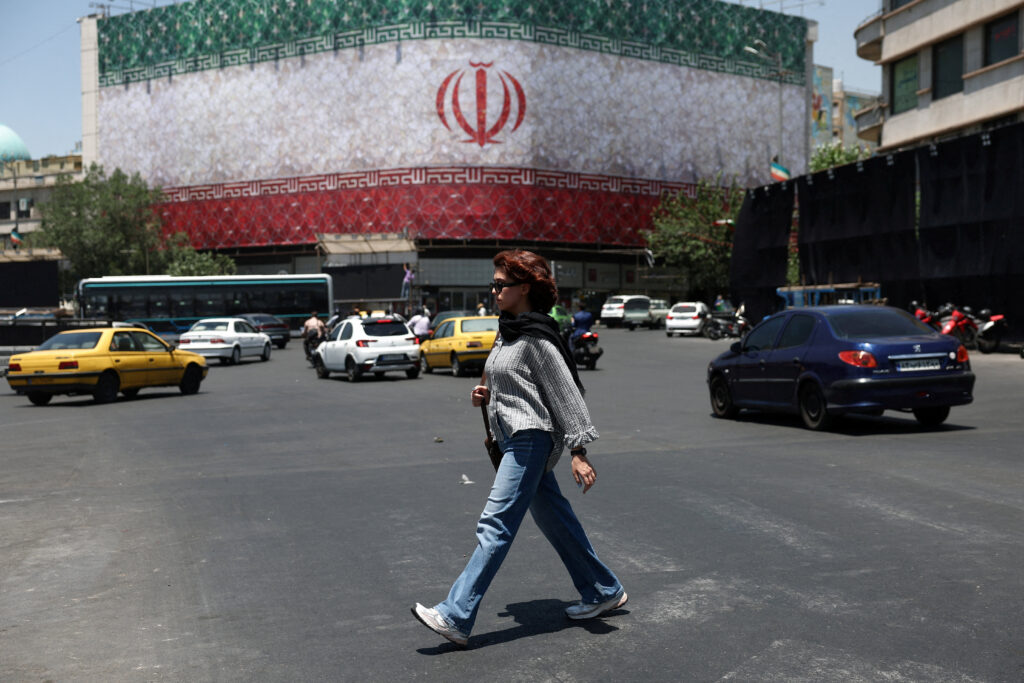
Individuals who had been supportive of the president early in the campaign are now vocally critical of his handling of the political dynamic inside Iran, as the attacks unfolded.
“The thing I hear the most is frustration with Trump,” said Nushin.
“Do you remember that talk when (he) said, ‘Help is on the way’?” she recalled. “He said all the right things.”
Behzadi, too, expressed disappointment in the failure of internal forces to scale up a response to the regime.
“Trump promised he’s going to send the help. It is a slogan to them,” he said of his conversations with those inside the republic. “I told them, it’s just a promise, but it doesn’t mean that you don’t have to put your hands on your own knees to get up.”
Coloradans also voiced disappointment with Pahlavi’s actions as the attacks spread.
“I believe Prince Reza Pahlavi was played and in turn did a massive disservice to his own people,” said Novin about the royal-in-exile’s role. She added that his voiced calls for an uprising ended in “sending innocent young people to the streets to be met with bullets.”
Israel understands the DNA of Islamic regime
“I saw (Pahlavi) slipping when three weeks in a row, Trump did not endorse him,” said Behzadi. “I said that’s OK. It’s not Trump that’s going to decide. The Iranian people are going to decide if the government falls.”
Behzadi also said the debate over whether Kurdish and other internal opponents of the republic to try and liberate territory within Iran was successfully used by the IRGC and other regime forces to rally some nationalist support in opposition to an overthrow.
“If you don’t create unity among all Iranians of different perspectives or views, it’s going to be very difficult for transition government to succeed,” Behzadi added.
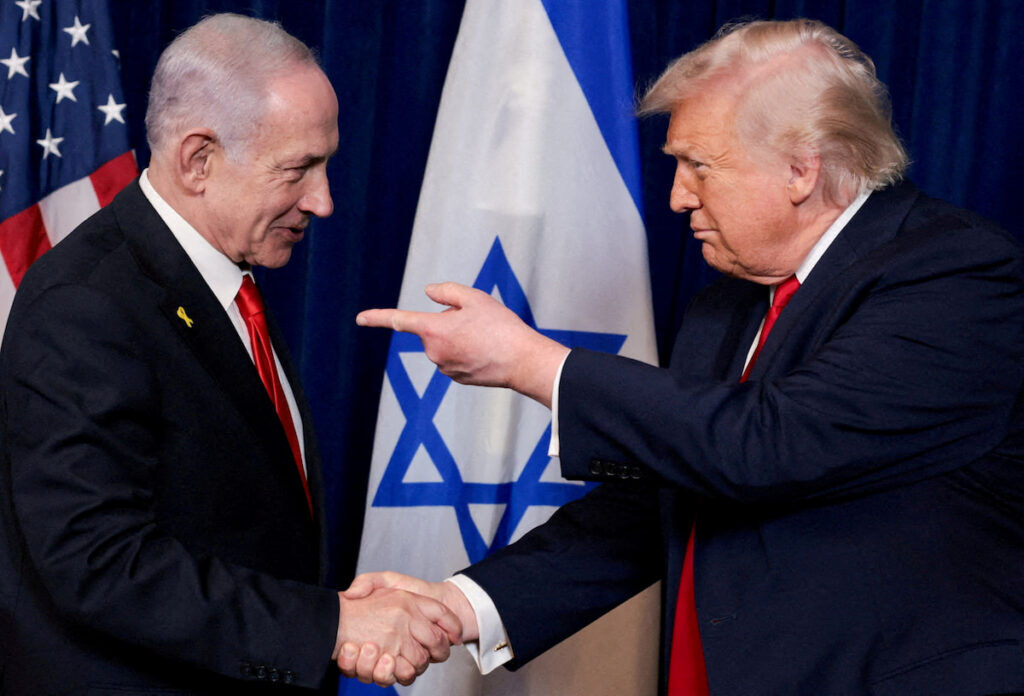
Debate also persists among the expatriates on the Israelis’ role in the war, and in the U.S. decision to pursue a peace now, rather than press on with a conflict that was seen as jeopardizing the world economy and which risked some geostrategic objectives vis-à-vis China.
“I don’t see what if anything the U.S., Israel and the Iranian people gained from this whole war,” said Novin.
“ (The regime leaders) were testing Trump to see how much control he has over Netanyahu,” Behzadi said. “How much control do you have over this guy?”
He added: “But at the same time, don’t forget that if Netanyahu tried to destabilize it, Israel loses the narrative. And the Iranian government (would keep) hitting and destabilizing, meaning that Israel is causing destabilization of the global economy.”
Nushin said she continues to wish for a better outcome that would involve collaboration with Israel.
“The government that really understands the DNA of this regime is Israel,” she added.
Others expressed a mix of disappointment and hope.
All expressed worries about the few specifics in the agreement, including the resolution of Iran’s remaining program in seeking a nuclear weapon and in how the return of assets and the mentioned $300 billion in aid would be spent in the republic.
“We just hope that the dollars that are the rightful property of the Iranian people will not be sent like (those President) Obama sent,” Nushin said. “People don’t realize that the regime doesn’t care about the people and will use it for their own purpose. The people will become even poorer.”
Colorado participants mentioned that the three-month conflict had functioned to de-emphasize the importance of a nuclear weapon to the Iranian leaders, after experiencing how successful their alternate strategy had been in closing in Strait of Hormuz to energy exports and in shaping world opinion.
Each expressed horror at the willingness of the regime to use any measure to retain power and to suppress internal support for an overthrow.
“How far is he willing to go to stay in power? If I’m willing to commit economic suicide by closing the Strait of Hormuz, I’m challenging the American government on how willing they are to go and further destabilize the situation,” said Behzadi.
He referenced published reports of regime commanders’ alleged willingness to kill their own children, if necessary, to repress opposition.
“Closing the Strait was a kamikaze act,” he added. “Nobody would ever think they would have been willing to do such a thing.”
The Associated Press contributed to this article.

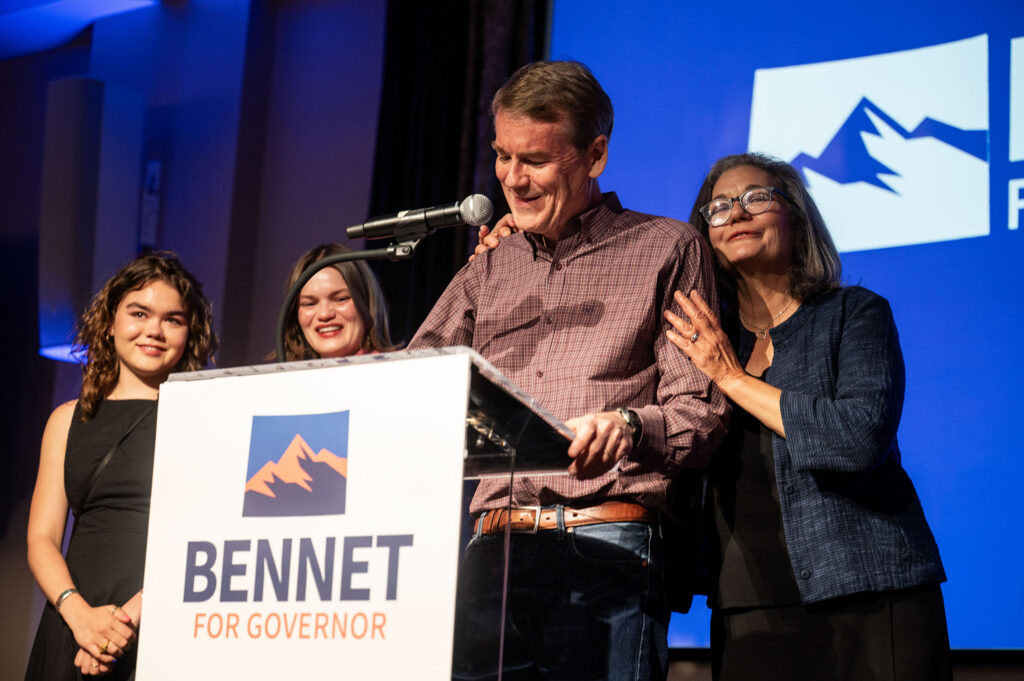
U.S. Sen. Michael Bennet settles campaign finance complaints, admits violating state law
Marianne Goodland
marianne.goodland@coloradopolitics.com
Updated 27 minutes ago
U.S. Sen. Michael Bennet’s gubernatorial campaign has agreed to pay a $7,433 fine for using his U.S. Senate campaign account to pay for gubernatorial travel expenses. The July 31 settlement includes an admission by Bennet and his campaign that they...

Colorado to implement new laws on jail standards, safe haven rules, and agricultural labeling
Marissa Ventrelli
marissa.ventrelli@coloradopolitics.com
Updated 43 minutes ago
In mid-August every year, a slew of recently passed laws in Colorado go into effect 90 days after the end of the legislative session. This year, all bills without a specified effective date or safety clause — a provision stating...
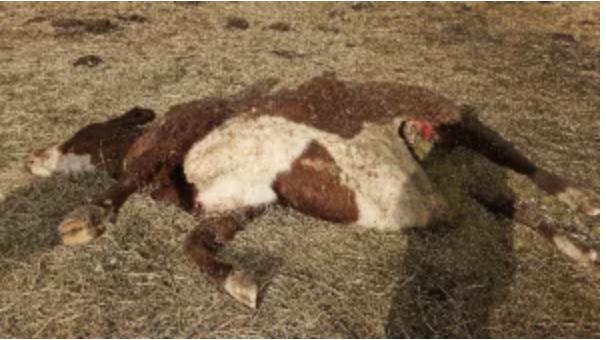
Colorado records 17th wolf death as CPW kills yearling tied to livestock losses
Marianne Goodland
marianne.goodland@coloradopolitics.com
Updated 1 hour ago
A yearling male wolf in Grand County has become the 17th wolf to die in Colorado in the past two years. Colorado Parks and Wildlife announced the wolf was killed by staff on Aug. 4, because it was believed responsible...

Douglas County approves $7.5 million for Gold Crown Field House in Castle Rock
Nicholas Fogleman
nicholas.fogleman@denvergazette.com
Updated 3 hours ago
The Douglas County Board of Commissioners approved a $7.5 million funding agreement Tuesday to help build a new indoor sports facility in Castle Rock. The facility is the result of a partnership between the county, the Town of Castle Rock...
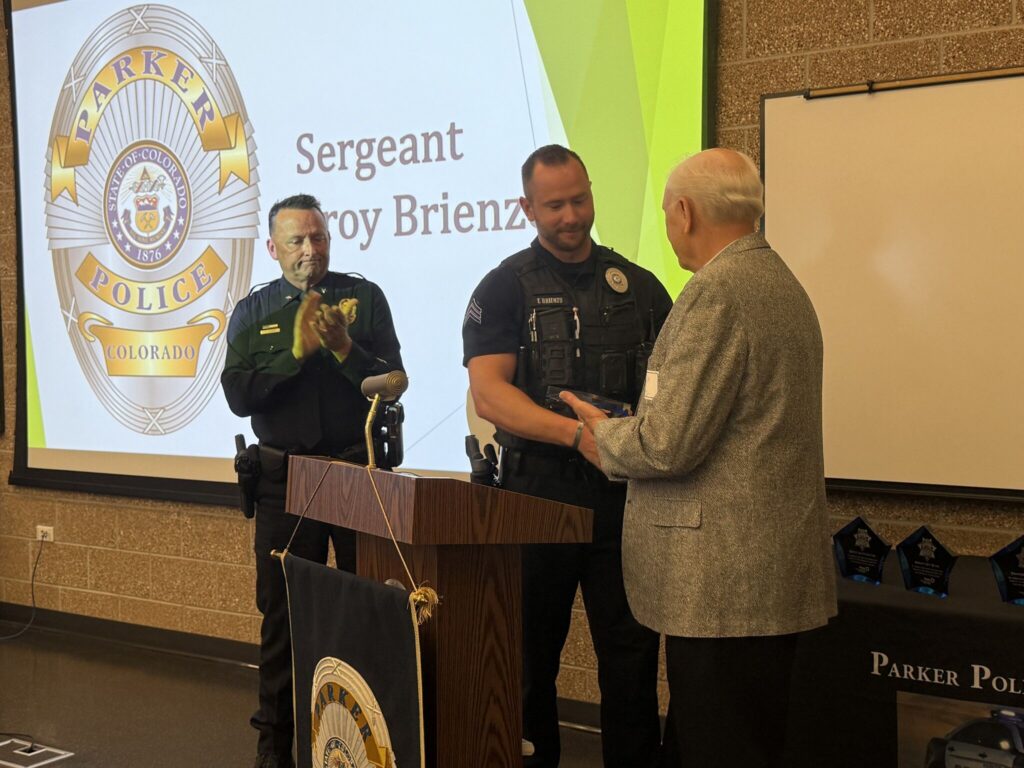
Former Parker police sergeant pleads guilty to unlawful sexual conduct, misconduct charge
Nicholas Fogleman
nicholas.fogleman@denvergazette.com
Updated 1 day ago
Former Parker Police Department Sgt. Troy Brienzo pleaded guilty Monday to a felony charge of unlawful sexual conduct by a police officer and first-degree official misconduct in Douglas County District Court. Brienzo entered the guilty pleas before Judge Ryan Stuart,...

U.S. News names Saint Joseph best hospital in Colorado, ending University of Colorado Hospital’s 13-year streak
Nico Brambila
nico.brambila@denvergazette.com
Updated 1 day ago
University of Colorado Hospital is no longer Colorado’s top-ranked hospital for the first time in more than a decade, with Intermountain Health Saint Joseph Hospital taking the No. 1 spot in U.S. News & World Report’s latest rankings. Located on...

Appeals filed to send Project Taurus decision to the Colorado Springs City Council
Brennen Kauffman
brennen-kauffman@coloradopolitics.com
Updated 1 day ago
At least one appeal has been filed over the proposed large-scale data center in Colorado Springs, sending the final decision to the Colorado Springs City Council. The filing seeks to overturn the Planning Commission’s decision on July 23 to deny...

Denver City Council keeps 2 a.m. nightlife cutoff, approves $18 million for George Floyd protest claims
Deborah Grigsby
deborah.smith@denvergazette.com
Updated 1 day ago
Nightlife establishments will not get a two-hour operating extension after the Denver City Council passed an amended version of a bill that keeps the current 2 a.m. closing time. As originally proposed, venues would have been able to keep music,...

Group submits signatures for proposed Colorado graduated income tax
Marianne Goodland
marianne.goodland@coloradopolitics.com
Updated 1 day ago
The measure, which eliminates Colorado’s flat tax, is expected to raise $2 billion in new revenue The proposal to amend the Colorado constitution to change the state’s flat rate into a graduated income tax came in under the wire Monday,...

Castle Rock launches Link On Demand rideshare service
Nicholas Fogleman
nicholas.fogleman@denvergazette.com
Updated 1 day ago
Residents in Castle Rock now have access to Douglas County’s app-based rideshare service Link On Demand. Link On Demand officially began serving Castle Rock Friday, expanding the transportation program which already operates in Highlands Ranch, Lone Tree and select areas...
PREV
PREVIOUS

Adams County murder conviction reversed due to faulty jury instruction
Colorado’s second-highest court overturned an Adams County defendant’s murder conviction last month because the instruction provided to the jury about a trespasser’s right to use self-defense did not accurately reflect Colorado law. A person is justified in using force to defend himself if he has a reasonable belief that another person will imminently use unlawful […]

Trump’s low approval unchanged as Iran war perceptions continue to plague him
A new poll shows most Americans disapprove of President Donald Trump’s handling of Iran, with views on the issue closely mirroring his overall job approval rating. Just 37% of U.S. adults approve of the way Trump is handling his presidency, while 62% disapprove, according to a recent survey by the AP-NORC Center for Public Affairs […]