

Trump administration cancels rule that made conservation a ‘use’ of public lands | OUT WEST ROUNDUP
MONTANA
Interior cancels conservation ‘use’ rule
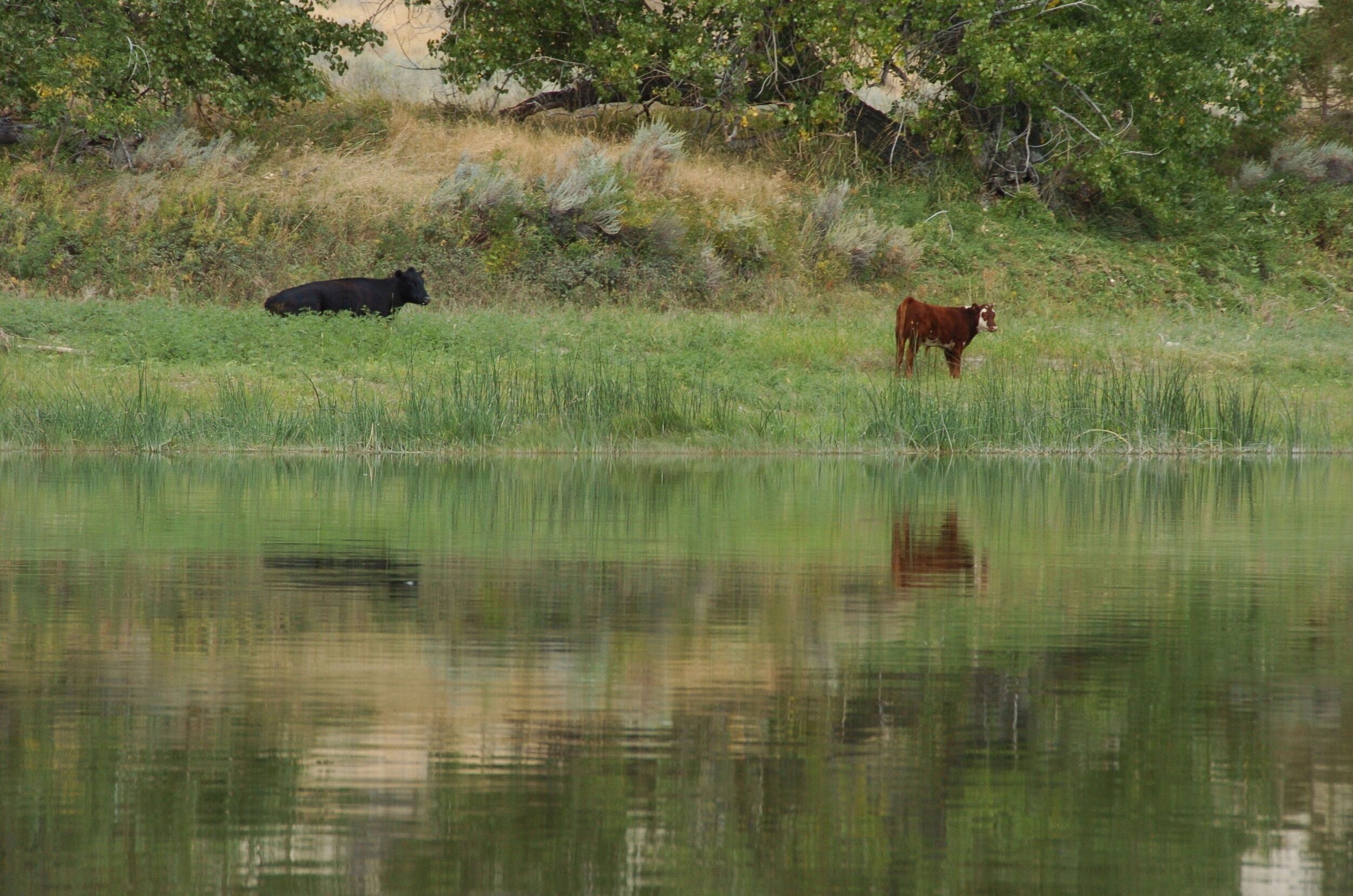
BILLINGS — The Interior Department is canceling a rule that put conservation on equal footing with development, as President Donald Trump’s administration eases restrictions on industries and seeks to boost drilling, logging, mining and grazing on taxpayer-owned land.
The 2024 rule adopted under former President Joe Biden was meant to refocus the Interior Department’s Bureau of Land Management, which oversees about 10% of land in the U.S. It allowed public property to be leased for restoration in the same way that oil companies lease land for drilling.
But Interior Secretary Doug Burgum has said the rule could have blocked access to hundreds of thousands of acres of land — preventing energy and timber production and hurting ranchers who graze on public lands.
Supporters argued that conservation had long been a secondary consideration at the land bureau, neglecting its mission under the 1976 Federal Lands Policy Management Act. While the bureau previously issued leases for conservation purposes in limited cases, it never had a dedicated program prior to the Biden administration.
Bobby McEnaney with the Natural Resources Defense Council said repealing the rule ”means less protection for the clean drinking water, less protection for endangered wildlife that depend on healthy habitat, and less accountability when corporations leave these landscapes damaged and degraded.”
In documents released on May 11, administration officials said it exceeded the land bureau’s authority for outside parties to be allowed to obtain conservation leases.
Industry groups and their Republican allies in Congress strongly opposed the rule and had lobbied to repeal it. They said the change under Biden violated the “multiple use” mandate for Interior Department lands by catapulting the “non-use” of federal lands — meaning restoration leases — to a position of prominence.
Election Day registration OK’d
A Montana judge has blocked the state from limiting voter registration on Election Day, concluding the move would disproportionately harm Native American and young voters.
The ruling prevents a law that was enacted last year by the Republican-controlled legislature from being enforced that would have prevented voters from casting ballots in presidential, U.S. Senate and U.S. House races if they register after noon on Election Day. It was the second time in five years that legislators attempted to move away from Election Day registrations.
District Judge Adam Larsen’s order, issued on May 8, is to remain in effect through the trial of a lawsuit filed by the Montana Federation of Public Employees, later joined by Native American tribes, including the Blackfeet and Northern Cheyenne. However, the state’s primary elections are June 2, and the trial isn’t until late August.
Larsen noted that registering on Election Day is “wildly popular.” Montana has allowed it since 2006, and in 2014, 57% of voters rejected a statewide ballot initiative to end it.
Montana Attorney General Austin Knudsen’s office expressed disappointment in the ruling, saying same-day registration puts an “undue burden” on election administrators.
In 2021, the legislature enacted a law ending voter registration on noon the day before Election Day, but the Montana Supreme Court struck it down in 2024 as a violation of an “unequivocal fundamental right” protected by the state Constitution. The justices said more than 70,000 Montana voters had taken advantage of Election Day registration since its inception.
WYOMING
Bear attack injuries two
YELLOWSTONE NATIONAL PARK — Two hikers were injured in a bear attack on a popular hiking trail near Yellowstone National Park’s Old Faithful geyser, park officials said on May 5.
The attack was described by officials as a single event on the afternoon of May 4 along the Mystic Falls Trail.
A large area of the park near the Midway Geyser Basin was temporarily closed pending an investigation. The area includes at least five trails and several backcountry campsites.
Park officials said one or more bears were involved, but did not specify which species. The park has populations of both grizzly bears and black bears, which can be difficult to tell apart at times. Grizzlies can be more aggressive and they grow much larger — as much as twice as big as black bears. Black bears usually have darker coloring.
Yellowstone gets more than 4 million visits by tourists annually and attacks by grizzlies or black bears are rare.
The last fatal bear mauling in the park was in 2015 when a 63-year-old Billings, Montana man was killed while hiking alone in the park’s Lake Village area.
The fate of bears that attack humans is typically dictated by the circumstances of the encounter.
Following the 2015 fatal attack, officials captured and killed an adult female grizzly because it had eaten part of the victim’s body and hid the rest, which is not normal behavior for a bear defending its young.
By comparison, last year’s attack on the Turbid Lake Trail happened during a surprise encounter between the victim and the bear. The animal’s reaction was considered natural, so it was not relocated or killed.
ARIZONA
Runner dies on ultramarathon
PRESCOTT — A participant in a grueling 250-mile ultramarathon on trails across northern Arizona died on May 5 after experiencing a medical emergency, race organizers and local law enforcement said.
First responders attended to a woman in her 40s who was participating in the race and collapsed at a trailhead in the Groom Creek community south of Prescott, Yavapai County Sheriff’s Office spokesperson Paul Wick said.
Cocodona 250 ultramarathon codirector Erika Snyder confirmed the death and declined to provide further details at the request of the runner’s relatives.
Ultramarathons can test the boundaries of human endurance, but deaths are very rare relative to the total number of participants in a sport that has in recent years grown in popularity around the world, with races hosted from Death Valley to the Himalayas.
The Cocodona is one of the toughest ultramarathons in the U.S., featuring a course that rises more than a mile in elevation — twice — while passing through Sedona from its start in Black Canyon City.
This year’s race started on May 4 before dawn, and the overall winner, Rachel Entrekin, finished on the afternoon of May 6 to a roaring crowd in Flagstaff while setting a course record.
Aid stations provide opportunities to eat, hydrate and adjust equipment, with a team of medical professional stationed across the course, Snyder said. Racers often nap on the ground along the way in a race that can last five days.

Top officials in Arizona’s Maricopa County agree on how to oversee elections | OUT WEST ROUNDUP
The Associated Press
the-associated-press@coloradopolitics.com
Updated 4 days ago
ARIZONA Officials agree on election oversight PHOENIX — Election officials in Arizona’s most populous county reached an agreement a week before the state’s July 21 primary on how to jointly oversee the vote, ending a prolonged legal battle. Republican Maricopa...

Colorado Politics Calendar Aug. 3-9
Rachael Wright, Special to Colorado Politics
rachael.wright@coloradopolitics.com
Updated 4 days ago
CoPo’s weekly political calendar will help you find political and public-policy events throughout Colorado. It includes candidate and issue campaign events, public policy meetings, court hearings, state and local party conventions, assemblies, debates, rallies, parades, speaking engagements, traveling dignitary appearances,...

The primary political reform and precondition for all others | SONDERMANN
Eric Sondermann
eric-sondermann@coloradopolitics.com
Updated 4 days ago
In its current state, the American political system has no end of ailments. Far too many factors accelerate polarization and work against moderation and narrowing the differences. Media, and the way so many citizens limit themselves to agreeable, reinforcing sources,...
Susemihl wins surprise victory to replace Steve Durham as Colorado Springs state senator | A LOOK BACK
Rachael Wright, Special to Colorado Politics
rachael.wright@coloradopolitics.com
Updated 4 days ago
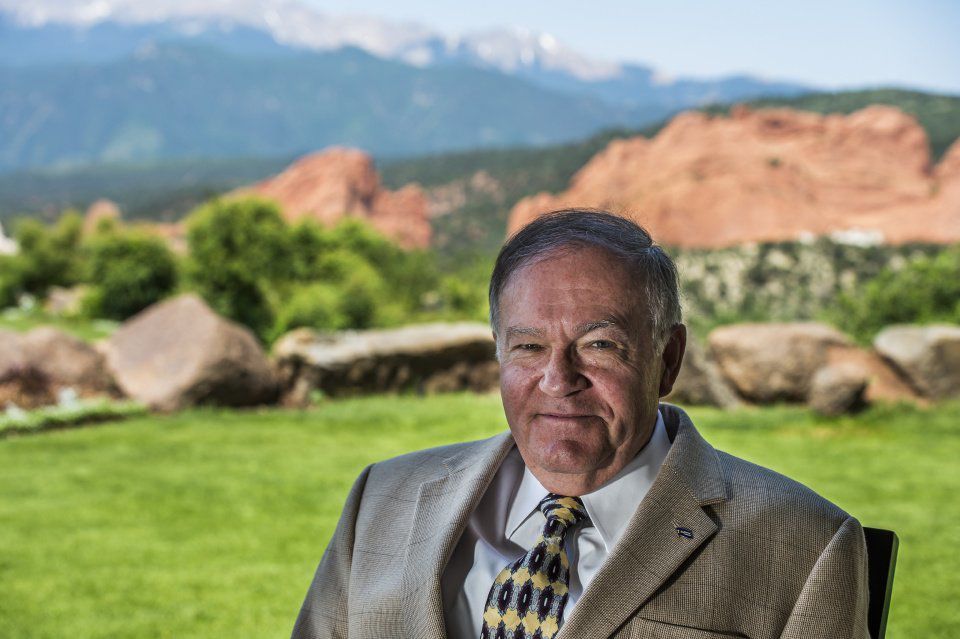
Forty-five years ago this week: In a closed session, the vacancy committee for Colorado’s Senate District 12 selected attorney Peter Susemihl to complete Sen. Steve Durham’s, R-Colorado Springs, term. Durham resigned his seat to become Region 8 Director of the...

10th Circuit partially revives lawsuit over 2020 Denver protest injuries
Michael Karlik
michael.karlik@coloradopolitics.com
Updated 2 days ago
The Colorado-based federal appeals court revived a man’s claims against Denver on Friday after concluding a trial judge resolved the case in the city’s favor without analyzing two of the three instances of alleged excessive force and other constitutional violations....

At conservative summit, Colorado Republican leaders concede Democrats’ election edge
Marissa Ventrelli
marissa.ventrelli@coloradopolitics.com
Updated 18 hours ago
Four Republican state lawmakers told attendees at a gathering of conservative leaders on Friday they doubt their party can win statewide races, noting that Colorado’s electorate has been shifting toward Democrats but adding they see an opening in several pockets....
Federal judges find Colorado immigration judge violated several orders
Michael Karlik
michael.karlik@coloradopolitics.com
Updated 12 hours ago
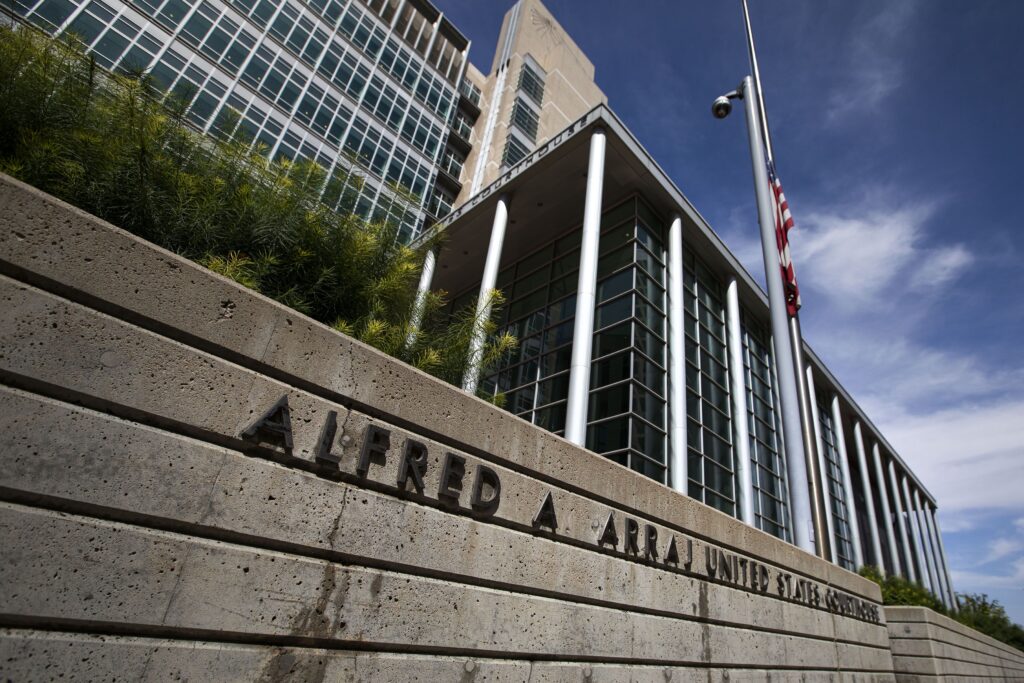
Multiple federal judges in Colorado have freed people from immigration custody after determining that one immigration judge violated their directives for properly conducting bond hearings. For nearly a year, Colorado’s U.S. District Court has faced a flood of habeas corpus petitions...
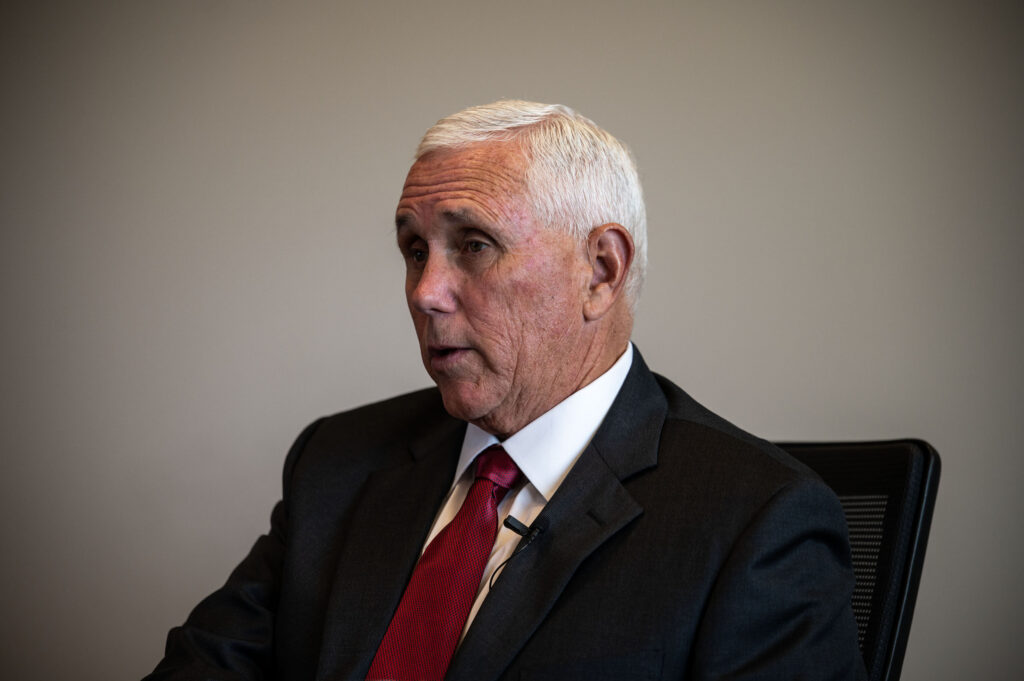
Q&A with Mike Pence | Former vice president says GOP’s populist turn from conservatism isn’t permanent
Ernest Luning
ernest.luning@coloradopolitics.com
Updated 16 hours ago
Former Vice President Mike Pence says he’s concerned that the Republican Party has taken a populist turn away from bedrock conservative principles during President Donald Trump’s second term, but he believes the party will return to its roots when Trump...
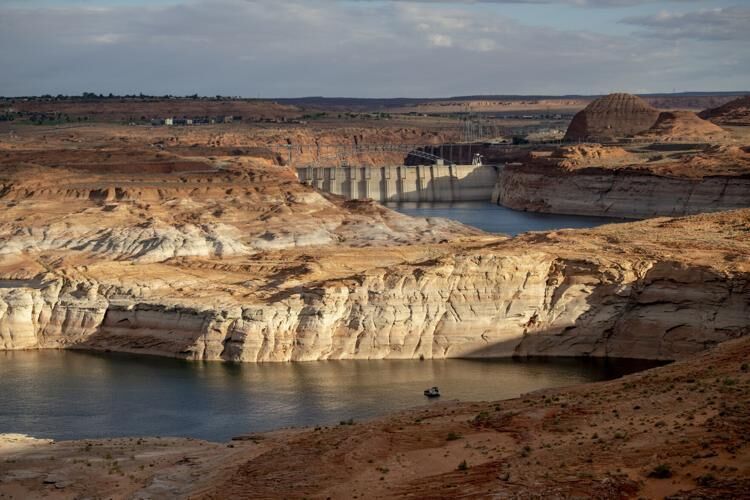
New federal plan sets short-term rules for Colorado River management
Marianne Goodland
marianne.goodland@coloradopolitics.com
Updated 2 days ago
Interior Department’s plan spares Colorado from mandatory cuts for now After years of stalled negotiations among the seven states that rely on the Colorado River, the federal government on Friday released its own plan for managing the drought-strained system. Calling...
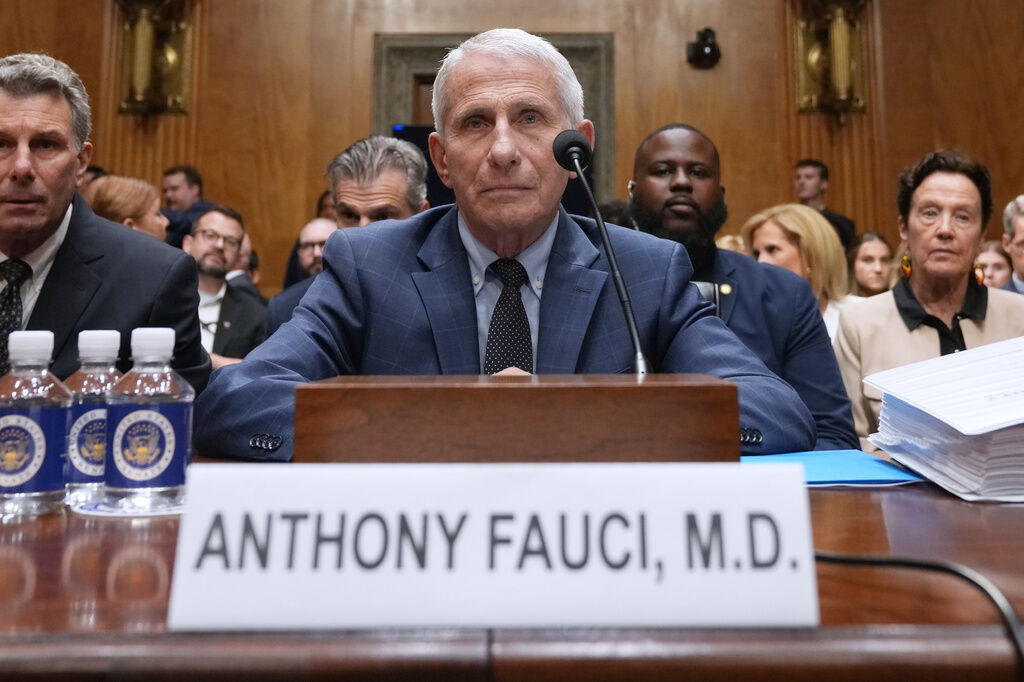
Fauci’s diary details blooming outrage toward ‘far right,’ softness toward Biden and China
Hudson Crozier
hudson.crozier@washingtonexaminer.com
Updated 2 days ago
Dr. Anthony Fauci increasingly railed against “far right” critics of his approach to COVID-19 issues while describing strong support from the Biden White House in his pandemic-era diary, which was recently released by Congress. The former National Institute of Allergy...
PREV
PREVIOUS

Hard-fought Dem primary could put GOP's Kirkmeyer in governor’s chair | Cronin & Loevy
Colorado state Sen. Barbara Kirkmeyer has the most political and governmental experience of the many candidates running for the 2026 Republican nomination for governor of Colorado. If she wins the Republican primary, she will have a decent chance of winning the governorship in the general election in November, even though Colorado is a decidedly blue […]

House approves measure aimed at better tracking veteran suicides at VA facilities
The House on Friday passed a measure that would better track veteran suicides on Department of Veterans Affairs campuses as part of a larger bill. Rep. Jason Crow, D-Aurora, sponsored the measure that would set aside $500,000 to create a working group to improve the data collection and analysis of deaths by suicide and attempted […]