

Hantavirus outbreak is not like COVID-19 pandemic, CDC says
Hantavirus is not a COVID-19 sequel.
Infectious disease experts at the Centers for Disease Control and Prevention, who refer to the outbreak on the cruise ship that’s been in the news as the Andes virus, describe the risk to the American public as “extremely low” because it is not spread as easily from person-to-person as the coronavirus.
“Routine travel can continue as normal,” the CDC said.
Colorado health officials said they are actively monitoring the outbreak through international and federal public health networks.
Dr. Rachel Herlihy, the state epidemiologist, and other state health officials routinely participate in World Health Organization Global Outbreak Alert and Response Network meetings, said Hope Shuler, a Colorado Department of Public Health and Environment (CDPHE) spokesperson. Recently the team received updates on the hantavirus response efforts.
No known cases of Andes virus have been reported in the United States.
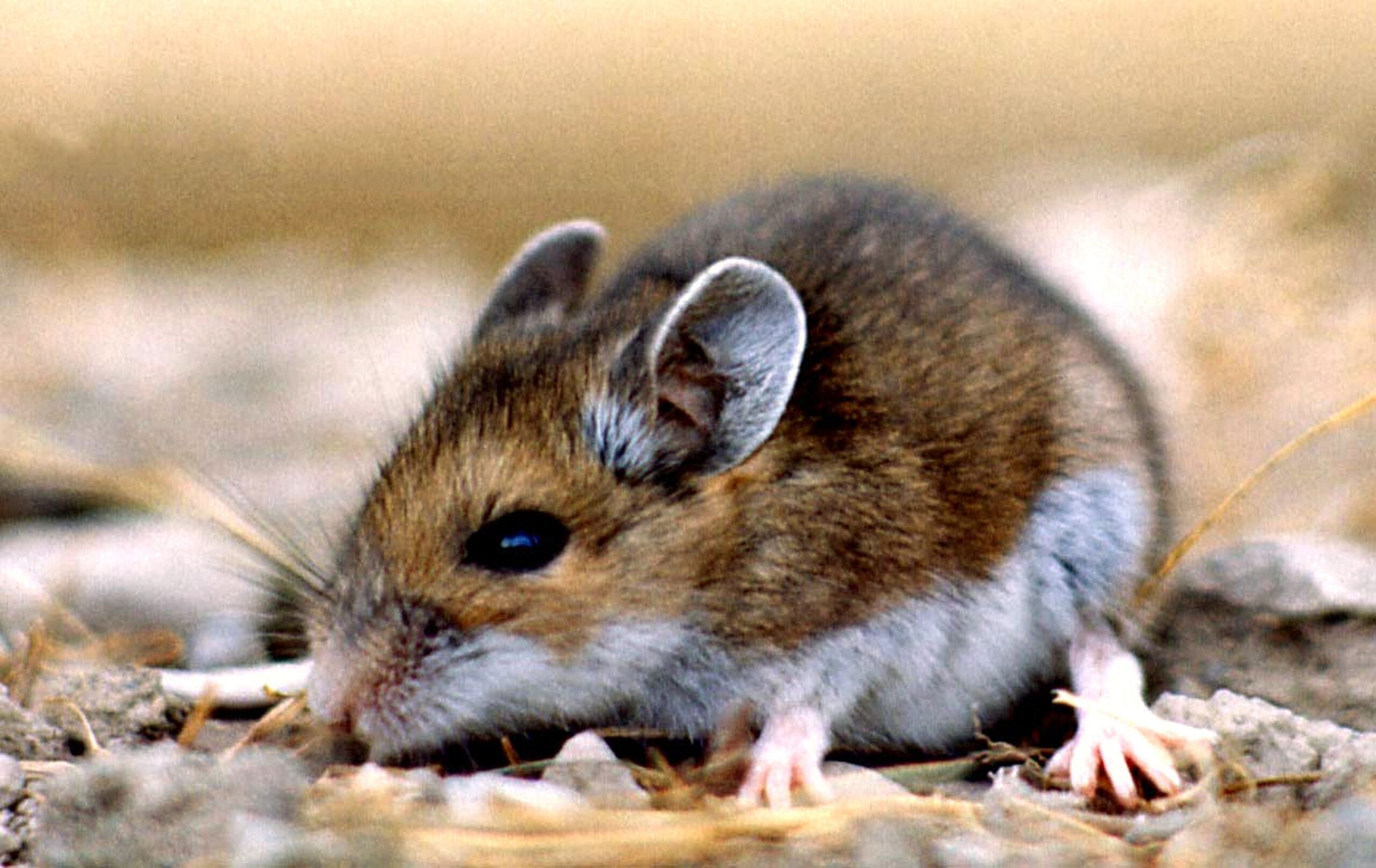
In Colorado, the most significant hantavirus is the Sin Nombre virus, which can also cause Hantavirus Pulmonary Syndrome, according to CDPHE. Most people become infected after inhaling aerosolized virus particles from deer mice urine, feces or saliva.
Hantavirus infections in Colorado remain relatively rare, typically totaling only a few cases annually, though the illness can be deadly.
State health officials said they have not received any information from the CDC indicating that Colorado residents were among the passengers aboard the cruise ship or on affected commercial flights.
The Andes virus is the only type of hantavirus known to spread person-to-person, usually through close contact with an individual with symptoms.
A type of hantavirus spread by rodents in South America, the Andes virus can cause Hantavirus Pulmonary Syndrome (HPS), a severe respiratory disease and death in humans.
Early symptoms can include fatigue, fever and muscle aches (particularly larger muscle groups like the thighs, hips and back). About half of patients also experience headaches, dizziness, chills and abdominal issues such as nausea, vomiting and diarrhea.
Symptoms typically appear between four to 42 days after exposure.
Generally, people are only infectious while symptomatic.
Roughly four in 10 people who develop respiratory symptoms may die from the disease.
There is no treatment for a hantavirus infection.
To avoid spreading the Andes virus, wash hands frequently, refrain from kissing and sexual contact with someone who is infected, and avoid sharing drinks, cigarettes and eating utensils.
Human exposure comes from contact with infected rodents’ urine, droppings and saliva in areas where the disease is active. Or from direct physical contact with an infected individual, such as exposure to saliva, respiratory secretions or other bodily fluids.
COVID-19, on the other hand, spreads primarily through tiny airborne particles expelled when an infected person breathes, talks, coughs or sneezes. Because the virus was novel — meaning humans had little to no existing immunity — it spread rapidly across the globe after emerging in late 2019.
While diseases such as measles are even more contagious, COVID-19 proved highly efficient at spreading person-to-person, fueled by international travel and asymptomatic transmission. The virus overwhelmed hospitals, shuttered schools and businesses, disrupted economies and altered daily life worldwide.
About 1.2 million people in the U.S. have died of COVID-19, according to the CDC. In Colorado, that number is more than 16,000, according to state data.
The hantavirus disease nabbed headlines earlier this month when three passengers aboard a Dutch cruise ship in the Atlantic Ocean died. As of Tuesday, there are 11 confirmed cases.
The latest confirmed hantavirus case among passengers was quarantined at a military hospital in Madrid.
“At the moment, there is no sign that we are seeing the start of a larger outbreak,” Tedros Adhanom Ghebreyesus, director general of the World Health Organization, said.
The Associated Press contributed to this story.


State health department directs GEO to assist in tuberculosis investigation at ICE facility
Kyla Pearce
kyla.pearce@gazette.com
Updated 3 days ago
The Colorado Department of Public Health and Environment issued a public health order directing the GEO Group to participate in the ongoing tuberculosis investigation at the Aurora ICE Processing Center. The Adams County Health Department confirmed an active case of...
Healthcare freefall: Once built on federal investment, rural hospitals today fight to survive
Thelma Grimes
thelma.grimes@coloradopolitics.com
Updated 2 days ago
Editor’s Note: Colorado’s healthcare system is entering a period of accelerating instability — a “tsunami,” as multiple leaders describe it — driven by collapsing hospital finances, shrinking Medicaid reimbursements, disappearing services and a political fight over who is responsible for...
Healthcare freefall: Subsidy cuts, insurance gaps reshape how Coloradans will seek care
Thelma Grimes
thelma.grimes@coloradopolitics.com
Updated 2 hours ago
Editor’s Note: Colorado’s healthcare system is entering a period of accelerating instability — a “tsunami,” as multiple leaders describe it — driven by collapsing hospital finances, shrinking Medicaid reimbursements, disappearing services and a political fight over who is responsible for...

Healthcare Freefall: Finger‑pointing intensifies as Colorado’s healthcare system strains under rising costs, shrinking coverage
Thelma Grimes
thelma.grimes@coloradopolitics.com
Updated 1 day ago
Editor’s Note: Colorado’s healthcare system is entering a period of accelerating instability — a “tsunami,” as multiple leaders describe it — driven by collapsing hospital finances, shrinking Medicaid reimbursements, disappearing services and a political fight over who is responsible for...

Colorado shifts vaccine authority to state as Trump administration revises childhood framework
Marissa Ventrelli
marissa.ventrelli@coloradopolitics.com
Updated 1 week ago
As the Trump administration rolls out a revised childhood vaccine framework, Colorado’s law allowing the state to set its own immunization schedule has now taken effect. Issued Monday, President Donald Trump’s executive order separates childhood and adolescent vaccines into three...

Colorado’s troubled guardianship office pursues ‘cultural reset’
Marianne Goodland
marianne.goodland@coloradopolitics.com
Updated 1 week ago
Colorado’s guardianship program, long criticized for mismanagement and high staff attrition, is undergoing a “cultural reset,” as its new director works to repair partnerships and prepare for a major expansion under recent legislation. Created by lawmakers in 2017, the Office...

New Colorado laws going into effect cover AI disclosures, medical marijuana access and gambling limits
Marissa Ventrelli
marissa.ventrelli@coloradopolitics.com
Updated 2 weeks ago
More than 100 new Colorado laws take effect Aug. 12, bringing changes to chatbot safety rules, psychedelic research, campus wellness checks and sports betting restrictions. Here is a look at some of those laws set to take effect. The law:...

Colorado to implement new laws on jail standards, safe haven rules, and agricultural labeling
Marissa Ventrelli
marissa.ventrelli@coloradopolitics.com
Updated 2 weeks ago
In mid-August every year, a slew of recently passed laws in Colorado go into effect 90 days after the end of the legislative session. This year, all bills without a specified effective date or safety clause — a provision stating...

‘Explosive’ diarrhea-causing parasite cyclosporiasis cases nearly triple in Colorado
Nico Brambila
nico.brambila@denvergazette.com
Updated 2 weeks ago
Cases of the “explosive” diarrhea-causing parasite cyclosporiasis nearly tripled in Colorado over the past month, prompting renewed attention after related deaths were reported in Michigan. Twenty-nine counties in Colorado have reported cases, according to the Colorado Department of Public Health...

U.S. News names Saint Joseph best hospital in Colorado, ending University of Colorado Hospital’s 13-year streak
Nico Brambila
nico.brambila@denvergazette.com
Updated 2 weeks ago
University of Colorado Hospital is no longer Colorado’s top-ranked hospital for the first time in more than a decade, with Intermountain Health Saint Joseph Hospital taking the No. 1 spot in U.S. News & World Report’s latest rankings. Located on...
PREV
PREVIOUS

Colorado justices skeptical of defendant's challenge to flawed jury instruction
Members of the Colorado Supreme Court appeared willing to uphold a defendant’s vehicular eluding conviction on Tuesday, suggesting that an incorrectly worded jury instruction was not an obvious and harmful error in light of the defense’s choice not to dispute the evidence. A Denver jury convicted Jeffery Sloan of killing Yasir Hasan and Mark Karla by running […]

Aurora is 'strong and getting stronger,' mayor says in State of City speech
Aurora is “strong and getting stronger,” the city’s mayor said on Tuesday, citing successes in a new homeless navigation campus. Mayor Mike Coffman said he leaves work every Friday and goes straight to the Regional Navigation Campus, where he then sleeps in the low-barrier homeless shelter and helps serve breakfast in the morning. The navigation […]