

Swipe fee bill survives second vote in the Senate
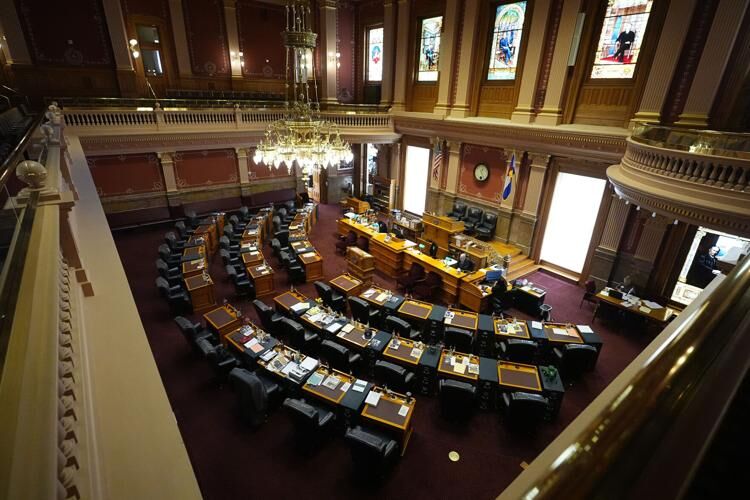
One of the strangest and most expensive fights of the 2026 session got a little closer to being over on Friday when the Senate took a second final vote on Senate Bill 134.
It’s not a David-and-Goliath story. It’s more like a Goliath versus Goliath tale.
SB 134 is known as the swipe fee bill, and would stop banks and credit card issuers from charging what’s known as interchange, aka swipe fees, on sales tax paid by retailers.
Supporters point out that retailers are paying that 2.5% to 3% credit card charge on sales tax, which isn’t retained by the retailer and is instead routed to the state or other taxing entities.
That support came from Colorado’s restaurants, breweries, small businesses and retailers, along with big box retailers such as Walmart, Target and Home Depot.
Opponents, including the banks, credit card companies, unions, chambers of commerce and left-leaning groups such as the Bell Policy Center and Towards Justice claim the big box retailers are the largest beneficiaries of the bill. Unions that oppose the legislation also pointed to the potential for loss of union jobs and angst over a bill that benefits anti-union retailers.
Wednesday, SB 134 passed on an 18-16 vote with one lawmaker, Sen. Jessie Danielson, D-Wheat Ridge, absent.
But that third reading vote, which usually means the bill moves on to the House, wasn’t the end of it.
SB 134 was introduced on March 4 and went through the Senate Business, Labor and Technology Committee on March 12.
And then it sat for six weeks, until the beginning of this week.
On Monday, the bill went through Senate debate, along with a substantial amendment that would require businesses with more than 500 employees to use the savings they get from not having to pay swipe fees on sales tax, and put that toward reducing consumer prices or using it for employee wages or benefits.
The Senate voted Wednesday, but Senate Majority Robert Rodriguez, D-Denver, asked shortly after for a reconsideration of the vote, which can be requested by anyone who votes in favor of it.
But he had nothing to say when the bill came up on Friday. That was up to Sen. Julie Gonzales, D-Denver, who had also voted in favor.
And she had plenty to say about what had been going on outside the Senate chambers.
The Secretary of State’s website showed 175 lobbyists and lobbying firms signed up to work on the bill, including a dozen who signed up since Monday, about half in support and half opposed. Last-minute signups usually mean a major push is coming.
The amount spent on lobbyists by both sides is likely in the hundreds of thousands of dollars, based on disclosure reports filed with the Secretary of State in March.
Gonzales said SB 134 was supposed to be a straightforward policy that asked if an institution with more than $60 billion in assets should be prohibited from charging swipe fees on sales tax.
“Yet this policy has become wrapped up in an incredible amount of lobbying efforts,” Gonzales said, adding that she’d been bombarded over the last few days.
She fielded calls from restaurant owners, desperate for relief that could come from the bill, she said. The calls came from non-profits, opposed to the bill, who were anxious that if the corporations that make donations had to tighten their belts, the non-profits would suffer.
There were threats, she said. If she voted a certain way, her bills could be in trouble.
What she heard from the proponents was that the bill would provide relief for restaurant owners. Opponents say it will get tied up in litigation, a threat tied to the federal Office of Comptroller of the Currency, which issued interim rules last week on interchange fees tied to a similar law coming out of Illinois.
What it came down to for Gonzales, however, was: Would it mean consumers would pay less? Would it save Coloradans money?
“The simple fact is that it doesn’t,” she said. What SB 134 is, is a proxy battle both in Colorado and nationwide between financial services institutions and big or small businesses.
“The fact that there has been so many resources paid into the lobbying on this bill is telling in and of it itself,” she told the Senate.
But she also thought “it was important we all show up and vote on this today,” which appeared to be a dig at Danielson.
“If you’re a Colorado consumer and you want to help your local coffee shop, consider paying with cash,” Gonzales said.
SB 134 passed on the narrowest of votes: 18-17, with five Democrats voting against.
That included Rodriguez, who had voted for it on Wednesday.
Gonzales voted for it. So did Danielson.
SB 134 now moves on to the House, where it is cosponsored by House Speaker Julie McCluskie, D-Dillon and House Majority Leader Monica Duran, D-Wheat Ridge.
Will there be more fireworks? Stay tuned.


Committee approves reworked version of previously vetoed rideshare bill
Marissa Ventrelli
marissa.ventrelli@coloradopolitics.com
Updated 6 minutes ago
Members of the Colorado House Business Affairs and Labor Committee voted across party lines to pass a modified version of a bill establishing regulations on rideshare companies. Last year, Reps. Jenny Willford, D-Northglenn, and Meg Froelich, D-Englewood, introduced House Bill...

Veto likely as union-backed bill heads to Colorado governor’s desk — again
Marissa Ventrelli
marissa.ventrelli@coloradopolitics.com
Updated 41 minutes ago
For the second year in a row, a bill that would make it easier for labor organizations to impose fees on all workers, regardless of union membership, is headed for Gov. Jared Polis’ desk. The governor, who vetoed the legislation...

Aurora mental health nonprofit cuts 100-plus jobs after Colorado agency reduces reimbursement rate
Marianne Goodland
marianne.goodland@coloradopolitics.com
Updated 4 hours ago
A nonprofit that provides services through 11 mental health centers in Aurora announced Thursday that it is eliminating 111 jobs effective June 30, the result of federal and state budget reductions. Aurora Mental Health & Recovery said the positions being...

Colorado space startup secures $650 million for expansion
alex-edwards
alex.edwards@gazette.com
Updated 23 hours ago
The window to deliver space superiority for the U.S. is open but shrinking rapidly, according to defense startup True Anomaly. The Centennial-based company hit a milestone in its pursuit to help deliver that, announcing Tuesday that it raised $650 million...

Denver public safety power shut-offs ‘a last resort,’ Xcel says
Deborah Grigsby
deborah.smith@denvergazette.com
Updated 1 day ago
Although Denver has not yet experienced a public safety power shut-off, the Mile High City came close in December, according to Xcel Energy officials who briefed the city’s Transportation and Infrastructure committee Wednesday. Representatives from the utility company briefed members...

12 finalists selected to interview for Aurora Colfax revitalization board
Kyla Pearce
kyla.pearce@gazette.com
Updated 1 day ago
Twelve finalists, including several area business owners, will interview for Aurora’s Downtown Development Authority Board in early May to form the oversight body for a project to revitalize Colfax Avenue. Aurora officials received 38 applications for the six board positions,...

Selling dogs, cats in pet stores now banned in Colorado
Marissa Ventrelli
marissa.ventrelli@coloradopolitics.com
Updated 22 hours ago
Gov. Jared Polis signed a bill into law last week prohibiting pet stores from selling dogs and cats. House Bill 1011 would still allow pet stores to house pets available for adoption through local shelters. Eight states and 26 Colorado...
Colorado bill allowing THC beverages to be sold at grocery stores, restaurants pulled by sponsor
Marissa Ventrelli
marissa.ventrelli@coloradopolitics.com
Updated 22 hours ago
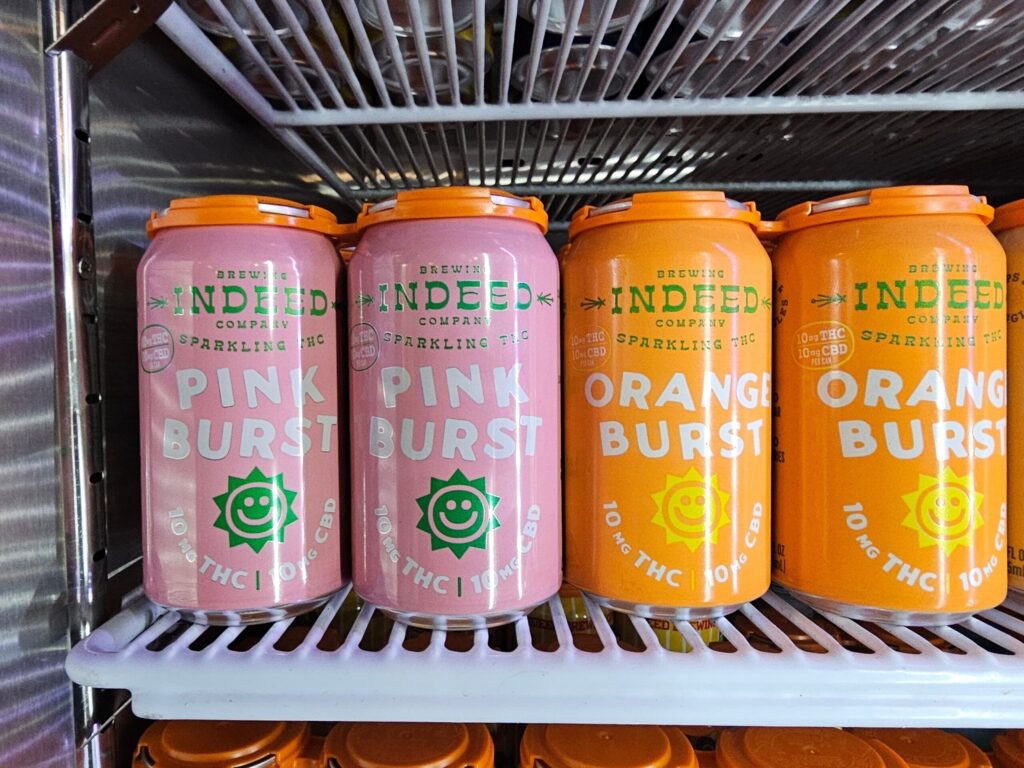
A Denver Democrat decided on Tuesday to pull a proposal that would have allowed beverages with tetrahydrocannabinol or THC to be sold at locations like grocery stores, restaurants, and entertainment venues. THC is the psychoactive substance in cannabis, the chemical...

Proposal exempting some IT equipment from Colorado’s ‘right to repair’ law fails
Marissa Ventrelli
marissa.ventrelli@coloradopolitics.com
Updated 2 days ago
A bill proposing an exemption to Colorado’s “right to repair” laws for “critical infrastructure” failed to pass its first committee in the House after clearing the Senate. Senate Bill 090 would have exempted information technology equipment considered “critical infrastructure” —...
‘Expect 2027 revenue to remain flat,’ finance officials warn Denver budget planners
Deborah Grigsby
deborah.smith@denvergazette.com
Updated 2 days ago
Denver expects little to no revenue growth through 2027. And “flat” growth is a “best-case scenario,” city finance experts told members of the Denver City Council’s Budget and Finance Committee, as preliminary efforts to organize and establish guidance for the...
PREV
PREVIOUS

Veto likely as union-backed bill heads to Colorado governor's desk — again
For the second year in a row, a bill that would make it easier for labor organizations to impose fees on all workers, regardless of union membership, is headed for Gov. Jared Polis’ desk. The governor, who vetoed the legislation last year, has indicated he would do so again — unless business representatives and labor […]

Committee approves reworked version of previously vetoed rideshare bill
Members of the Colorado House Business Affairs and Labor Committee voted across party lines to pass a modified version of a bill establishing regulations on rideshare companies. Last year, Reps. Jenny Willford, D-Northglenn, and Meg Froelich, D-Englewood, introduced House Bill 1291, which proposed a number of new safety requirements for rideshare drivers and customers. The […]