

Road-funding amendment divides Colorado over $539M general fund shift
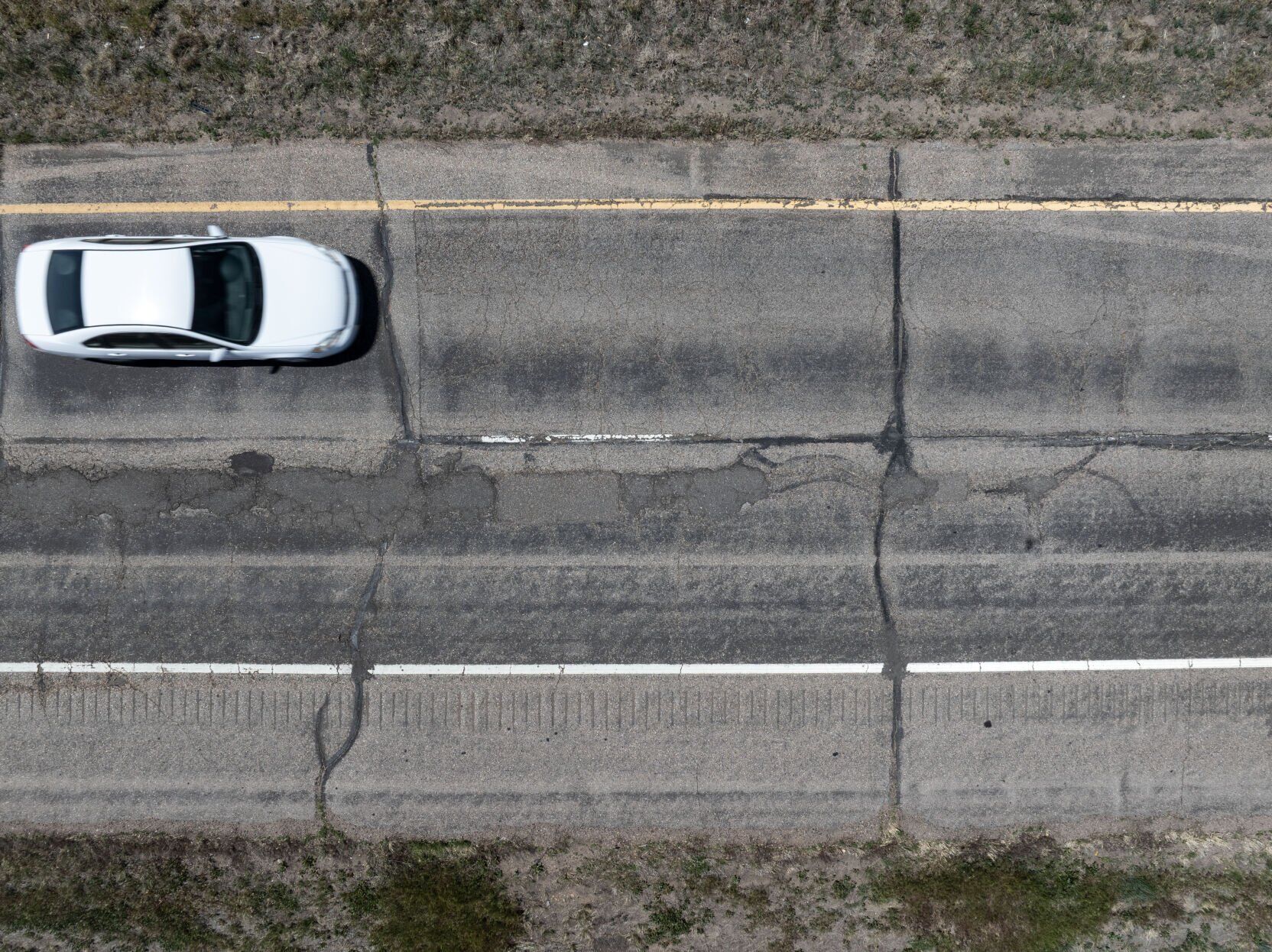
A battle is brewing over funding for Colorado’s roads after a citizen initiative has been cleared to gather signatures to put it on the ballot for voters to decide.
Supporters of the proposed constitutional amendment that would change existing law on transportation funding and increase state revenue allotted for road transportation said it would end years of diversions of funds and dedicate vehicle-related taxes and fees to fixing Colorado’s roadways.
Opponents, meanwhile, argued it would force painful budget choices by pulling money from other state priorities.
The measure, Initiative No. 175 would take effect Jan. 1, 2027, assuming it submits sufficient signatures to make it to the ballot and voters approve it in November. It would require a list of transportation-related revenues be spent only on building and fixing roads and bridges, safety improvements, transportation planning and engineering, as well as Colorado State Patrol operations.
About $1.395 billion of the roughly $2.09 billion in revenues affected already comes from funds dedicated to highways under the Highway Users Tax Fund.
Vehicle sales and use taxes amounting to some $538.9 million would be statutorily dedicated to highway use. This amounts to about 3.1% of the state’s $17.4 billion discretionary General Fund. Those revenues are transportation-related, but are currently allocated by the legislature each year for any state purpose it chooses.
An April 14 letter from Keep Kids First Colorado — the group leading opposition to the initiative, 46 lawmakers and more than 43 organizations including education, hospital and environmental groups — stated that balancing the budget without major reductions to Medicaid, K-12 education and higher education would be nearly impossible if the initiative passes.
“Transportation works best when it is funded out of its own user fees,” Randal O’Toole, director of the Transportation Policy Center at the Independence Institute, said in a written response to The Denver Gazette. The Institute is a Denver-based free-market think tank.
Matthew Groves, CEO of the Colorado Automobile Dealers Association, said the funds have long been diverted from their intended purpose.
“We have never reduced the amount of sales taxes we’re paying into the highway fund,” Groves said in a written statement. “But somehow, those funds keep getting diverted for other projects that do not help the majority of Coloradans pursue a better life.”
Tom Peterson, executive director of the Colorado Asphalt Pavement Association, described current road conditions as a crisis.
“We think 175 is a solution that would bring in sustainable funding dollars to move the needle,” Peterson said in an interview with The Denver Gazette.
Opponents warned the shift would pressure core programs.
Medicaid, K-12 education and higher education together account for about 71% of General Fund spending, according to budget documents.
The Department of Health Care Policy and Financing — the agency in charge of state Medicaid — makes up roughly 32.8% of total state appropriations, with a General Fund share of about $5.75 billion. K-12 education accounts for about 27.6% of appropriations, with base General Fund support of roughly $4.6 billion, plus supplemental funding. Higher education receives about 9.9% of appropriations, with roughly $1.6 billion from the General Fund.
The Legislative Council Staff analysis projects the initiative would redirect $538.9 million from the General Fund in the first full year. The initiative itself does not mandate cuts to any specific program — the Colorado General Assembly retains authority to decide how to address that shift.
An information page on the Colorado General Assembly website contains more information about the initiative.
The Colorado Department of Transportation did not respond to a request for comment by press time.

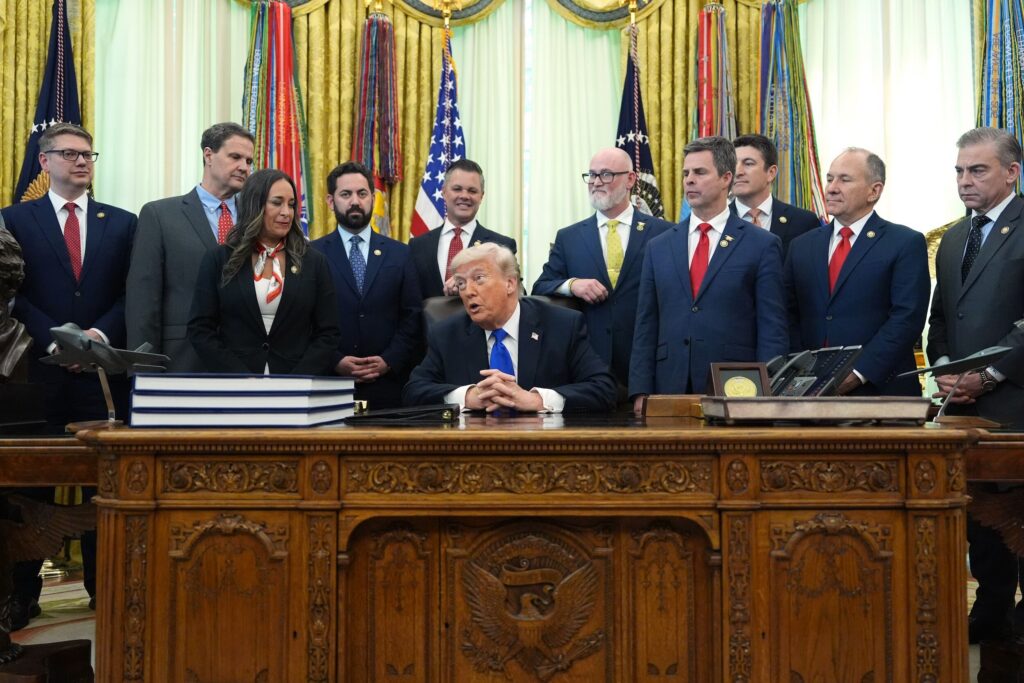
Trump order aims to help more people get retirement savings plans in time for new federal match
Collin Binkley
collin.binkley@associatedpress.com
Updated 21 hours ago
WASHINGTON • President Donald Trump signed an executive order on Thursday calling for a new government website where people in the United States can find and compare private-sector retirement savings accounts, aiming to help millions of workers whose employers do not offer such...

Committee approves reworked version of previously vetoed rideshare bill
Marissa Ventrelli
marissa.ventrelli@coloradopolitics.com
Updated 2 days ago
Members of the Colorado House Business Affairs and Labor Committee voted across party lines to pass a modified version of a bill establishing regulations on rideshare companies. Last year, Reps. Jenny Willford, D-Northglenn, and Meg Froelich, D-Englewood, introduced House Bill...
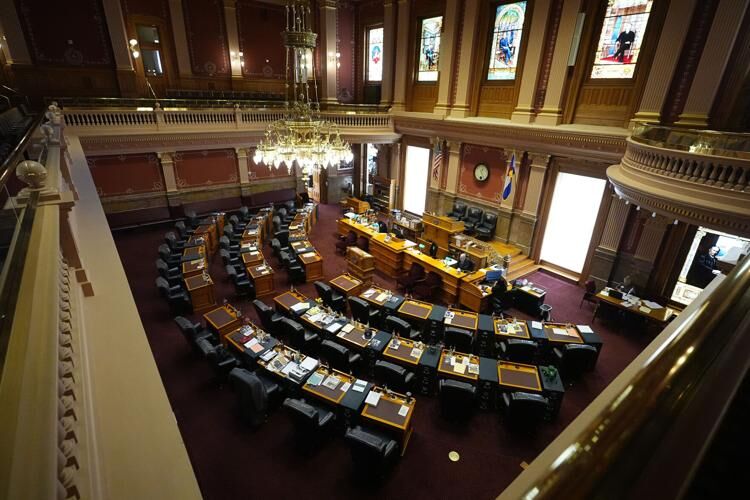
Fight over credit card ‘swipe fees’ attracts nearly 200 lobbyists in Colorado
Marianne Goodland
marianne.goodland@coloradopolitics.com
Updated 2 days ago
One of the most expensive fights of the 2026 session got a little closer to being over on Friday, when the Colorado Senate took a second final vote on the proposal to eliminate “swipe fees” on sales taxes. It’s not...

Veto likely as union-backed bill heads to Colorado governor’s desk — again
Marissa Ventrelli
marissa.ventrelli@coloradopolitics.com
Updated 2 days ago
For the second year in a row, a bill that would make it easier for labor organizations to impose fees on all workers, regardless of union membership, is headed for Gov. Jared Polis’ desk. The governor, who vetoed the legislation...

Aurora mental health nonprofit cuts 100-plus jobs after Colorado agency reduces reimbursement rate
Marianne Goodland
marianne.goodland@coloradopolitics.com
Updated 2 days ago
A nonprofit that provides services through 11 mental health centers in Aurora announced Thursday that it is eliminating 111 jobs effective June 30, the result of federal and state budget reductions. Aurora Mental Health & Recovery said the positions being...

Colorado space startup secures $650 million for expansion
alex-edwards
alex.edwards@gazette.com
Updated 3 days ago
The window to deliver space superiority for the U.S. is open but shrinking rapidly, according to defense startup True Anomaly. The Centennial-based company hit a milestone in its pursuit to help deliver that, announcing Tuesday that it raised $650 million...

Denver public safety power shut-offs ‘a last resort,’ Xcel says
Deborah Grigsby
deborah.smith@denvergazette.com
Updated 3 days ago
Although Denver has not yet experienced a public safety power shut-off, the Mile High City came close in December, according to Xcel Energy officials who briefed the city’s Transportation and Infrastructure committee Wednesday. Representatives from the utility company briefed members...

12 finalists selected to interview for Aurora Colfax revitalization board
Kyla Pearce
kyla.pearce@gazette.com
Updated 3 days ago
Twelve finalists, including several area business owners, will interview for Aurora’s Downtown Development Authority Board in early May to form the oversight body for a project to revitalize Colfax Avenue. Aurora officials received 38 applications for the six board positions,...

Selling dogs, cats in pet stores now banned in Colorado
Marissa Ventrelli
marissa.ventrelli@coloradopolitics.com
Updated 3 days ago
Gov. Jared Polis signed a bill into law last week prohibiting pet stores from selling dogs and cats. House Bill 1011 would still allow pet stores to house pets available for adoption through local shelters. Eight states and 26 Colorado...

Colorado bill allowing THC beverages to be sold at grocery stores, restaurants pulled by sponsor
Marissa Ventrelli
marissa.ventrelli@coloradopolitics.com
Updated 3 days ago
A Denver Democrat decided on Tuesday to pull a proposal that would have allowed beverages with tetrahydrocannabinol or THC to be sold at locations like grocery stores, restaurants, and entertainment venues. THC is the psychoactive substance in cannabis, the chemical...
PREV
PREVIOUS

12 finalists selected to interview for Aurora Colfax revitalization board
Twelve finalists, including several area business owners, will interview for Aurora’s Downtown Development Authority Board in early May to form the oversight body for a project to revitalize Colfax Avenue. Aurora officials received 38 applications for the six board positions, and 32 met the criteria. Of those 32, a nomination committee selected 12 finalists to […]

Denver public safety power shut-offs 'a last resort,' Xcel says
Although Denver has not yet experienced a public safety power shut-off, the Mile High City came close in December, according to Xcel Energy officials who briefed the city’s Transportation and Infrastructure committee Wednesday. Representatives from the utility company briefed members of the Denver City Council’s committee on wildfire mitigation efforts on Wednesday, highlighting a $1.2 […]