

Colorado Senate takes up $46.8 billion budget

The battle over Colorado’s proposed $46.8 billion spending plan for next year shifted to the state Senate, which must decide whether to acquiesce to changes made by the House.
The senators could also decide to adopt their own changes, which would force the two bodies to reconcile their differences.
The state constitution requires a balanced budget, although that rarely stays balanced for long, and this year, lawmakers must plug a deficit of more than $1 billion. The proposed budget is actually bigger than the current year’s spending plan, driven by Medicaid costs.
In the Senate, the budget is sponsored by Joint Budget Committee members Sens. Jeff Bridges, D‑Greenwood Village, Barbara Kirkmeyer, R‑Brighton, and Judy Amabile, D‑Boulder.
Senators will consider several House‑passed amendments, including one that removes Colorado Parks and Wildlife’s ability to use about $260,000 in general fund dollars to acquire additional wolves for the state’s reintroduction program. Another House amendment restores nearly $240,000 in cash funds and three full‑time employees to the Treasurer’s Office for the Unclaimed Property Trust Fund.
There is little room for major changes, as the Joint Budget Committee worked to close a $1 billion-plus budget hole in drafting the plan.
Democrats have attributed the shortfall to the federal budget passed pushed by the Trump administration, while Republicans argue that state Democrats created the state’s fiscal woes by overspending, expanding government and refusing to make the necessary cuts while knowing a huge deficit was looming.
Driving the fiscal crisis is spending in the state Medicaid program, which provides health coverage to low-income women and children. The program is beset by allegations of fraud and abuse, in addition to expansion programs approved by legislators that are costing the state significantly more than the original estimates.
A program that provides health coverage to pregnant women and children illegally staying in the U.S., for example, is costing the state four times more than estimated.
Cover All Coloradans, initially estimated in 2022 by nonpartisan fiscal analysts to cost about $27 million in general funds in the 2025-26 budget, instead cost nearly $90 million in general funds in 2025-26 and could cost more than $112 million in the 2026-27 budget.
Legislators are considering a proposal to cap children’s enrollment in the program.
The state budget stalled in the House, where Republican Rep. Brandi Bradley asked that the 661‑page bill be read at length.
Lawmakers ultimately passed the budget on Saturday, with all Republicans except Rep. Rick Taggart of Grand Junction voting against it. One Democrat, Rep. Bob Marshall of Highlands Ranch, also opposed the bill.
The budget consists of a budget bill and 64 accompanying measures, known as orbitals, all of which were approved by the House, most with bipartisan support.ˆ
Once the budget clears both chambers, it will head to the governor, who may veto specific provisions but cannot add new ones.
Reporter Marianne Goodland contributed to this article.

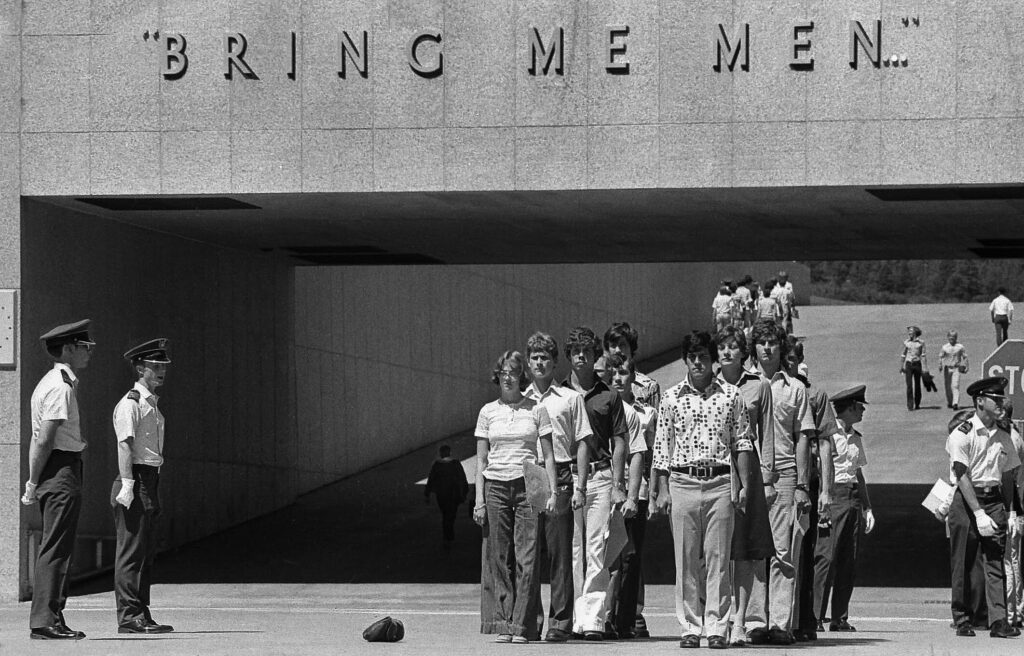
Fifty years later, women reflect on first coed class at the Air Force Academy, struggle for equality
Mary Shinn
mary-shinn@coloradopolitics.com
Updated 2 days ago
When the first female Air Force Academy cadets arrived 50 years ago this summer, they stood in front of an enormous sign on campus that read “Bring me men.” In the shadow of that sign, Kathleen Utley Kornahrens, one of...

A new day? Colorado’s troubled guardianship office pursues ‘cultural reset’
Marianne Goodland
marianne.goodland@coloradopolitics.com
Updated 4 days ago
Colorado’s guardianship program, long criticized for mismanagement and high staff attrition, is undergoing a “cultural reset,” as its new director works to repair partnerships and prepare for a major expansion under recent legislation. Created by lawmakers in 2017, the Office...

Democratic group aims Spanish-language TV ad at Gabe Evans in Colorado’s battleground 8th CD
Ernest Luning
ernest.luning@coloradopolitics.com
Updated 2 days ago
A national group tied to House Democratic leadership launched a six-figure Spanish-language TV ad in Colorado this week targeting Republican U.S. Rep. Gabe Evans and the GOP’s signature budget legislation. The 30-second spot is part of $15 million in new...

Colorado School of Mines lands major share in Trump’s $100M mining-education plan
Thelma Grimes
thelma.grimes@coloradopolitics.com
Updated 3 days ago
President Donald Trump on Friday named the Colorado School of Mines among roughly a dozen institutions that will share in a $100 million commitment “to train the next generation of American miners.” Paul Johnson, the university’s president, said he is...

Judge dismisses lawsuit seeking records from Colorado Democratic group
Marianne Goodland
marianne.goodland@coloradopolitics.com
Updated 3 days ago
A lawsuit seeking to obtain records from Democratic lawmakers affiliated with a caucus has been thrown out by a Denver District Court judge. On July 17, Judge Ericka Englert dismissed the April lawsuit filed by progressive activist Derrick Blanton, who...

DOJ official decries ‘nonsense’ in Jeffco schools at fundraising gala
Matt Kyle
matt.kyle@denvergazette.com
Updated 2 days ago
Amid a legal battle between Jeffco Public Schools and the federal government, a Department of Justice official spoke at a fundraising gala and decried “crazy stuff” and “nonsense” in the school district. The gala was for Jeffco Kids First, an...
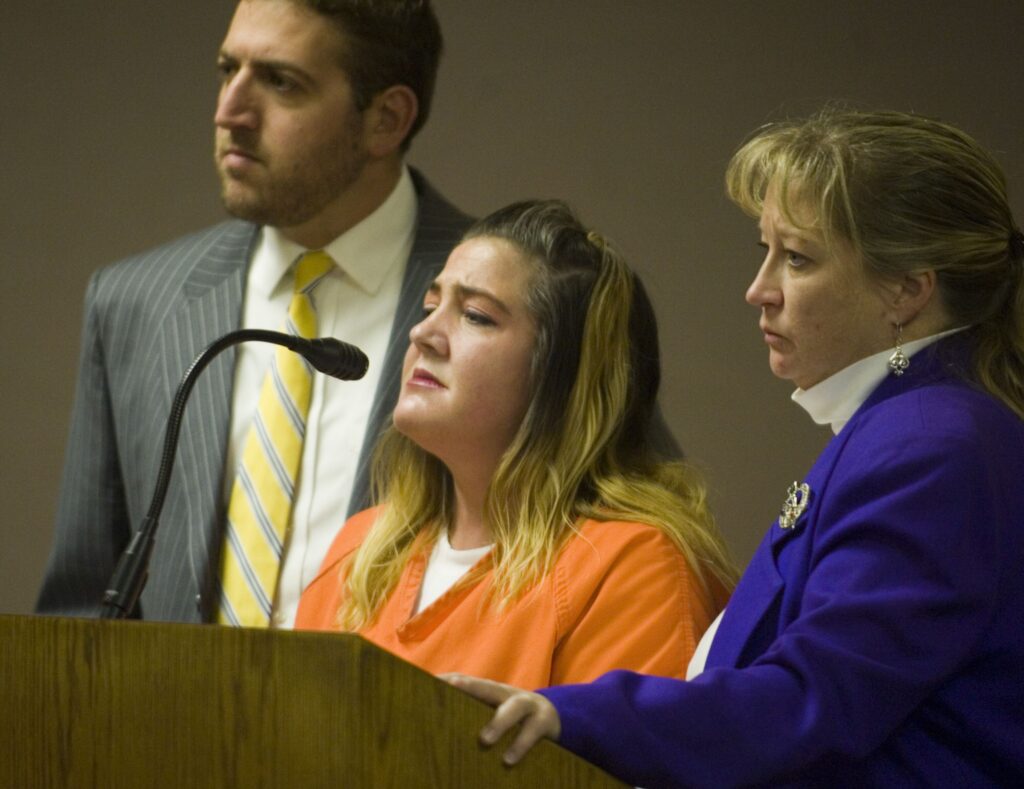
Colorado Springs mother Deborah Nicholls’ murder conviction overturned
Nick Smith
nick-smith@coloradopolitics.com
Updated 3 days ago
A Colorado Springs mother convicted in 2008 of murdering her three children in a house fire might get a new trial after a judge ruled that prosecutors withheld key evidence that could have impacted the jury’s verdict. Deborah Nicholls, whose...

Aurora Community College student journalist accuses college of ‘unconstitutional gag order’
Kyla Pearce
kyla.pearce@gazette.com
Updated 3 days ago
An Aurora Community College student is accusing the college of putting an “unconstitutional gag order” on his student-run publication, saying the college banned it from publishing until students jumped through “countless bureaucratic hoops.” A college spokesperson said the college is...

Polis administration relaunches Colorado e-bike rebates with $3 million
Scott Weiser
scott.weiser@gazette.com
Updated 3 days ago
Gov. Jared Polis and the Colorado Energy Office announced Thursday the return of the state’s popular e-bike rebate program, with registration set to open later this month. The office plans to provide point-of-sale rebates totaling $3 million from the Community...
Appeals court rejects former DougCo commissioner’s legal fee claim
Nicholas Fogleman
nicholas.fogleman@denvergazette.com
Updated 3 days ago
The Colorado Court of Appeals rejected a former Douglas County commissioner’s bid for reimbursement of attorney fees she incurred while responding to multiple investigations into her conduct. The dispute stemmed from a 2019 anonymous letter sent to county officials alleging...
PREV
PREVIOUS

When a species is managed atop a pedestal, it isn’t management — it’s emotion | Rachel Gabel
With petitions being tossed around like glitter at prom, it’s time for reasonable voters to sharpen their pencils and speak up. The first, of course, is in response to the Colorado Parks and Wildlife Commission’s blatant disregard for their director, legal counsel, stakeholder, and staff and their direction to initiate rulemaking on a petition related […]

State Supreme Court to hold oral arguments, federal judges find fault with bond hearings | COURT CRAWL
Welcome to Court Crawl, Colorado Politics’ roundup of news from the third branch of government. The state Supreme Court will resume hearing oral arguments tomorrow, plus some federal judges are raising the alarm about immigration judges’ handling of bond hearings. Oral argument calendar • The Colorado Supreme Court will hold oral arguments in six cases this […]