

Colorado Supreme Court committee rejects civility proposal amid fears of weaponization by judges, ‘jerks’
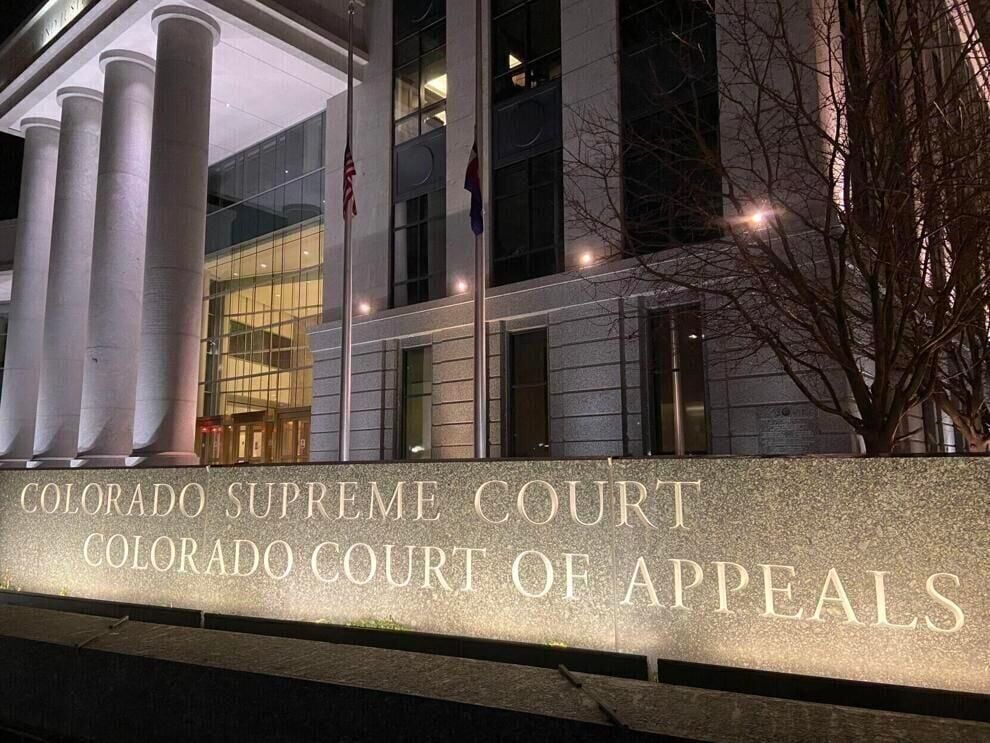
The Colorado Supreme Court’s Civil Rules Committee overwhelmingly rejected a proposal last week to create an enforceable “civility code” for lawyers and legal paraprofessionals, which would allow judges to quickly impose corrective action without a formal complaint and investigation by attorney regulators.
Although several committee members acknowledged poor behavior in the legal profession, there was widespread concern that the proposed code would have no effect on those who already disregard professional expectations. Moreover, attorneys could use the code as a weapon against each other or judges, leading to even more litigation.
At the same time, Jefferson County District Court Judge Christopher Zenisek was troubled that a rule to check bad actors could be weaponized by those same bad actors.
“There is something of an irony that we’re acknowledging there is a need for something like this, but seemingly declining to incorporate it because of the jerks,” he said.
“I don’t know that it is entirely about letting the jerks rule the roost or control what we’re doing,” countered Denver District Court Judge Stephanie L. Scoville. “I think it’s more about us trying to stay in our lane.”
A similar version of the civility code surfaced years ago, but various bar associations in Colorado objected to it. In 2024, a new group of drafters, with the participation of Justice Richard L. Gabriel, revised the proposal and obtained endorsements from the Colorado Bar Association and Denver Bar Association. From there, they sought the rules committee’s approval.
Retired Court of Appeals Judge John R. Webb, in a memo to the committee, explained that Colorado’s civility rule is modeled on Wyoming’s, which is the only state with binding standards.
“According to our research, the judges in Wyoming find the rule helpful and have not found it to be used as a weapon to escalate litigation,” Webb wrote. “The judges in Wyoming report that it is a tool they can use in the courtroom to remind counsel of their duty to be civil and courteous to all parties and to de-escalate situations as they arise.”
However, Webb indicated the six people who screened the proposal on behalf of the Civil Rules Committee were evenly divided about whether to recommend its adoption.

As proposed, the civility code would require courteousness and cooperation, and prohibit “materially misleading statements about the underlying facts” of a case. Punctuality and adherence to courtroom decorum would also be required. One version of the rule would permit judges to impose monetary sanctions for violations, while another version would only allow consequences aimed at “encouraging current and future compliance.” For example, a judge could order a lawyer to take professionalism classes, refile an offending document or give the lawyer a reprimand.
Gabriel, the Supreme Court’s liaison to the Civil Rules Committee, said during the Jan. 23 meeting that he understood Wyoming judges to appreciate their version of the rule for laying out expectations ahead of time.
“I think that was mainly to have something I can point to and not off-the-cuff it,” he said.
Attorney Damon Davis said that he was concerned about allowing monetary sanctions, but believed an enforceable code had merit.
“There is a degree of incivility you need a counter-incentive for. You have the court saying, ‘Hey, this isn’t how we behave’ that can provide that,” he said. “And it does decrease the contentiousness because no one wants the judge to say that to them. ‘I don’t like how you’re behaving.'”
However, other members of the rules committee pushed back strenuously.
“I don’t think Colorado is Wyoming,” said Court of Appeals Judge Jerry N. Jones, who chairs the committee. He added that he was “really disheartened to learn” that incivility is a bigger problem now in the legal profession than when he began practicing.
“I know this might sound a little blunt: I think it’s naive to think that by passing a rule like this, we will change the behavior of those people. We have the rules of professional conduct. We have always had them. And yet, attorneys from time to time behave the way they do,” he said. “I’m a little concerned we have judges who think, ‘Unless I have a rule, I can’t reprimand them for being disrespectful.’ Really? I think they can and they should, and many of them already do.”
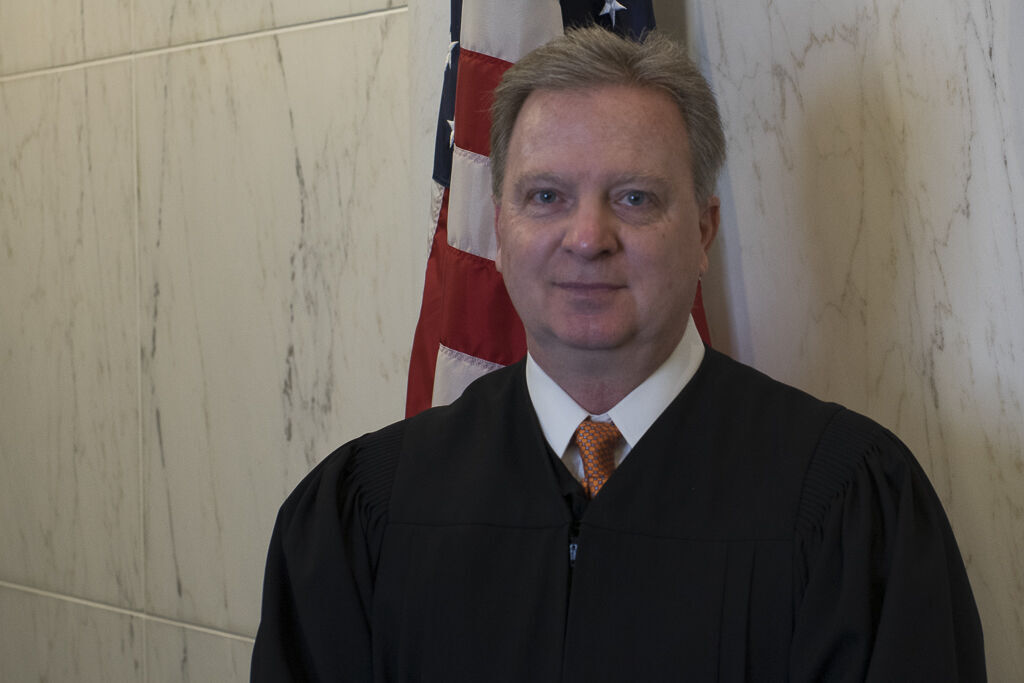
Attorney Jose L. Vasquez added that the rule could be used against lawyers who act assertively on behalf of their clients, but nonetheless within the bounds of professionalism. Sanctionable expectations could have a “chilling effect” on those attorneys, he said.
“I have heard of experiences that, for whatever reason, this judge treats this attorney on the other side differently. It’s unfortunate. I don’t think it’s the majority of judges. But it happens,” Vasquez said. “I’m greatly concerned about the power that it gives the judge in that case.”
District Court Judge Gregory R. Werner of El Paso County said, on the flip side, that lawyers could attempt to get judges to recuse themselves from cases after imposing civility sanctions on one side.
“Whether those motions would have merit or not, I don’t know. But I certainly would anticipate that we would get more of them,” he said, adding that attorneys on the receiving end of civility sanctions would potentially submit negative reviews against judges who are up for retention.
Ultimately, no one on the committee voted to approve the version of the civility code with financial sanctions. Davis was the only vote to approve the version with compliance-oriented sanctions.

10th Circuit grants immunity to officers for fatal Manitou Springs shooting
Michael Karlik
michael.karlik@coloradopolitics.com
Updated 2 hours ago
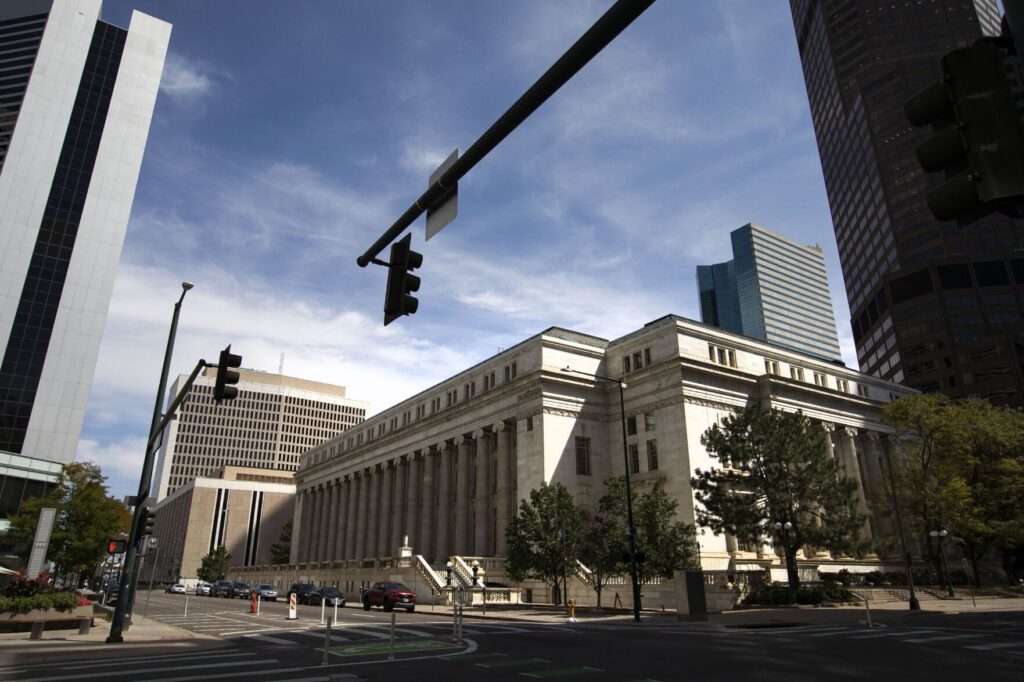
The Denver-based federal appeals court ruled on Wednesday that responding officers from Manitou Springs and El Paso County cannot be held constitutionally liable for shooting and killing a man after a 20-minute standoff. Wilford Deweese allegedly pulled out a gun...

10th Circuit rejects invitation for full-court review of tax-avoidance case
Michael Karlik
michael.karlik@coloradopolitics.com
Updated 3 hours ago
The Denver-based federal appeals court declined to reconsider the standards for holding entities liable for their tax-avoidance schemes, with a majority of judges voting against full-court review on Monday. In April, a three-judge panel of the U.S. Court of Appeals...
Colorado judge blasts state forensics lab in dismissing child sex case
Jenny Deam
jenny.deam@gazette.com
Updated 13 minutes ago
In a potentially widely consequential action, a Weld County district judge dismissed a child sexual assault case, citing the ongoing scandal at the Colorado Bureau of Investigation’s forensic lab that “has left a dark mark on the history of Colorado...
10th Circuit sympathetic to Colorado consumer protection law governing interest rates
Michael Karlik
michael.karlik@coloradopolitics.com
Updated 1 day ago
Members of the Denver-based federal appeals court appeared sympathetic on Tuesday to Colorado’s assertion that it can lawfully require certain out-of-state banks to abide by the state’s own ceilings on interest rates when they lend to consumers in Colorado. The...
Colorado justices to decide insurance companies’ obligation to disclose relevant policies
Michael Karlik
michael.karlik@coloradopolitics.com
Updated 6 hours ago
The Colorado Supreme Court announced on Monday that it will decide whether an insurance company violated state law by withholding an at-fault driver’s policy for nearly a year when there was no dispute that the policy was not in effect...

Judicial performance evaluations released, Montezuma County judge disciplined | COURT CRAWL
Michael Karlik
michael.karlik@coloradopolitics.com
Updated 2 days ago
Welcome to Court Crawl, Colorado Politics’ roundup of news from the third branch of government. Colorado’s citizen-led judicial performance commissions released their voter narratives for the judges standing for retention in November, plus a disciplinary panel imposed consequences on a...
DA justifies CSPD officers in fatally shooting man at McDonald’s
Cleo Westin
cleo-westin@coloradopolitics.com
Updated 1 day ago
The deadly shooting of a man by Colorado Springs police officers at a McDonald’s was ruled justified by the 4th Judicial District Attorney’s Office on Monday, the office announced in a news release. The ruling determined officers Daniel White, Mitchell...
Federal judge holds off on dismissing formerly bankrupt medical contractor from Jeffco jail death lawsuit
Michael Karlik
michael.karlik@coloradopolitics.com
Updated 1 day ago
A federal judge declined on Monday to dismiss the formerly bankrupt medical contractor from a lawsuit over a detainee’s death in Jefferson County jail, but indicated she would do so if the plaintiffs’ attorneys go through the process to ensure...
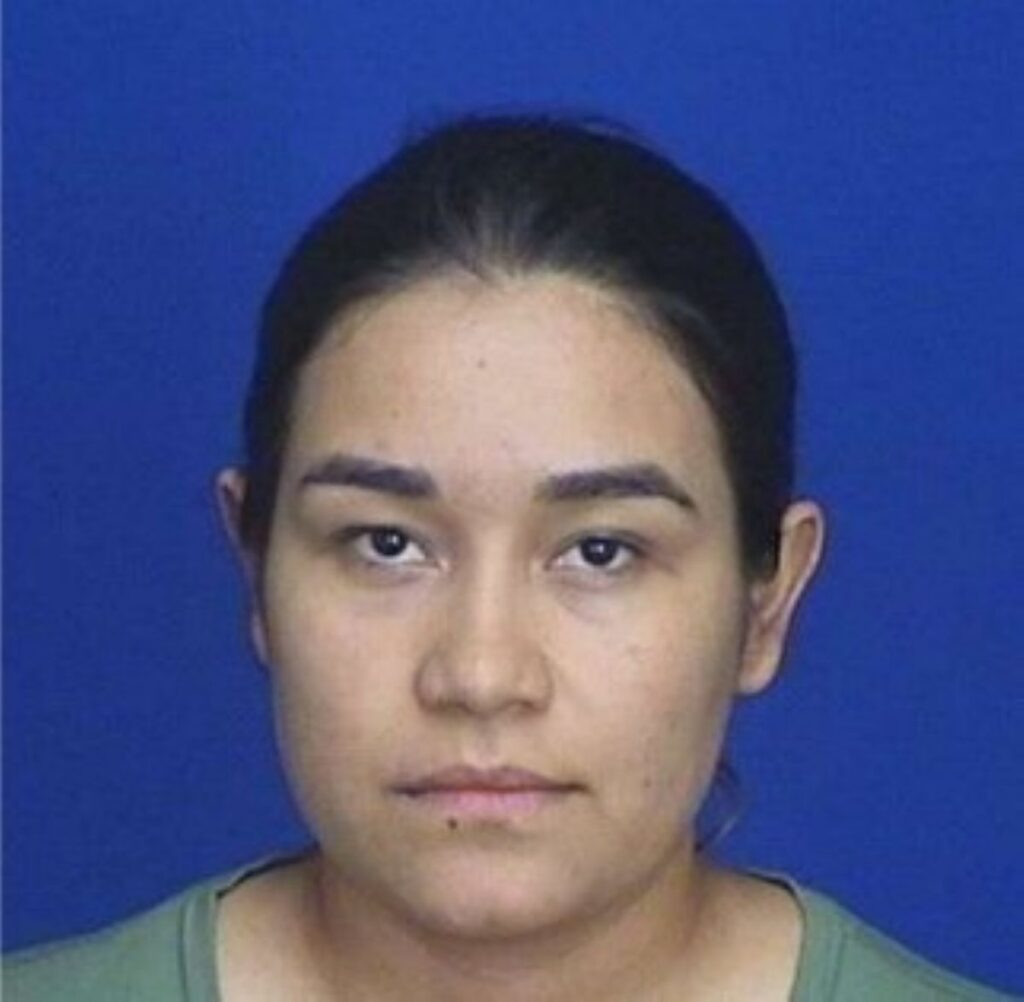
Castle Rock caregiver sentenced after stealing more than $110,000 in jewelry from family
Nicholas Fogleman
nicholas.fogleman@denvergazette.com
Updated 1 day ago
A judge sentenced a Castle Rock caregiver to 90 days in jail after she pleaded guilty to stealing more than $110,000 worth of jewelry from the family of a disabled son under her care. Elsa Montejo-Fuentes, 32, had worked for...
Federal judge green-lights excessive force, retaliation claims for trial against Fort Collins officers
Michael Karlik
michael.karlik@coloradopolitics.com
Updated 4 days ago
A federal judge green-lit a jury trial last week against multiple Fort Collins police officers on claims that they used excessive force on one man who was standing unarmed in his underwear, and retaliated against another man for exercising his...
PREV
PREVIOUS

Colorado Democrats react to Alex Pretti's death in Minnesota
Colorado’s Democrats called for an “impartial” investigation into the death of a man shot by a federal agent during an immigration operation on Saturday. Meanwhile, the chief of the Border Patrol defended the shooting, saying Alex Pretti inserted himself in an ongoing law enforcement operation. Gov. Jared Polis called the shooting “tragic and unacceptable.” Pretti’s […]

Colorado Democrats introduce bills on pricing, data privacy
Democratic lawmakers have introduced a trio of bills dealing with data privacy and the retail and wholesale prices of goods. Sponsors said the bills would help Colorado consumers and small businesses tackle affordability woes. They are among a slew of proposals that seek to add requirements on companies, even as business leaders have asked legislators […]