

judge jerry jones
-
Appeals court finds opening in Colorado Supreme Court’s framework for child neglect cases
Colorado’s second-highest court squeezed through an opening last week in a controversial state Supreme Court decision from 2025, concluding that the justices had not prohibited a child’s legal representative from being the one to request termination of parental rights in child welfare cases. Whether the government alone is empowered to pursue child neglect cases became…
-
Aggravated robbery charge reinstated after El Paso County judge misunderstood requirements
Colorado’s second-highest court reinstated an El Paso County defendant’s aggravated robbery charge on Thursday after concluding that a trial judge misunderstood the requirement for a person to be “then and there so armed.” Allegedly, Mark Alan Ambrose walked out of a Circle K store with five cases of Red Bull that he did not pay…
-
Colorado justices weigh constitutionality of unique disclosure requirement for ballot measures
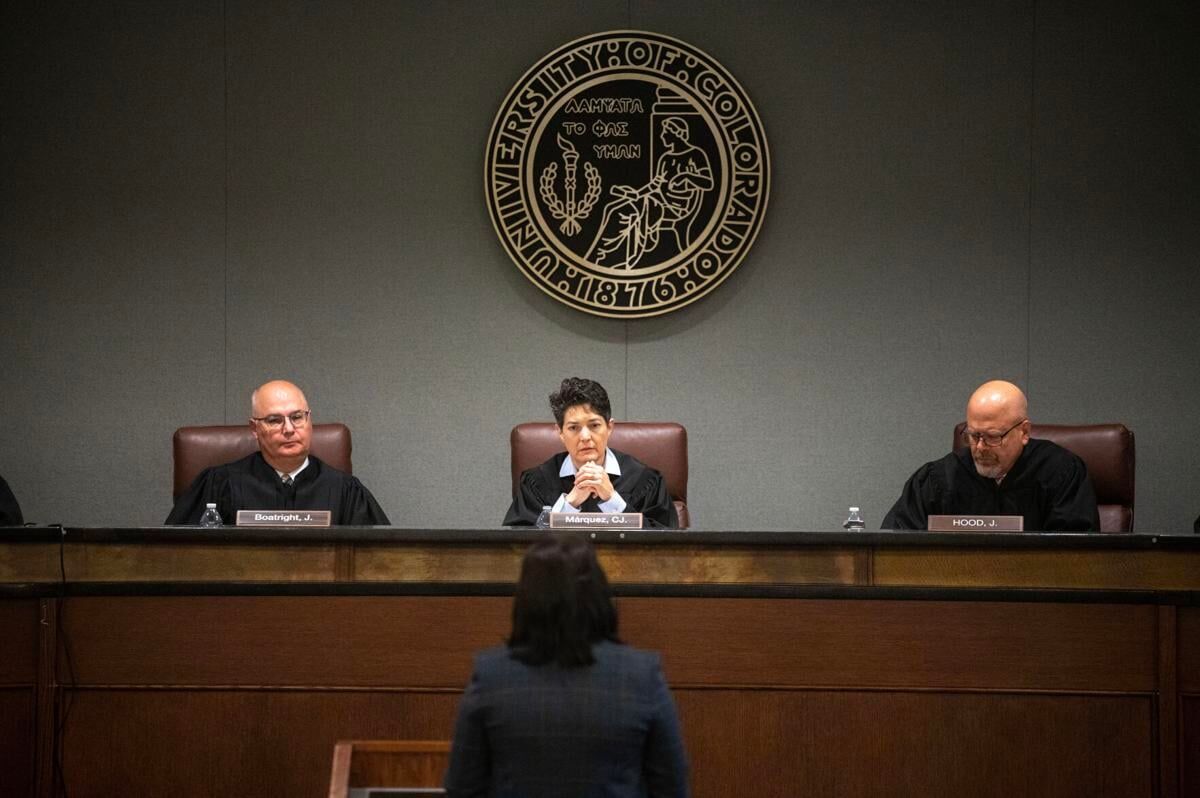
Members of the Colorado Supreme Court considered on Tuesday whether a unique feature of the state’s campaign finance system categorically violates the First Amendment by requiring the disclosure of a ballot measure committee’s legal representative on advertisements. No on EE — A Bad Deal for Colorado was an issue committee in 2020 that opposed Proposition EE,…
-
Divided appeals court orders insurance company to pay $35,600 for delayed disclosure of policy
Colorado’s second-highest court concluded on Thursday that an insurance company violated state law when it refused to disclose an automobile policy to an injured motorist for nearly one year after she requested it. By 2-1, a three-judge Court of Appeals panel held that Esurance Property & Casualty Insurance Company had an obligation to hand over…
-
Colorado Supreme Court committee rejects civility proposal amid fears of weaponization by judges, ‘jerks’
The Colorado Supreme Court’s Civil Rules Committee overwhelmingly rejected a proposal last week to create an enforceable “civility code” for lawyers and legal paraprofessionals, which would allow judges to quickly impose corrective action without a formal complaint and investigation by attorney regulators. Although several committee members acknowledged poor behavior in the legal profession, there was…
-
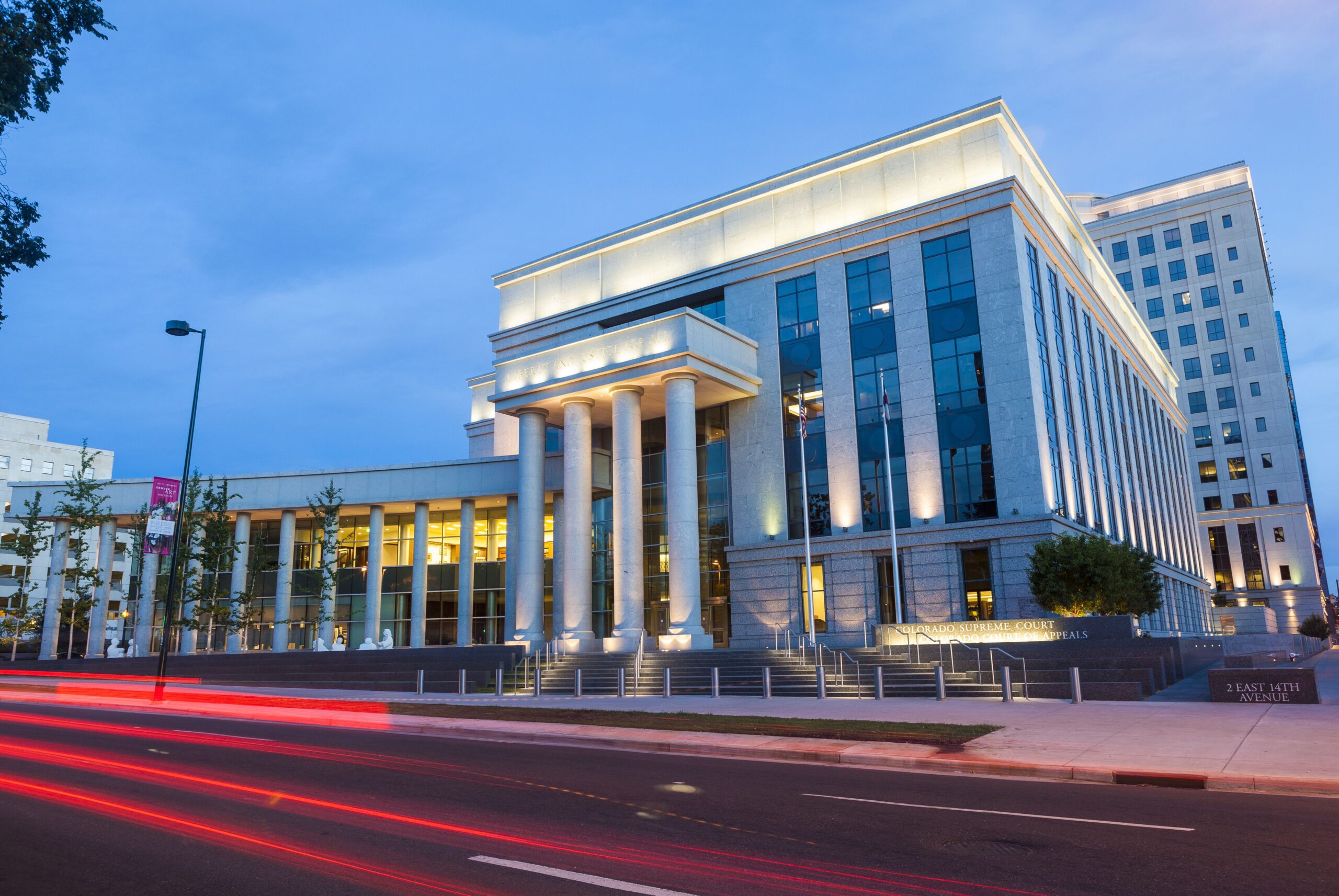
Colorado Supreme Court to hear cases on insurance coverage for COVID, witness credibility
The Colorado Supreme Court announced on Tuesday that it will decide the degree to which a virus or other hazard must affect a commercial property before it can trigger loss-or-damage coverage under an insurance policy. At least three of the court’s seven members must agree to hear a case on appeal. Currently, there is one…
-

Appeals judge asks Colorado Supreme Court to once again clarify magistrate rules
A member of Colorado’s second-highest court urged the state Supreme Court last week to revise confusing language in the rules governing magistrates, less than two weeks after an attempted cleanup of the rules took effect. Magistrates are judicial employees who are not judges but who handle aspects of cases in the trial courts. Litigants may consent…
-
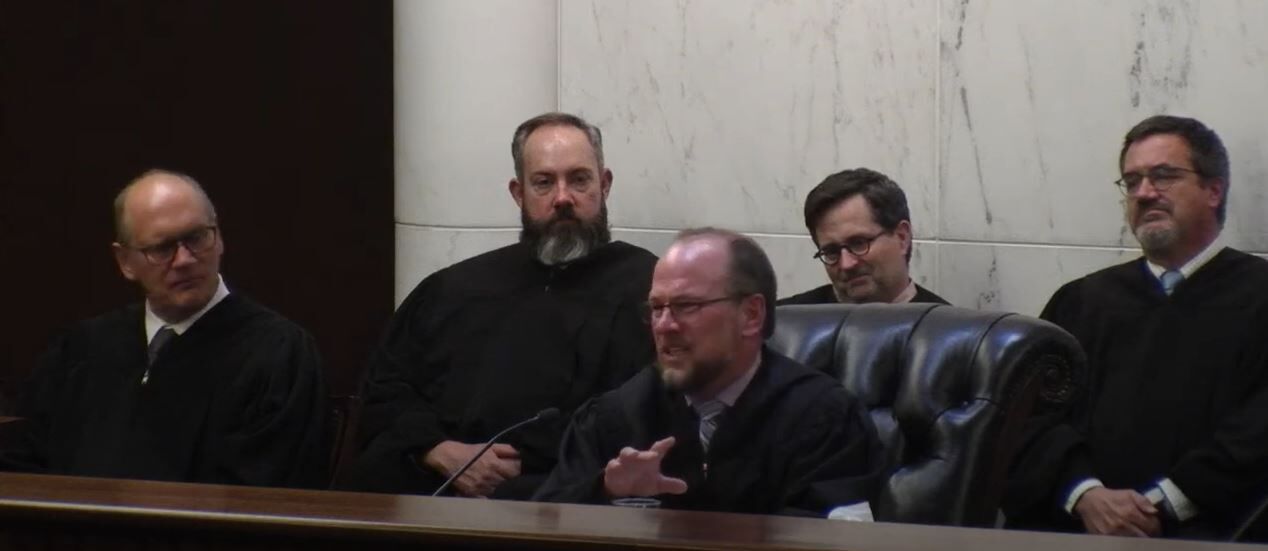
Appeals judge urges restraint in labeling new offenses serious across board
A member of the state’s second-highest court urged his colleagues on Thursday to pump the brakes before declaring new offenses “grave or serious” in every possible scenario. The Eighth Amendment’s prohibition on cruel and unusual punishment means sentences cannot be grossly disproportionate to the crime. Consequently, when judges in Colorado examine the constitutionality of a…
-
Colorado Supreme Court committee advances tenant-friendly rule change
The Colorado Supreme Court’s Civil Rules Committee advanced a proposal on Friday that would make it easier for tenants facing eviction to respond to and learn about their landlord’s initial court filing. Several members of the committee were torn about the wisdom of the relatively narrow change now headed to the full court. State law…
-
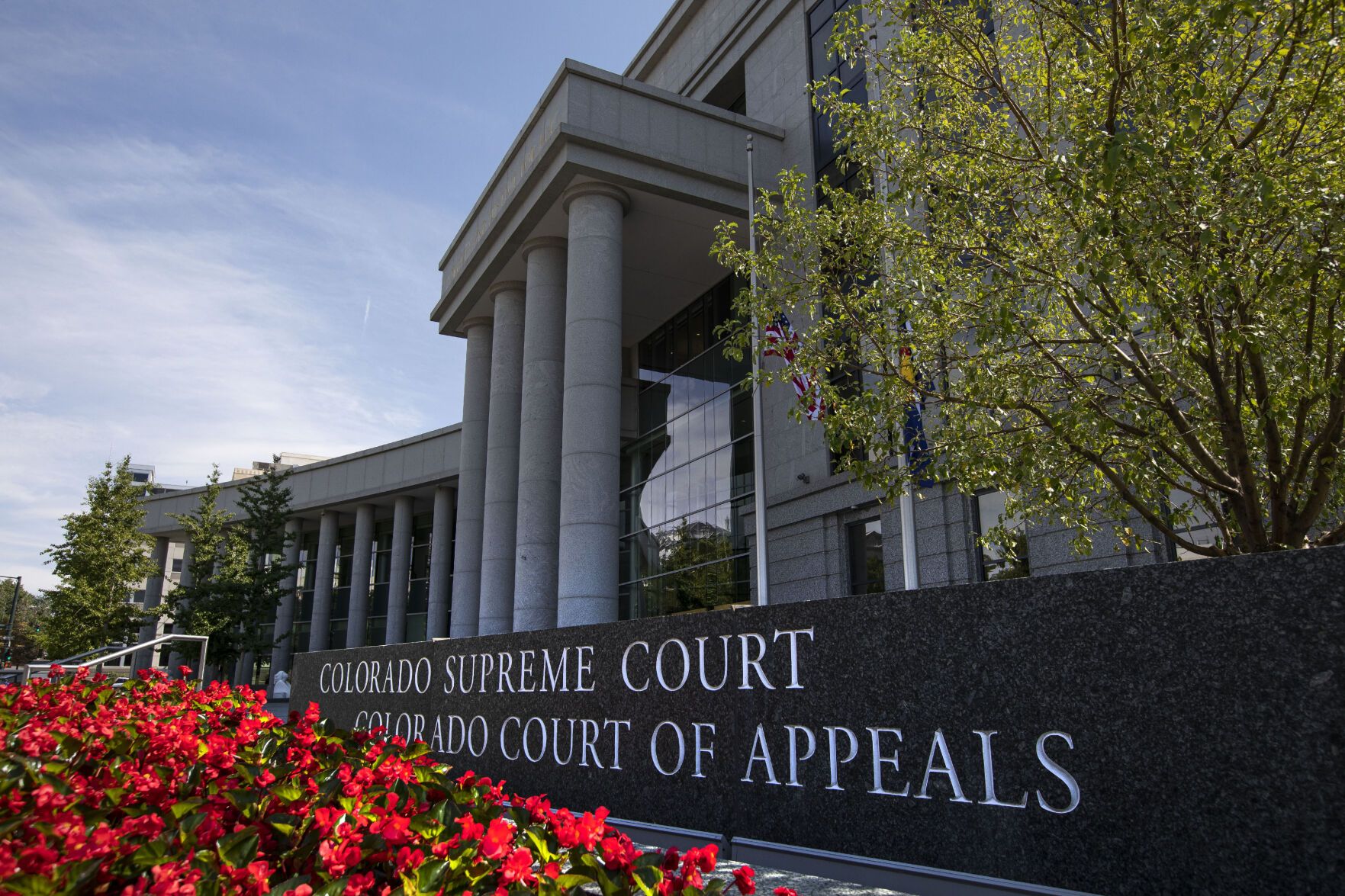
Appeals court reverses Fremont County judge’s sanction on DA’s office over evidence misunderstanding
Colorado’s second-highest court ruled on Thursday that a Fremont County judge was wrong to reduce the severity of a criminal charge because she believed the district attorney’s office failed to turn over police reports that, in reality, did not exist. Prosecutors charged Derek Eugene Ruppel in early 2025 with one felony and one misdemeanor count…