

No on 310 | SLOAN
Denver residents are being offered an opportunity to democratically affirm one of the axioms of a free society — namely, that the government should not stand athwart a willing buyer and a willing seller — by rescinding the city’s recently inflicted ban on flavored vapes and other tobacco products through voting “no” on proposition 310.
Arrayed on one side of the argument are several hundred owners of small stores who sell such things and do not wish to go quietly into the dark night of economic extinction, along with the adults who happen to like and buy their products; on the other, Michael Bloomberg and his $2 million deployed to assist that class of folks whose meliorist impulses are so trenchant if they could they would reach into your shower to ensure the temperature adjustment was just so.
This particular opera began when Denver City Council, having quickly grown bored of dealing with such mundane issues as crime and traffic congestion, declared a Jihad on vape stores. Not liquor stores, or marijuana dispensaries, or psychedelic mushroom tents, mind you — just vape stores. That eventually culminated into the passage of an ordinance last December which gave one cause to wonder if anything so… well, dumb had ever been passed in Denver, notwithstanding the depressingly low bar established. The ordinance banned flavored tobacco products — by which we are mostly talking about non-tobacco vapes — for sale to anyone within the city limits. This prompted a group of citizens, led by small business owners who were unprepared to acquiesce to the dismantlement of their livelihoods, to petition for the ban to be referred to the voters for final judgement, an effort supported by hundreds who signed the petition. The city decided to hold off on enforcing the ban until after the election.
Should it stand, the immediate effect of the flavored vape ban will be to divert some $13 million in sales tax revenue away from Denver and into surrounding cities, like Aurora or Lakewood. Partakers of flavored vapes will not merely shrug and look about for a new habit — they will vote quite exuberantly with their feet. The trek to Aurora or Lakewood is not so daunting as to be prohibitive; but it is just far enough that while on their vape run they will likely decide to pick up the other things they normally would from a Denver store on their way home from work. The diverted revenue adds up quickly. This is a curious concession for a city which is something in the order of $200 million in the red.
The tax figures, of course, speak nothing to the loss of livelihood the ban would inflict. There are around 100 small vape and smoke stores in Denver whose owners, were the ordinance to stand, would wake up one morning deprived of their primary source of revenue, and with it the money to pay their mortgages, electrical bills and employees.
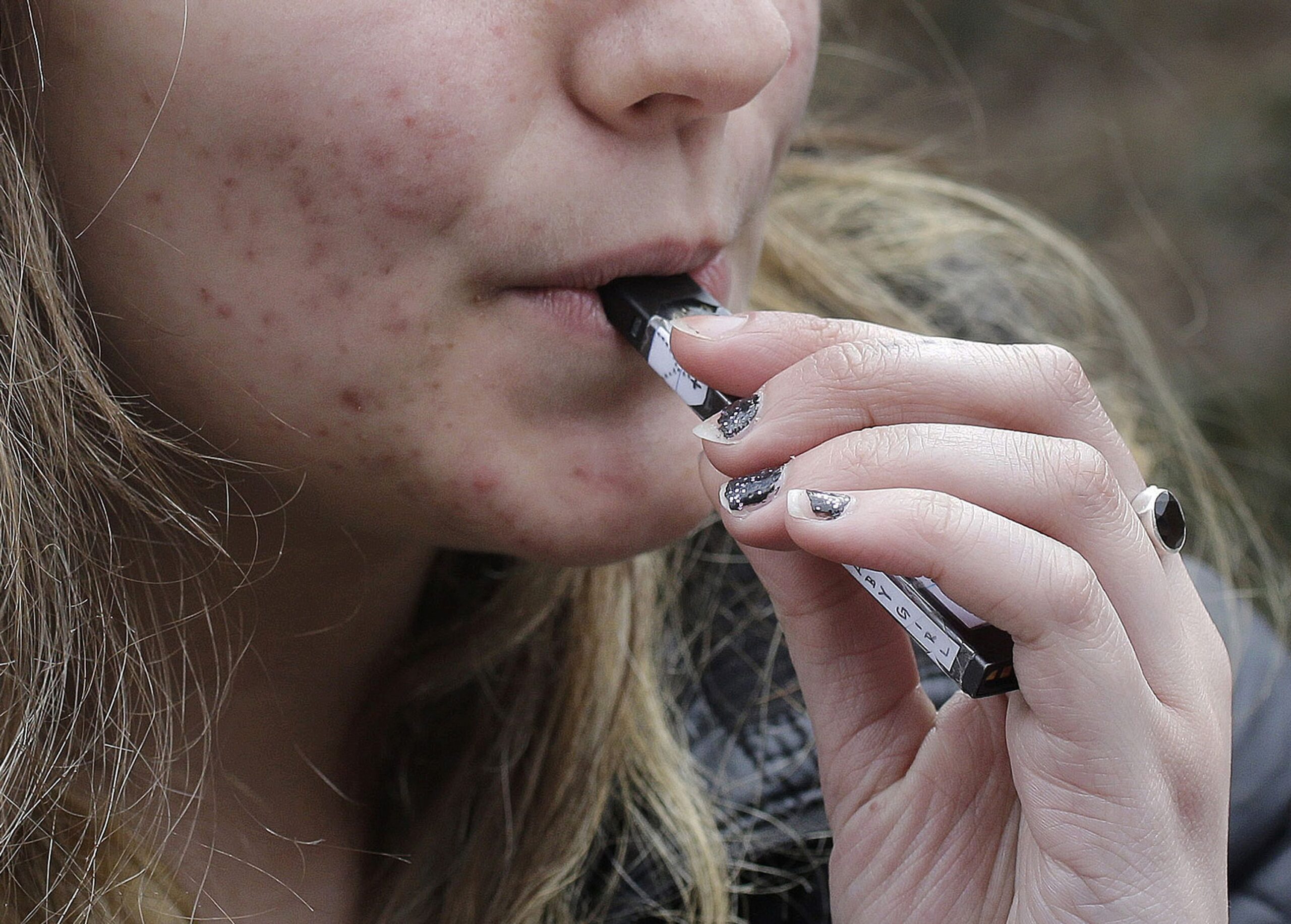
Proponents of the ban front the argument that this is worth it as a way to keep teenagers from smoking. What they have not been able to do is deliver reassuring data that such a ban would accomplish that. It is already illegal to sell these products to minors, and the small stores that would be bulldozed by a ban have a remarkable record of effectively enforcing that prohibition. The ban does not account for the resourcefulness of the young in procuring that which they ought not to have. If we are serious about keeping tobacco products — or beer or weed for that matter — out of the hands of young people, a far more effective and far less damaging approach might be to pass a law that says anyone under the age of 21 caught with cigarettes, booze, weed, or vapes loses their driver’s license for six months. Most 17-year-olds would sooner forfeit citizenship and the Bill of Rights than lose their newly conferred driving privilege.
There are other arguments against the ban, the components of which have received insufficient attention. There is gestating concern among the public health community that longstanding reductionist misconceptions about nicotine are counter-productive in the battle against smoking and its deadly effects. Nicotine does not, by itself, cause cancer — it is the carcinogens derivative of burning tobacco that are responsible for cutting so many lives short. These substances are absent in vape products, a fact which has prompted the FDA to approve them as smoking secession aids.
Is nicotine an addictive drug? Yes, it is. So are caffeine and alcohol. Is a ban on flavored alcohol — defined as any more palatable than rubbing alcohol — next? If so, let’s hope Mr. Bloomberg discovers a nice cabernet with hints of dark cherry of which he is fond enough to deflect the ire of his rapacious checkbook.
Kelly Sloan is a political and public affairs consultant and a recovering journalist based in Denver.


Democratic gubernatorial candidate Phil Weiser promises to appoint rural outreach director, water adviser
Marianne Goodland
marianne.goodland@coloradopolitics.com
Updated 17 hours ago
Democratic gubernatorial candidate and current Attorney General Phil Weiser told the Colorado Water Congress Thursday he intends to appoint a rural outreach director and a water policy adviser should he win the election in November. Weiser’s speech at the Steamboat...
Attorney General candidates present priorities at Colorado Water Congress
Marianne Goodland
marianne.goodland@coloradopolitics.com
Updated 25 minutes ago
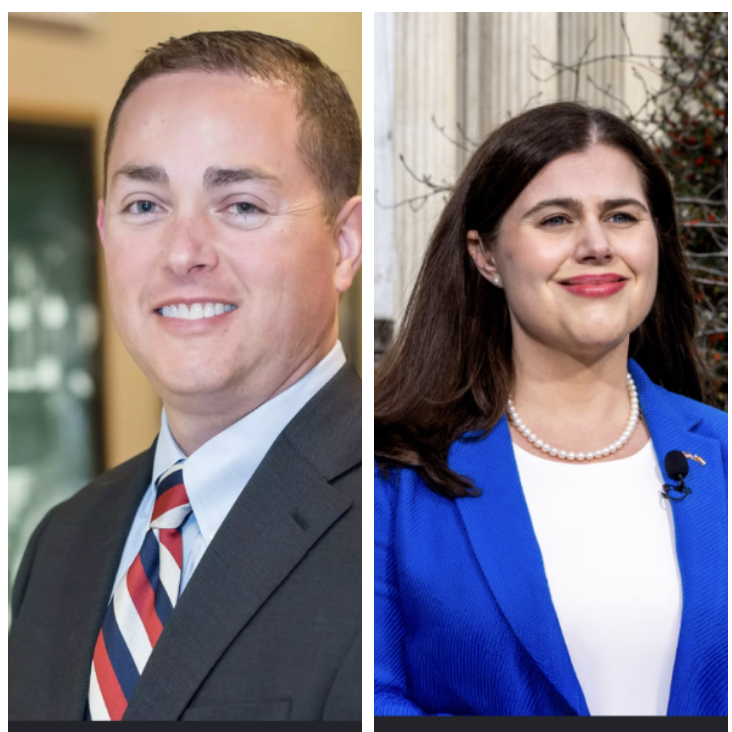
The two major-party candidates for attorney general — Republican Michael Allen, the district attorney for Teller and El Paso counties, and Democratic Secretary of State Jena Griswold — on Thursday outlined their priorities at the Colorado Water Congress. Griswold attended...
State money diversion scheme the unsurprising downfall of ERBOCES scam | Paula Noonan
Paula Noonan
paula-noonan@coloradopolitics.com
Updated 20 hours ago
Falcon School District 49, aka El Paso County School District 49, has finally cut bait, thrown the fishing pole into the lake and sunk the canoe. The longtime enabler of the Education Reenvisioned BOCES’ (ERBOCES) schemes to fund private Christian...
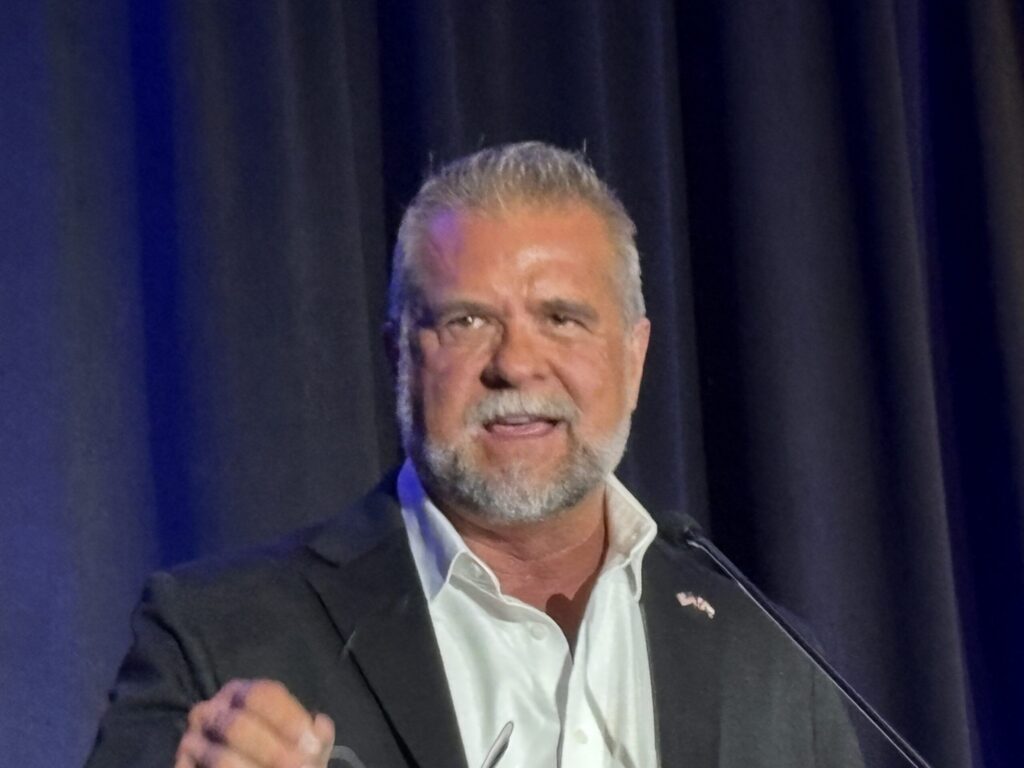
GOP gubernatorial candidate Victor Marx pushes aggressive water-storage expansion at Colorado Water Congress
Marianne Goodland
marianne.goodland@coloradopolitics.com
Updated 1 day ago
Victor Marx, the Republican nominee for governor, took the spotlight Wednesday during the opening day of the Colorado Water Congress, laying out how he says the state should approach its water future. Marx told the standing-room-only audience in Steamboat Springs...
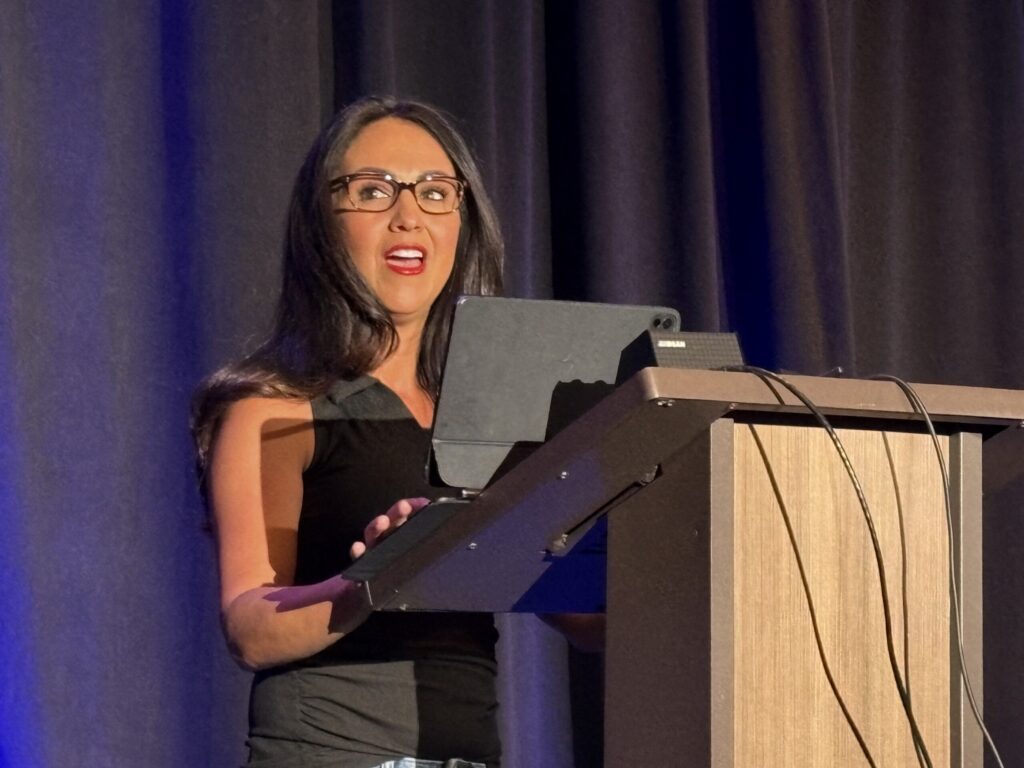
U.S. Rep. Lauren Boebert stresses storage, forest health and Upper Basin rights at Colorado Water Congress
Marianne Goodland
marianne.goodland@coloradopolitics.com
Updated 17 hours ago
Republican U.S. Rep. Lauren Boebert used her brief Wednesday appearance at Colorado Water Congress to tout her record on delivering water projects for the state and her district. Boebert, who is running for her second term representing the 4th Congressional...

Steve Schuck on the ‘magic’ of school choice | The OpEdge Podcast
Tony Olivero
tony.olivero@gazette.com
Updated 2 days ago
Parents Challenge co-founder and longtime school choice advocate Steve Schuck joins The OpEdge to discuss expanding educational opportunities and ensuring parents are in charge of their kids’ education. Schuck tells investigative columnist and host Jimmy Sengenberger why he believes Colorado...
Do lobbyists add value to policymaking? | PODIUM
Colorado Politics
colorado-politics@coloradopolitics.com
Updated 2 days ago
By Corky Kyle I was recently asked a straightforward question: are lobbyists a valuable component in the development of public policy? After more than four decades working with the Colorado General Assembly, state agencies, local governments, associations and businesses, my...
Ain’t Polis’ Peters commutation a pity? | Hal Bidlack
Hal Bidlack
hal-bidlack@coloradopolitics.com
Updated 4 days ago
I am hoping that, yet again, my long-suffering and very forgiving editor will pardon my rambling thoughts today, as there are too many open tabs on my computer that deal with issues I want to talk about (Ed: pretty used...
Colorado House Democrats’ caucus finances under scrutiny as ethics case against leader advances
Marianne Goodland
marianne.goodland@coloradopolitics.com
Updated 2 days ago
Democratic lawmakers told a legislative ethics panel that a leader’s management of caucus finances left them with unanswered questions, disputed reimbursements and a breakdown in communication that ultimately triggered a formal complaint. The House Ethics Committee is examining a complaint...

Colorado River crisis: Lake Mead, Lake Powell inch closer to ‘dead pool’
Marianne Goodland
marianne.goodland@coloradopolitics.com
Updated 4 days ago
In the past 10 days, both Lake Mead on the Arizona-Nevada border and Lake Powell roughly 300 miles northeast on the Utah-Arizona line have recorded their lowest water levels since the reservoirs were first filled. Lake Mead, the nation’s largest...
PREV
PREVIOUS

Colorado must set bold clean heat targets | OPINION
By Tricia Canonico, Nina Waters, and Jeffrey Woodruff Across Colorado, the effects of climate change are not abstract — they’re already reshaping our communities. In Summit County, drought and fire danger have forced difficult choices about water restrictions and emergency preparedness. In Pitkin County, ranchers along Emma Road negotiated for the last trickle of ditch water […]

No such thing as a free lunch — especially in Colorado | OPINION
By Greg Schaller Colorado Public Radio recently ran a story celebrating the state’s “free lunch” program for schoolchildren. It featured joyful kids, wildly supportive administrators and teachers, and a tone of achievement. Who could object to something called “Hunger Free Colorado”? But the story missed a simple and inconvenient truth: there is no such thing […]