

Colorado must set bold clean heat targets | OPINION
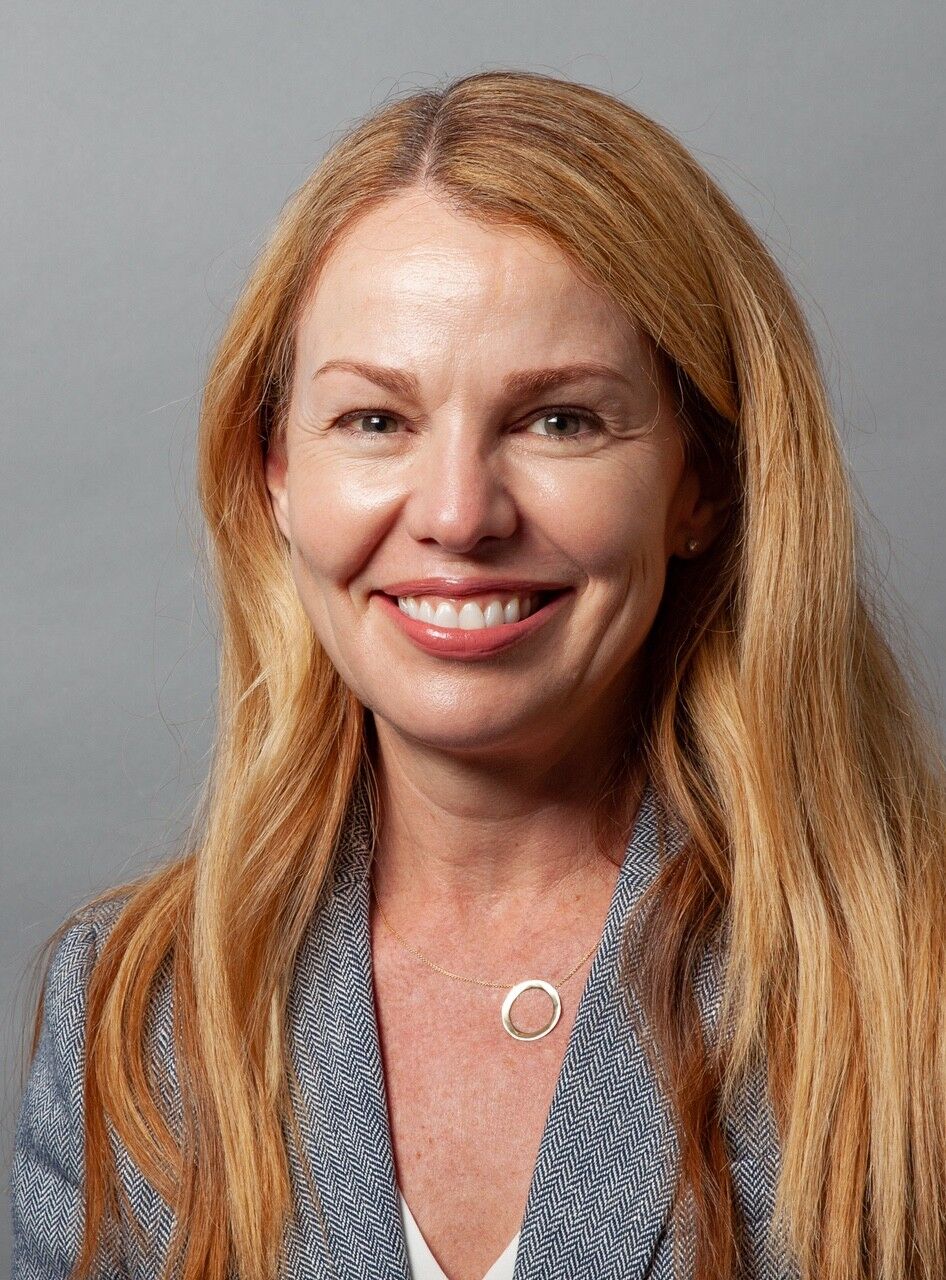

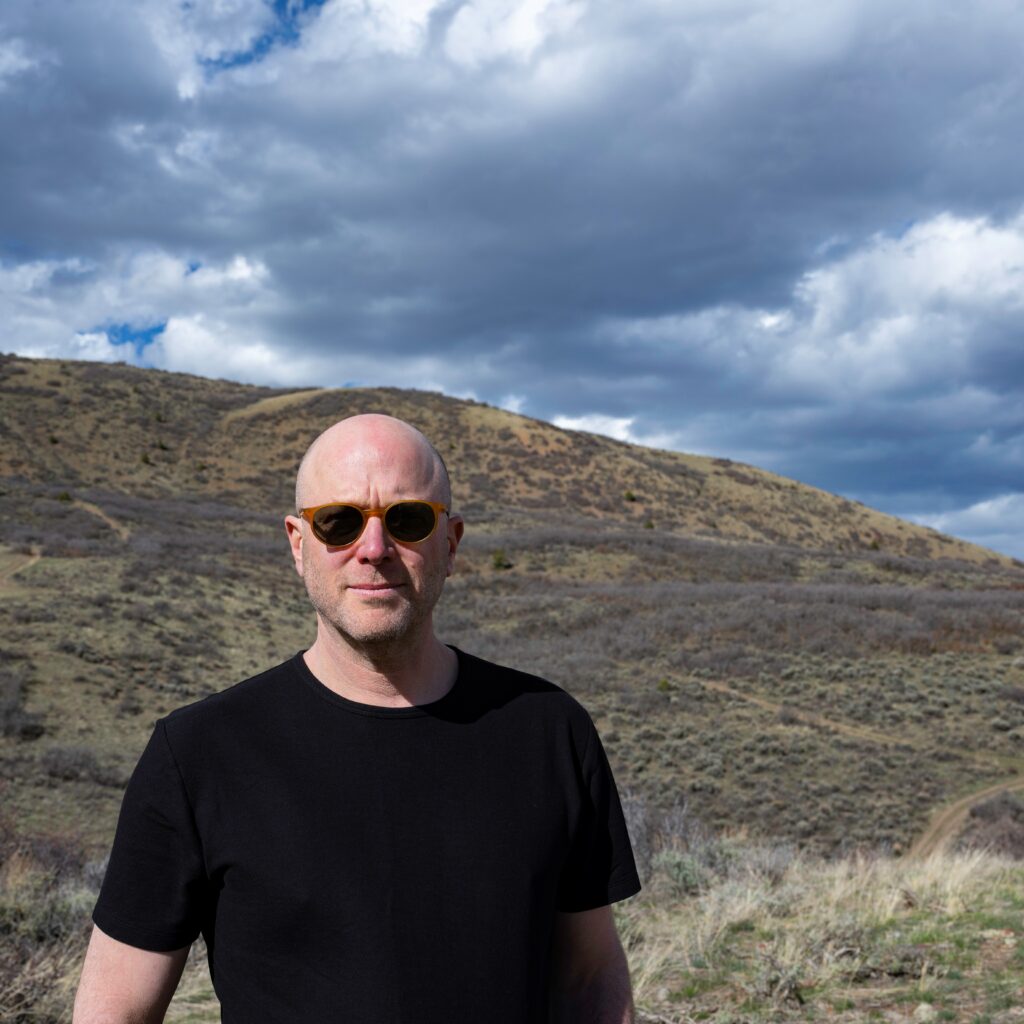
By Tricia Canonico, Nina Waters, and Jeffrey Woodruff
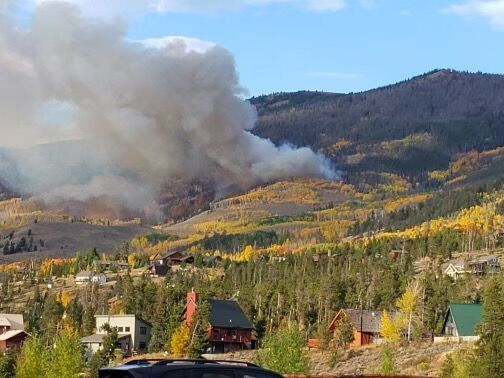
Across Colorado, the effects of climate change are not abstract — they’re already reshaping our communities. In Summit County, drought and fire danger have forced difficult choices about water restrictions and emergency preparedness. In Pitkin County, ranchers along Emma Road negotiated for the last trickle of ditch water this summer while downstream neighbors simply ran dry. In Fort Collins, extreme heat forced our schools to close early to support the health and safety of our students, affecting thousands of working parents and our children’s education.
We serve as local elected officials in very different parts of the state. Still, we are united by one truth: our communities are on the frontlines of climate change, and the choices Colorado makes about how we heat our homes and businesses will determine whether our way of life endures. That is why the Colorado Public Utilities Commission (PUC) must adopt bold Clean Heat targets — at least a 50% reduction in emissions by 2035, and a long-term goal of a 100% cut by 2050.
The heating and cooling of buildings is one of the most difficult and persistent sources of greenhouse-gas emissions in Colorado. In Fort Collins, for example, heating buildings is one area where emissions continue to increase, despite the city’s successful reduction of pollution from other sources. In Pitkin County, buildings account for more than 40% of total emissions. And across mountain towns like those in Summit County, where winters are long and cold, we depend on reliable and affordable heating — but we also know the fuels we use today jeopardize the future of our snowpack, water supplies and outdoor economy.
Local governments are working hard to cut emissions. Pitkin County has recently updated its Climate Action Plan to align with the latest scientific findings, committing to a 65% reduction by 2030. Fort Collins is a leader in setting ambitious local climate goals, while Summit County is taking aggressive steps to prepare for and prevent wildfires. But no matter how ambitious we are locally, we can only go so far on our own. Our utilities ultimately decide how our energy is produced and delivered.
The current proposals before the PUC, either a 31% or 41% reduction by 2035, fall short of what science demands and what our communities need. Stronger targets will provide utilities with the clarity to plan investments wisely, identify strategies with the best return for ratepayers, and align with Colorado’s legally required climate goals.
We also urge the commission to limit reliance on recovered methane, methane captured and combusted from landfills, dairies or wastewater treatment, to no more than 5% of utilities’ reduction goals. Methane, regardless of its origin, still releases carbon dioxide and other harmful pollutants when burned. Double-counting it as a “solution” risks undermining genuine progress and prolonging our dependence on fuels that harm our health and climate.
Through our energy codes and incentives, we have firsthand experience demonstrating the technologies to meet these goals are both available and workable, even in cold mountain climates. Our communities are showing how these technologies work at scale as cold-climate heat pumps, induction stoves and electric water heaters are already widely in use. Electrification is renewable — and with the right policies, it can also be affordable.
The costs of inaction are already showing up in our communities. Ranchers struggling to irrigate hayfields. Ski resorts eyeing shorter seasons. Families breathing smoke-filled air during longer fire seasons. Cities like Fort Collins are wrestling with the stubborn emissions of old heating systems. Communities in Summit County are preparing for droughts and disasters that once seemed rare, but now come almost every year.
At the same time, the benefits of bold targets are clear: cleaner air, healthier homes, greater energy security, and long-term savings for ratepayers. Strong statewide policy will empower local governments to build on the work we are already doing, rather than leaving us to fight uphill battles against forces far beyond our control.
Colorado has long been a leader in tackling climate change, and now is not the time to retreat. Weak targets will lock us into decades of higher emissions and higher costs. Strong ones will help preserve the snowpack that sustains our rivers, the landscapes that support our ranchers and outdoor recreation economy, and the health of families across the state.
Our communities are already demonstrating what’s possible. Now we need the state to match that urgency. The Public Utilities Commission has a choice: to hedge or to lead. We urge you to lead — by adopting ambitious clean heat targets that provide our utilities with clarity, give our communities hope and give Colorado the opportunity to build a future that is resilient, prosperous and fair.
Tricia Canonico lives in Fort Collins where she is member of City Council. Nina Waters lives in Summit County where she is a County Commissioner. Jefferey Woodruff lives in Pitkin County where he is a County Commissioner.

Democratic gubernatorial candidate Phil Weiser promises to appoint rural outreach director, water adviser
Marianne Goodland
marianne.goodland@coloradopolitics.com
Updated 15 hours ago
Democratic gubernatorial candidate and current Attorney General Phil Weiser told the Colorado Water Congress Thursday he intends to appoint a rural outreach director and a water policy adviser should he win the election in November. Weiser’s speech at the Steamboat...

Attorney General candidates present priorities at Colorado Water Congress
Marianne Goodland
marianne.goodland@coloradopolitics.com
Updated 16 hours ago
The two major-party candidates for attorney general — Republican Michael Allen, the district attorney for Teller and El Paso counties, and Democratic Secretary of State Jena Griswold — on Thursday outlined their priorities at the Colorado Water Congress. Griswold attended...
State money diversion scheme the unsurprising downfall of ERBOCES scam | Paula Noonan
Paula Noonan
paula-noonan@coloradopolitics.com
Updated 19 hours ago
Falcon School District 49, aka El Paso County School District 49, has finally cut bait, thrown the fishing pole into the lake and sunk the canoe. The longtime enabler of the Education Reenvisioned BOCES’ (ERBOCES) schemes to fund private Christian...
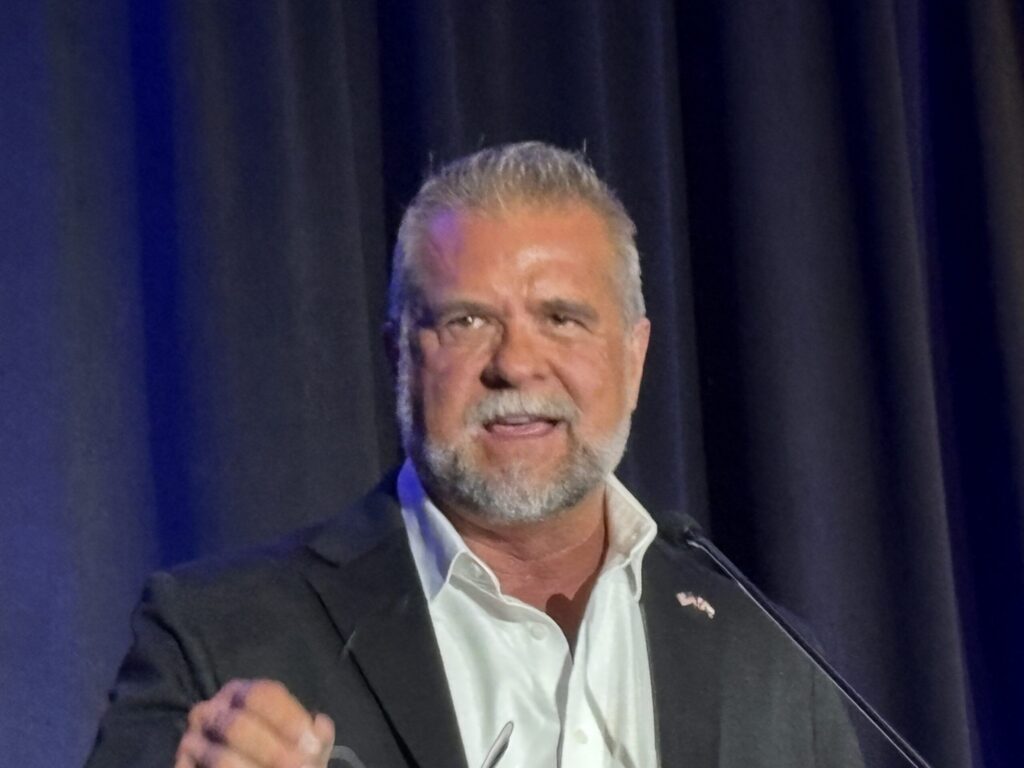
GOP gubernatorial candidate Victor Marx pushes aggressive water-storage expansion at Colorado Water Congress
Marianne Goodland
marianne.goodland@coloradopolitics.com
Updated 24 hours ago
Victor Marx, the Republican nominee for governor, took the spotlight Wednesday during the opening day of the Colorado Water Congress, laying out how he says the state should approach its water future. Marx told the standing-room-only audience in Steamboat Springs...

U.S. Rep. Lauren Boebert stresses storage, forest health and Upper Basin rights at Colorado Water Congress
Marianne Goodland
marianne.goodland@coloradopolitics.com
Updated 15 hours ago
Republican U.S. Rep. Lauren Boebert used her brief Wednesday appearance at Colorado Water Congress to tout her record on delivering water projects for the state and her district. Boebert, who is running for her second term representing the 4th Congressional...

Steve Schuck on the ‘magic’ of school choice | The OpEdge Podcast
Tony Olivero
tony.olivero@gazette.com
Updated 2 days ago
Parents Challenge co-founder and longtime school choice advocate Steve Schuck joins The OpEdge to discuss expanding educational opportunities and ensuring parents are in charge of their kids’ education. Schuck tells investigative columnist and host Jimmy Sengenberger why he believes Colorado...
Do lobbyists add value to policymaking? | PODIUM
Colorado Politics
colorado-politics@coloradopolitics.com
Updated 2 days ago
By Corky Kyle I was recently asked a straightforward question: are lobbyists a valuable component in the development of public policy? After more than four decades working with the Colorado General Assembly, state agencies, local governments, associations and businesses, my...
Ain’t Polis’ Peters commutation a pity? | Hal Bidlack
Hal Bidlack
hal-bidlack@coloradopolitics.com
Updated 3 days ago
I am hoping that, yet again, my long-suffering and very forgiving editor will pardon my rambling thoughts today, as there are too many open tabs on my computer that deal with issues I want to talk about (Ed: pretty used...
Colorado House Democrats’ caucus finances under scrutiny as ethics case against leader advances
Marianne Goodland
marianne.goodland@coloradopolitics.com
Updated 2 days ago
Democratic lawmakers told a legislative ethics panel that a leader’s management of caucus finances left them with unanswered questions, disputed reimbursements and a breakdown in communication that ultimately triggered a formal complaint. The House Ethics Committee is examining a complaint...

Colorado River crisis: Lake Mead, Lake Powell inch closer to ‘dead pool’
Marianne Goodland
marianne.goodland@coloradopolitics.com
Updated 4 days ago
In the past 10 days, both Lake Mead on the Arizona-Nevada border and Lake Powell roughly 300 miles northeast on the Utah-Arizona line have recorded their lowest water levels since the reservoirs were first filled. Lake Mead, the nation’s largest...
PREV
PREVIOUS

Illegal GLP-1 compounding puts Coloradans at risk | OPINION
By Laura Howard In 2024, Black or African-American adults were 28% more likely to be obese than adults of the total population. This stark health disparity is one of many concerns the Colorado Council of Black Nurses works tirelessly to address. Our organization was founded to ensure people of color and all people receive safe, equitable […]

No on 310 | SLOAN
Denver residents are being offered an opportunity to democratically affirm one of the axioms of a free society — namely, that the government should not stand athwart a willing buyer and a willing seller — by rescinding the city’s recently inflicted ban on flavored vapes and other tobacco products through voting “no” on proposition 310. […]