

Both sides claim win after chaotic Colorado GOP meeting to decide whether to cancel party’s 2026 primary
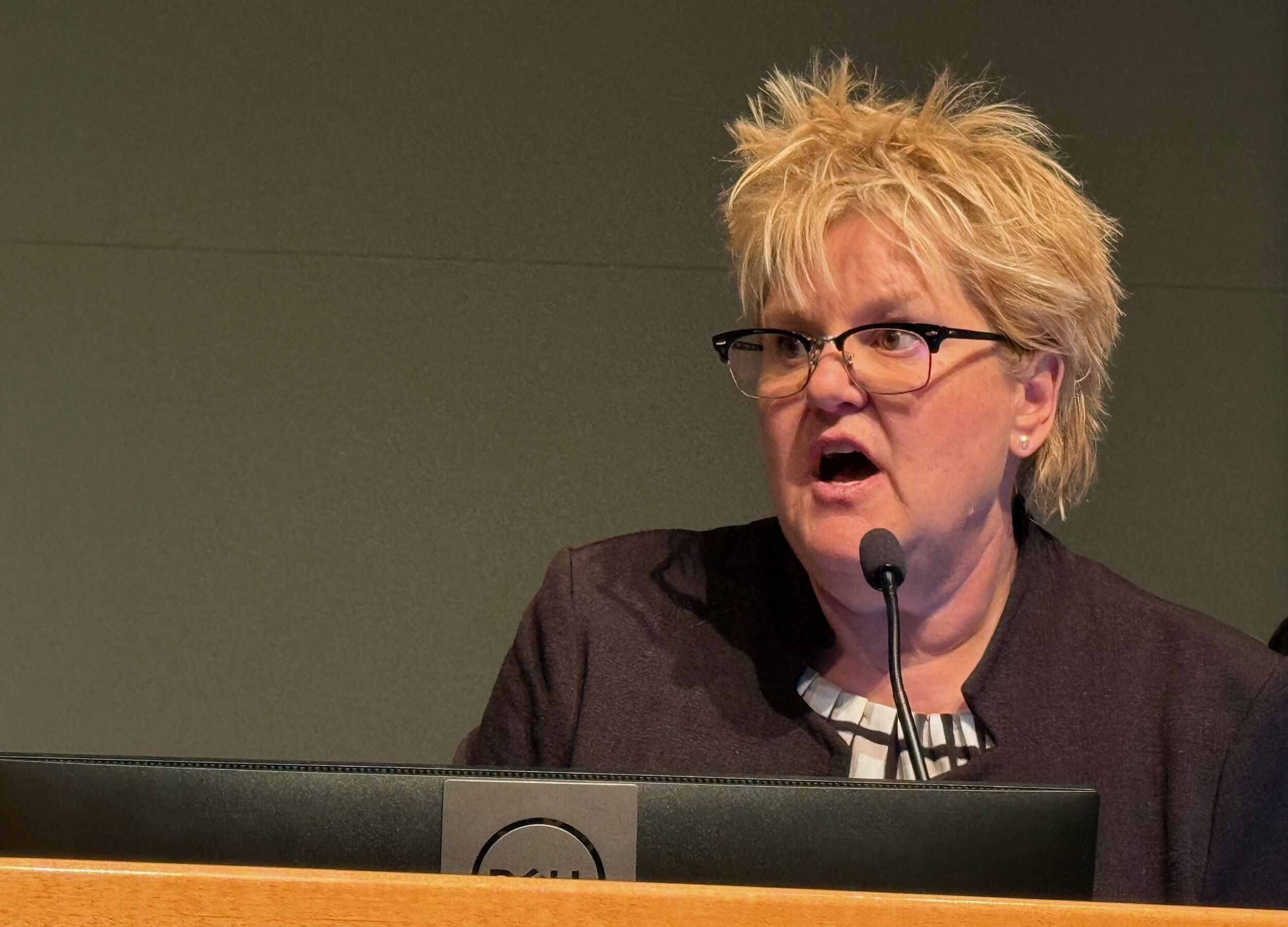
Colorado Republicans voted Saturday to force the state party to cancel next year’s party primary and instead pick GOP nominees via party assemblies, but state party officers say the vote at a chaotic state central committee meeting in Aurora didn’t meet the legally required threshold, so the party will hold a primary election in 2026.
Supporters of “opting out” of the primary, however, insist that the vote was binding and say they’ll see the state party in court.
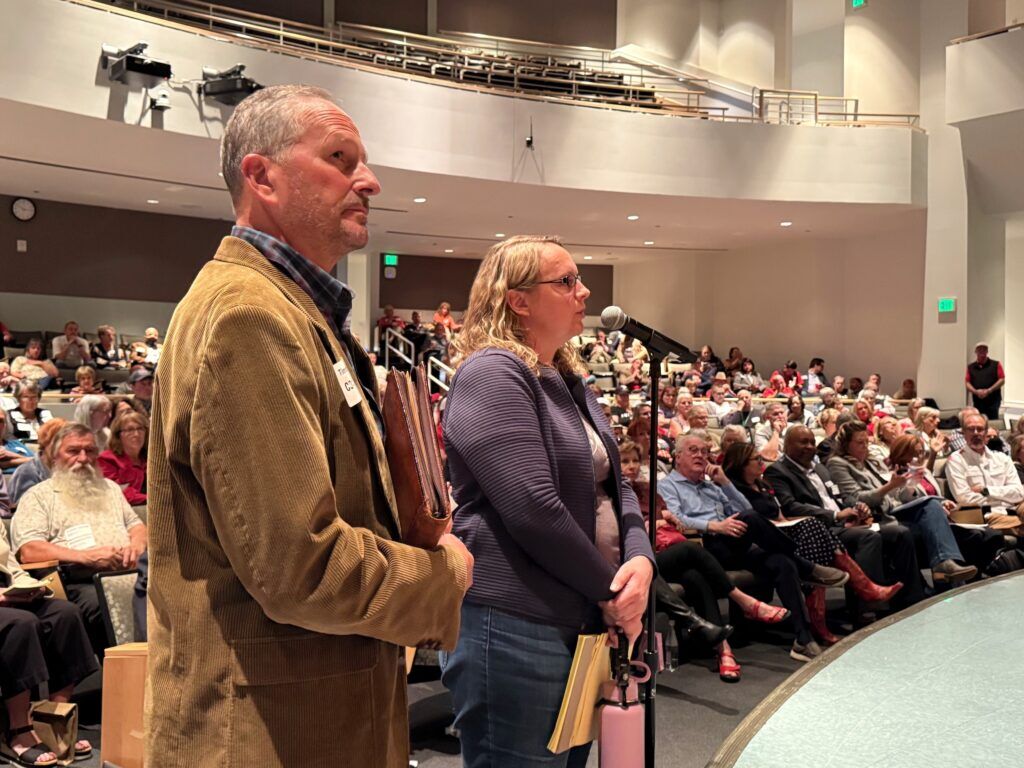
Confusion reigned after results were announced at 2 p.m. in the final moments of a five-hour meeting held inside a lecture hall at the University of Colorado Anschutz health sciences campus as campus police ordered Republicans to vacate the premises because they hadn’t rented the building past 1 p.m.
Immediately, both sides declared victory while also decrying an oftentimes tense meeting that featured booing, shouting and heated arguments over the sincerity of calls for party unity.
At issue is whether state Republicans will participate in next year’s semi-open primary, which allows unaffiliated voters to cast ballots in either major parties’ nominating election, under Proposition 108, a state ballot measure passed by voters in 2016. The law contains a provision that lets the parties opt out of the primary if 75% of their state central committee membership votes to do so.
While both major parties opposed the measure when it was on the ballot, state Democrats haven’t seriously considered canceling their primary since the initiative passed, maintaining that it would be foolish to snub the roughly half of the state’s electorate that isn’t affiliated with a party.
The state GOP, however, has voted on the question every two years since Proposition 108 became law and is currently challenging the measure in court, claiming it infringes on multiple constitutional rights. The party’s central committee has fallen short of the required threshold each time, though when roughly 65% of its membership voted in favor of opting out in 2023, supporters expressed optimism that the tide was turning.
That isn’t what happened at the Republicans’ meeting on Saturday. Instead, 226 of the GOP’s 507-member state central committee — about 45% of the total membership — voted for a motion to abide by a previous resolution in favor of opting out that was overwhelmingly adopted at the party’s 2024 state assembly.
While those 226 votes amounted to a majority at the meeting, with 196 voting against the motion, Republicans opposed to canceling the primary said the vote doesn’t satisfy the clear legal requirement, so has no effect.
Pointing to the statute, El Paso County District Attorney Michael Allen, who voted against canceling the primary, said in a written statement that the opt-out supporters were hanging their hat on a flawed legal theory.
“That provision of law does not allow the idea of ratifying the vote of a different body and substituting a vote result by that other body (here, state assembly in 2024) and making that previous vote the official action of the SCC,” Allen wrote. “Such a result would be illegal.”
State GOP Chairman Brita Horn declined multiple interview requests but said Sunday through a spokesman that the party considers the matter settled and plans to go ahead with its primary election next year.
“Yesterday, the Colorado Republican State Central Committee met to vote on whether to change from nominating candidates through a primary election to nominating them through an assembly or convention. That statute mandates that at least three-fourths of the total membership of the party’s state central committee vote to do so,” Horn said.
“No such vote occurred yesterday; there will be a Republican primary in Colorado in 2026,” she added.
Mineral County GOP Chairman Eric Grossman, a member of the state central committee and a vocal supporter of opting out, disputed Horn’s interpretation of events. He told Colorado Politics on Sunday that the argument will probably have to be resolved in court.
At the start of the Republicans’ meeting on Saturday, Grossman handed Horn copies of a lawsuit filed Friday by a fellow Republican seeking to compel the state party to comply with the resolution adopted by delegates to the state GOP assembly a year earlier.
Under state law, Colorado’s major political parties must notify the Colorado Secretary of State if they plan to opt out of the following year’s primary by Oct. 1 in odd-numbered years.
Grossman told Colorado Politics that the lawsuit will come into play if Horn doesn’t do that.
“That’s why, ultimately, the paperwork was served,” Grossman said. “There were a fair amount of people who felt the leadership could not be trusted to complete the transaction.”
Added Grossman: “It’s obvious to anybody who watched yesterday’s meeting, a group of people who don’t want it are running the party, but the body of the people want it done, which is a majority. The number of the majority is being haggled over.”
In his statement, Allen said the parliamentary and legal maneuvering that pushed the meeting into the afternoon prevented the central committee from holding a formal vote on opting out.
“Essentially, they ran out the clock on themselves,” Allen said. “And they did this on purpose. Confusion resulted from the voting results … but the substance and outcome are absolutely clear. They knew going in they didn’t have the 75% required to actually opt out. So instead of allowing a vote on that question, they sowed confusion and forced a vote on a separate question. Now, they will use that confusion to sow further dissent and division.”

Top officials in Arizona’s Maricopa County agree on how to oversee elections | OUT WEST ROUNDUP
The Associated Press
the-associated-press@coloradopolitics.com
Updated 5 days ago
ARIZONA Officials agree on election oversight PHOENIX — Election officials in Arizona’s most populous county reached an agreement a week before the state’s July 21 primary on how to jointly oversee the vote, ending a prolonged legal battle. Republican Maricopa...

Colorado Politics Calendar Aug. 3-9
Rachael Wright, Special to Colorado Politics
rachael.wright@coloradopolitics.com
Updated 5 days ago
CoPo’s weekly political calendar will help you find political and public-policy events throughout Colorado. It includes candidate and issue campaign events, public policy meetings, court hearings, state and local party conventions, assemblies, debates, rallies, parades, speaking engagements, traveling dignitary appearances,...
The primary political reform and precondition for all others | SONDERMANN
Eric Sondermann
eric-sondermann@coloradopolitics.com
Updated 5 days ago
In its current state, the American political system has no end of ailments. Far too many factors accelerate polarization and work against moderation and narrowing the differences. Media, and the way so many citizens limit themselves to agreeable, reinforcing sources,...
Susemihl wins surprise victory to replace Steve Durham as Colorado Springs state senator | A LOOK BACK
Rachael Wright, Special to Colorado Politics
rachael.wright@coloradopolitics.com
Updated 5 days ago
Forty-five years ago this week: In a closed session, the vacancy committee for Colorado’s Senate District 12 selected attorney Peter Susemihl to complete Sen. Steve Durham’s, R-Colorado Springs, term. Durham resigned his seat to become Region 8 Director of the...

10th Circuit partially revives lawsuit over 2020 Denver protest injuries
Michael Karlik
michael.karlik@coloradopolitics.com
Updated 15 hours ago
The Colorado-based federal appeals court revived a man’s claims against Denver on Friday after concluding a trial judge resolved the case in the city’s favor without analyzing two of the three instances of alleged excessive force and other constitutional violations....
At conservative summit, Colorado Republican leaders concede Democrats’ election edge
Marissa Ventrelli
marissa.ventrelli@coloradopolitics.com
Updated 2 days ago
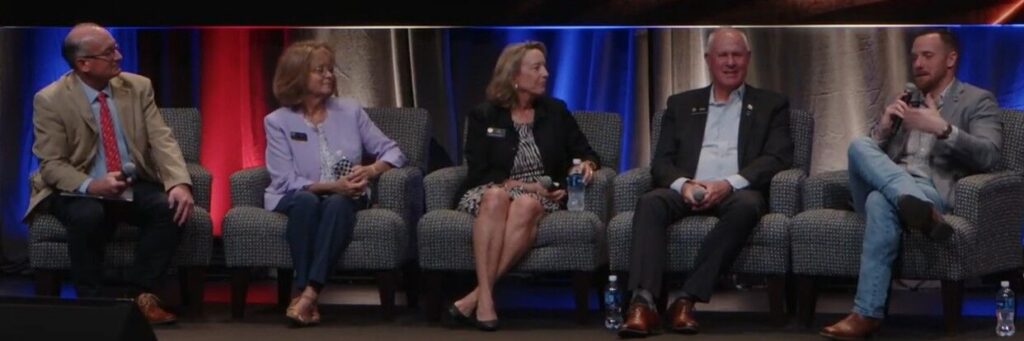
Four Republican state lawmakers told attendees at a gathering of conservative leaders on Friday they doubt their party can win statewide races, noting that Colorado’s electorate has been shifting toward Democrats but adding they see an opening in several pockets....
Federal judges find Colorado immigration judge violated several orders
Michael Karlik
michael.karlik@coloradopolitics.com
Updated 1 day ago
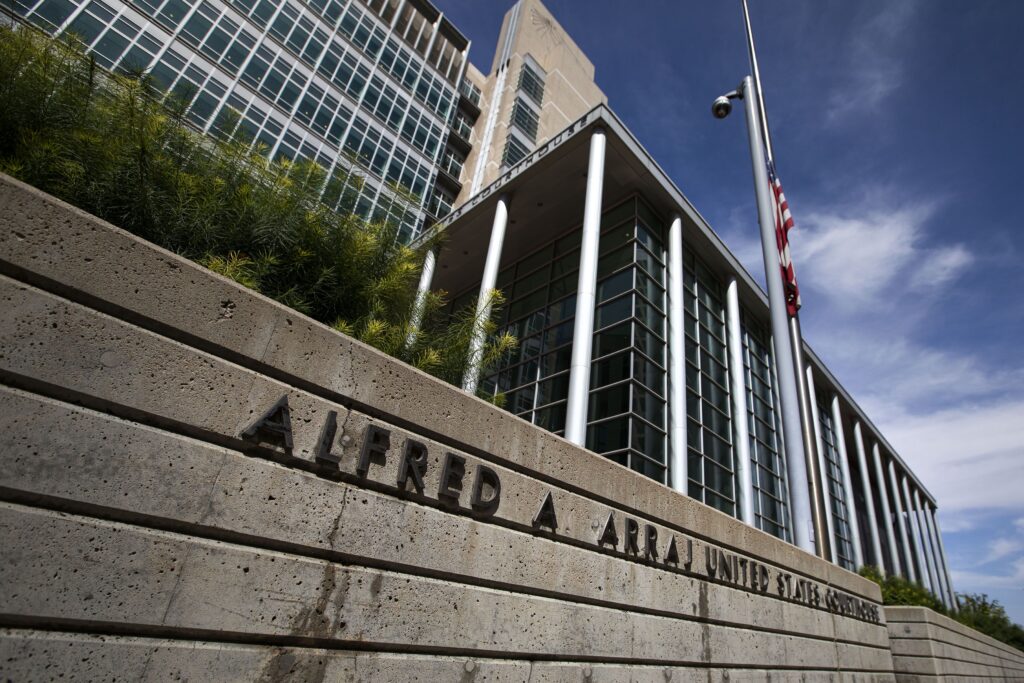
Multiple federal judges in Colorado have freed people from immigration custody after determining that one immigration judge violated their directives for properly conducting bond hearings. For nearly a year, Colorado’s U.S. District Court has faced a flood of habeas corpus petitions...
Q&A with Mike Pence | Former vice president says GOP’s populist turn from conservatism isn’t permanent
Ernest Luning
ernest.luning@coloradopolitics.com
Updated 2 days ago
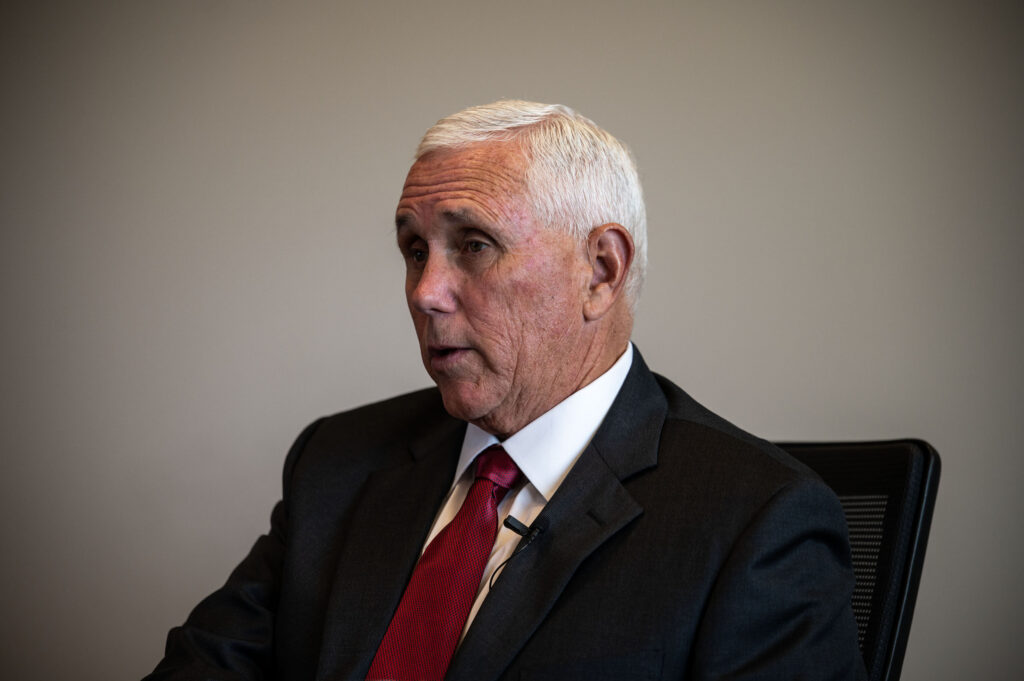
Former Vice President Mike Pence says he’s concerned that the Republican Party has taken a populist turn away from bedrock conservative principles during President Donald Trump’s second term, but he believes the party will return to its roots when Trump...
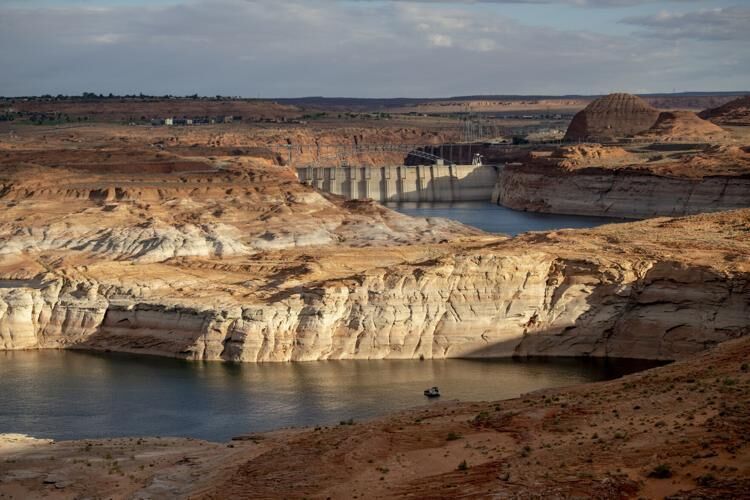
New federal plan sets short-term rules for Colorado River management
Marianne Goodland
marianne.goodland@coloradopolitics.com
Updated 3 days ago
Interior Department’s plan spares Colorado from mandatory cuts for now After years of stalled negotiations among the seven states that rely on the Colorado River, the federal government on Friday released its own plan for managing the drought-strained system. Calling...
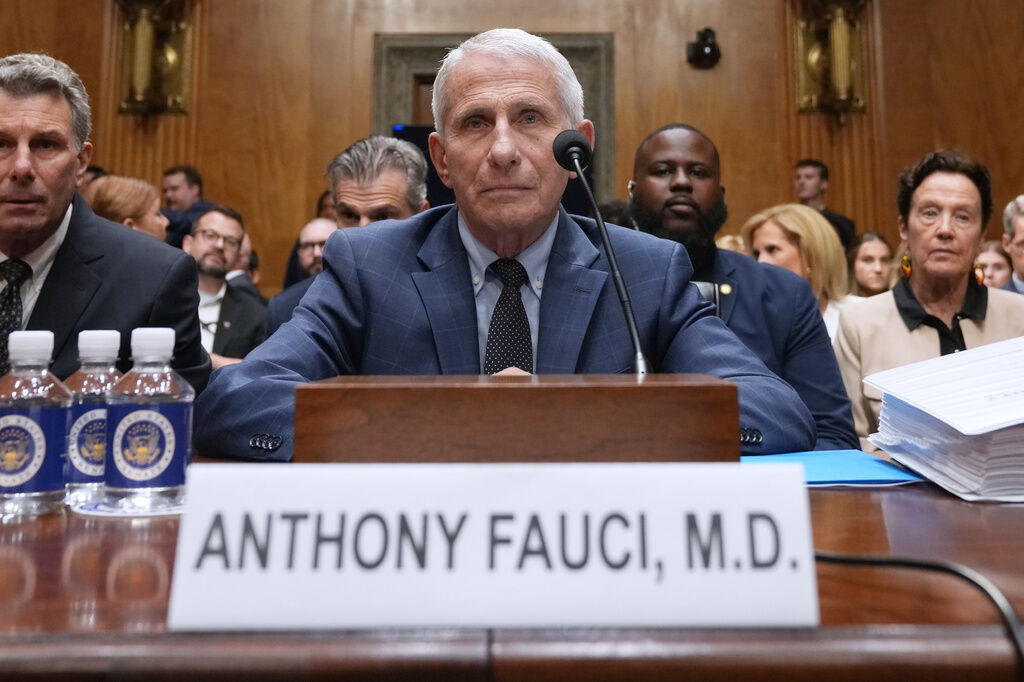
Fauci’s diary details blooming outrage toward ‘far right,’ softness toward Biden and China
Hudson Crozier
hudson.crozier@washingtonexaminer.com
Updated 3 days ago
Dr. Anthony Fauci increasingly railed against “far right” critics of his approach to COVID-19 issues while describing strong support from the Biden White House in his pandemic-era diary, which was recently released by Congress. The former National Institute of Allergy...
PREV
PREVIOUS
New Mexico is first state to promise free child care for all families | OUT WEST ROUNDUP
NEW MEXICO State promises free child care SANTA FE — New Mexico’s governor is promising universal free child care to families of all income levels. Gov. Michelle Lujan Grisham announced her plans in the second week of September, saying she wants to leverage a financial windfall from oil and gas production to help more parents […]

The future of Colorado water: How the fight over Shoshone water rights affects the Front Range
A million acre-feet of water in the Colorado River — and the efforts by Western Slope water partners to keep it there — became the subject of a recent two-day hearing that could decide just who gets water and how much. One of the major points of tension is the objection by several water providers […]