

Colorado justices block testimony of autism behaviors in Boulder County murder prosecution
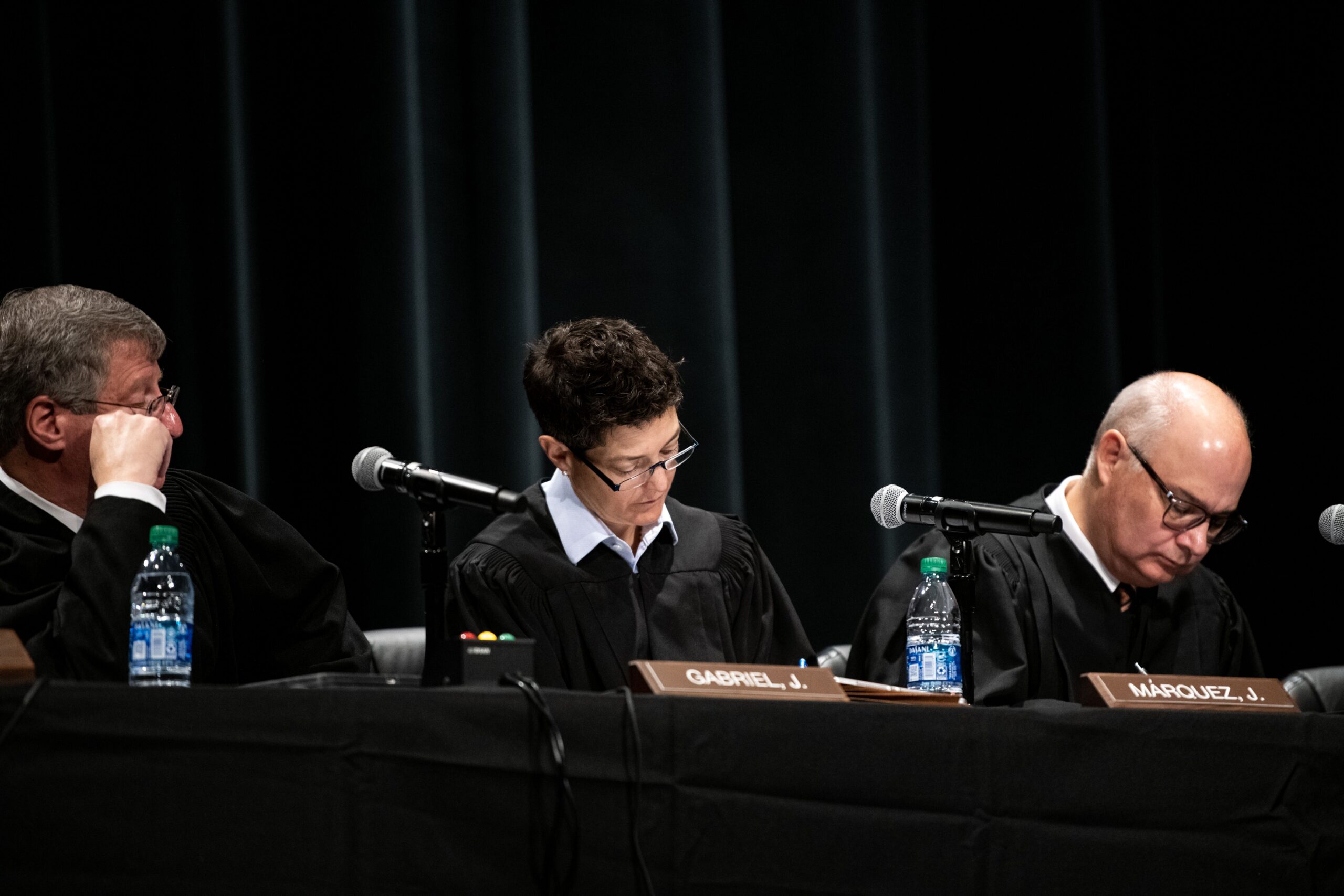
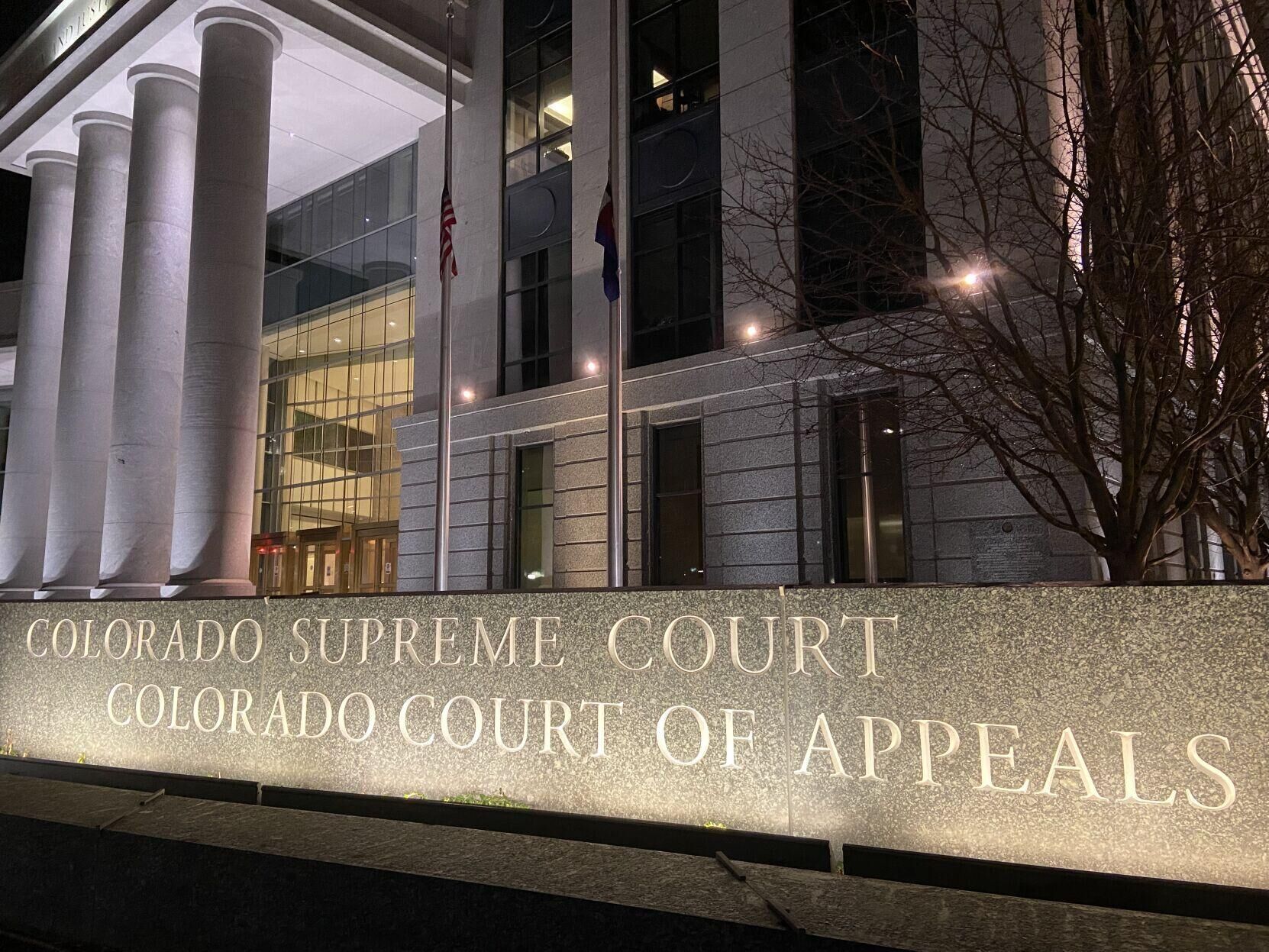
The Colorado Supreme Court on Monday blocked a defendant accused of a cold case murder from introducing testimony about how his autism spectrum disorder may have contributed to behavior police perceived as deceptive.
The court’s unsigned Sept. 8 order stated, without elaboration, that the intended expert testimony did not meet the requirements of state law. Prior to the decision, the defense, prosecution and trial judge claimed the other side misunderstood the implications of the underlying evidentiary ruling.
Prosecutors originally charged John Michael Angerer in 2010 with the murder of Angela Wilds in South St. Vrain Canyon several years before. However, there was not probable cause to bring him to trial.
After further investigation, a grand jury again indicted Angerer for Wilds’ murder in 2023. The defense hired an expert to psychologically examine Angerer and she diagnosed him with autism spectrum disorder. Shortly before trial, the defense listed the expert as a witness who could testify about autism.
The prosecution objected, arguing the “mental condition” evidence did not go through the process outlined in Colorado law.
“So, as I understand the mental health issue,” said District Court Judge Andrew Hartman at a June 2 hearing, the expert will describe “that the defendant’s diagnosis perhaps makes him suggestible or somewhat receptive to certain types of interrogation or questioning that may have occurred in this case?”
Correct, replied defense lawyer Johanna Boyd. She elaborated that law enforcement witnesses might testify at trial that Angerer avoided eye contact and repeatedly looked down, which were “indicators of somebody who struggles with social cues” rather than deception.

Prosecutor Carlos Rueda argued that Colorado law requires defendants to go through certain steps before introducing expert evidence of a defendant’s mental health condition, including a court-ordered examination.
“But if one of the detectives comes and says, ‘I show him the photograph of the grave, and he got uncomfortable’ in the middle of trial, now I have to defend with some expert?” Rueda asked.
Hartman found the attempt to introduce the autism expert’s testimony was “not fully compliant” with the law, but also “not fully noncompliant.” He decided if the detectives wound up testifying about Angerer’s mannerisms, then “it’s possible” the defense could use its expert to counter what they say. The ruling would have to be made “in context.”
“I just want a crystal-clear ruling because there was never a court-ordered examination,” Rueda responded.
“You just have to kind of take the win here,” Hartman said, adding it was “unlikely” the autism expert would testify.
The district attorney’s office quickly filed a motion to reconsider. After Hartman did not immediately act, the prosecution asked the Supreme Court to step in.
The autism diagnosis “is expert opinion evidence concerning Defendant’s mental condition, and admissible only if Defendant had complied with (the law) — which he indisputably has not. It is therefore error for the district court to consider allowing such evidence,” wrote Senior Deputy District Attorney Ryan Day.
Unusually, Hartman quickly issued an order accusing the prosecution of failing to “accurately recite the court’s ruling.” He also published a second written order asserting he was, in fact, excluding Angerer’s autism diagnosis from trial.
“However, should considerable testimony at trial by law enforcement regarding Defendant’s eye contact, lowered tone, or other behaviors during the interviews arise and be used to establish Defendant’s dishonesty,” Hartman elaborated, “the Court may reconsider whether this implicates Defendant’s rights to a fair trial such that limited expert testimony by (the expert witness) to rebut such inferences may be appropriate.”
Angerer and Hartman responded to the prosecution’s petition to defend the evidentiary ruling. The defense argued Hartman’s decision gave the prosecution what it wanted by excluding the mental health evidence, and the “mischaracterization” created “a fictional issue for this Court’s review.”
The district attorney’s office replied that Hartman explicitly left open the possibility of allowing the expert to testify.
If that were to happen, the prosecution has “no meaningful ability to investigate or challenge Defendant’s underlying diagnosis. Because Defendant did not notice his mental condition evidence, the (prosecution does) not have an autism expert of their own,” wrote Day. “These are the precise reasons that proponents of mental condition evidence must comply with the statutory requirements.”
In its order, the Supreme Court told Hartman to strike the portion of his decision allowing for the possibility of the autism expert’s testimony at trial.
“We now conclude that the defendant may not present the proposed expert mental condition testimony because he did not comply with the requirements” of the law, the court wrote.
The case is People v. Angerer.

Federal judge directs plaintiff to revise complaint alleging Denver officers’ constitutional violations
Michael Karlik
michael.karlik@coloradopolitics.com
Updated 4 hours ago
A federal judge directed a plaintiff to revise his allegations on Wednesday to more precisely state what two Denver officers and the city itself allegedly did to violate his constitutional rights by facilitating his prosecution for murder until prosecutors dropped...
Federal judge explores new sanctions against ex-Colorado judicial discipline director
Michael Karlik
michael.karlik@coloradopolitics.com
Updated 8 hours ago
A federal judge on Wednesday directed Colorado’s former judicial discipline director, for the third time this year, to explain why she should not sanction him for his latest conduct in his litigation against the state’s judiciary. Christopher S.P. Gregory, who served...
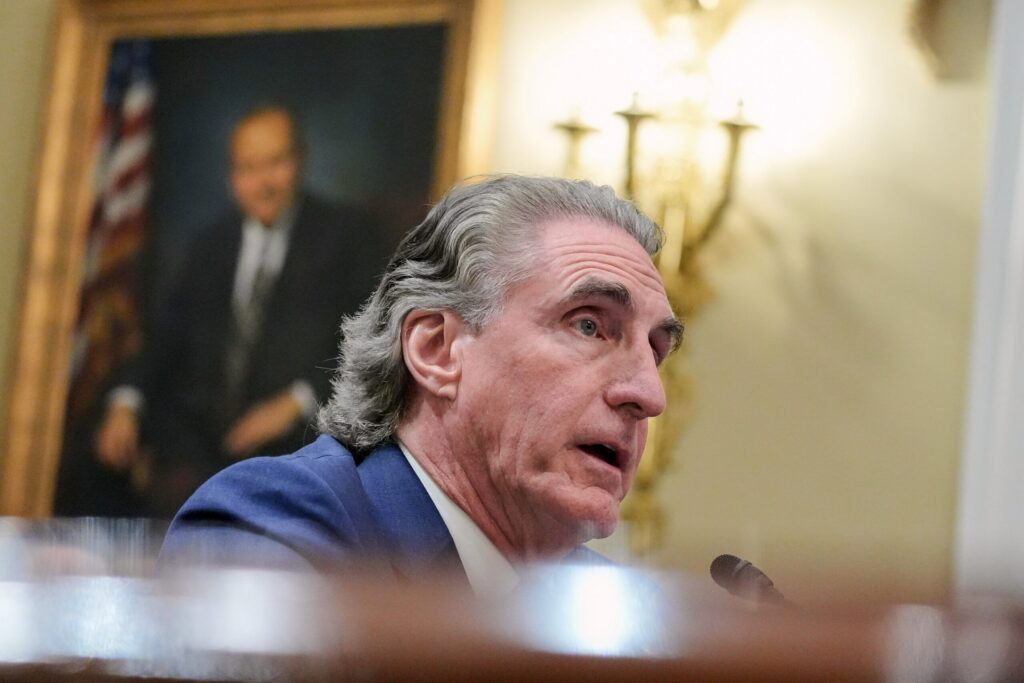
Colorado joins lawsuit challenging changes to Endangered Species Act
Marissa Ventrelli
marissa.ventrelli@coloradopolitics.com
Updated 7 hours ago
Colorado once more joined a coalition of states challenging the Trump administration — this time on proposed rules regarding the Endangered Species Act. The pair of lawsuits challenge new rules made under Interior Secretary Doug Burgum, who earlier said the...
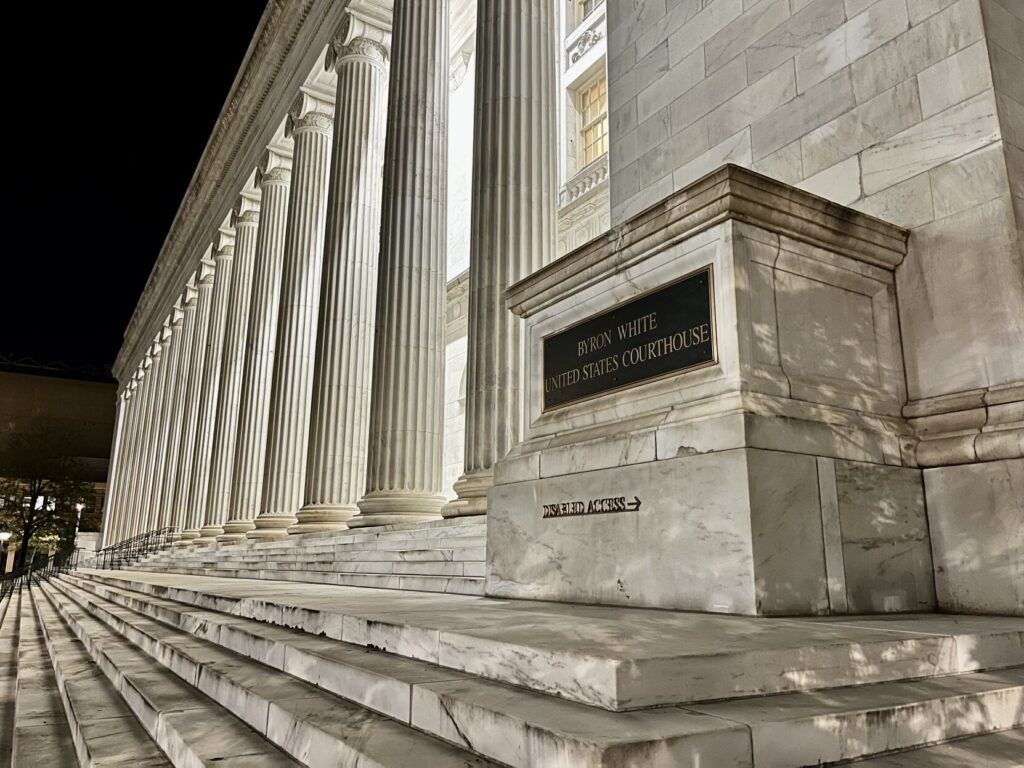
10th Circuit orders second look at immunity for Kiowa County deputy over fatal vehicle crash
Michael Karlik
michael.karlik@coloradopolitics.com
Updated 6 hours ago
The Denver-based federal appeals court directed a trial judge on Tuesday to further analyze whether a Kiowa County deputy and the sheriff’s office may be sued for a fatal vehicle collision. The Colorado Governmental Immunity Act generally shields government entities and public...
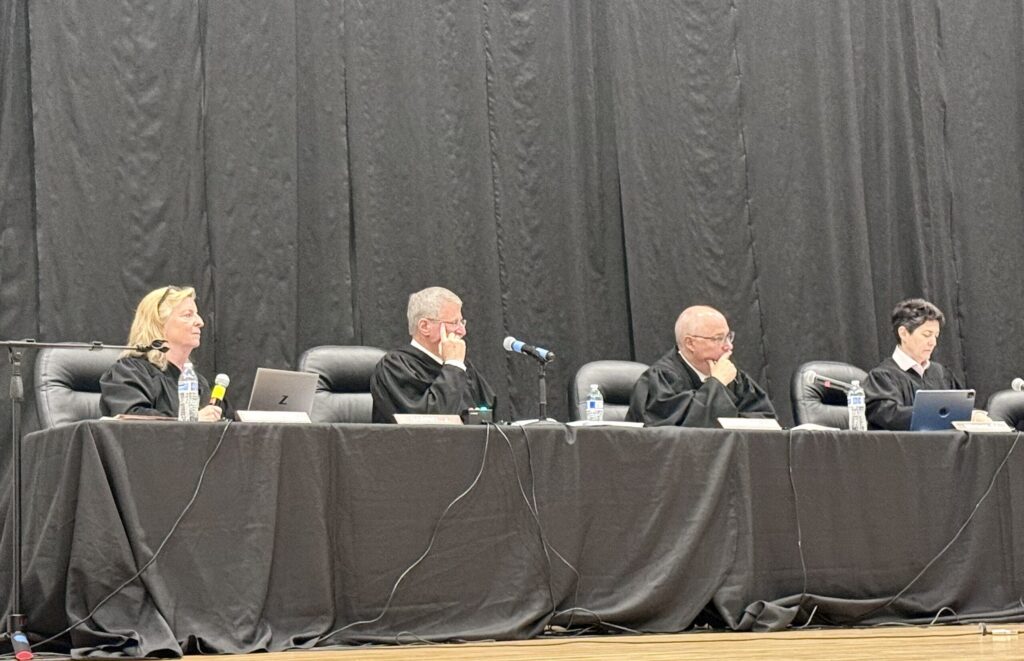
Colorado justices to hear appeal in Kendrick Castillo death lawsuit, ‘fugitive’ rule
Michael Karlik
michael.karlik@coloradopolitics.com
Updated 6 hours ago
The Colorado Supreme Court announced on Tuesday that it will decide whether it was proper to dismiss a lawsuit over the 2019 shooting death of Kendrick Castillo after the defendants paid the maximum amount of damages available to Castillo’s parents,...
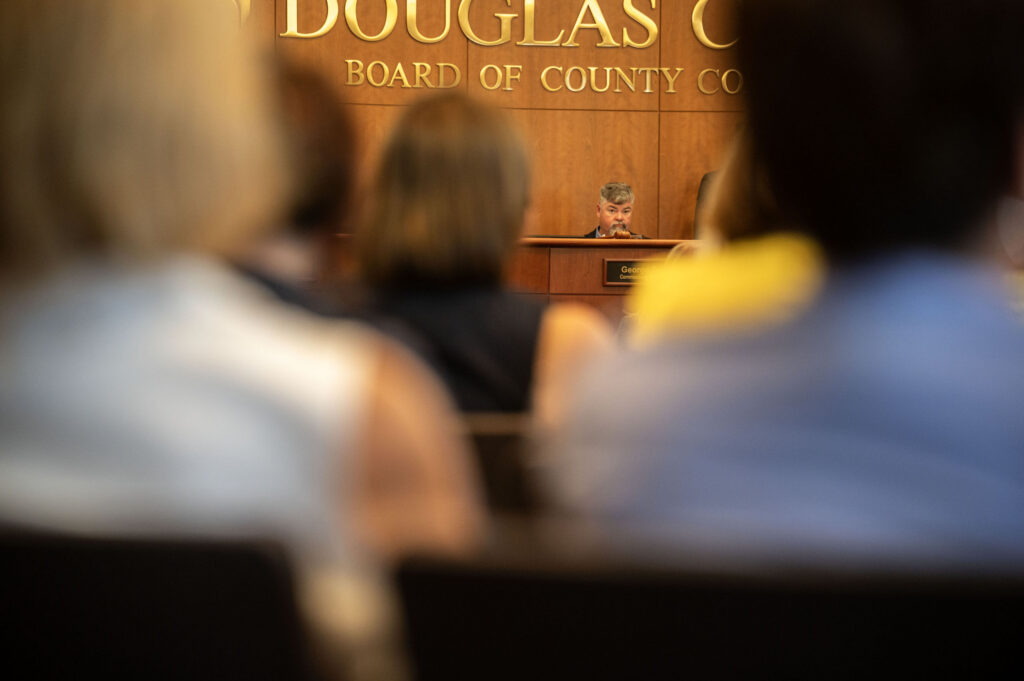
Federal judge dismisses Douglas County’s challenge to collective bargaining law
Nicholas Fogleman
nicholas.fogleman@denvergazette.com
Updated 15 hours ago
A federal judge dismissed claims brought by the Douglas County Board of Commissioners alleging that a state law granting county employees the right to organize and join labor unions violates free speech protections and conflicts with federal labor law. Douglas...
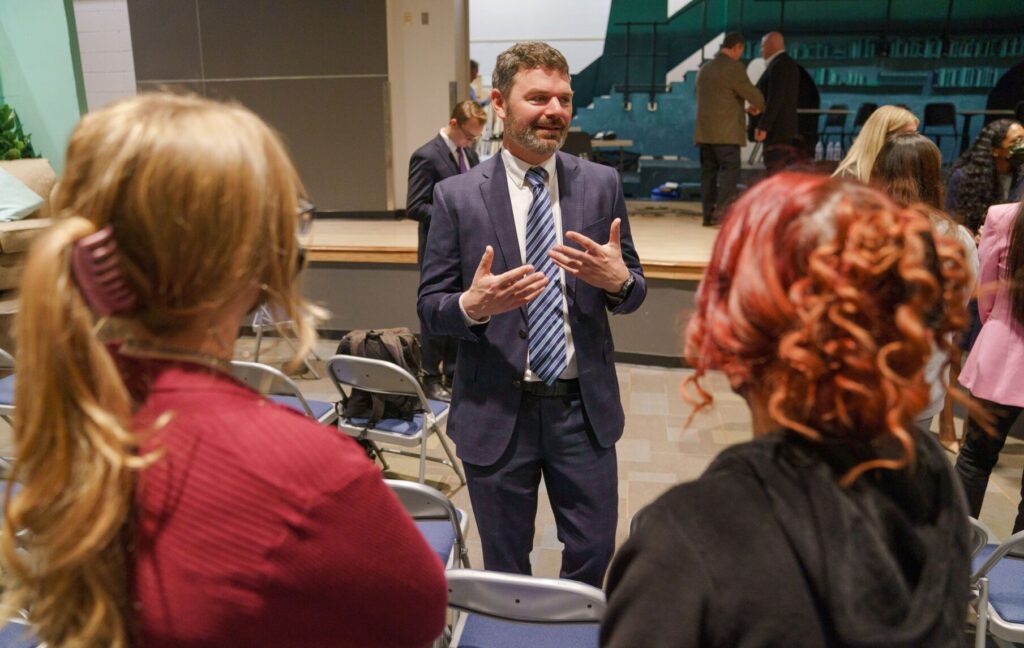
Arapahoe County judge’s frustration with defense lawyer not grounds for new trial
Michael Karlik
michael.karlik@coloradopolitics.com
Updated 1 day ago
Colorado’s second-highest court decided last week that an Arapahoe County judge’s repeated rebukes of a defense attorney and orders to “be quiet” did not rise to the level of bias or a violation of the defendant’s due process rights. A...
Divided appeals court upholds vehicle theft conviction despite unclear origin of car’s value
Michael Karlik
michael.karlik@coloradopolitics.com
Updated 1 day ago
Colorado’s second-highest court upheld a defendant’s conviction for aggravated motor vehicle theft last week, even though it was unclear how the Thornton Police Department estimated the value of the stolen car. Officer Marc Faivre encountered Ashley Shelee Gibbens-Martinez in a...
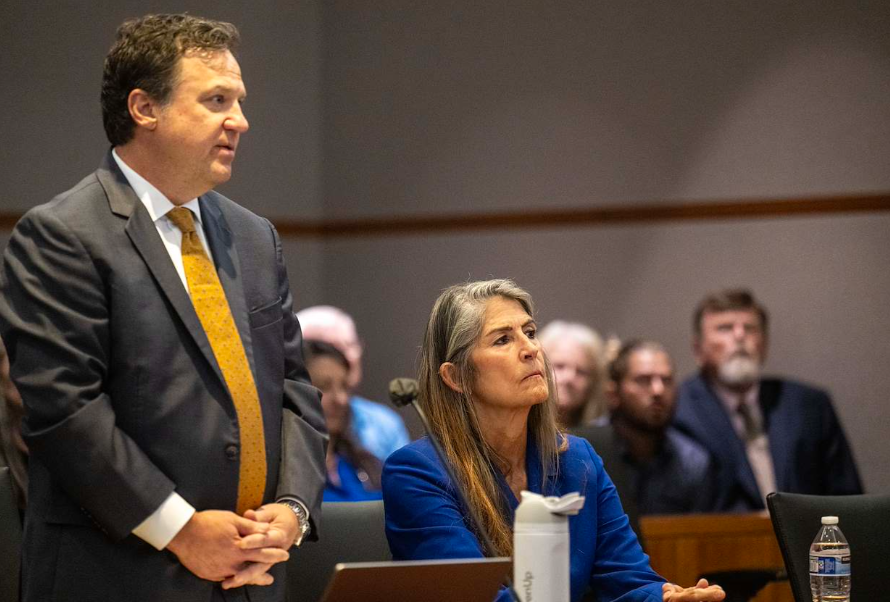
Disgraced ex-CBI analyst Missy Woods sentenced to prison in DNA scandal
Jenny Deam
jenny.deam@gazette.com
Updated 1 day ago
A Jefferson County district court judge on Tuesday sentenced a disgraced former Colorado Bureau of Investigation DNA analyst to a decade in prison for altering and deleting data in scores of criminal cases over several years. Jefferson County District Judge...

Parenting from prison: Inmates hope to be present in their children’s lives, while physically absent
Marianne Goodland
marianne.goodland@coloradopolitics.com
Updated 2 days ago
The room was decorated with balloons, the tables sparking bright with colors as the smell of pizza and cake wafted through the air. As did music. This was, after all, a father-daughter dance. Except this was not a typical father-daughter...
PREV
PREVIOUS
DPS' celebration doesn't match the data
Denver Public Schools is seeing green — literally. As Superintendent Alex Marrero hailed the district’s new “accredited (green)” rating as “a significant milestone” last week, he asked teachers to wear green and even changed the district’s website’s color scheme to match. But there are lies, damned lies and statistics. And nobody has this down better […]
Colorado justices tell Arapahoe County judge to reconsider disqualification of law firm from case
The Colorado Supreme Court on Monday directed an Arapahoe County judge to reconsider his prior decision to remove a law firm from a civil lawsuit due to a conflict of interest. In an unsigned Sept. 8 order, the justices laid out specific issues the judge needed to examine before concluding that the work an attorney […]