

Colorado Supreme Court overturns judge’s prohibition on using victim’s journals as evidence
The Colorado Supreme Court on Friday overturned a judge’s order that prohibited Boulder County prosecutors from using the 25-year-old journal entries of an alleged victim to prove the defendant committed sexual assault on a child.
In a brief April 25 order, the justices rejected the notion that the district attorney’s office should have allowed the defense to inspect the entirety of the victim’s childhood journals — roughly 50 in total — instead of relying on only those portions identified by the victim and photographed by a detective.
“The Court concludes that the so-called ‘dream journals’ are not within the possession or control of the prosecuting attorney,” wrote the court, and therefore are not included in the prosecution’s disclosure obligations.
One week before Mark Allan Hochwender was scheduled to face trial on two counts of sexual assault on a child, a judge issued an order that the prosecution characterized as unsupported by the law and overly invasive of victims’ privacy rights.
As alleged, Hochwender was the therapist for two high school-age sisters between 1999 and 2000. Police learned of the alleged assaults in 2021 from the younger sister.
In September 2022, in response to law enforcement questioning, the older sister mentioned she kept “dream journals” — 30 to 50 volumes total — some of which contained memories of her interactions with Hochwender. With the victim’s permission, a detective photographed the entries identified by the victim and disclosed them to the defense.
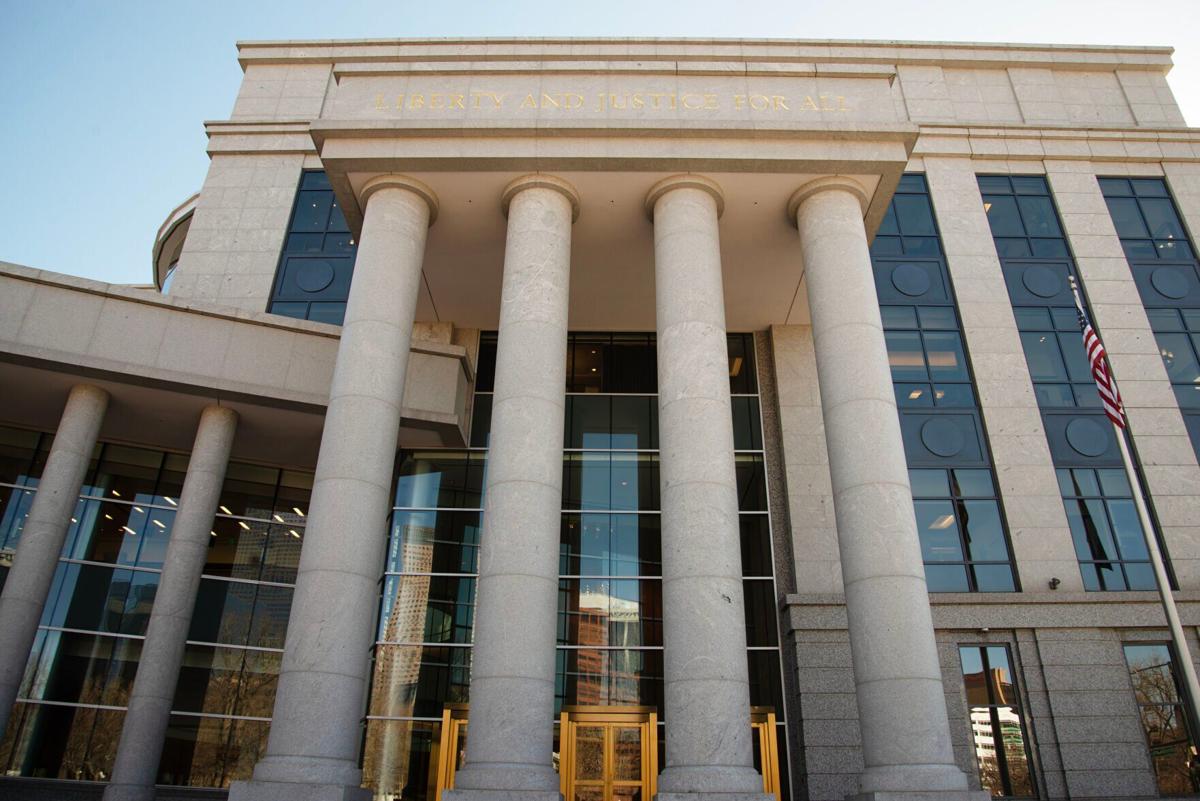
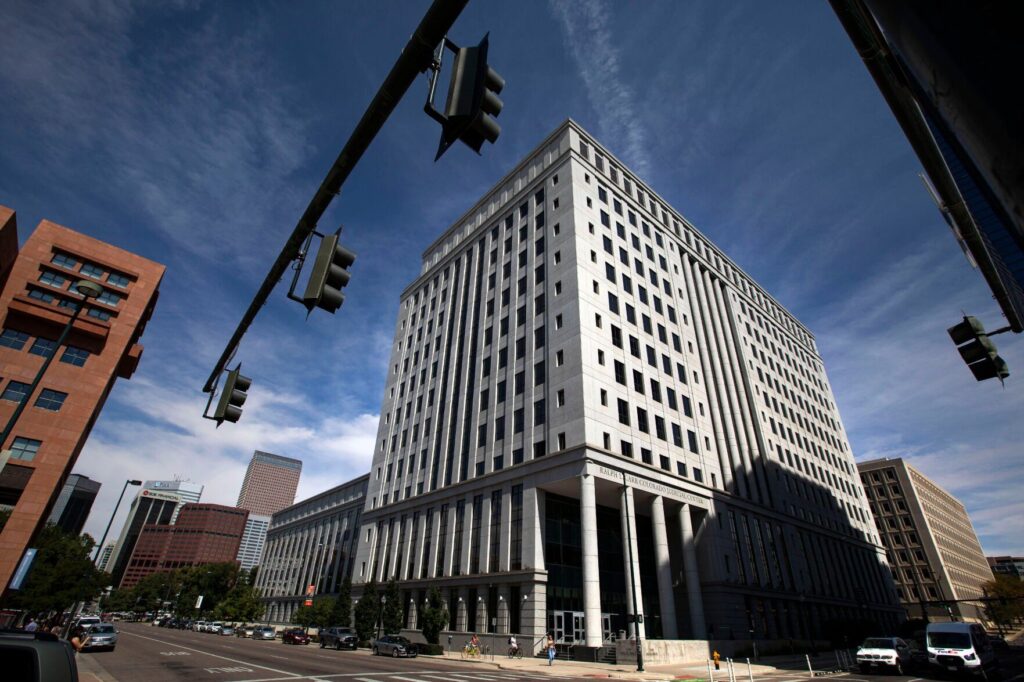
FILE PHOTO: The Ralph L. Carr Judicial Center houses both the Colorado Supreme Court and the Colorado Court of Appeals as seen on Friday, March 1, 2024. The facility's namesake is the former Colorado Governor, Ralph Lawrence Carr, who served between 1939 and 1943 and was known for his opposition to Japanese Interment camps during the time.
Tom Hellauer/Denver Gazette

The following year, the victim informed the prosecution she discovered another journal she kept during a high school visit to Argentina. There were descriptions of Hochwender’s alleged grooming behavior throughout the notebook. Once again, law enforcement photographed certain pages from the journal and submitted them to the defense.
Shortly before Hochwender’s December 2024 trial, the prosecution announced it intended to use the photographs.
However, there was confusion about the evidence, with newly assigned prosecutor Genevieve Constance Craggs under the impression there was only one journal — the “relevant portions” of which had been disclosed.
“I think that the defense is entitled to examine the original journal,” responded Stephen A. Groome, a retired judge assigned to the case, at a November 5 hearing. “I can understand not turning it over to them but arranging for their own inspection to do their due diligence and to determine for themselves whether there’s anything they feel could be exculpatory.”
“I would be happy to facilitate that,” Craggs responded.
The prosecution turned over photos of the entire Argentina journal to the defense. However, only then did Craggs realize there was not just one journal, but dozens of dream journals plus the Argentina journal. At that point, Craggs indicated she would only rely on the Argentina journal at trial.
The defense filed a motion accusing the prosecution of failing to disclose the entirety of the journals and asking Groome to bar the use of any journal material as evidence.
On Dec. 2, Groome agreed Hochwender was harmed from “not being allowed to examine all of (the victim’s) journal entries for exculpatory evidence.” At another hearing the next day, Craggs maintained there was “not an obligation” to turn over all of the journals because they were in the victim’s possession, not the prosecution’s. She added that Hochwender could subpoena those documents from the victim if he wanted to inspect them.
“I think it’s kind of disingenuous for the prosecution to say, ‘These journals haven’t been in our possession,'” responded Groome. Prosecutors’ duties to disclose evidence “are not tied to what they feel is relevant and which they intend to introduce.”


The Boulder County District Attorney’s Office immediately sought the Supreme Court’s intervention, calling the journal entries critical.
“Judge Groome lacked authority to order access to a third-party’s private journals,” wrote Senior Deputy District Attorney Ryan P. Day. “It is hard to imagine anything more invasive or abusive than requiring a sexual assault victim to give her dreams, thoughts, and feelings to her abuser so that he can peruse them for impeachment evidence that may not even exist.”
He added that under Groome’s logic, a victim of jewelry theft who shows police her safe would also have to let the defense look throughout her home “to ensure she has not hidden the jewelry in a drawer or her refrigerator and framed the suspect.”
Hochwender’s attorneys defended Groome’s ruling, arguing they could not assess the trustworthiness of the decades-old journal entries based on curated excerpts shown to a detective.
“Neither the trial court nor Mr. Hochwender has any way to know, without disclosure of the whole, whether what was disclosed is representative, complete, and not misleadingly taken from important context,” wrote attorney Amy Dell Trenary.
The Supreme Court’s order reversed Groome’s exclusion of the journal evidence, citing the principle that courts cannot “grant criminal defendants access to a non-party’s private property.”
The case is People v. Hochwender.

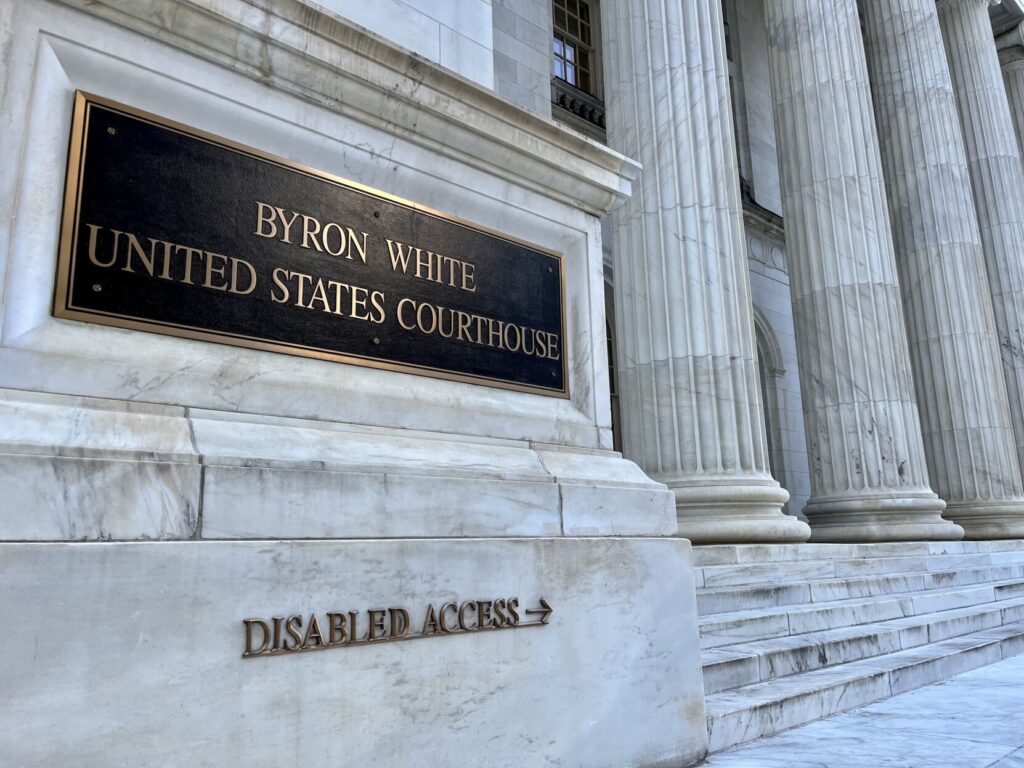
10th Circuit dismisses woman’s lawsuit following 10-year attempt to undo restraining order
Michael Karlik
michael.karlik@coloradopolitics.com
Updated 2 days ago
The Denver-based federal appeals court rejected a woman’s challenge on Friday to a restraining order imposed on her more than a decade ago, finding that she cannot credibly claim she will be prosecuted for violating the restraining order through her...
10th Circuit dismisses woman’s lawsuit following 10-year attempt to undo restraining order
Michael Karlik
michael.karlik@coloradopolitics.com
Updated 2 days ago
The Denver-based federal appeals court rejected a woman’s challenge on Friday to a restraining order imposed on her more than a decade ago, finding that she cannot credibly claim she will be prosecuted for violating the restraining order through her...
Colorado equal pay law does not require plaintiffs to allege gender-based retaliation, appeals court finds
Michael Karlik
michael.karlik@coloradopolitics.com
Updated 1 day ago
The 2019 Colorado law aimed at rooting out pay discrimination on the basis of sex does not require a plaintiff to allege their employer retaliated against them for sex- or gender-related reasons, the state’s second-highest court decided on Thursday. Lawmakers...
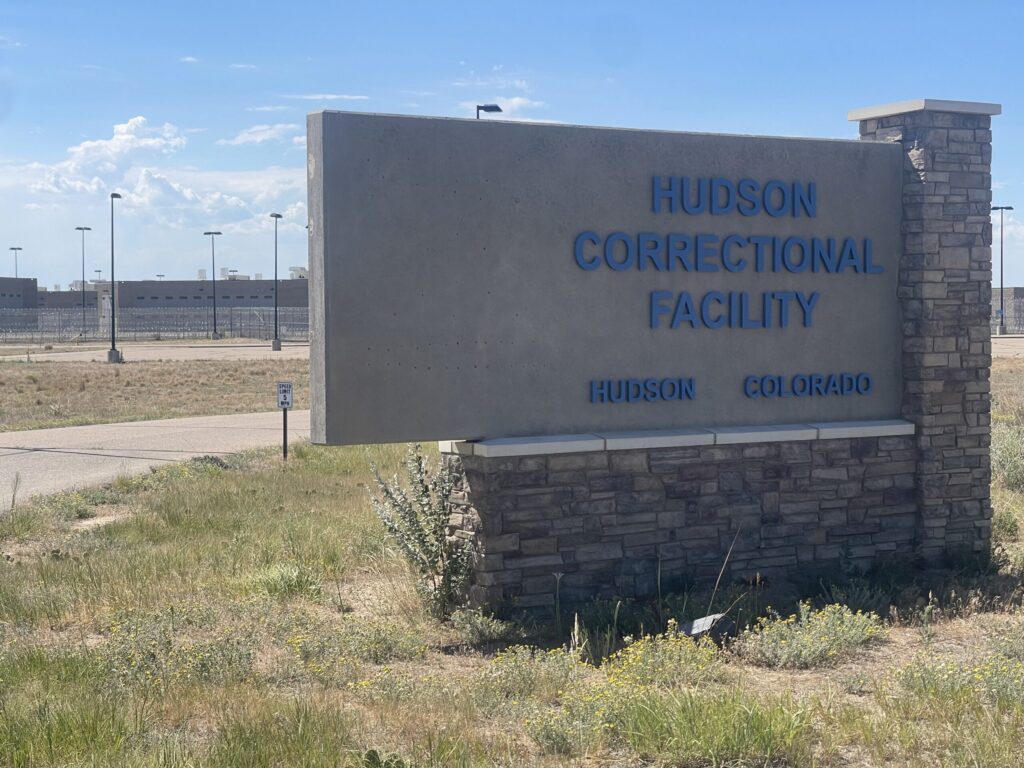
Hudson faces lawsuit over ICE detention facility
Nicole C. Brambila
nicole-c-brambila@coloradopolitics.com
Updated 2 days ago
A nonprofit organization filed a lawsuit against the Town of Hudson Wednesday, challenging plans to reopen a former federal prison in the town as a U.S. Immigration and Customs Enforcement detention facility. Together Colorado, along with Janet E. Carlson, filed...
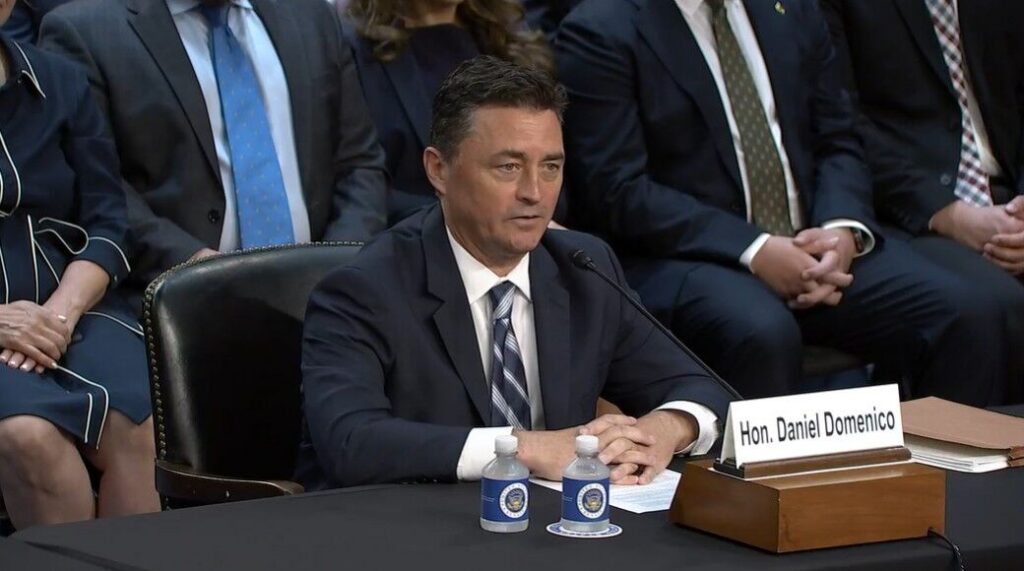
Senate committee advances Trump’s 10th Circuit nominee, as Domenico responds to questions about delays
Michael Karlik
michael.karlik@coloradopolitics.com
Updated 2 days ago
The U.S. Senate Judiciary Committee advanced President Donald Trump’s nominee to the Denver-based federal appeals court on Thursday by a party-line vote of 12-10. U.S. District Court Judge Daniel D. Domenico, who was Trump’s first-term appointee to Colorado’s federal trial...
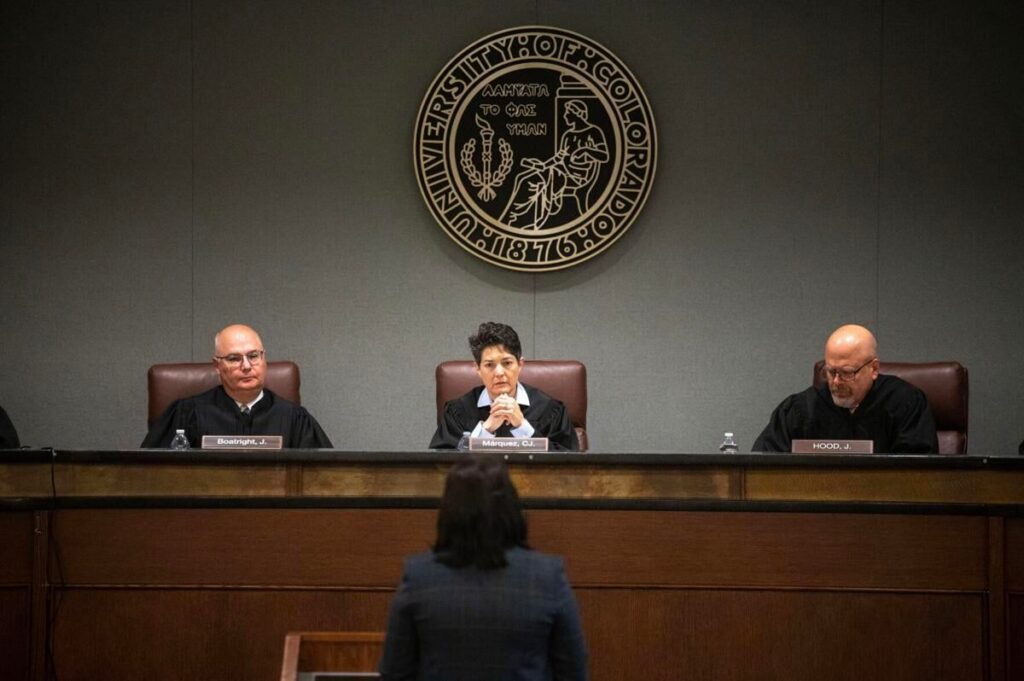
Colorado justices to hear embryonic donation dispute
Michael Karlik
michael.karlik@coloradopolitics.com
Updated 3 days ago
The Colorado Supreme Court announced on Monday that it will decide whether lower court judges properly applied its framework for adjudicating disputes over the fate of pre-embryos, in which one person wants to use them to become a parent and...
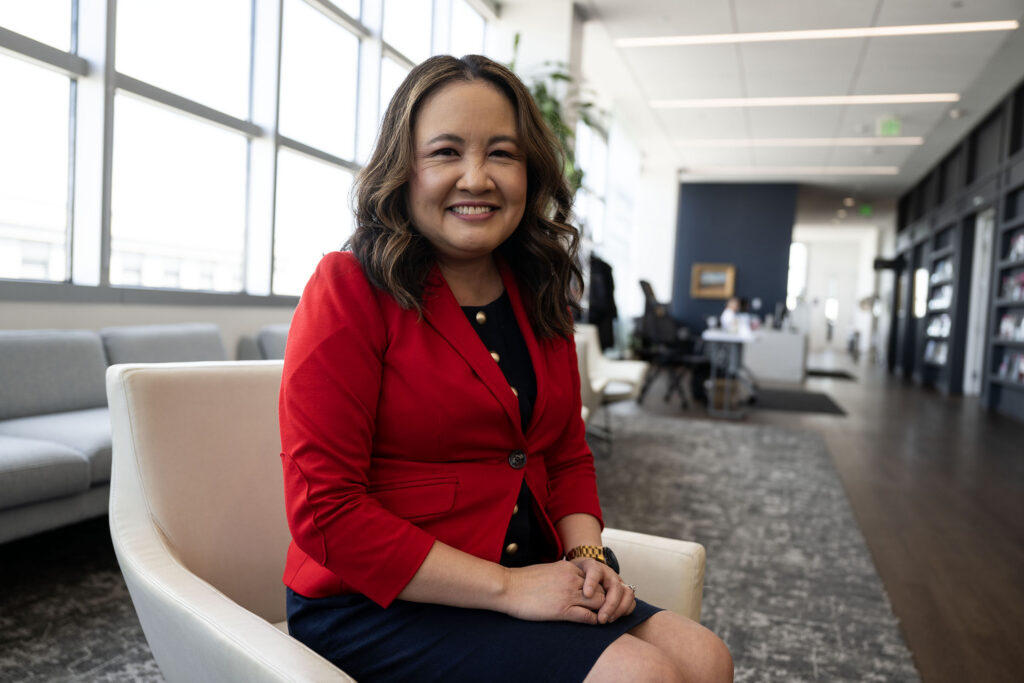
Isolation, emotion, persona: Colorado judicial programming prepares people for life on the bench
Michael Karlik
michael.karlik@coloradopolitics.com
Updated 3 days ago
As a trial judge and now as a member of the Colorado Supreme Court, Justice Carlos A. Samour Jr. has heard the view that being a judge is isolating. “In neither court have I felt isolated. I’ve always interacted a...

Federal judge dismisses Colorado county sheriff’s challenge to law limiting immigration cooperation
Michael Karlik
michael.karlik@coloradopolitics.com
Updated 1 day ago
A federal judge dismissed a challenge from Mesa County Sheriff’s Office leaders last week to a Colorado law limiting public employees’ cooperation with immigration authorities, concluding that the plaintiffs did not allege they engage in any conduct that the law...
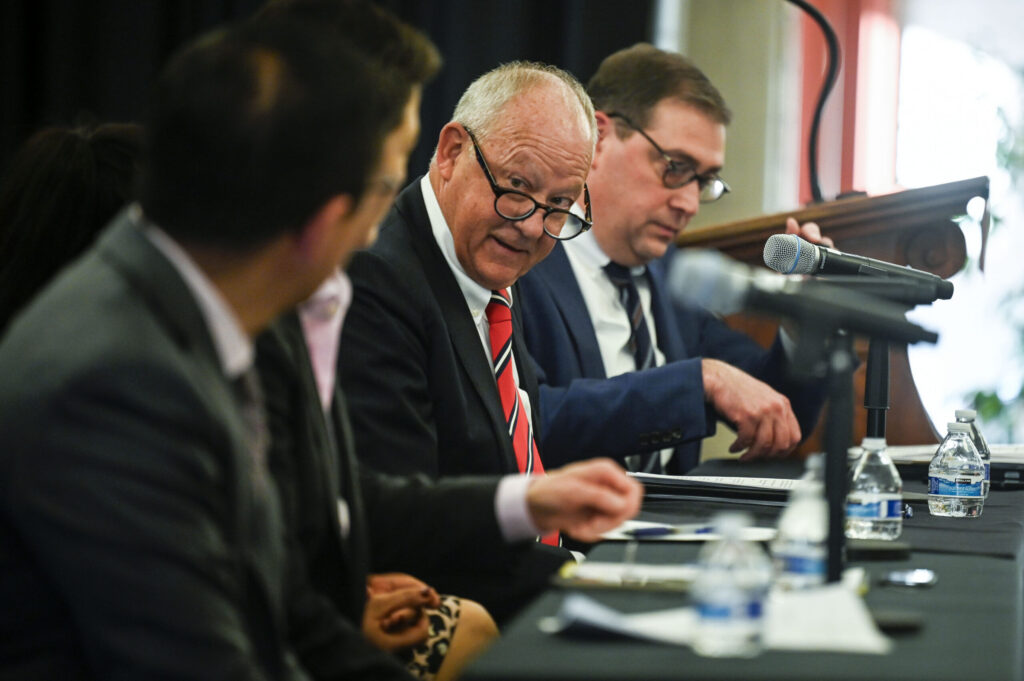
10th Circuit raises bar for fraud victims to sue debt collectors over inaccurate information
Michael Karlik
michael.karlik@coloradopolitics.com
Updated 21 hours ago
The Denver-based federal appeals court wiped away a jury’s $500,000 award to a fraud victim on Monday and made it more difficult for consumers to hold companies liable for disseminating inaccurate credit information. The Fair Credit Reporting Act regulates credit...
Montezuma County judge’s censure, suspension approved by discipline panel
Michael Karlik
michael.karlik@coloradopolitics.com
Updated 4 days ago
A three-member disciplinary panel accepted, on Monday, an agreement between a Montezuma County judge and the Colorado Commission on Judicial Discipline that specifies he will receive a censure, a suspension, and additional education for his admitted instances of misconduct. Under...