

Shipments of uranium ore can resume under agreement reached with Navajo Nation | OUT WEST ROUNDUP
ARIZONA
Uranium ore shipments can resume
Shipments of uranium ore from a revived mining operation just south of the Grand Canyon were expected to resume in February after the Navajo Nation reached a settlement with the mining company, clearing the way for trucks to transport the ore across the largest Native American reservation in the U.S.
The agreement announced in late January settled a dispute that erupted last summer when Energy Fuels Inc. began trucking ore from the Pinyon Plain Mine to a mill site in Utah.
The dust-up spurred negotiations with the company and led the Navajo Nation to adopt emergency legislation to strengthen regulations for transporting radioactive material across tribal lands. The Navajo Nation and tribes elsewhere in Arizona, New Mexico and Utah have a long, sordid history of disease, death and contamination linked to mining that took place during World War II and the Cold War.
Energy Fuels’ President and CEO Mark Chalmers acknowledged those longstanding impacts in highlighting the importance of the settlement, saying he was honored to be able to work with the tribe to address the concerns and ensure transportation will be done safely and respectfully.
How uranium mining affected the Navajo Nation, its people, and its land
Energy Fuels already must meet standards spelled out by federal agencies when transporting uranium ore. The measures outlined in the agreement with the Navajo Nation provide additional layers of protection, company officials said.
The agreement also includes a pledge by Energy Fuels to help transport up to 10,000 tons of waste material from abandoned mines that are relics of the federal government’s past uranium programs.
In addition to allowing the Navajo Nation to monitor and inspect transport trucks, there are provisions for financial compensation for improving safety and protecting the environment, said Stephen B. Etsitty, head of the Navajo Nation Environmental Protection Agency.
Scientists find endangered bat visits state
FLAGSTAFF — Scientists have long suspected that Mexican long-nosed bats migrate through southeastern Arizona, but without capturing and measuring the night-flying creatures, proof has been elusive.
Researchers say they now have a way to tell the endangered species apart from other bats by analyzing saliva the nocturnal mammals leave behind when sipping nectar from plants and residential hummingbird feeders.
Bat Conservation International, a nonprofit group working to end the extinction of bat species worldwide, teamed up with residents from southeastern Arizona, southwestern New Mexico and west Texas for the saliva swabbing campaign.
The samples of saliva left along potential migration routes were sent to a lab at Northern Arizona University in Flagstaff, where researchers looked for environmental DNA — or eDNA — to confirm that the bats cycle through Arizona and consider the region their part-time home.
Cloning: The latest in black-footed ferret recovery in Colorado and beyond
The Mexican long-nosed bat has been listed as endangered under the Endangered Species Act since 1988, and is the only one in Arizona with that federal protection. It is an important species for pollinating cactus, agave and other desert plants.
Officials from the U.S. Fish and Wildlife Service and the Arizona Game and Fish Department announced the discovery in late January. While expanding Arizona’s list of bat species to 29 is exciting, wildlife managers say the use of this novel, noninvasive method to nail it down also deserves to be celebrated.
Every spring, Mexican long-nosed bats traverse a lengthy migratory path north from Mexico into the southwestern U.S., following the sweet nectar of their favorite blooming plants like breadcrumbs. They return along the same route in the fall.
KANSAS
Gender-affirming care for minors banned
TOPEKA — Kansas became the latest state to ban gender-affirming care for minors on Feb. 18 after the Republican-controlled Legislature overrode the Democratic governor’s veto of the measure.
GOP lawmakers, who hold supermajorities in both legislative chambers, reversed Gov. Laura Kelly’s veto less than a month after President Donald Trump issued an order barring federal support for gender-affirming care for youth under 19.
“I just held my 16-year-old daughter, and we cried while we watched them try to erase her existence,” Elise Flatland, a Kansas City-area mother of two transgender children, said in a text message after the votes.
Denver Health, UCHealth halt gender transition services for minors following Trump order
Supporters of such bans argued that they protect vulnerable children from what they see as a “radical” ideology about gender and from making irreversible medical decisions too young.
The Kansas law will prohibit puberty blockers, hormone therapies or surgery for a minor to transition away from their gender assigned at birth. State employees caring for children won’t be allowed to provide or encourage such treatment — or encourage social transitioning.
Groups backing transgender rights immediately announced that they would provide financial assistance and other help to families seeking care for transgender youth outside Kansas.
WYOMING
Bill to mandate school time for groups dies
CHEYENNE — In a tie vote, the House Education Committee voted down a bill on Feb. 14 that would have required school districts to give recruitment time to organizations like the Boy Scouts and 4-H.
Bill sponsor Sen. Gary Crum, R-Laramie, told the committee that the “Youth organizations in schools” bill would have allowed time during the school day for organizations listed under Title 36 of the U.S. code “to go into schools and present what they have to offer youth for after-school type programs.”
In previous testimony, Crum said that some districts in Wyoming would not allow school day time to the Boy Scouts, due to concerns over lawsuits. Other organizations under the bill included Big Brothers Big Sisters of America, Boys & Girls Clubs of America, Civil Air Patrol, American Legion, Veterans of Foreign Wars, American Red Cross and Girl Scouts of the USA.
Denver school district sues to prevent federal agents from arresting immigrants
Rep. Laurie Bratten, R-Sheridan, said she felt the bill was well-intentioned, but she was concerned it dictated what a school district “shall” do. Bratten also said she was worried it could open the door to other, non-patriotic organizations.
During public comment, Dawn Marquardt testified over Zoom that she was opposed to the bill although she said she supports “encouraging civic involvement and leadership and patriotism” in youth. She said some parents are reluctant to have their children participate in the Boy Scouts, after a $2.46 billion settlement for sexual abuse claims, even though she acknowledged that the organization has implemented “safety reforms” following the settlement.
Arizona’s governor outlines groundwater proposal with bipartisan support | OUT WEST ROUNDUP
America's last big-city stockyard in downtown Oklahoma City is up for sale | OUT WEST ROUNDUP
New Mexico governor sets public safety as a top priority for lawmakers | OUT WEST ROUNDUP


CPW chair’s unilateral comment changes spark backlash from fellow commissioners
Marianne Goodland
marianne.goodland@coloradopolitics.com
Updated 10 minutes ago
A decision to cap public comment, announced last week by Colorado Parks and Wildlife Commission Chair Jay Tutchton, set off a lively discussion at Wednesday’s meeting. In the end, Tutchton’s unilateral decision to cut public comment and to change who...

Colorado enacts new penalties for violent crimes and updates race categories on state forms
Marissa Ventrelli
marissa.ventrelli@coloradopolitics.com
Updated 25 minutes ago
A trio of new laws, two regarding increased penalties for violent crimes and one establishing new requirements for government-issued forms, go into effect on Sept. 1. Here’s a breakdown of what they do. The bill: Senate Bill 25-050 What it...

US Mint releases commemorative Trump $1 coin for purchase
Claire Carter
claire.carter@washingtonexaminer.com
Updated 39 minutes ago
The U.S. Mint released a commemorative $1 coin on Wednesday, celebrating America’s 250th anniversary and bearing President Donald Trump’s face. The coins became available for purchase at noon on the Mint’s website, with 100 coins costing $154.50 or a roll...
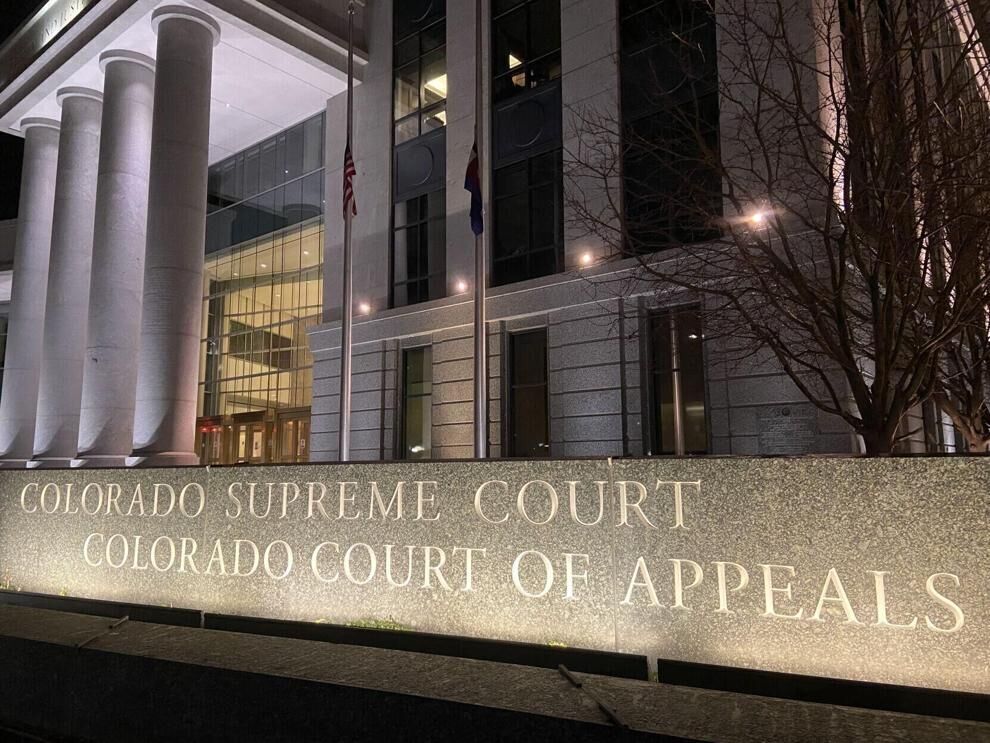
Colorado judges may use professional name in lieu of legal name, ethics panel says
Michael Karlik
michael.karlik@coloradopolitics.com
Updated 4 hours ago
Colorado’s Judicial Ethics Advisory Board concluded on Tuesday that members of the bench may go by a professional name, rather than their legal name, so long as their intent is not to deceive. The Board, which consists of judges, attorneys...
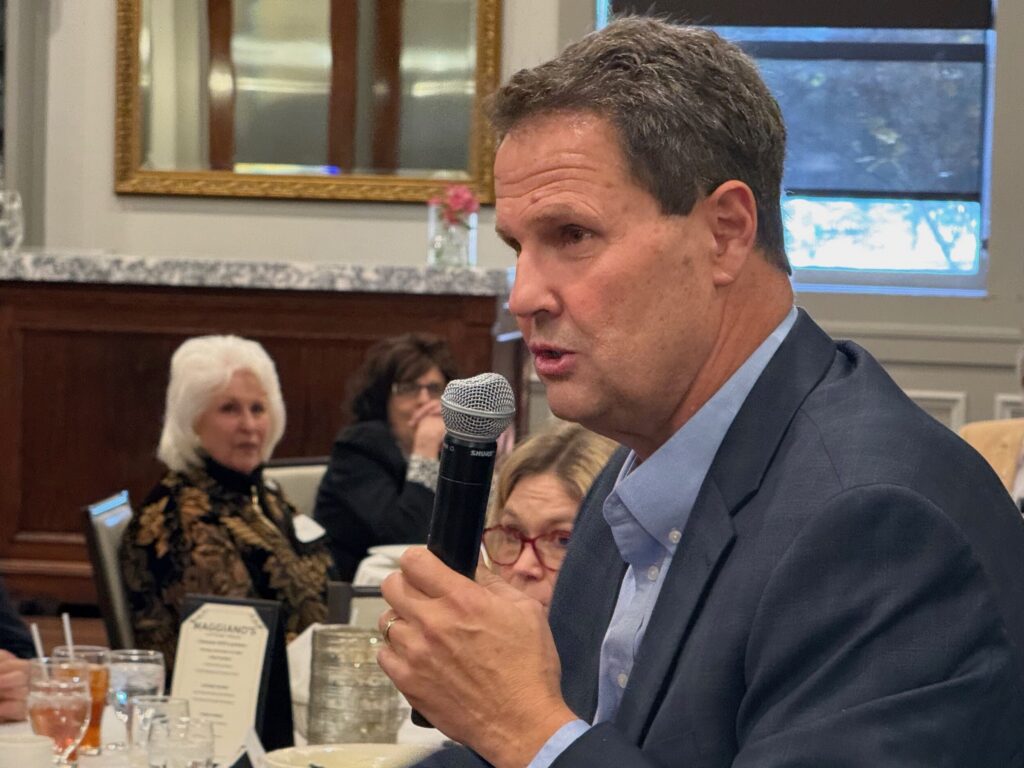
House adopts Republican U.S. Rep. Jeff Crank’s resolution condemning socialism, mostly along party lines
Ernest Luning
ernest.luning@coloradopolitics.com
Updated 17 hours ago
The U.S. House on Tuesday approved a resolution sponsored by U.S. Rep. Jeff Crank to condemn socialism in a largely party-line vote that the Colorado Republican characterized as a chance for lawmakers to “stand firm” against an ideology making inroads...
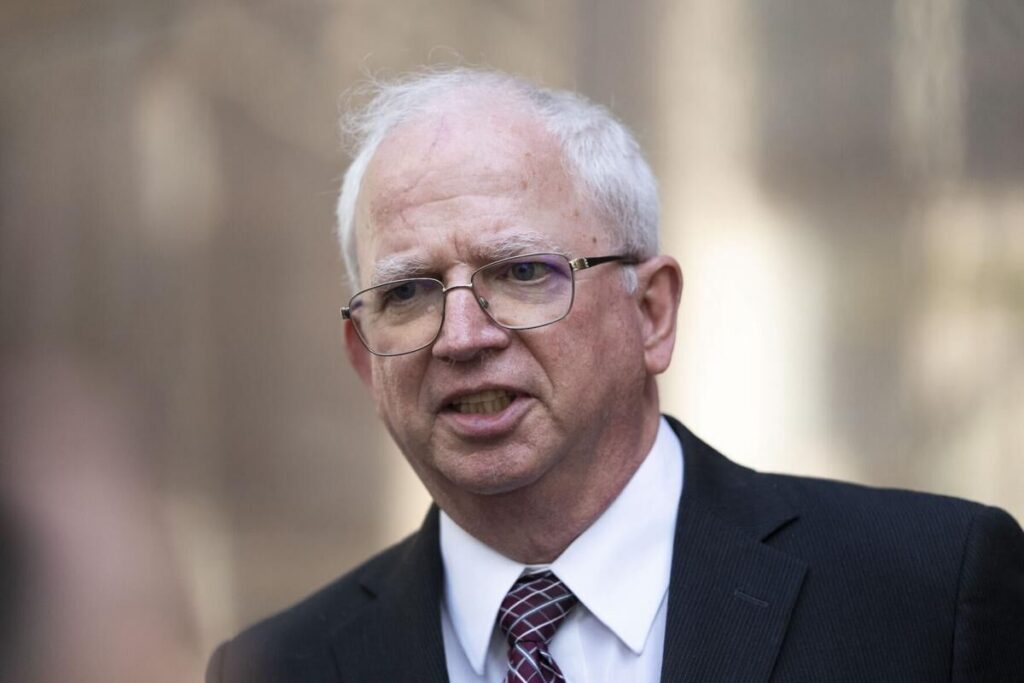
Colorado’s federal court confirms John Eastman cannot practice due to disbarment
Michael Karlik
michael.karlik@coloradopolitics.com
Updated 21 hours ago
Colorado’s federal trial court confirmed last week that attorney John C. Eastman, who devised a plan for President Donald Trump to remain in office despite losing the 2020 election, cannot practice in the state’s U.S. District Court due to his...

Capped or graduated income tax rate? Colorado voters to decide
Marianne Goodland
marianne.goodland@coloradopolitics.com
Updated 19 hours ago
The proposal to create income tax tiers — which would replace Colorado’s flat rate — has been certified for the November general election ballot, setting the stage for a major showdown between two competing forces seeking to define the parameters of...

Colorado Springs officers’ tasing, threats prompt federal judge to block use of suspect’s statements
Michael Karlik
michael.karlik@coloradopolitics.com
Updated 22 hours ago
A federal judge blocked the government last month from using some of a defendant’s statements as evidence, reasoning that the defendant made them involuntarily as Colorado Springs officers tased him five times and one officer threatened to kill him. Officers...
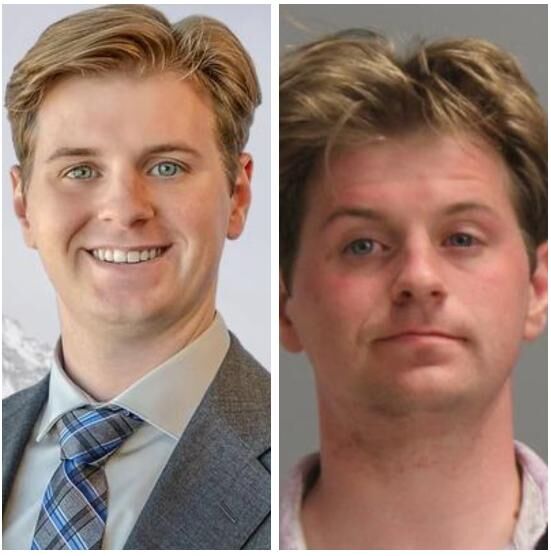
Some charges against Colorado Democrat arrested for intoxication dropped, Texas police say
Deborah Grigsby
deborah.smith@denvergazette.com
Updated 20 hours ago
The charges of resisting arrest against a Lone Tree Democrat who is running for the Colorado state House have been dropped, according to authorities from Texas. Christian Schilder, who is running to represent Colorado’s House District 39, was apprehended on...
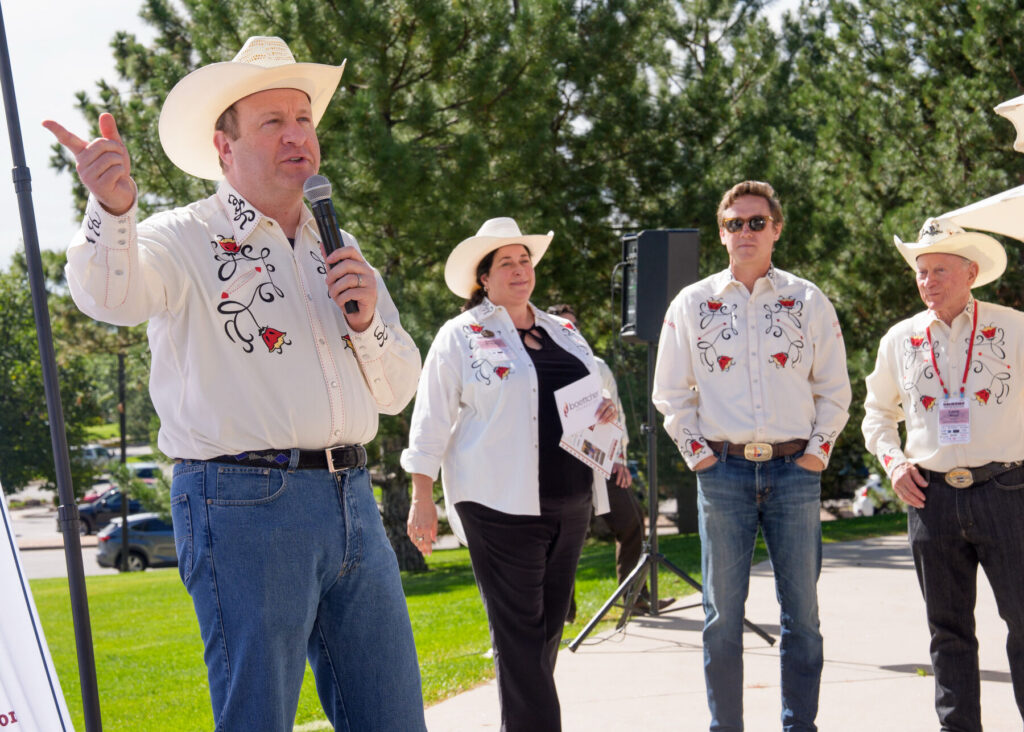
Record turnout at Denver Rustlers event as Larry Mizel selected Citizen of the West
Joanne Davidson
joanne-davidson@coloradopolitics.com
Updated 22 hours ago
The fact that a record crowd of movers, shakers and policymakers who were prepared to part with some big money at the Colorado State Fair wasn’t the only big news to report from the Denver Rustlers’ 42nd annual brunch and road trip to...