

A tattoo, the N-word, a different crime: Colorado justices hear appeal of former death row inmate
Almost 20 years after the murders of a young couple in Aurora, the Colorado Supreme Court heard the appeal of the man convicted of orchestrating the killings and who now alleges numerous errors pervaded his trial.
Arapahoe County jurors convicted Robert Keith Ray for the 2005 slayings of Javad Marshall-Fields and Vivian Wolfe. He received a death sentence and remained on death row until 2020, when the legislature abolished capital punishment and Gov. Jared Polis commuted his sentence to life imprisonment.
Although another man, Sir Mario Owens, was convicted for being the gunman, prosecutors asserted Ray arranged for the murders in order to prevent Marshall-Fields from testifying about a related shooting the summer prior in Lowry Park.
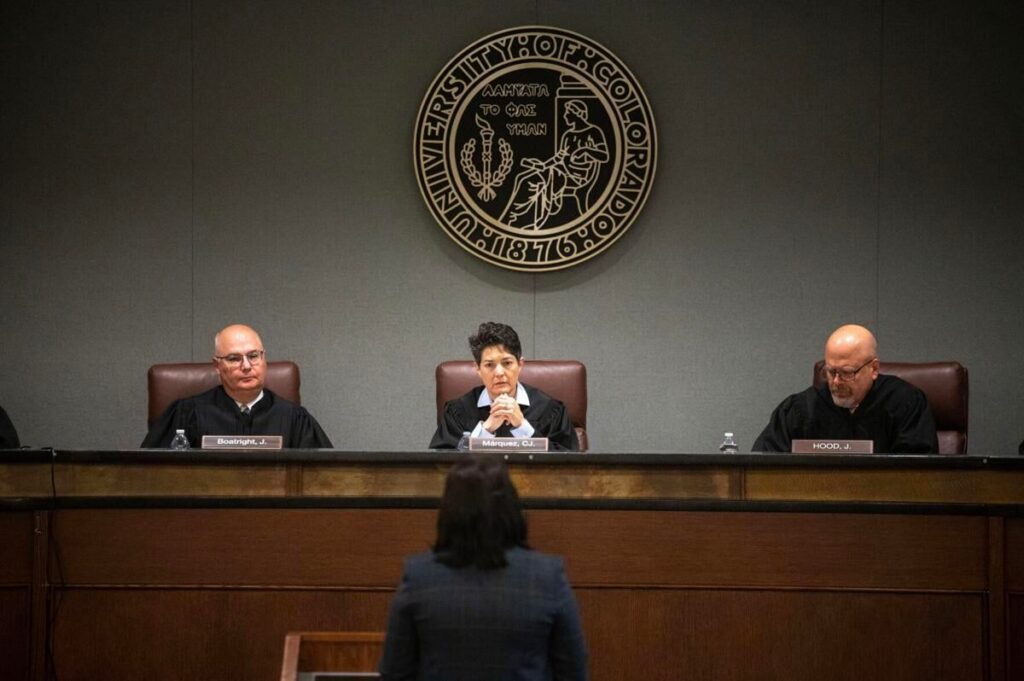
Lengthy postconviction proceedings meant the Supreme Court had its first opportunity on Wednesday to hear Ray’s claims about his 2009 trial. In an unusual two-hour oral argument, the justices hinted that several aspects of Ray’s prosecution, taken together, might have been problematic enough to warrant a new trial.
Among their concerns were the prosecution’s repeated use of the N-word in court while quoting Ray; its emphasis on Ray’s tattoo of a rap lyric, “Crime Payz in 999 Wayz”; extensive testimony about the victims; and roughly one-third of the trial being dedicated to the already adjudicated Lowry Park shooting.
“This is concerning,” said Justice Richard L. Gabriel. “It may well be you can say there’s overwhelming evidence that Mr. Ray coordinated these murders. That may be. But there was a lot of evidence that came in that I’m mystified.”
In the defense’s telling, the proof of Ray’s involvement in the murders was circumstantial and depended largely on witnesses who received tangible benefits in their own criminal cases by cooperating with law enforcement and painting Ray as the killer.
The government countered that jurors had a right to believe those witnesses, and that Ray had a motive to get rid of a witness to the Lowry Park shooting to avoid conviction and continue his lucrative drug business.
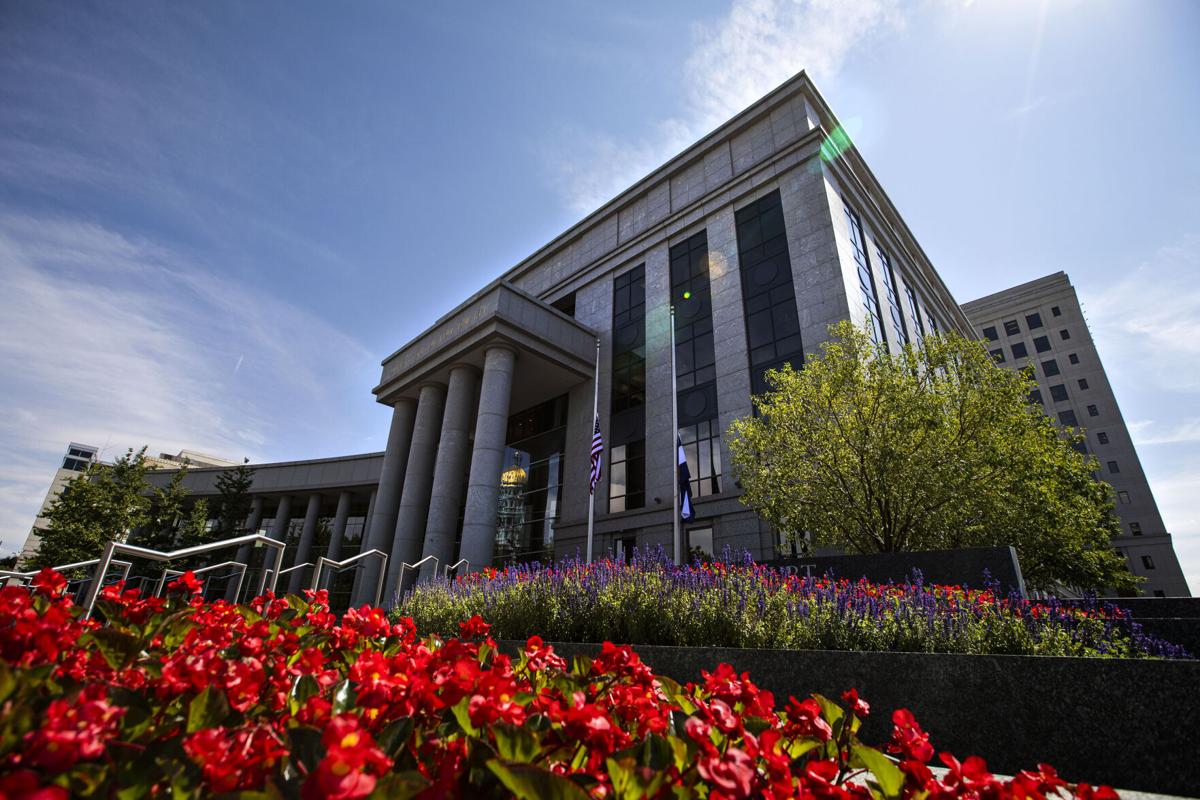
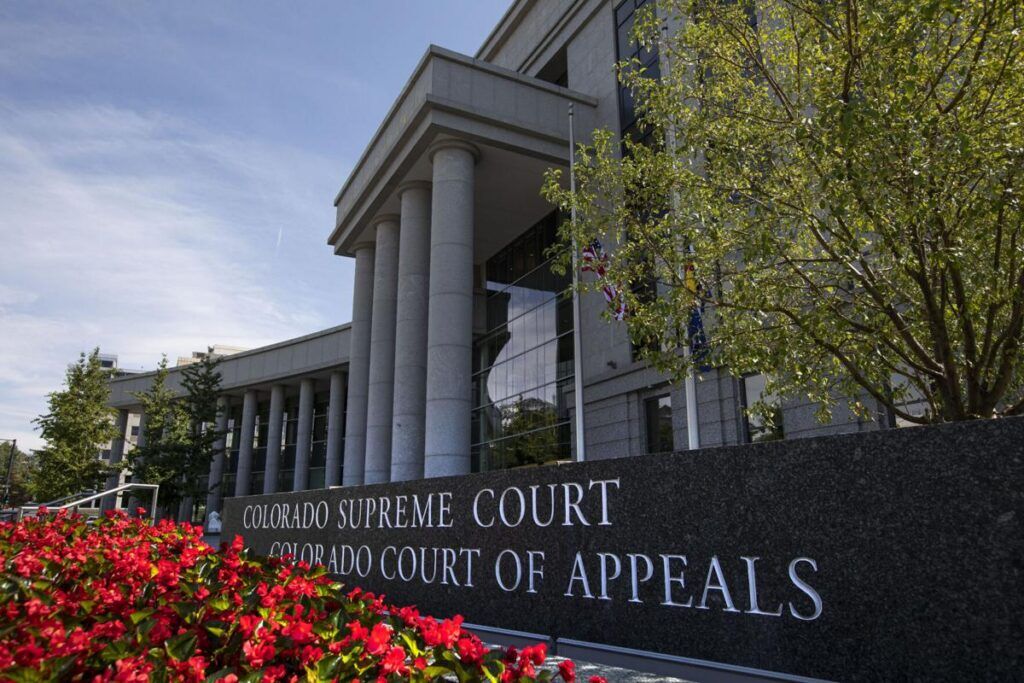
The Ralph L. Carr Colorado Judicial Center, on Tuesday, Sept. 13, 2022, in Denver, Colo. (Timothy Hurst/The Denver Gazette)
Timothy Hurst

The Ralph L. Carr Colorado Judicial Center, on Tuesday, Sept. 13, 2022, in Denver, Colo. (Timothy Hurst/The Denver Gazette)
Last year, the Supreme Court decided Owens’ appeal and upheld his convictions for killing Wolfe and Marshall-Fields, who was the son of Arapahoe County commissioner and former state legislator Rhonda Fields. Considering Ray’s appeal, however, several of the justices seemed alarmed by decisions the prosecutors and trial judge made that were unique to his prosecution.
The defense argued the district attorney’s office tried to paint Ray as a “young, Black, drug-dealing thug,” noting the White prosecutors had said the N-word 24 times during trial while quoting Ray, who is Black.
“Why was that necessary?” Chief Justice Monica M. Márquez asked the government. “The repeated use of those words and those kinds of phrases …. it does seem to play into that picture, does it not?”
“This is an awful word. It should never be used. But it came out of defendant’s mouth,” responded Senior Assistant Attorney General Carmen Moraleda.
“I think it’s more subtle. … There is a picture that’s getting drawn here,” interjected Gabriel. “It does paint a picture of, this is a drug-dealing, low-life thug against the clean-cut, college-educated victims. That makes the N-word problematic.”
Justice William W. Hood III added that other evidence tended to feed into the jury’s perception of Ray as a bad person.
“Maybe the word ‘thug’ wasn’t used, but when you have the tattoo evidence coupled with some other things, you know, you might as well take out a billboard that says ‘thug,’ right?” he said. “Why did they put on the tattoo evidence?”
“Because it was probative, your honor,” said Moraleda.
“Was it?” pressed Hood.
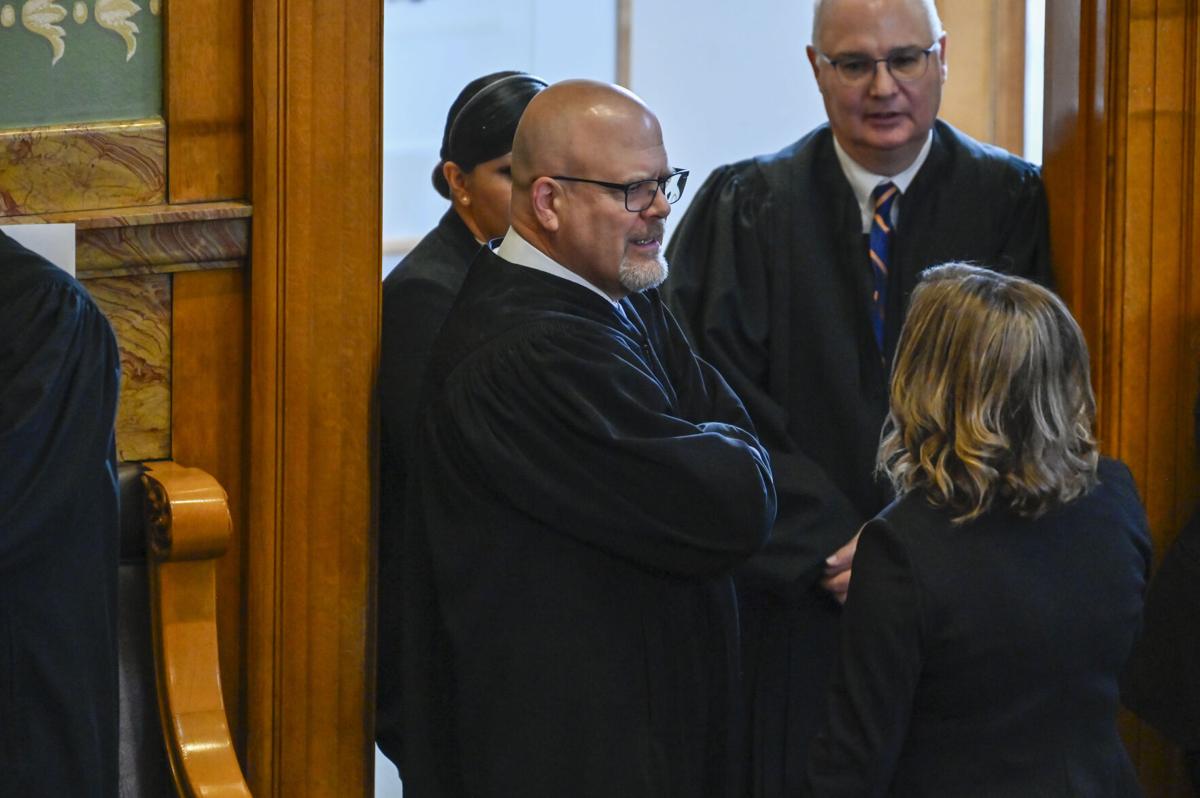
Justice William W. Hood III speaks to another attendee of Gov. Jared Polis' 2025 State of the State address on Thursday January 9, 2025 at the Colorado State Capitol. Special to Colorado Politics/John Leyba
John Leyba

Justice William W. Hood III speaks to another attendee of Gov. Jared Polis’ 2025 State of the State address on Thursday January 9, 2025 at the Colorado State Capitol. Special to Colorado Politics/John Leyba
He also was curious about the amount of evidence jurors heard before deciding Ray’s guilt that portrayed the victims’ lives as being “rich and abundant with promise.”
“The prosecution’s typically given a chance to humanize the victims to some extent,” said Hood, a former trial judge and prosecutor. “This seems to go well beyond that.”
Members of the court questioned the defense about how the trial judge evaluated evidence, whether Ray’s attorneys had objected at the time and whether some of the allegedly improper evidence was relevant after all. Some justices seemed inclined to think that the cumulative effect of Ray’s alleged errors, rather than any single instance, could determine whether he receives a new trial.
To that end, Justice Melissa Hart expressed curiosity about the logistics of a redo.
“As a practical matter,” she said, “what does a new trial look like 20 years on?”
“The issue before the court is whether Mr. Ray’s constitutional rights were violated,” responded his attorney, Gail K. Johnson. “There’s certainly no evidence before the court that a retrial would be impractical.”
Justice Carlos A. Samour Jr. is not participating in the appeal. As a former Arapahoe County trial judge, he briefly handled Ray’s case following the convictions.
The case is People v. Ray.

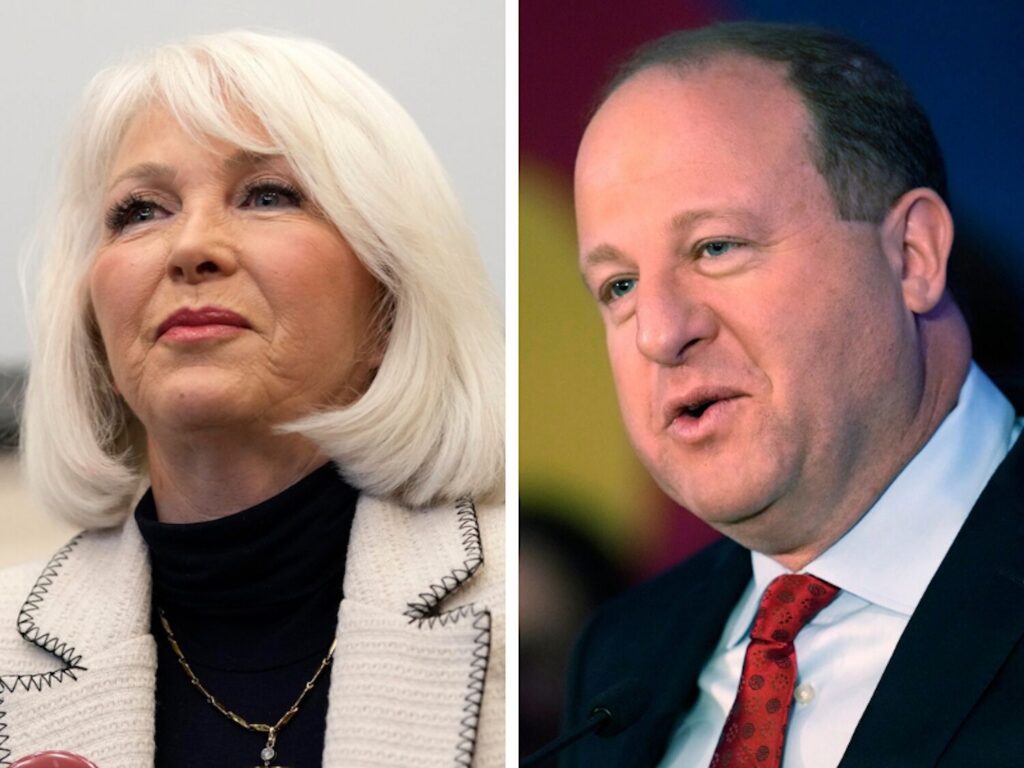
Tina Peters thanks Polis for shortening her sentence, calls Colorado Democrats’ censure a ‘travesty’
Ernest Luning
ernest.luning@coloradopolitics.com
Updated 8 hours ago
Two days after the Colorado Democratic Party formally condemned Gov. Jared Polis over his decision last week to shorten Tina Peters’ prison sentence for tampering with election equipment, Peters heaped praise on the term-limited Democrat and slammed his party for...
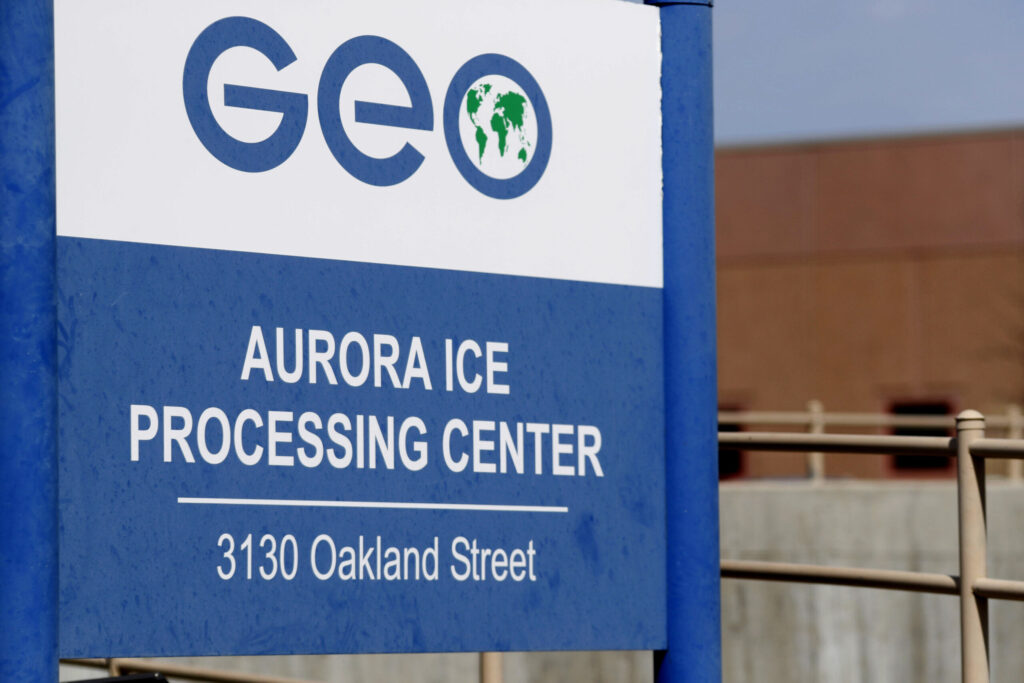
Federal judge green-lights jury visit to Aurora detention center in forced-labor lawsuit
Michael Karlik
michael.karlik@coloradopolitics.com
Updated 9 hours ago
A federal judge granted a request on Thursday to have jurors visit the privately run U.S. Immigration and Customs Enforcement detention center in Aurora as part of an upcoming civil trial over alleged forced labor practices. U.S. District Court Senior...
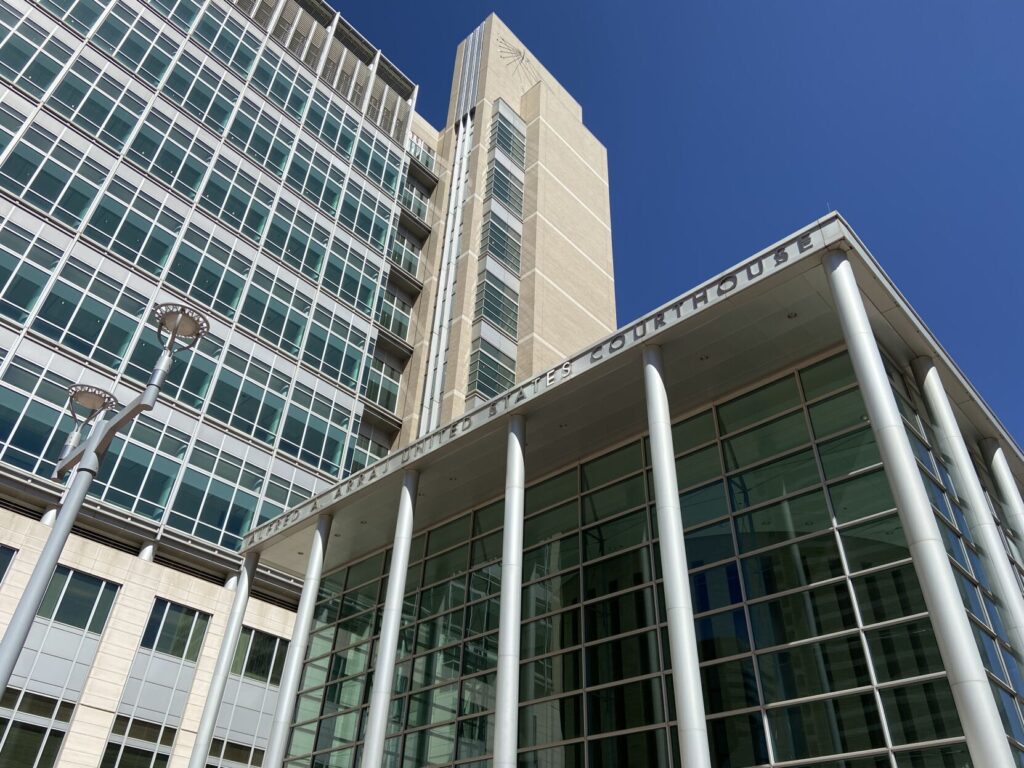
Federal judges’ responses vary to immigration authorities’ disregard of orders
Michael Karlik
michael.karlik@coloradopolitics.com
Updated 6 hours ago
Colorado’s U.S. District Court judges have responded in recent days to the government’s violations of, or unclear compliance with, their orders in immigration detention cases, resulting in directives to immediately free the petitioners. “I’m just struggling to understand how he...
Colorado Supreme Court ditches debt collection case
Michael Karlik
michael.karlik@coloradopolitics.com
Updated 11 hours ago
The Colorado Supreme Court declined to rule on Friday in a case questioning the procedure a creditor may use to obtain records from entities related to a debtor, in which the court initially expressed its interest. Joel Farkas is liable...
Colorado Supreme Court to evaluate test for alimony after remarriage
Michael Karlik
michael.karlik@coloradopolitics.com
Updated 7 hours ago
The Colorado Supreme Court announced on Monday that it will evaluate whether divorcing spouses must explicitly agree that alimony payments from one partner to the other will continue after one person remarries, or whether a “clear implication” will suffice. The...
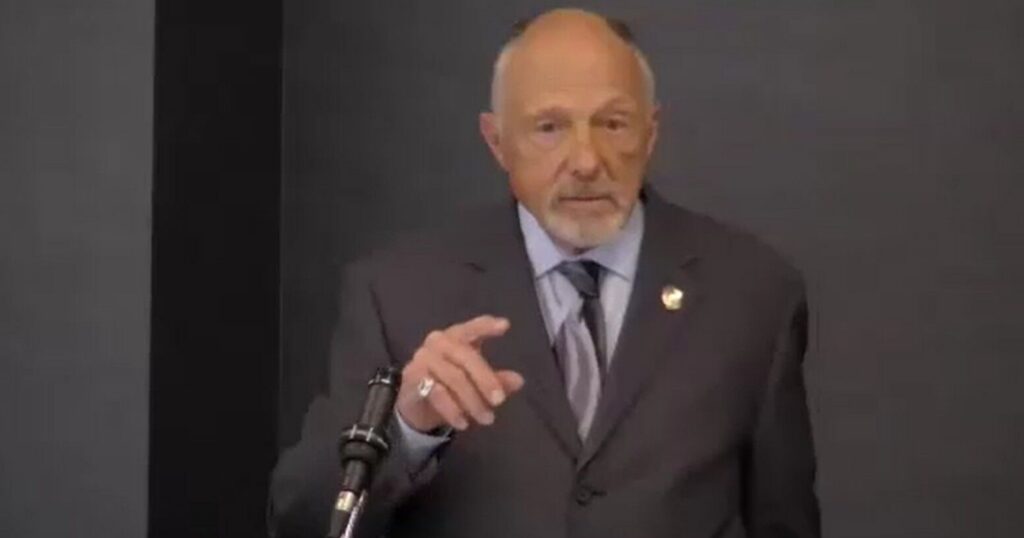
Retired Colorado appeals judge speaks about civic advocacy, SCOTUS
Michael Karlik
michael.karlik@coloradopolitics.com
Updated 18 hours ago
Retired state Court of Appeals Judge Russell Carparelli offered mild critiques of the U.S. Supreme Court earlier this month as he spoke about the rule of law, and urged lawyers to “get in the game” by advocating in the political...
Appeals court reinstates murder case despite ex-DA Linda Stanley’s conduct
Michael Karlik
michael.karlik@coloradopolitics.com
Updated 1 day ago
Colorado’s second-highest court reinstated the murder and child abuse charges on Thursday against a Fremont County defendant, reasoning that the former district attorney’s misconduct did not warrant dismissal of the charges. A judge previously dismissed the criminal case against defendant...
Aggravated robbery charge reinstated after El Paso County judge misunderstood requirements
Michael Karlik
michael.karlik@coloradopolitics.com
Updated 1 day ago
Colorado’s second-highest court reinstated an El Paso County defendant’s aggravated robbery charge on Thursday after concluding that a trial judge misunderstood the requirement for a person to be “then and there so armed.” Allegedly, Mark Alan Ambrose walked out of...
Colorado legislature overrules 2 state Supreme Court decisions about child neglect, visitation
Michael Karlik
michael.karlik@coloradopolitics.com
Updated 2 days ago
Colorado lawmakers have overruled a recent pair of state Supreme Court decisions, adopting the dissenting justices’ points of view in cases involving grandparent visitation rights and the ability of children to oppose a county’s decision to withdraw a neglect case....
Colorado federal judge speaks about judicial innovation, leadership
Michael Karlik
michael.karlik@coloradopolitics.com
Updated 2 days ago
U.S. Magistrate Judge Maritza Dominguez Braswell spoke on a virtual panel of judges last week about innovation and leadership in the judiciary, touching on her experiences before and during her time on the bench. “When I was at the (attorney...