

Colorado Supreme Court rules technical oversight does not imperil Denver murder conviction
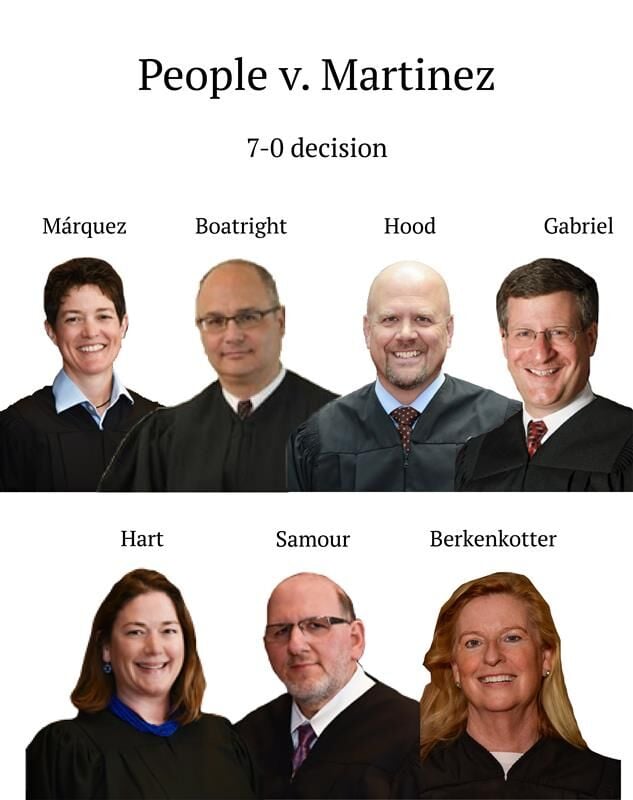
The Colorado Supreme Court decided on Monday that no specific procedure is required to designate a witness as an expert at trial, and the fact that a trial judge neglected to do so in front of the jury did not warrant reversal of a man’s murder conviction.
Denver jurors convicted Pete Paul Martinez of stabbing 77-year-old Lewis Easterday to death near Cheesman Park in 2016. Martinez admitted to the crime, but asserted he was not guilty by reason of insanity, insisting god had guided his actions. A court-appointed psychologist evaluated Martinez and found him sane.
But the Court of Appeals ordered a new trial for Martinez because of an apparent oversight by the trial judge and the parties. In contrast to the typical practice in Colorado — and in contrast to how the other expert witnesses in Martinez’s case were handled — the prosecution did not offer the psychologist as an expert, nor did the judge accept him as such in front of the jury.
The Supreme Court disagreed that the rules of evidence or its prior precedent required a specific sequence of events to make the testimony valid. Justice Richard L. Gabriel, in the court’s Nov. 4 opinion, noted everyone in Martinez’s case had proceeded with the understanding that the witness was an expert.
“In so concluding, we hasten to add that a formal offer and acceptance of an expert are not prohibited, either. Indeed, it is often good practice for a party to tender an expert in a particular field and for the trial court to make findings, whether before or during trial, as to that expert’s qualifications and the proper scope of the expert’s testimony,” Gabriel wrote.
Yet, “(w)e perceive no reason to dictate a procedure that trial judges and lawyers must follow in all circumstances.”

In convicting Martinez, jurors signaled they believed psychologist Charles Harrison’s testimony that Martinez was sane at the time he killed Easterday. Under the rules of evidence, a witness who is “qualified as an expert” may offer their opinions, with trial judges acting as gatekeepers for reliability. But there is no rule requiring the specific act of offering a witness as an expert and the judge accepting them as such in front of the jury.
By 2-1, a Court of Appeals panel believed District Court Judge A. Bruce Jones’ failure to do so was worthy of reversal, given how important Harrison’s opinions were to the case.
“Dr. Harrison’s testimony was inadmissible because it was expert evidence and the trial court did not determine that he was an expert witness qualified to give expert testimony and did not make specific findings supporting such a determination,” wrote Judge Anthony J. Navarro for himself and Judge Timothy J. Schutz.
Judge Ted C. Tow III dissented, noting the parties had treated Harrison as an expert all along — and even called him an “expert” when speaking during trial. Tow added that he believed the defense’s failure to object was purposeful, meaning Martinez had given up his right to challenge the alleged error on appeal.
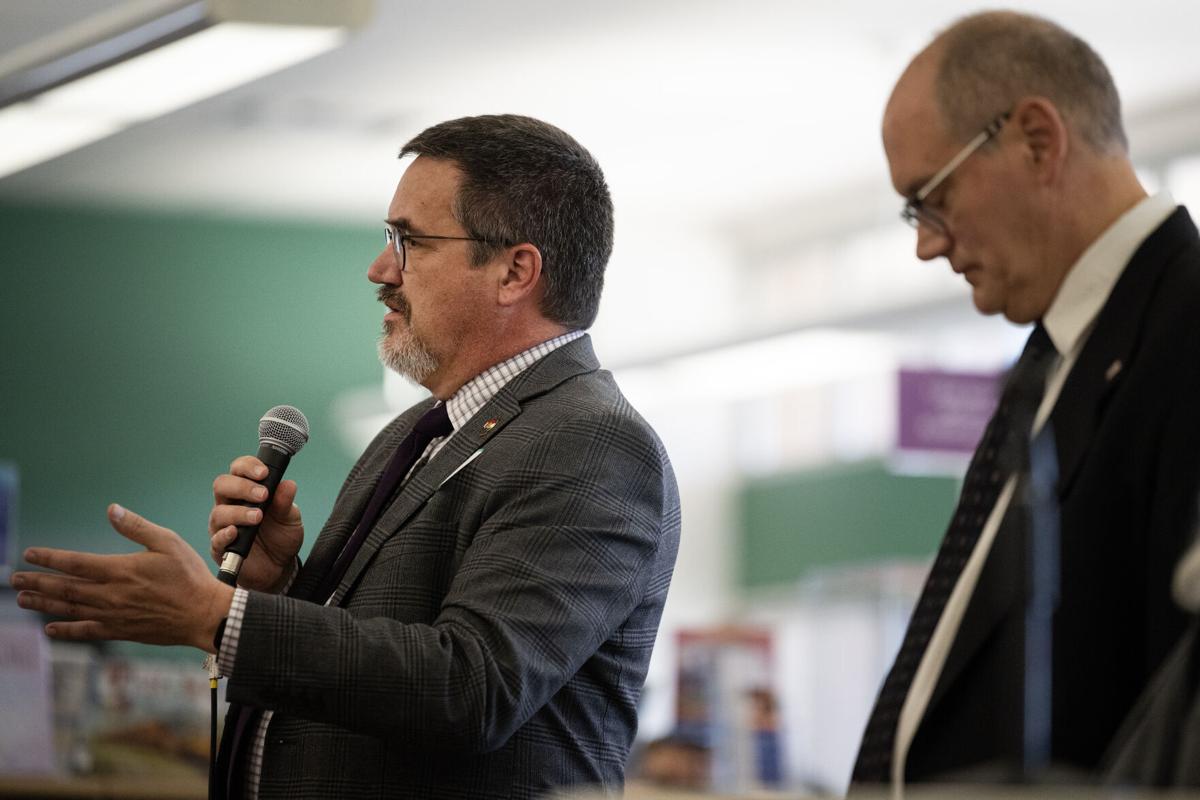
Colorado Court of Appeals Judge Ted C. Tow III answers student questions in a Q&A after hearing two Colorado Court of Appeals cases being held in the library of Conifer Senior High School as part of the Courts in the Community educational outreach program on Tuesday, May 16, 2023, in Conifer, Colo. (Timothy Hurst/Denver Gazette)
Timothy Hurst/Denver Gazette

Colorado Court of Appeals Judge Ted C. Tow III answers student questions in a Q&A after hearing two Colorado Court of Appeals cases being held in the library of Conifer Senior High School as part of the Courts in the Community educational outreach program on Tuesday, May 16, 2023, in Conifer, Colo. (Timothy Hurst/Denver Gazette)
At the Supreme Court, the prosecution noted Martinez’s case was an outlier, as parties typically follow the formal protocol.
“Assuming there is an error, it’s a procedural step,” said Senior Assistant Attorney General William G. Kozeliski during oral arguments. “It’s not that the testimony is inadmissible. It’s that you didn’t do this extra step.”
Justice Carlos A. Samour Jr., a former trial judge, explained there was a reason for parties to formally offer witnesses as experts.
“That’s because the prosecutor is presenting the testimony. I get that the court appointed the witness. But it’s the prosecutor calling the witness. It’s the prosecutor asking the jury to believe that testimony,” he said.
Although Martinez’s lawyer agreed the usual practice for qualifying experts is essential to informing jurors about how to use opinion testimony, Justice Brian D. Boatright wondered why reversing Martinez’s murder conviction was appropriate.
“If we affirm the Court of Appeals and it goes back for a new trial, other than the ‘Your honor, I offer Dr. Harrison as an expert in forensic psychology’ and the court says, ‘So admitted,’ what will be different?” he asked.
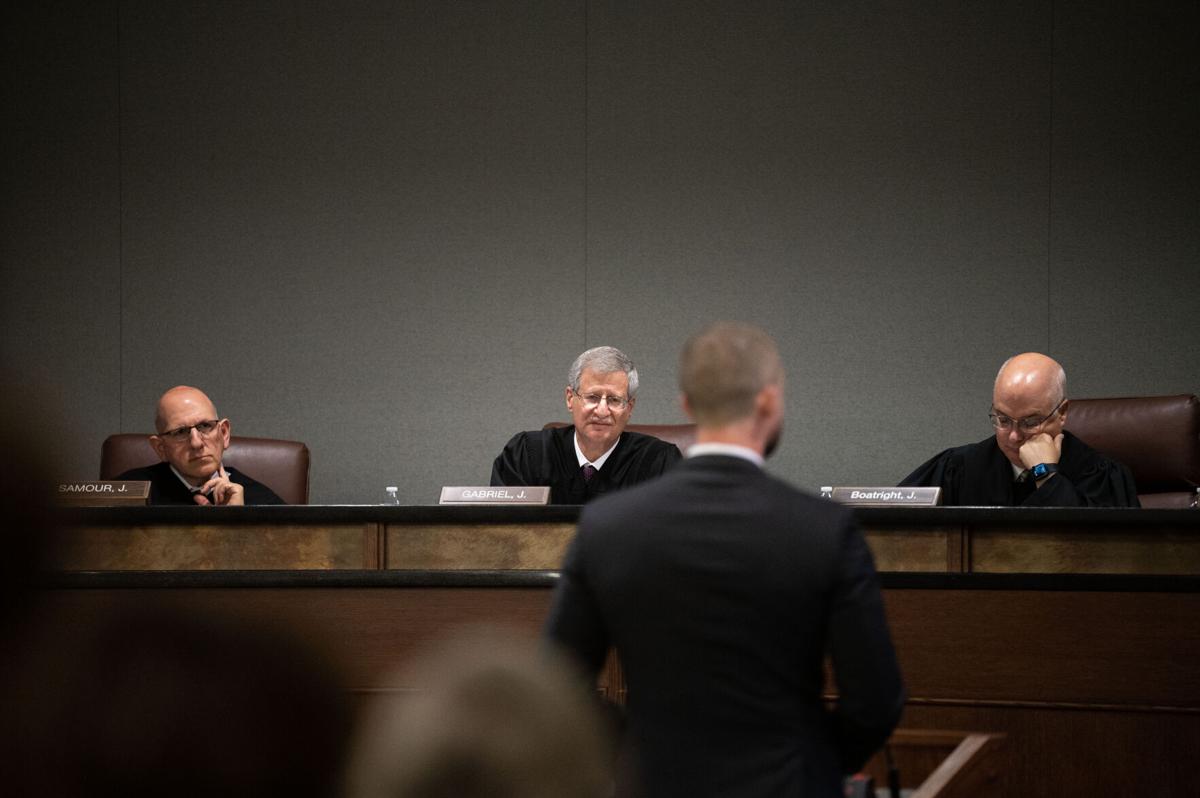
Colorado Supreme Court Justices (from left) Carlos A. Samour Jr., Richard L. Gabriel and Brian D. Boatright listen to arguments from Jake Davis, an attorney in the Nonhuman Rights Project v. Cheyenne Mountain Zoological Society case, as part of Courts in the Community at the Wolf Law building at University of Colorado Boulder on Thursday, Oct. 24, 2024. The semi-annual event entails the Colorado Supreme Court hearing arguments before an audience of students throughout the state. (Stephen Swofford, Denver Gazette)
Stephen Swofford Denver Gazette

Colorado Supreme Court Justices (from left) Carlos A. Samour Jr., Richard L. Gabriel and Brian D. Boatright listen to arguments from Jake Davis, an attorney in the Nonhuman Rights Project v. Cheyenne Mountain Zoological Society case, as part of Courts in the Community at the Wolf Law building at University of Colorado Boulder on Thursday, Oct. 24, 2024. The semi-annual event entails the Colorado Supreme Court hearing arguments before an audience of students throughout the state. (Stephen Swofford, Denver Gazette)
Gabriel, in the Supreme Court’s opinion, noted that unlike other cases questioning the scope of an expert’s testimony, Harrison’s statements did not change because the parties neglected to have him designated as an expert in front of the jury. According to the rules of evidence, he reasoned, a witness is qualified as an expert because of their knowledge or skills, not because of a trial judge’s actions.
“In reaching our conclusion in this case, we recognize that for many trial judges and lawyers, the practice of having a party formally tender and the court formally accept an expert has become routine, and we do not intend to suggest that this procedure is categorically improper,” Gabriel wrote.
He added that parties are still required to lay the foundation for an expert’s testimony and judges must appropriately screen it for reliability.
The Supreme Court returned Martinez’s case to the Court of Appeals to consider his other claims.
The case is People v. Martinez.


10th Circuit weighs Gross Reservoir expansion, judge’s ‘punishment’ of Denver Water
Michael Karlik
michael.karlik@coloradopolitics.com
Updated 7 hours ago
Members of the Denver-based federal appeals court considered on Friday whether they could intervene in an ongoing infrastructure project to enlarge a Boulder County dam after a trial judge deemed the underlying permit unlawful nearly two years ago. Denver Water...

10th Circuit upholds federal prohibition on juvenile handgun possession
Michael Karlik
michael.karlik@coloradopolitics.com
Updated 12 hours ago
The Denver-based federal appeals court concluded on Monday that Congress acted within its constitutional powers to make it a crime for juveniles to possess handguns in most instances. The decision from the U.S. Court of Appeals for the 10th Circuit...

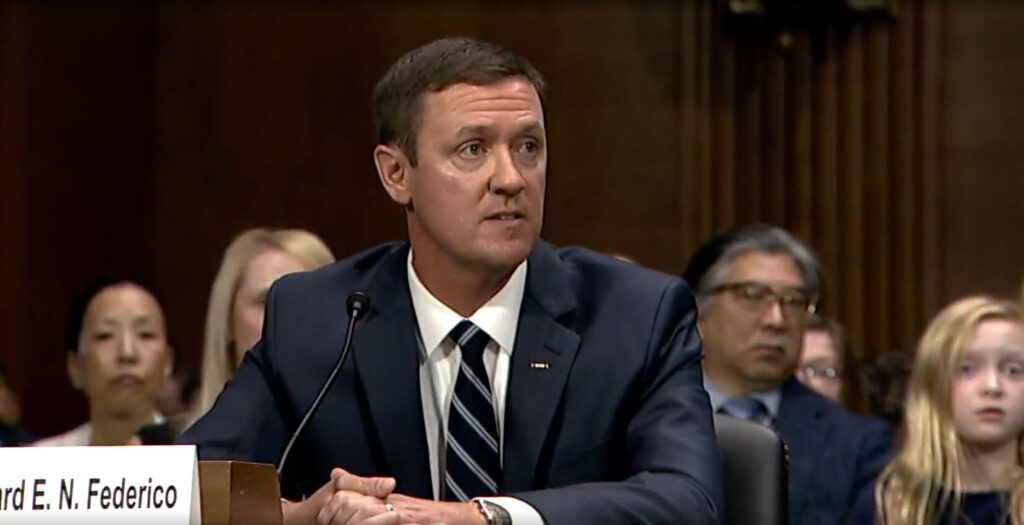
Senate advances judicial nominee, Montezuma County judge agrees to discipline | COURT CRAWL
Michael Karlik
michael.karlik@coloradopolitics.com
Updated 15 hours ago
Welcome to Court Crawl, Colorado Politics’ roundup of news from the third branch of government. A U.S. Senate committee advanced a judicial nominee from Colorado, plus a Montezuma County judge agreed to receive discipline for his misconduct that stops short...
Judge denies Calderon injunction case against Denver, Johnston
Deborah Grigsby
deborah.smith@denvergazette.com
Updated 18 hours ago
A U.S. District Court judge has denied a preliminary injunction in the case of Jessica Calderon, the Denver city employee who won a temporary restraining order preventing the City and County of Denver from terminating her amid the 2025 citywide...
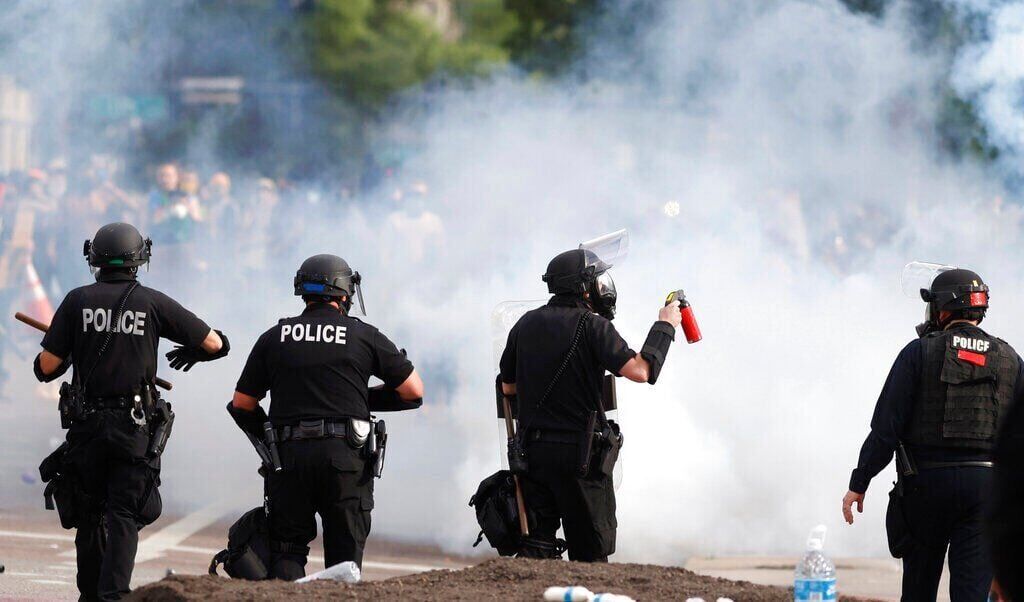
10th Circuit partially revives lawsuit over 2020 Denver protest injuries
Michael Karlik
michael.karlik@coloradopolitics.com
Updated 2 days ago
The Colorado-based federal appeals court revived a man’s claims against Denver on Friday after concluding a trial judge resolved the case in the city’s favor without analyzing two of the three instances of alleged excessive force and other constitutional violations....
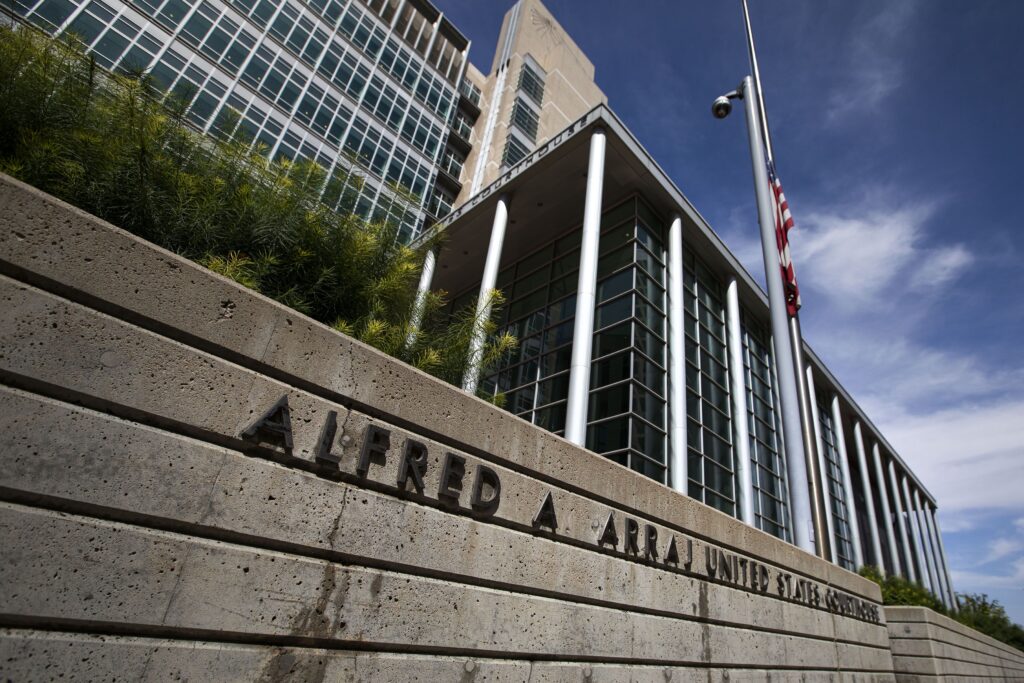
Federal judges find Colorado immigration judge violated several orders
Michael Karlik
michael.karlik@coloradopolitics.com
Updated 2 days ago
Multiple federal judges in Colorado have freed people from immigration custody after determining that one immigration judge violated their directives for properly conducting bond hearings. For nearly a year, Colorado’s U.S. District Court has faced a flood of habeas corpus petitions...

Misconduct complaints from ex-Colorado judicial discipline director dismissed against federal judges
Michael Karlik
michael.karlik@coloradopolitics.com
Updated 4 days ago
The administrative body for the Denver-based federal appeals court upheld a finding last week that misconduct complaints against Colorado’s chief federal trial judge and the chief appeals judge warranted dismissal and appeared to be a “litigation tactic” by the complaining...

First-ever Red Rocks naturalization ceremony draws most diverse group of new citizens
Michael Karlik
michael.karlik@coloradopolitics.com
Updated 2 days ago
Colorado’s federal trial court held its first-ever naturalization ceremony for nearly 300 new citizens on Thursday at Red Rocks Park and Amphitheatre. “We’re doing it to commemorate the 250th anniversary of the Declaration of Independence and the United States. Red...
Jeffco taxpayers could be on the hook for a possible child sex assault settlement
Matt Kyle
matt.kyle@denvergazette.com
Updated 4 days ago
Taxpayers may end up on the hook for a child sexual assault settlement, possibly worth up to $15 million, after Jeffco Public Schools failed to notify its insurance company in a timely manner about the case. The incident stems from...
10th Circuit finds no fair housing violation by Littleton landlord for worker’s alleged rape of tenant
Michael Karlik
michael.karlik@coloradopolitics.com
Updated 16 hours ago
The Denver-based federal appeals court concluded on Monday that Littleton’s housing authority could not be held liable for a maintenance worker’s alleged rape of a tenant, as the worker’s employment did not provide any special access to the victim. A...