

Prosecutor requests new DNA testing in Colorado murder case tied to CBI scandal
The Boulder County district attorney has asked for new DNA testing in the murder case of a defendant who was convicted largely on the strength of the analysis done by now disgraced Colorado Bureau of Investigation forensic scientist Yvonne Woods, who goes by Missy.
In a court filing Nov. 1, Michael Dougherty said the additional testing should be completed by early January 2025.
He said both he and defense attorney Adam Frank agreed the results of that retesting will give them “a better understanding on how the case will proceed.”
Frank said on Monday CBI has collected the evidence to determine what, if any, retesting can be done.
Michael Clark, now 49, was convicted in 2012 of the 1994 murder of Marty Grisham in Boulder and is serving life without parole. Frank has asked that his client’s conviction be overturned.
Boulder County District Judge Andrew Hartman on Monday called for an evidentiary hearing in early January, which presumably will center on DNA testing. A specific date was not set.
At issue is the 2011 DNA analysis by veteran CBI forensic expert Woods for the Clark case. Back then Boulder police asked her to test a small jar of Carmex lip balm found outside Grisham’s apartment the morning after the murder.
For 30 years Clark has professed his innocence.
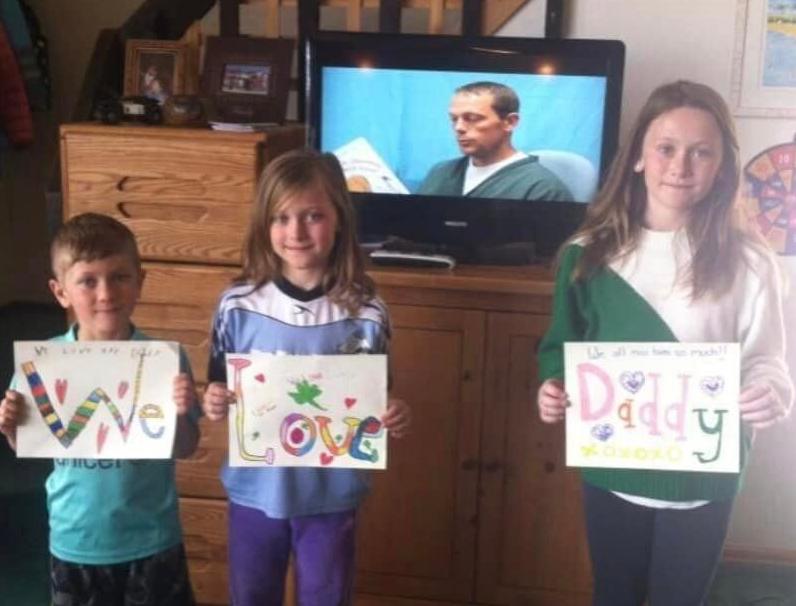
In 2015, Michael Clark's children, Kiernan (left), Kylie and Mikaela, displayed a message to their father in prison after watching a video of him reading to them.
Provided by the family of Michael Clark

In 2015, Michael Clark’s children, Kiernan (left), Kylie and Mikaela, displayed a message to their father in prison after watching a video of him reading to them.
Boulder police, though, long considered him a prime suspect but could not make an arrest based on circumstantial evidence and the case went cold. That changed in 2011 when Woods became involved.
She concluded that Clark’s DNA matched the partial profile she had developed from inside the Carmex container which pointed to him being at the scene. She testified at his trial that the “major component” of the profile inside the Carmex jar matched the Y chromosomal DNA from Clark.
He was convicted and has been in prison for 12 years.
But last year CBI admitted the agency had discovered that for years Woods intentionally deleted data, tampered with or skipped steps in testing, misreported findings and covered her tracks to avoid detection. So far CBI has found irregularities in 809 cases Woods worked on dating back to 1994.
The investigation is continuing but has sent shock waves through Colorado’s criminal justice system as an unknown number of convictions in cases she worked on could now be in limbo.
Frank, who entered the case in 2018, said his client’s case could be the first where a conviction is overturned due to Woods’ deceptions.
On Oct. 31, The Denver Gazette reported on the Clark case and its intersection with the CBI scandal.
As far back as 2019, Frank argued that Clark’s original public defender was ineffective at trial because she did not call an independent DNA expert to counter Woods’ conclusions. As part of an appeals motion, Frank attached a letter from Phillip Danielson, a professor of forensic genetics and leading DNA expert, who said Woods’ analysis and testimony at trial were oversimplified, incomplete and misleading.
Danielson said Woods’ findings should have concluded that the DNA evidence found inside the Carmex jar was inconclusive at best if not clearing Clark completely.
Frank also included a public investigator’s affidavit that there was juror misconduct at the trial. One juror admitted going to the murder scene during the trial to look around, and another said the Carmex evidence was a topic of frequent discussion among jurors before deliberations. Throughout the trial the judge admonished the jury not to go to the scene, do independent research, or discuss evidence before deliberations. The infractions were never reported at the time.
Frank asked for an evidentiary hearing as part of his motion in 2019, but District Judge Hartman denied the request. In December 2023, the Colorado Court of Appeals overturned Hartman and ordered the hearing.
He had originally asked for the hearing to be next month but said his client has waited 12 years and can wait a bit longer.

Parole, appeals deadlines and restitution: Colorado justices accept cases
Michael Karlik
michael.karlik@coloradopolitics.com
Updated 14 hours ago
The Colorado Supreme Court announced on Monday that it will determine how a defendant’s parole-eligibility date should be calculated in instances where a new trial results in a sentence being imposed retroactively to the date of the original, since-overturned sentence....
Federal judge rejects DOJ bid to force Colorado to hand over voter information
Marissa Ventrelli
marissa.ventrelli@coloradopolitics.com
Updated 18 hours ago
A U.S. district court judge has dismissed a lawsuit filed by the U.S. Department of Justice against Colorado Secretary of State Jena Griswold for refusing to provide the agency with personal voter information. Last December, the DOJ’s Civil Rights Division asked...
3 Colorado judges receive unfavorable retention recommendation as one performance commission violates rules
Michael Karlik
michael.karlik@coloradopolitics.com
Updated 22 hours ago
Of the 123 Colorado judges standing for retention on the November ballot, citizen-led performance commissions found that three did not meet the required performance standards. However, in an unprecedented move, the commission charged with evaluating Supreme Court and Court of...

10th Circuit weighs Gross Reservoir expansion, judge’s ‘punishment’ of Denver Water
Michael Karlik
michael.karlik@coloradopolitics.com
Updated 2 days ago
Members of the Denver-based federal appeals court considered on Friday whether they could intervene in an ongoing infrastructure project to enlarge a Boulder County dam after a trial judge deemed the underlying permit unlawful nearly two years ago. Denver Water...
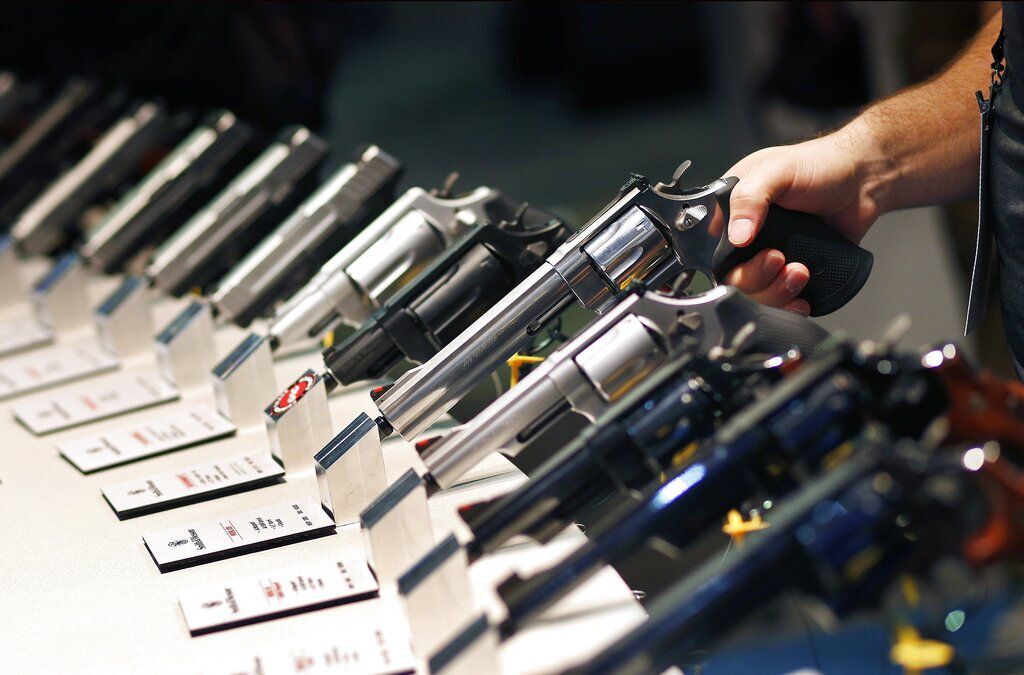
10th Circuit upholds federal prohibition on juvenile handgun possession
Michael Karlik
michael.karlik@coloradopolitics.com
Updated 16 hours ago
The Denver-based federal appeals court concluded on Monday that Congress acted within its constitutional powers to make it a crime for juveniles to possess handguns in most instances. The decision from the U.S. Court of Appeals for the 10th Circuit...

Senate advances judicial nominee, Montezuma County judge agrees to discipline | COURT CRAWL
Michael Karlik
michael.karlik@coloradopolitics.com
Updated 2 days ago
Welcome to Court Crawl, Colorado Politics’ roundup of news from the third branch of government. A U.S. Senate committee advanced a judicial nominee from Colorado, plus a Montezuma County judge agreed to receive discipline for his misconduct that stops short...
Judge denies Calderon injunction case against Denver, Johnston
Deborah Grigsby
deborah.smith@denvergazette.com
Updated 2 days ago
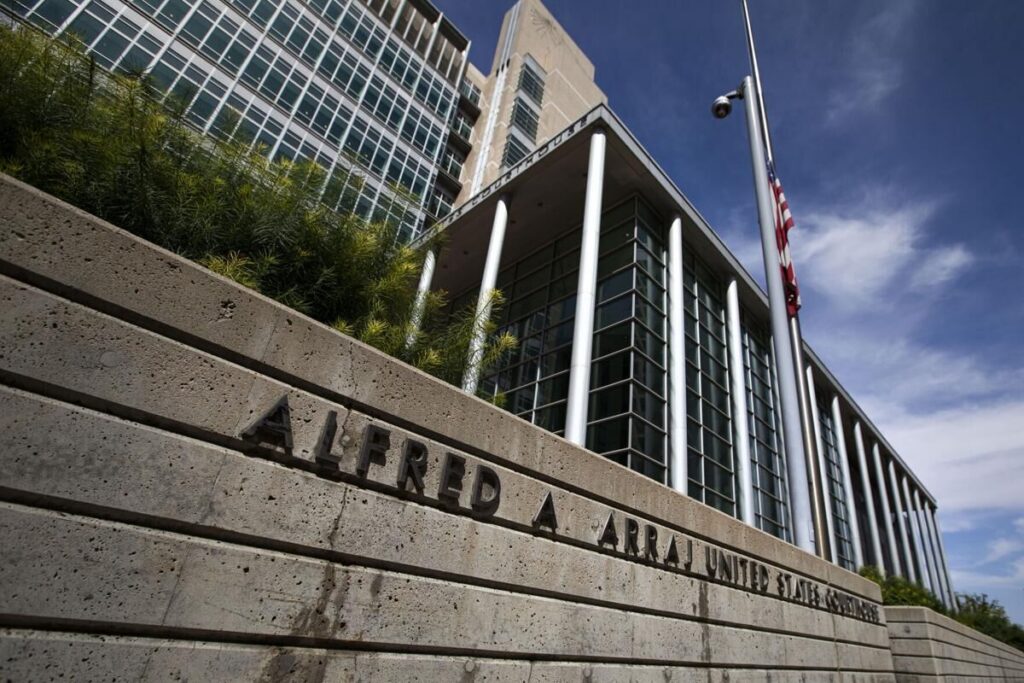
A U.S. District Court judge has denied a preliminary injunction in the case of Jessica Calderon, the Denver city employee who won a temporary restraining order preventing the City and County of Denver from terminating her amid the 2025 citywide...
10th Circuit partially revives lawsuit over 2020 Denver protest injuries
Michael Karlik
michael.karlik@coloradopolitics.com
Updated 3 days ago
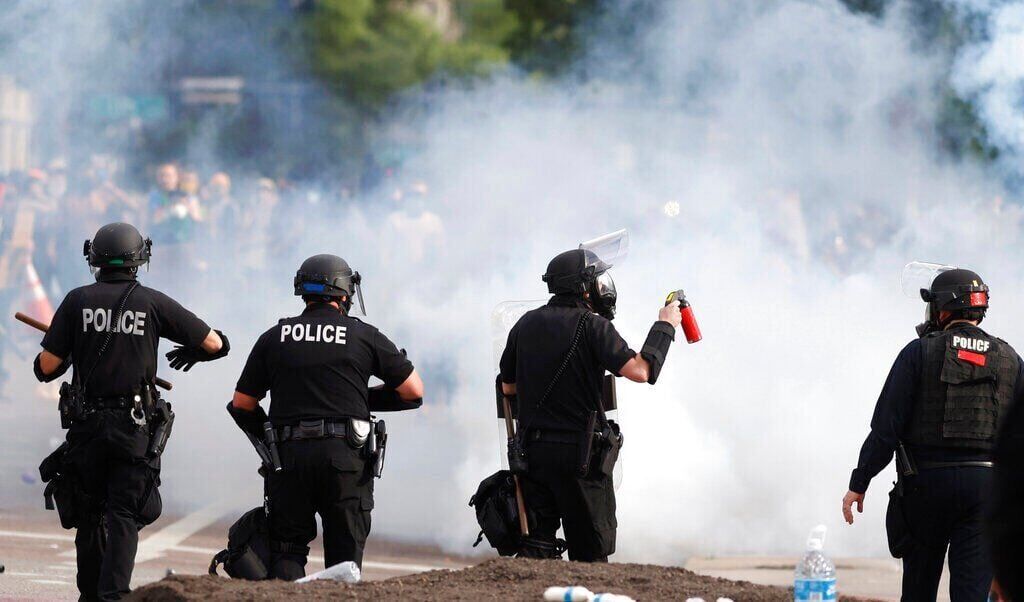
The Colorado-based federal appeals court revived a man’s claims against Denver on Friday after concluding a trial judge resolved the case in the city’s favor without analyzing two of the three instances of alleged excessive force and other constitutional violations....

Federal judges find Colorado immigration judge violated several orders
Michael Karlik
michael.karlik@coloradopolitics.com
Updated 4 days ago
Multiple federal judges in Colorado have freed people from immigration custody after determining that one immigration judge violated their directives for properly conducting bond hearings. For nearly a year, Colorado’s U.S. District Court has faced a flood of habeas corpus petitions...

Misconduct complaints from ex-Colorado judicial discipline director dismissed against federal judges
Michael Karlik
michael.karlik@coloradopolitics.com
Updated 6 days ago
The administrative body for the Denver-based federal appeals court upheld a finding last week that misconduct complaints against Colorado’s chief federal trial judge and the chief appeals judge warranted dismissal and appeared to be a “litigation tactic” by the complaining...