

Boulder man’s attempted sex assault convictions overturned due to detectives’ actions
A Boulder man will receive a new trial after Colorado’s second-highest court determined last month that a pair of detectives improperly detained and interrogated him about an attempted sex assault instead of simply collecting his DNA as a court authorized them to do.
Angel Adrian Castro-Velasquez is serving 18 years to life in prison on multiple offenses stemming from his alleged entry into the victim’s bedroom, assaulting her and attempting to rape her. Law enforcement questioned Castro at his home until he eventually confessed.
However, a three-judge panel for the Court of Appeals found the detectives effectively exploited a narrow court order they obtained to collect DNA and photos of Castro, and expanded it to an interrogation in violation of the Fourth Amendment.
Under Colorado’s criminal rules, law enforcement may obtain an order for “nontestimonial identification,” authorizing them to pursue a person’s fingerprint, blood specimen, handwriting sample, picture or other evidence that does not stem from an interrogation.
Notably, police only need to demonstrate “reasonable grounds,” not probable cause, that their target committed an offense.
Upon securing a nontestimonial identification order for Castro in February 2020, Detectives Kevin Marples and Kara Wills arrived at Castro’s house after notifying him by phone of their intent. Marples later testified he lacked probable cause to arrest Castro for the attempted rape at the time.
Instead of moving to collect the evidence authorized by the order, the detectives interrogated Castro for approximately 30 minutes. He eventually confessed, after which they executed the order.
The defense moved to exclude Castro’s statements, but then-District Court Judge Norma A. Sierra denied the motion.
On appeal, Castro argued the detectives manipulated the order to detain and interrogate him without probable cause. Such conduct allegedly violated the Fourth Amendment’s prohibition on unreasonable seizures.
“The testimony of the officers were like, ‘Yeah, we were gonna use this order and we were gonna go and gather information,'” observed Judge Neeti V. Pawar during oral arguments to the Court of Appeals panel. “It can be interpreted to be read as, ‘We were exploiting the order to go beyond its scope.’”
The panel concluded Castro was seized during the encounter, meaning he would not have felt able to leave or disregard the detectives’ questioning. Although police were not prohibited from investigating Castro further, wrote Judge Anthony J. Navarro, they could not interrogate him under the narrow authorization of the nontestimonial identification order.
“Overall, the record reveals that the detectives intentionally elicited Castro’s statements about the alleged offenses while he was detained on less than probable cause,” Navarro wrote in the June 20 opinion. “We cannot condone it.”
The panel reversed Castro’s convictions and ordered a new trial with Castro’s confession excluded.
The case is People v. Castro-Velasquez.


Routt County DA’s office faces multiple investigations after it drops high-profile rape case
Jenny Deam
jenny.deam@gazette.com
Updated 1 day ago
Routt County’s district attorney and deputy district attorney are now under increasing scrutiny on multiple fronts for their handling of the alleged drugging, rape and near-strangulation of a nationally ranked cross-country skier. The fallout from their decision not to prosecute...
Federal judge postpones CU regent’s request to lift censure restrictions
Michael Karlik
michael.karlik@coloradopolitics.com
Updated 2 days ago
A federal judge on Thursday canceled an upcoming hearing to decide whether to block the restrictions the University of Colorado’s governing body has placed on one of its members, indicating that he would instead pivot to the defendants’ motion to...
Appeals court reverses ‘particularly brutal’ sex assault convictions due to flawed warrant
Michael Karlik
michael.karlik@coloradopolitics.com
Updated 12 hours ago
Colorado’s second-highest court reversed a Jefferson County defendant’s sexual assault and kidnapping convictions last month after concluding that police relied on an unconstitutionally broad search warrant to obtain evidence from the man’s cell phone. Jurors convicted Joseph Gabriel Van Eck...
Colorado Supreme Court intervenes in 3 ongoing cases
Michael Karlik
michael.karlik@coloradopolitics.com
Updated 3 days ago
The Colorado Supreme Court recently intervened in the prosecution of a juvenile defendant and will decide whether he is entitled to have prosecutors demonstrate probable cause at a hearing after a grand jury already determined probable cause existed. The justices...
Appeals court clarifies meaning of ‘at-risk’ victim based on breathing disability
Michael Karlik
michael.karlik@coloradopolitics.com
Updated 1 day ago
Colorado’s second-highest court clarified last month that victims qualify as “at risk” under state law if they required mechanical assistance to breathe on the date of the offense against them. El Paso County prosecutors charged Jon Claude Crow with third-degree...
Ex-attorney cannot remain anonymous while suing Colorado judicial branch, says 10th Circuit
Michael Karlik
michael.karlik@coloradopolitics.com
Updated 4 days ago
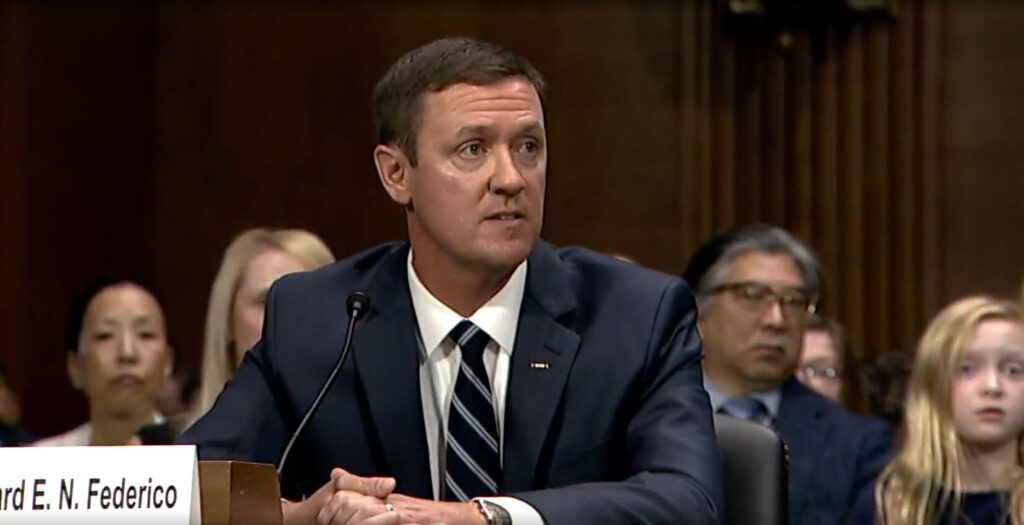
The Denver-based federal appeals court concluded last month that a former attorney cannot mask her identity while suing the Colorado Judicial Department for alleged improprieties in her disability and disbarment proceedings. “Jane Roe,” representing herself, sued the Judicial Department and...
Appeals court reverses convictions after judge blocked defendant’s character witnesses
Michael Karlik
michael.karlik@coloradopolitics.com
Updated 5 days ago
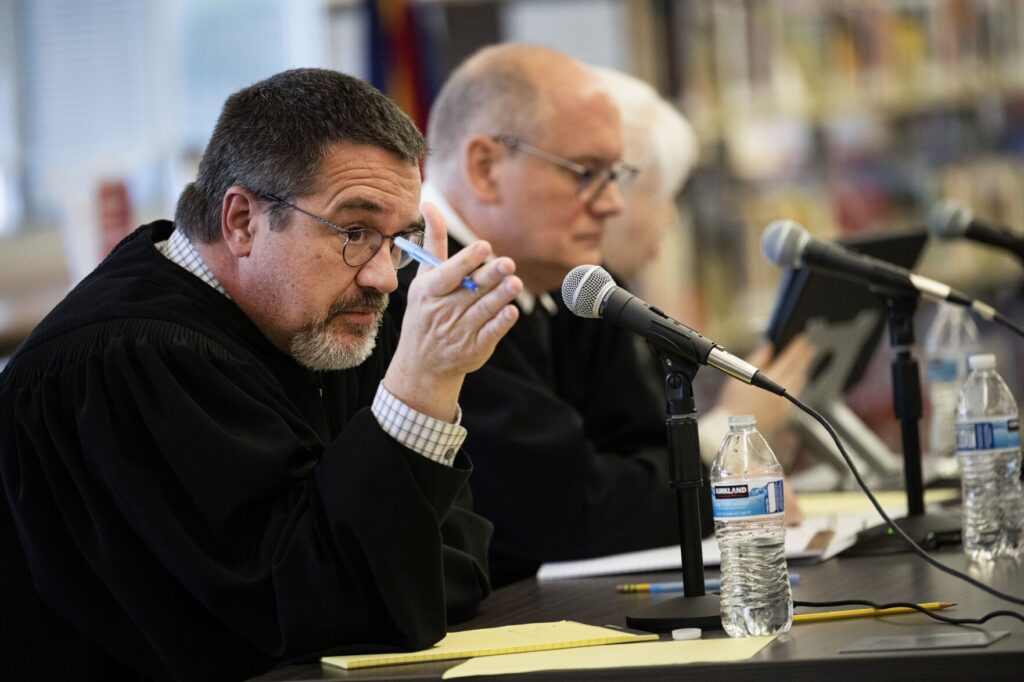
Colorado’s second-highest court reversed a defendant’s convictions for forgery and attempting to influence a public servant last month because a Boulder County judge improperly blocked him from calling witnesses who could testify about his truthfulness. A three-judge Court of Appeals...
Colorado Supreme Court accepts child neglect, unlawful search appeals
Michael Karlik
michael.karlik@coloradopolitics.com
Updated 4 days ago
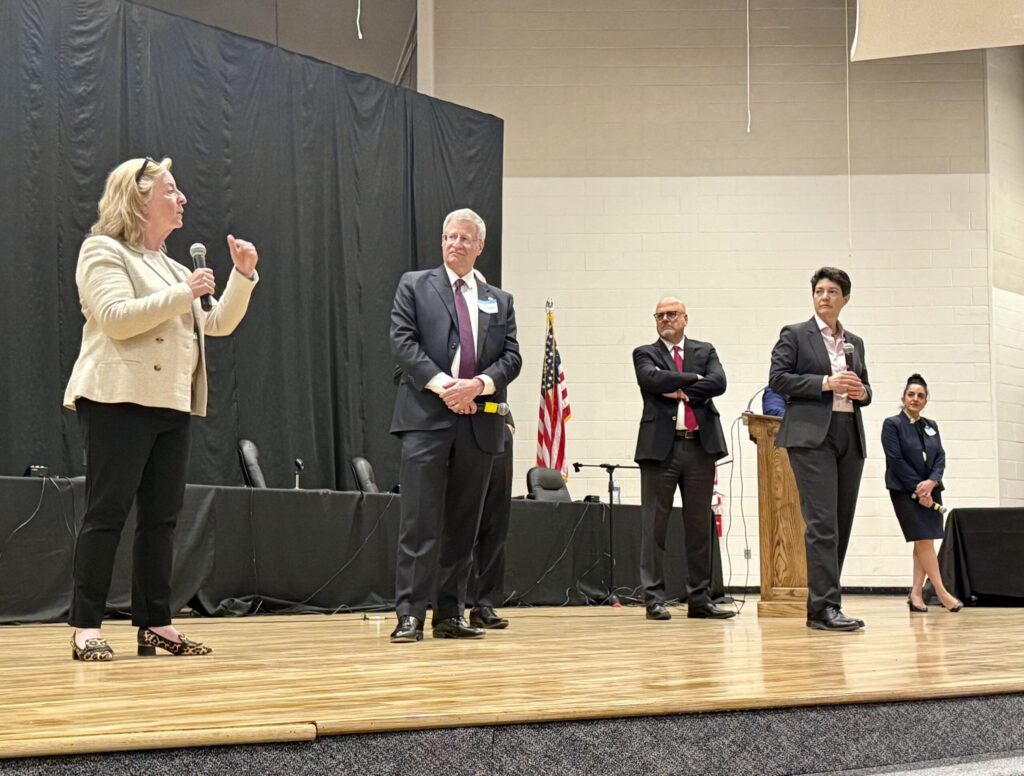
The Colorado Supreme Court recently announced that it will decide whether a series of missteps led an El Paso County judge to improperly terminate a father’s parental rights, and whether a police officer defendant bears the burden of proving that...

Colorado Attorney General sues HUD over changes to homeless funding
Matt Kyle
matt.kyle@denvergazette.com
Updated 5 days ago
Colorado Attorney General Phil Weiser on Tuesday joined the attorneys general of several other states to sue the federal government over an attempt to cap funding for permanent housing projects. The change would result in tens of thousands of people...

10th Circuit upholds dismissal of ex-Teller County fire chief’s First Amendment lawsuit
Michael Karlik
michael.karlik@coloradopolitics.com
Updated 4 days ago
The Denver-based federal appeals court agreed on Tuesday that the former chief of the Florissant Fire Protection District could not prevail on the claim that his 2023 firing was retaliation for his First Amendment-protected activity. Erik Holt alleged the Teller...