

Colorado candidates who raised the most won their races
With a few exceptions, Colorado’s candidates for the state legislature who raised the most money won their races.
Longtime political observers also noted something unique from this year’s primary elections — a concerted effort, they said, to pull politics back to the “center.”
An analysis of the fundraising of dozens candidates largely confirmed an axiomatic presumption in campaigns — the person with the most money wins. That was true for both state Senate and House candidates, the results of last Tuesday’s primary elections showed.
“Money will always be the mother’s milk of politics. The more you raise and spend, the better chance of winning,” Michael Dino, a political expert who served as campaign manager for former Mayor Wellington Webb, said.
Political strategist Ian Silverii, the past director of ProgressNow Colorado, said the results shouldn’t surprise anyone.
“Being surprised that the candidate who raised the most money won the election is kind of like being surprised that the dog who ate the most kibble ended up weighing the most,” he said.
This analysis, which used data from FollowTheMoney.org, doesn’t cover spending by outside groups, which are entities that engage in electioneering activities that are legally prohibited from coordinating with campaigns. Outside groups had spent tens of thousands of dollars to either boost candidates’ chances of winning or bolster their rivals’ campaigns in this year’s primary races.
Several independent expenditure groups specifically targeted candidates with negative commercials, in many instances dwarfing a campaign’s own spending.
In House races, the most prolific fundraisers won — save when they ran against candidates who outraised them.
Indeed, only a few candidates took in more money than their rivals and then lost: Bryan Lindstrom to Michael Carter in the Democratic primary in House District 36; Ethnie Treick to Yara Zokaie also in the Democratic primary in HD 52; and, Lora Thomas to Matt Burcham in the Republican primary in HD 43.
Outside spending flooded the primary race in HD 43. Within the month of June alone, a group called Keep Colorado Counties Safe spent roughly $111,000 against Thomas and for Burcham and Priscilla Rahn, who for the commission seat in a three-way contest to represent District 3. (State Sen. Kevin Van Winkle won that commission race.)
Notably, challenger Sean Camacho, who dwarfed state Rep. Elisabeth Epps’s fundraising, defeated the incumbent in the Democratic race in House District 6. Camacho, who secured the endorsement of Gov. Jared Polis and other high-profile Democratic candidates, had raised $171,000, while Epps took in roughly $43,000.
In the Democratic primary for House District 4, Challenger Cecelia Espenoza, who took in $124,000, raised slightly more than state Rep. Tim Hernandez’s $117,000, though their fundraising numbers were practically even.
Espenoza unseated Hernandez.
| ESPENOZA, CECELIA | WON | DEMOCRATIC | HD4 | $123,744 |
| HERNANDEZ, TIMOTHY | LOST | DEMOCRATIC | HD4 | $117,479 |
| CAMACHO, SEAN | WON | DEMOCRATIC | HD6 | $171,128 |
| EPPS, ELISABETH | LOST | DEMOCRATIC | HD6 | $42,744 |
| JOSEPH, JUNIE | WON | DEMOCRATIC | HD10 | $115,019 |
| MUEH, TINA | LOST | DEMOCRATIC | HD10 | $71,089 |
| CALDWELL, JARVIS | WON | REPUBLICAN | HD20 | $34,305 |
| LUPO, JASON | LOST | REPUBLICAN | HD20 | $19,202 |
| BRADFIELD, MARY | WON | REPUBLICAN | HD21 | $24,642 |
| KOESTER, JAN | LOST | REPUBLICAN | HD21 | $8,337 |
| GARLINGTON, BILL | LOST | REPUBLICAN | HD21 | $1,552 |
| STEWART, REBEKAH | WON | DEMOCRATIC | HD30 | $137,527 |
| dE GRUY KENNEDY, KYRA | LOST | DEMOCRATIC | HD30 | $108,063 |
| PHILLIPS, JACQUELINE | WON | DEMOCRATIC | HD31 | $33,204 |
| MARVIN, JULIA | LOST | DEMOCRATIC | HD31 | $28,762 |
| LINDSTROM, BRYAN | LOST | DEMOCRATIC | HD36 | $90,540 |
| CARTER, MICHAEL | WON | DEMOCRATIC | HD36 | $83,831 |
| THOMAS, LORA | LOST | REPUBLICAN | HD43 | $31,730 |
| BURCHAM, MATT | WON | REPUBLICAN | HD43 | $20,535 |
| BROOKS, MAX | WON | REPUBLICAN | HD45 | $59,011 |
| JACK, BILL | LOST | REPUBLICAN | HD45 | $35,846 |
| SMITH, LESLEY | WON | DEMOCRATIC | HD49 | $58,436 |
| WOODFIN, MAX | LOST | DEMOCRATIC | HD49 | $21,192 |
| TREICK, ETHNIE | LOST | DEMOCRATIC | HD52 | $115,499 |
| ZOKAIE, YARA | WON | DEMOCRATIC | HD52 | $85,839 |
| ROEBER, J. MARK | WON | REPUBLICAN | HD58 | $7,882 |
| SUCKLA, LARRY | LOST | REPUBLICAN | HD58 | $7,628 |
| JOHNSON, DUSTY | WON | REPUBLICAN | HD63 | $15,022 |
| URDIALES, BRIAN | LOST | REPUBLICAN | HD63 | $9,570 |
| SANDER, LORI | WON | REPUBLICAN | HD65 | $21,498 |
| LEISY, TRENT | LOST | REPUBLICAN | HD65 | $8,281 |
In the Senate, all the candidates who raised more than their rivals won.
In Senate District 2, state Rep. Lisa Frizell outraised her GOP primary rival, Timothy Arvidson, by a mile and secured her party’s nomination.
And in the three-way Republican primary in SD10, Sen. Larry Liston dwarfed his opponents’ fundraising and secured his party’s nomination.
| FRIZELL, LISA | WON | REPUBLICAN | SD2 | $95,814 |
| ARVIDSON, TIMOTHY | LOST | REPUBLICAN | SD2 | $7,760 |
| LISTON, LARRY | WON | REPUBLICAN | SD10 | $110,289 |
| STIVER, DAVID | LOST | REPUBLICAN | SD10 | $39,171 |
| TONKINS, REX | LOST | REPUBLICAN | SD10 | $5,028 |
| VANDERWERF, STAN | WON | REPUBLICAN | SD12 | $47,273 |
| CUVA, ADRIANA | LOST | REPUBLICAN | SD12 | $13,343 |
| AMABILE, JUDY | WON | DEMOCRATIC | SD18 | $231,818 |
| SCHIFFER, JOVITA | LOST | DEMOCRATIC | SD18 | $30,335 |
| DAUGHERTY, LINDSEY | WON | DEMOCRATIC | SD19 | $156,811 |
| EZEADI, OBI | LOST | DEMOCRATIC | SD19 | $143,262 |
| KIRKMEYER, BARBARA | WON | REPUBLICAN | SD23 | $104,180 |
| ABSHIER, NATALIE | LOST | REPUBLICAN | SD23 | $4,400 |
| WEISSMAN, MIKE | WON | DEMOCRATIC | SD28 | $126,089 |
| KEITH, IDRIS | LOST | DEMOCRATIC | SD28 | $72,371 |
Drew Sexton, a longtime campaign consultant who’s managing U.S. Rep. Lauren Boebert’s race, said having the right candidate and the right message remain to be the crucial components in a successful campaign.
“But you’re going to be running an uphill battle if you don’t have the resources to get those two factors consistently in front of voters and that takes a lot of money. You need to consistently have your message in mailboxes, on phones, on TV’s and radio, and on doors just to compete for the limited and fleeting attention of voters,” he said.
“Raising money also shows a candidate’s ability to get someone to invest and believe in their campaign, which we know dramatically increases the likelihood they’ll vote for that candidate and take additional steps to support them. Strong fundraising candidates can show voters they’re able to build support, which only increases the likelihood more voters will want to get on board,” Sexton added.
Silverii said campaigns are fundamentally about raising and allocating resources well. He said “good” campaigns raise and spend more money than “less-good campaigns,” and they do so “on the kinds of campaign tactics that win races, namely direct mail, direct voter contact, digital ads, and in some cases, even broadcast or cable television.”
“Candidates have a short amount of time to strategize, raise money, and spend that money on communicating with the voters who are most likely to support their candidacy,” he said. “There have been campaigns who raised less than their opponents and still won, but having more resources to communicate with more voters tends to produce the expected outcome when compared with the campaign that raised fewer resources and communicated with fewer voters.”
Columnist Eric Sonderman, who writes for Colorado Politics and the Gazette newspapers, agreed, saying the results “did little to dispel” the reality that money sways elections.
But the “secondary story,” he said, is that on both sides of the aisle “moderate forces rallied with their wallets, along with their votes, to pull their respective party back in some general vicinity of the center and away from the ever louder, more polarized extremes.”
Dino said that, particularly in races where incumbents were challenged, it helped to be well funded to “overcome any deficit in name identification and voter familiarity.”
“Plus, I think there was a concerted effort from aligned interest groups on both sides of the aisle to aggressively tack back toward the center which definitely resonated with voters,” he said.

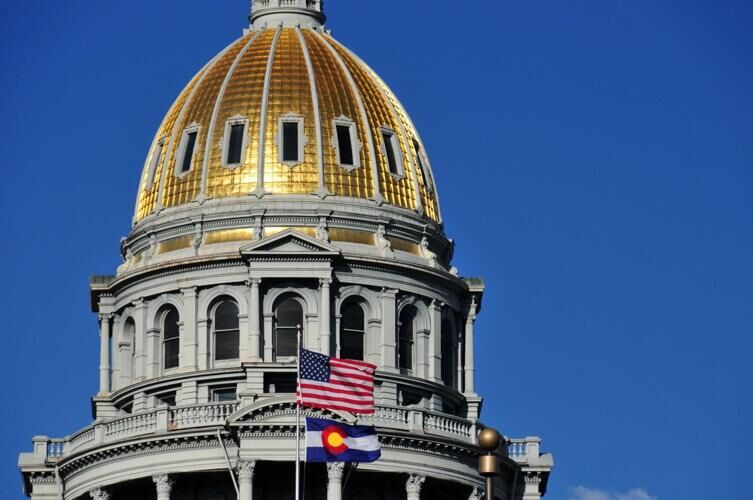
Atop taxes, here’s how much each Colorado resident pays in fees
Marissa Ventrelli
marissa.ventrelli@coloradopolitics.com
Updated 9 hours ago
Each Colorado resident paid nearly $5,000 in state-sanctioned fees last year, according to a report by a policy think tank. The report, which analyzed how fees have affected Colorado’s economy, found that fee revenue has more than tripled since 2008...

Colorado National Guard, Swiss Armed Forces celebrate partnership
Marissa Ventrelli
marissa.ventrelli@coloradopolitics.com
Updated 11 hours ago
Colorado’s National Guard marked a year of partnership with the Swiss Armed Forces at the Governor’s Mansion on Monday. “This anniversary marks one strong year of friendship and collaboration between the State of Colorado and Switzerland,” said Gov. Jared Polis....
Judge allows Trump to refile $15 billion lawsuit against the New York Times
Emily Hallas
emily-hallas@coloradopolitics.com
Updated 11 hours ago
A federal judge declined to dismiss President Donald Trump’s multibillion-dollar lawsuit against the New York Times on Monday, giving him roughly four weeks to amend his case after the outlet moved to toss it on First Amendment grounds. District Judge...

Gov. Polis celebrates Colorado’s first-place education ranking by U.S. News
Marianne Goodland
marianne.goodland@coloradopolitics.com
Updated 9 hours ago
Colorado officials said they have something to celebrate this week, in addition to the state’s sesquicentennial birthday on Saturday. U.S. News & World Report on Tuesday gave Colorado its top ranking for education efforts from pre-K to postsecondary, though it...
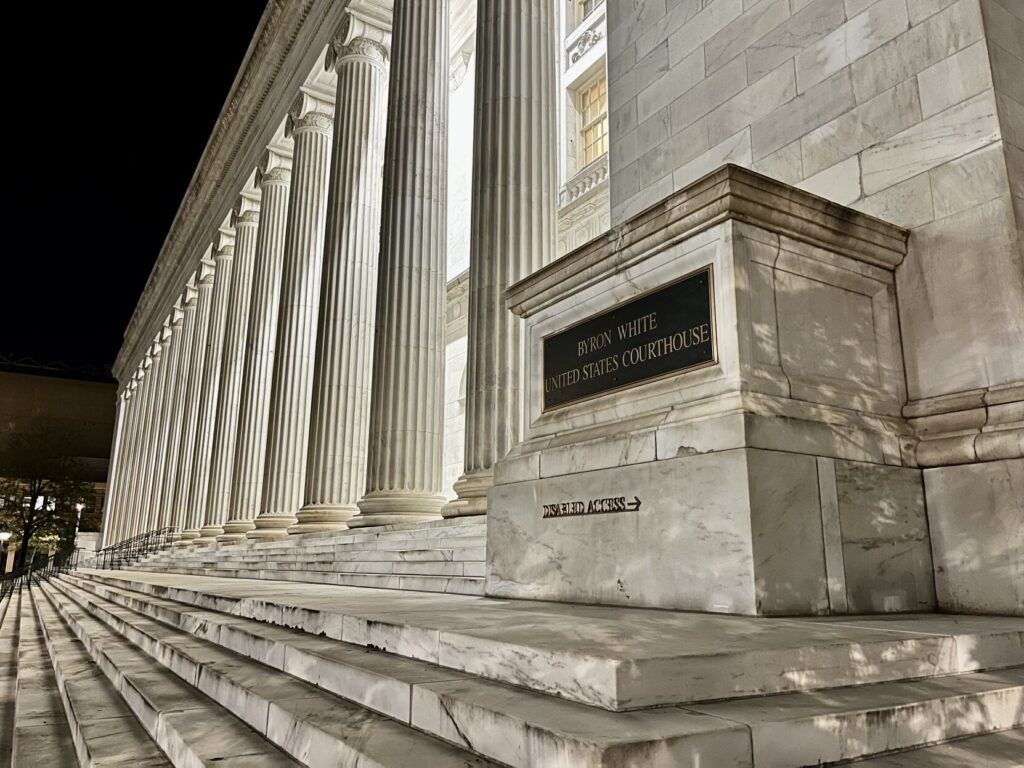
Denver detox center did not violate man’s rights with 10-hour hold, 10th Circuit says
Michael Karlik
michael.karlik@coloradopolitics.com
Updated 9 hours ago
The Colorado-based federal appeals court concluded on Tuesday that Denver’s detoxification facility did not violate a man’s rights by holding him against his will for 10 hours until his blood alcohol content was projected to reach zero. Unusually, Brian Garrett’s...
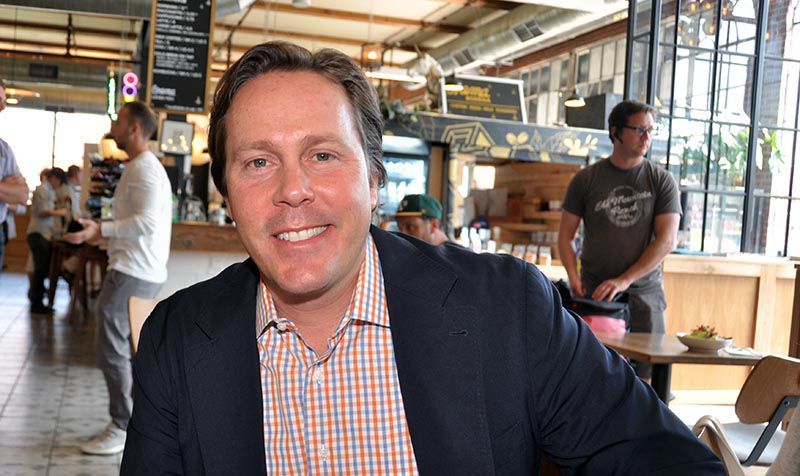
Federal judge clarifies ex-GOP treasurer candidate’s burden to prove defamation claims
Michael Karlik
michael.karlik@coloradopolitics.com
Updated 9 hours ago
A federal judge clarified last week that businessman and former Republican statewide candidate Brian Watson will need to surmount a higher hurdle in proving his claim that a party guest’s alleged description of him as a “criminal” amounted to defamation....

Denver City Council sends Xcel franchise deal to voters
Deborah Grigsby
deborah.smith@denvergazette.com
Updated 13 hours ago
This November, Denver voters will decide whether to renew the city’s longstanding franchise agreement with Xcel Energy. Members of the Denver City Council approved on Monday sending a proposed 20-year franchise agreement with Xcel that would deliver more than $180...
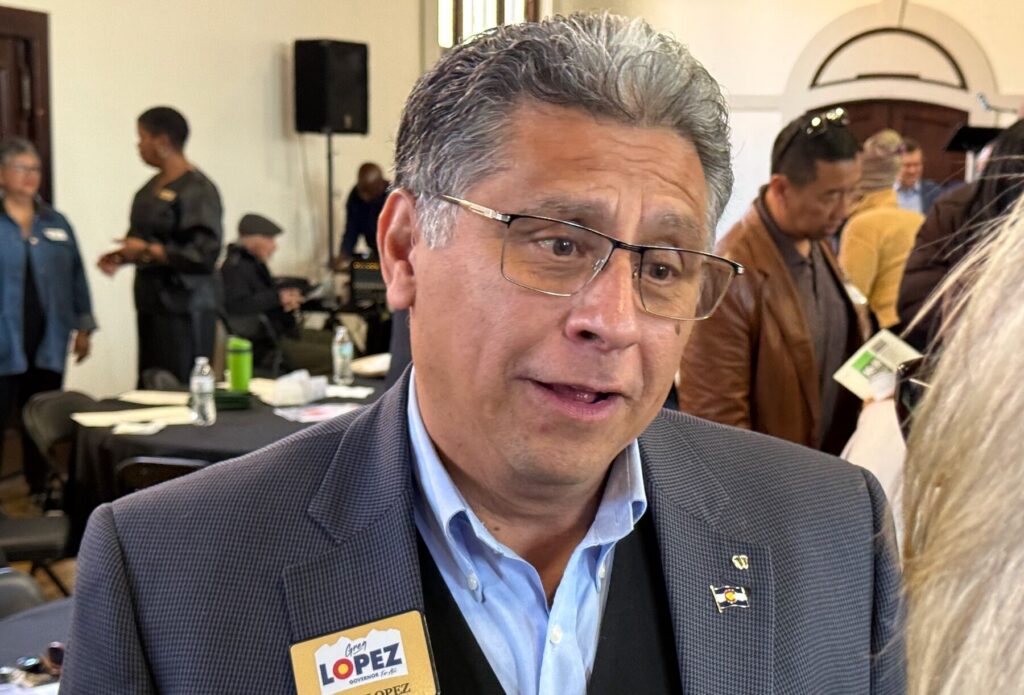
Independent gubernatorial candidate Greg Lopez, a former GOP congressman, qualifies for Colorado ballot
Ernest Luning
ernest.luning@coloradopolitics.com
Updated 9 hours ago
Unaffiliated gubernatorial candidate Greg Lopez, a former Republican congressman from Elizabeth who left the GOP to run as an independent, has qualified for the ballot by submitting enough petition signatures, the Colorado Secretary of State’s Office said Tuesday. He’ll face...

At Colorado’s 150th anniversary, leaders offer birthday wishes
Thelma Grimes
thelma.grimes@coloradopolitics.com
Updated 15 hours ago
As Colorado’s 150th anniversary approaches, leaders from across the state reflect on the spirit that binds the plains, mountains, Western Slope and Front Range — a shared commitment, they underscored, to opportunity, community, stewardship and personal freedom. Their tributes highlight...
Fauci’s private COVID-19 diaries: Six takeaways on fame, prize money and the lab leak debate
The Washington Examiner
the-washington-examiner@coloradopolitics.com
Updated 18 hours ago
Anthony Fauci’s private writings from 2020 and beyond portray a public health official who was fixated on his growing celebrity while privately grappling with a pandemic response he believed was chaotic, leaderless and consumed by internal rivalries. The writings of...