

Colorado Supreme Court justice advises police to ‘tread carefully’ when misleading suspects
Justice Melissa Hart suggested on Friday that police officers interrogating suspects in custody should recognize the “very, very thin line” they walk by making misleading representations during questioning, running the risk that courts will find the suspect’s confession involuntary.
“Bottom line: Officers should, I think, tread carefully when they are thinking about whether to use misrepresentation to try to induce someone to confess. Because the line is so hard to draw,” said Hart, speaking at the 2024 appellate practice update sponsored by the Colorado Bar Association.
Her remarks centered on a June 2023 decision by the state Supreme Court in People v. Smiley. There, two Thornton detectives traveled to New Mexico to take the fingerprints of Thorvyn Bullcalf Evan Smiley, who was the only suspect in an unsolved murder.
The detectives repeatedly told Smiley, “You’re not in trouble” and “You are leaving here today.” They also said they needed to provide Smiley a Miranda warning “just because we are from out of state and stuff like that.” Smiley agreed to speak and confessed to the murder. The detectives then arrested him.
By 4-3, the Supreme Court barred Adams County prosecutors from using the confession as evidence. The majority concluded the detectives were “engaging in a form of psychological coercion” to trick Smiley by promising he would leave on his own accord if he talked to them.
“I wanna be clear. It was a 4-3 decision. This was not a slam dunk,” said Hart, who was part of the majority. “This was three very smart people on my court — three people whose judgment I trust absolutely — thought that this was not coercive. That this was completely reasonable. And it was the kind of misrepresentation police officers are allowed to make.”

From left, Colorado Supreme Court Justices William W. Hood III, Melissa Hart and Maria E. Berkenkotter listen to an argument during a Courts in the Community session held at Pine Creek High School in Colorado Springs on Thursday, Nov. 17, 2022. (The Gazette, Parker Seibold)
Parker Seibold

From left, Colorado Supreme Court Justices William W. Hood III, Melissa Hart and Maria E. Berkenkotter listen to an argument during a Courts in the Community session held at Pine Creek High School in Colorado Springs on Thursday, Nov. 17, 2022. (The Gazette, Parker Seibold)
She noted police are generally allowed to make false statements while interrogating suspects, but “four of us thought this was overreach. And that overreach played a significant role in inducing the defendant to confess. So, it was not a voluntary confession.”
The Innocence Project has estimated that false confessions, which can be the product of coercive interrogations, were a factor in 29% of DNA-based exonerations.
Last year, Colorado legislators enacted a law making statements by juvenile suspects inadmissible by default if law enforcement acted deceptively. There are exceptions, however, that would still permit prosecutors to use statements as evidence, notwithstanding the deception.
Hart said the key factor in Smiley was the detectives’ suggestion that the suspect would be fine even if he decided to give up his right to silence. She acknowledged the decision hinged on a “very, very thin line.”
“Trying to figure out what makes something involuntary is not easy. I say that humbly, in recognition that for law enforcement trying to do their job in the moment, trying to figure out what’s appropriate, that is not easy,” Hart said. “What hangs in the balance is a person’s freedom. So, you’re balancing the actions of law enforcement and the choices they’re having to make, a person’s freedom and their constitutional rights. None of this is easy.”
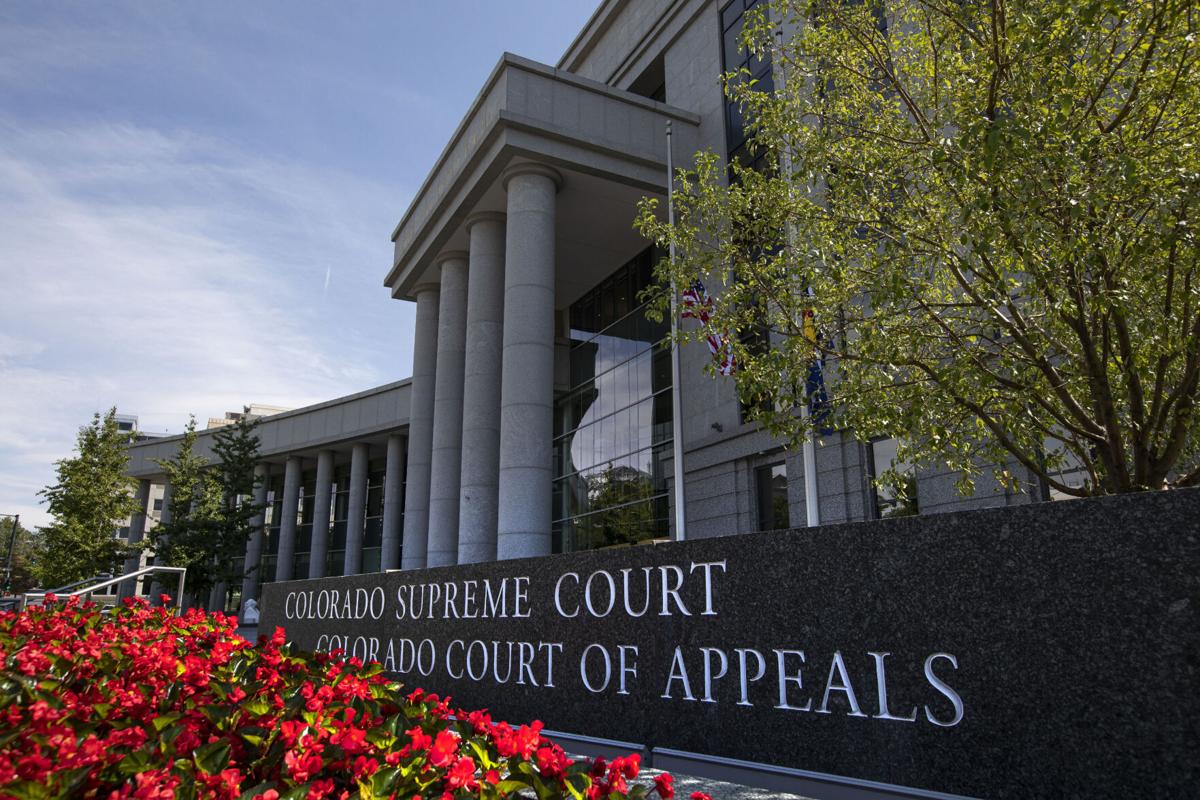
FILE PHOTO: The Ralph L. Carr Colorado Judicial Center, on Tuesday, Sept. 13, 2022, in Denver, Colo. (Timothy Hurst/The Denver Gazette)
Timothy Hurst/Denver Gazette

FILE PHOTO: The Ralph L. Carr Colorado Judicial Center, on Tuesday, Sept. 13, 2022, in Denver, Colo. (Timothy Hurst/The Denver Gazette)
The Supreme Court’s ruling in Smiley occurred through a mid-case, or “interlocutory,” appeal. Although the Supreme Court typically hears cases after the Court of Appeals has rendered its own decision, prosecutors are allowed to immediately appeal trial judges’ decisions to suppress evidence directly to the Supreme Court.
Hart said she was surprised when she initially joined the court that prosecutors were overwhelmingly winning their interlocutory appeals. Then she learned district attorneys did not seek the Supreme Court’s review of every suppression decision from trial judges.
“It’s only really when prosecutors think that a mistake was made that they bring these interlocutory appeals,” explained Hart. “The reason we end up frequently reversing district courts is because it’s only really when prosecutors think mistakes were made by the court.”
However, Hart disclosed that “different jurisdictions have different reputations,” and she is more likely to presume a trial judge mistakenly excluded evidence in a jurisdiction that rarely seeks interlocutory appeals.
She also lobbed gentle criticism at her dissenting colleagues, and warned lawyers not to rely on dissenting opinions generally.
“Don’t read dissents. Don’t do it,” she said. “I read the dissent in Smiley and it portrays the facts completely differently. They lost. The majority won. And if you start reading the facts in dissents, you end up feeling like, what happened?”
Because majority opinions dictate what the law is, “ultimately, you need to move forward with what the majority said,” Hart concluded.

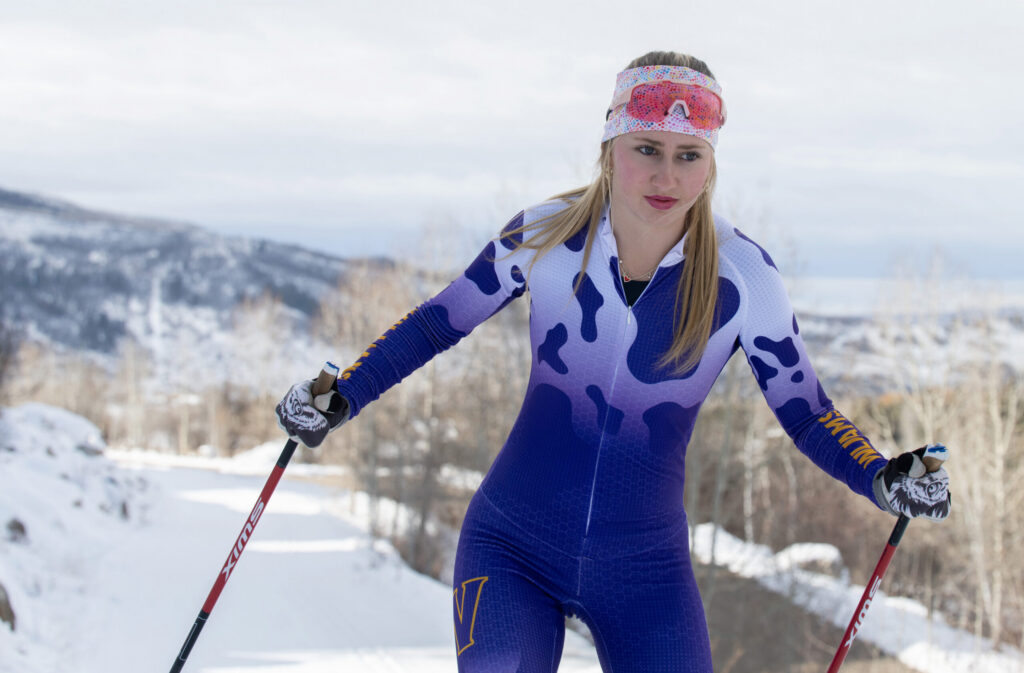
Routt County DA’s office faces multiple investigations after it drops high-profile rape case
Jenny Deam
jenny.deam@gazette.com
Updated 1 day ago
Routt County’s district attorney and deputy district attorney are now under increasing scrutiny on multiple fronts for their handling of the alleged drugging, rape and near-strangulation of a nationally ranked cross-country skier. The fallout from their decision not to prosecute...
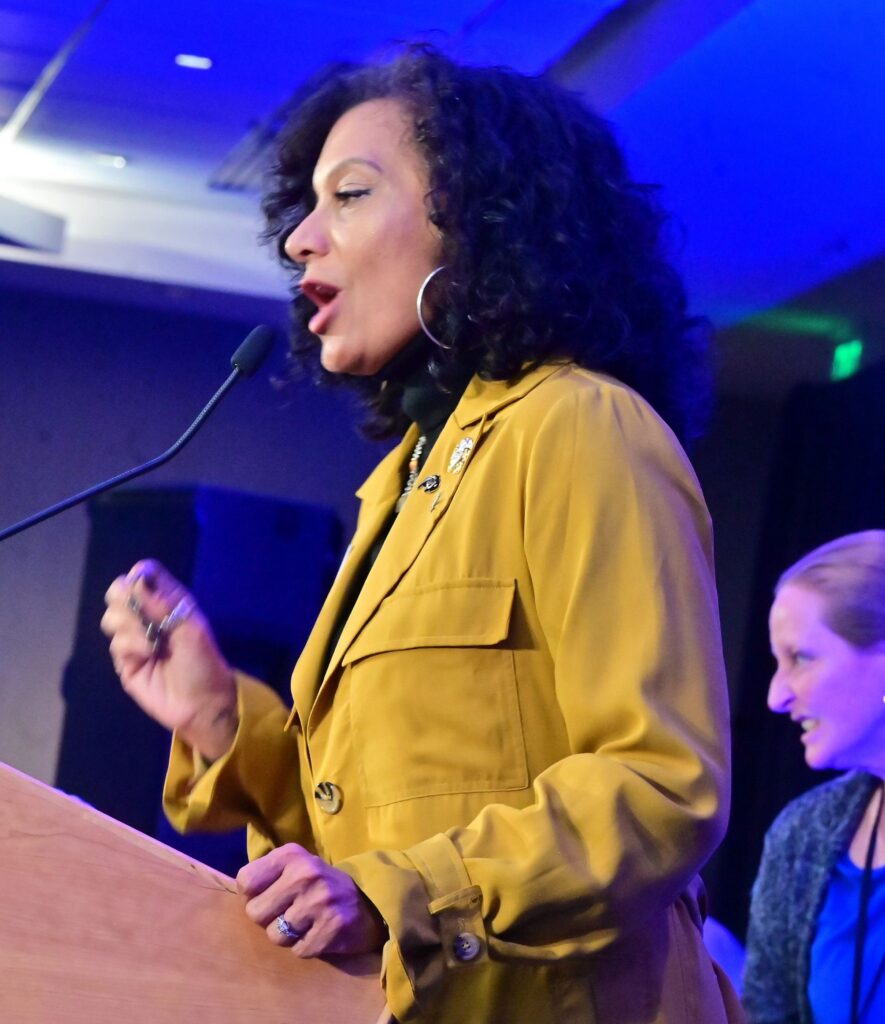
Federal judge postpones CU regent’s request to lift censure restrictions
Michael Karlik
michael.karlik@coloradopolitics.com
Updated 2 days ago
A federal judge on Thursday canceled an upcoming hearing to decide whether to block the restrictions the University of Colorado’s governing body has placed on one of its members, indicating that he would instead pivot to the defendants’ motion to...
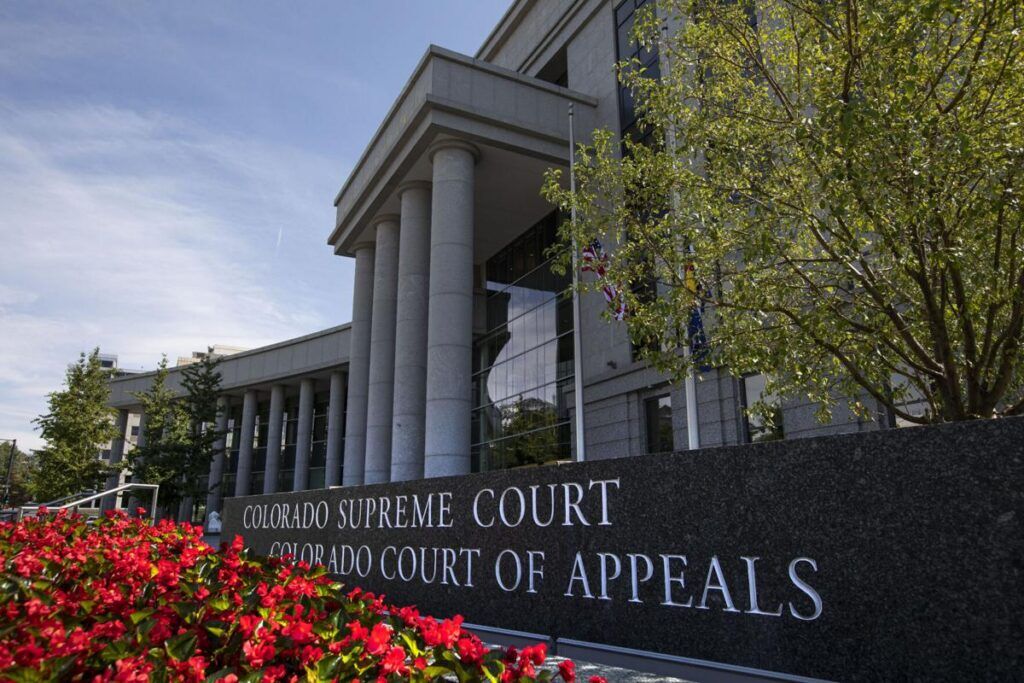
Appeals court reverses ‘particularly brutal’ sex assault convictions due to flawed warrant
Michael Karlik
michael.karlik@coloradopolitics.com
Updated 7 hours ago
Colorado’s second-highest court reversed a Jefferson County defendant’s sexual assault and kidnapping convictions last month after concluding that police relied on an unconstitutionally broad search warrant to obtain evidence from the man’s cell phone. Jurors convicted Joseph Gabriel Van Eck...
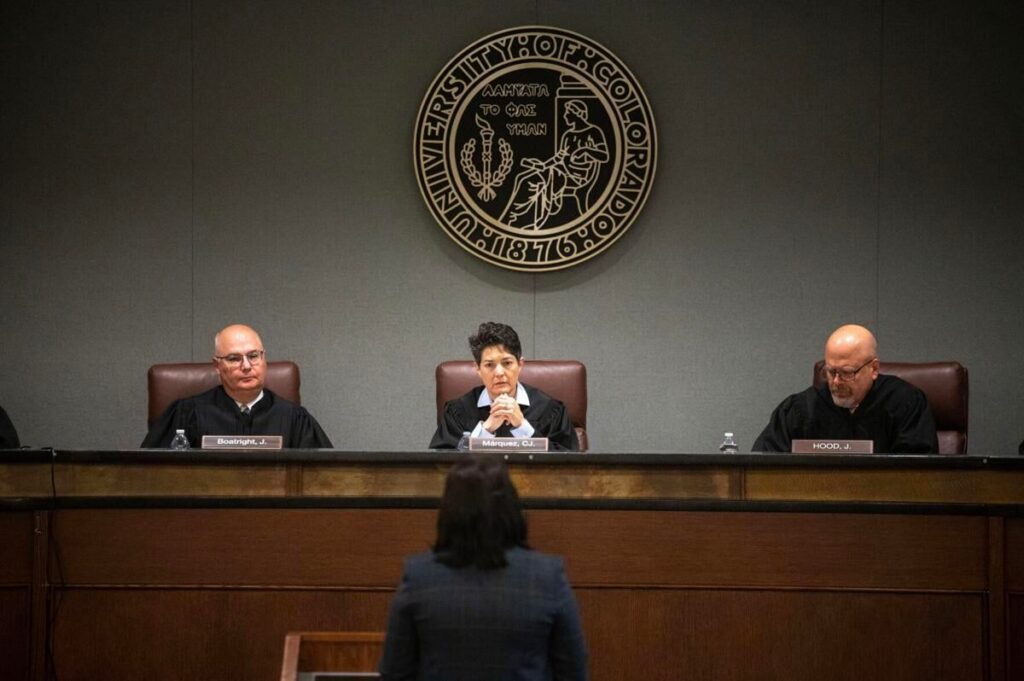
Colorado Supreme Court intervenes in 3 ongoing cases
Michael Karlik
michael.karlik@coloradopolitics.com
Updated 3 days ago
The Colorado Supreme Court recently intervened in the prosecution of a juvenile defendant and will decide whether he is entitled to have prosecutors demonstrate probable cause at a hearing after a grand jury already determined probable cause existed. The justices...
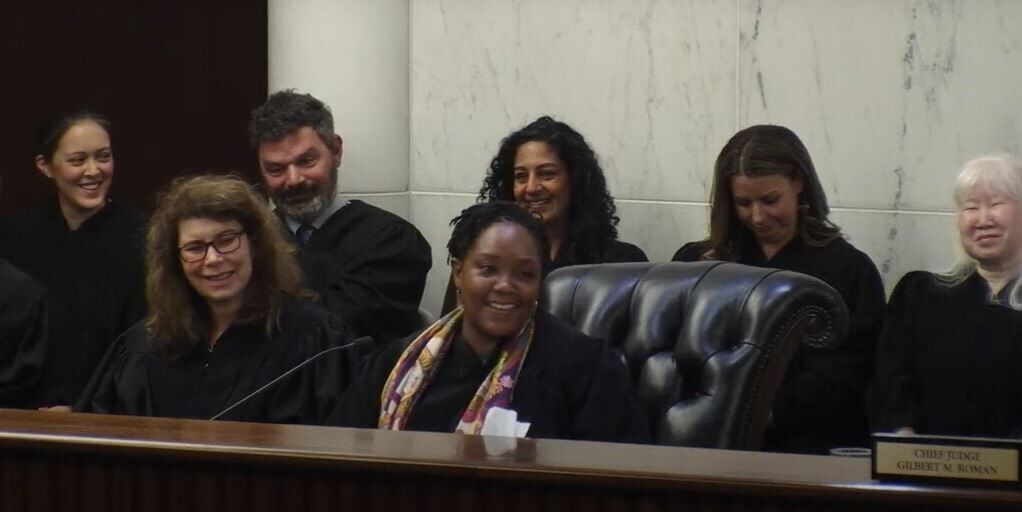
Appeals court clarifies meaning of ‘at-risk’ victim based on breathing disability
Michael Karlik
michael.karlik@coloradopolitics.com
Updated 1 day ago
Colorado’s second-highest court clarified last month that victims qualify as “at risk” under state law if they required mechanical assistance to breathe on the date of the offense against them. El Paso County prosecutors charged Jon Claude Crow with third-degree...
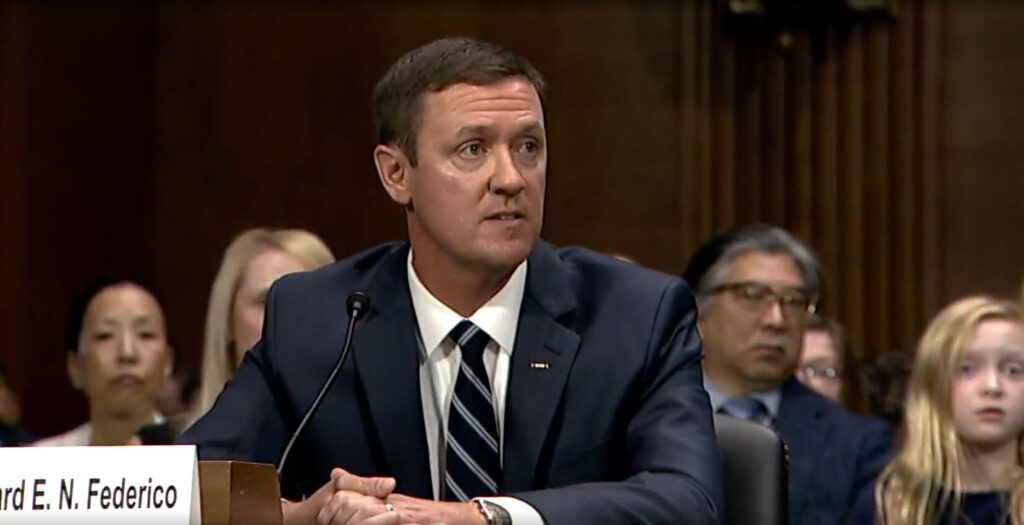
Ex-attorney cannot remain anonymous while suing Colorado judicial branch, says 10th Circuit
Michael Karlik
michael.karlik@coloradopolitics.com
Updated 4 days ago
The Denver-based federal appeals court concluded last month that a former attorney cannot mask her identity while suing the Colorado Judicial Department for alleged improprieties in her disability and disbarment proceedings. “Jane Roe,” representing herself, sued the Judicial Department and...
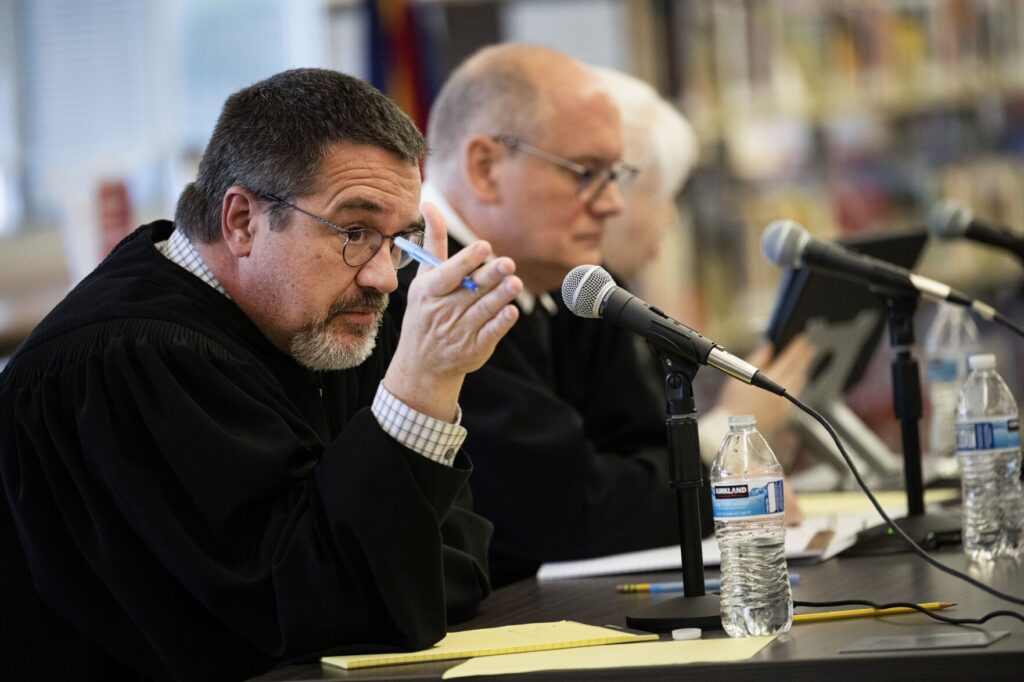
Appeals court reverses convictions after judge blocked defendant’s character witnesses
Michael Karlik
michael.karlik@coloradopolitics.com
Updated 4 days ago
Colorado’s second-highest court reversed a defendant’s convictions for forgery and attempting to influence a public servant last month because a Boulder County judge improperly blocked him from calling witnesses who could testify about his truthfulness. A three-judge Court of Appeals...
Colorado Supreme Court accepts child neglect, unlawful search appeals
Michael Karlik
michael.karlik@coloradopolitics.com
Updated 4 days ago
The Colorado Supreme Court recently announced that it will decide whether a series of missteps led an El Paso County judge to improperly terminate a father’s parental rights, and whether a police officer defendant bears the burden of proving that...
Colorado Attorney General sues HUD over changes to homeless funding
Matt Kyle
matt.kyle@denvergazette.com
Updated 5 days ago
Colorado Attorney General Phil Weiser on Tuesday joined the attorneys general of several other states to sue the federal government over an attempt to cap funding for permanent housing projects. The change would result in tens of thousands of people...
10th Circuit upholds dismissal of ex-Teller County fire chief’s First Amendment lawsuit
Michael Karlik
michael.karlik@coloradopolitics.com
Updated 4 days ago
The Denver-based federal appeals court agreed on Tuesday that the former chief of the Florissant Fire Protection District could not prevail on the claim that his 2023 firing was retaliation for his First Amendment-protected activity. Erik Holt alleged the Teller...