

Aurora approves resolution deterring immigrants

The Aurora City Council approved a resolution Monday night stating that the city of Aurora does not have the funding or resources to handle immigrants being brought into the city.
The vote came after disagreement among councilmembers and backlash from community members who attended the meeting.
The resolution was first considered at a council committee meeting, after which the sponsors made changes in response to feedback from nonprofits and community members.
After the edits, the resolution read that the city of Aurora “affirms remaining a Non-Sanctuary City and asserts the City does not currently have the financial capacity to fund new services related to this crisis and demands that other municipalities and entities do not systematically transport migrants or people experiencing homelessness to the City for temporary housing without the City first being given an opportunity to coordinate such assistance with those other municipalities.”
Originally, the resolution stated that the city would “not allocate public funds, services, or staff resources for migrant support,” expressing worries that bringing immigrants into the city would result in “undue financial hardship” and an increase in demand for services.
That was taken out of the final resolution. It passed Monday night despite “no” votes from Councilmembers Alison Coombs, Ruben Medina and Crystal Murillo.
In stark contrast to neighboring city Denver, Aurora’s newly adopted resolution reiterates the city’s stance since 2017 that it is not a “sanctuary city” but also signals that it won’t adopt its neighboring city’s more “welcoming” position toward the immigrants.
Generally speaking, a “sanctuary city” is a local jurisdiction with a policy of discouraging cooperation with federal authorities such as by forbidding law enforcement from reporting an individual’s immigration status.
Many Aurora residents spoke up about the issue at Monday’s meeting, all but one of whom spoke against the resolution.
Nayda Benitez took the microphone to protest the resolution, saying her family left their home country and came to Aurora out of necessity and found it “incredibly infuriating” to hear the council bring forth an “anti-immigrant” resolution.
“It will be detrimental to public safety, as marginalized communities like newcomers will feel even less comfortable trusting local law enforcement or elected officials,” Benitez said.
The community member who spoke in favor of the resolution accused other speakers of having “no clue what the purpose of a city council is.”
“I heard (councilmembers) called everything in the book because you might possibly want to … respect my tax dollars,” he said. “I get angry when people sit here and think that we can feed every person in the world that pours across our southern border. We simply cannot afford it, it will bankrupt our city.”
Councilmembers in support of the resolution said it does not say anything about being anti-immigrant, but acknowledges the city not having the resources to support the influx of immigrants.
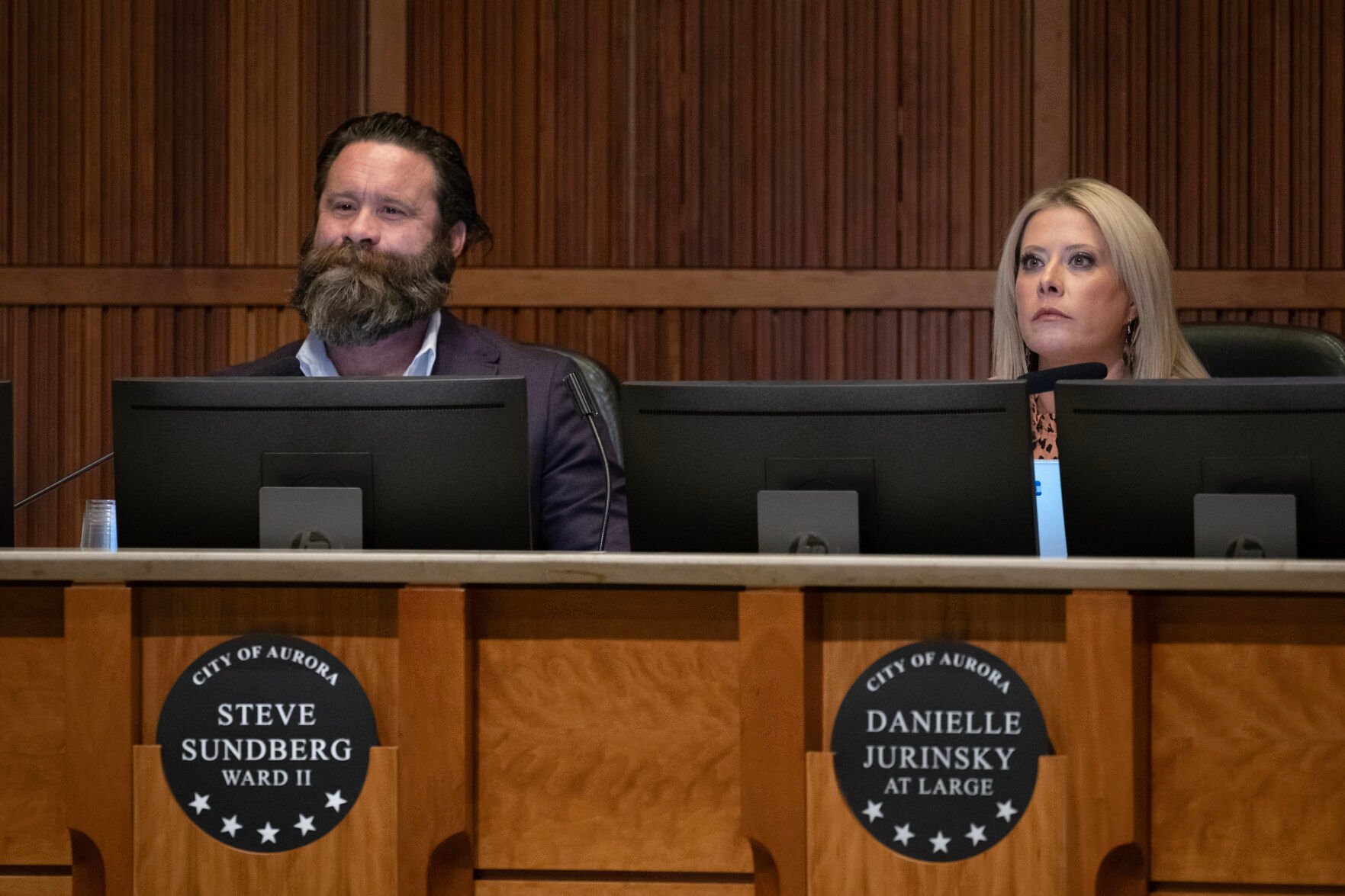
“We do not have the funding that Denver has to sustain this,” Jurinsky said. “Nowhere in this resolution does it say that we will no longer welcome migrants or celebrate migrants in our immigrant communities.”
Councilmember Francoise Bergan agreed that the resolution isn’t about the city not supporting immigrants or welcoming immigrants, but rather about the lack of city resources to support them.
“We are a welcoming city, we love our immigrant community, this is not about not supporting our immigrant community,” Bergan said. “This is about a crisis that has affected major cities.”
Councilmembers who opposed the resolution disagreed, saying the fear being spread through the resolution is anti-immigrant and against what the city says it stands for.
Councilmember Crystal Murillo said she did not support the premise of the resolution “in the least bit.”
“I’m concerned that this is spreading a narrative of fear, that we are pitting groups of marginalized communities and people in need against each other,” Murillo said. “I hope we don’t ever go that route of trying to hold nonprofits or any other private entity that the government is going to try to interfere with their ability to do their work.”
Councilmember Alison Coombs called the resolution “problematic.”
“Folks can say all they want that this resolution is not harmful and unwelcoming to immigrants, but immigrants are telling you that you’re wrong … that is what the immigrants who live here in this city are telling you,” Coombs said.
The illegal immigration crisis that’s been spilling into America’s interior cities – notably Denver, New York and Chicago – has overflowed into other municipalities, confronting the latter with the challenge of caring for the immigrants and the costs that entails.
Aurora Councilmembers Danielle Jurinsky and Steve Sundberg, who sponsored the resolution and brought it to the Federal, State and Intergovernmental Relations policy committee earlier this month, argued that it’s necessary to send a clear signal that the city’s priority is caring for its residents – not the immigrants.
Unlike Denver, Aurora is not a county and, therefore, does not have the same responsibilities or funding that a county has, according to the resolution.
Offering sanctuary or support to people coming into the city creates “financial hardship on the City and burdens available City resources,” the final resolution reads.
Since December 2022, more than 38,600 immigrants have arrived in Denver, where officials decided earlier in the crisis to provide shelter, feed and transport immigrants to their final destination.
Finally, the resolution calls on the federal government to take action, stating that the city calls on them to “perform its constitutional duty and secure our nation’s borders.”
“We want to express our appreciation with the State and local governments and other organizations who are dealing with this crisis,” the resolution passed Monday states.

Top officials in Arizona’s Maricopa County agree on how to oversee elections | OUT WEST ROUNDUP
The Associated Press
the-associated-press@coloradopolitics.com
Updated 4 days ago
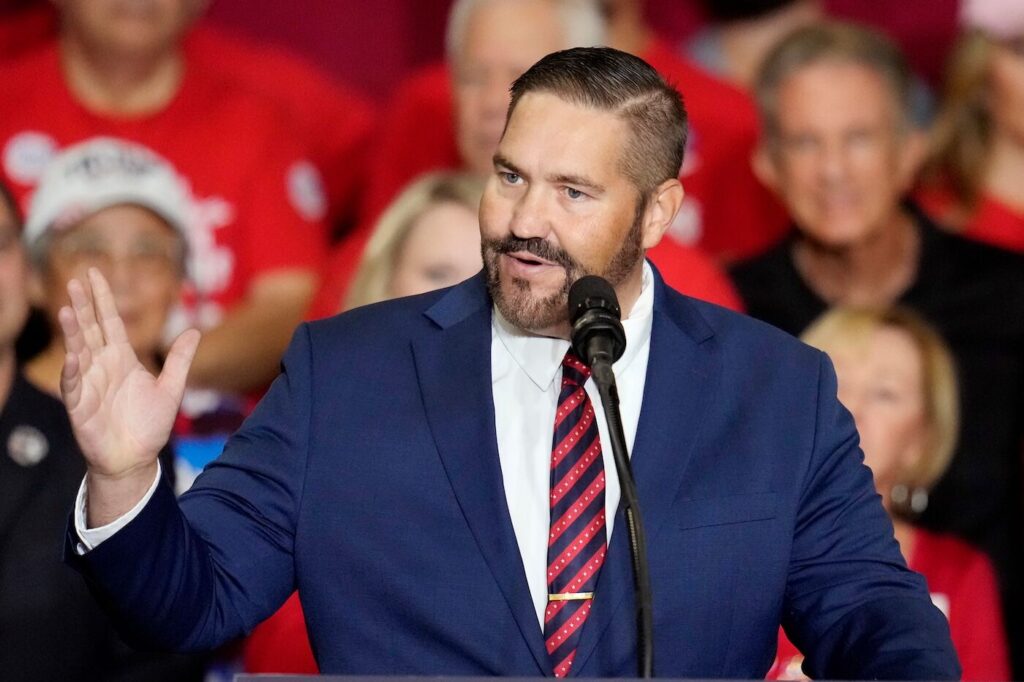
ARIZONA Officials agree on election oversight PHOENIX — Election officials in Arizona’s most populous county reached an agreement a week before the state’s July 21 primary on how to jointly oversee the vote, ending a prolonged legal battle. Republican Maricopa...

Colorado can’t forget the lessons of COVID | Jon Caldara
Jon Caldara
jon-caldara@coloradopolitics.com
Updated 3 days ago
We are finally getting a clearer picture of what happened during COVID. Not because the people who locked us up, masked our faces and forced unproven chemicals into our bodies have suddenly become transparent, but because Anthony Fauci’s COVID-era diary...
Historic preservation supporters organize to oppose Trump changes | Bob Loevy
Tom Cronin
tom-cronin@coloradopolitics.com
Updated 2 days ago
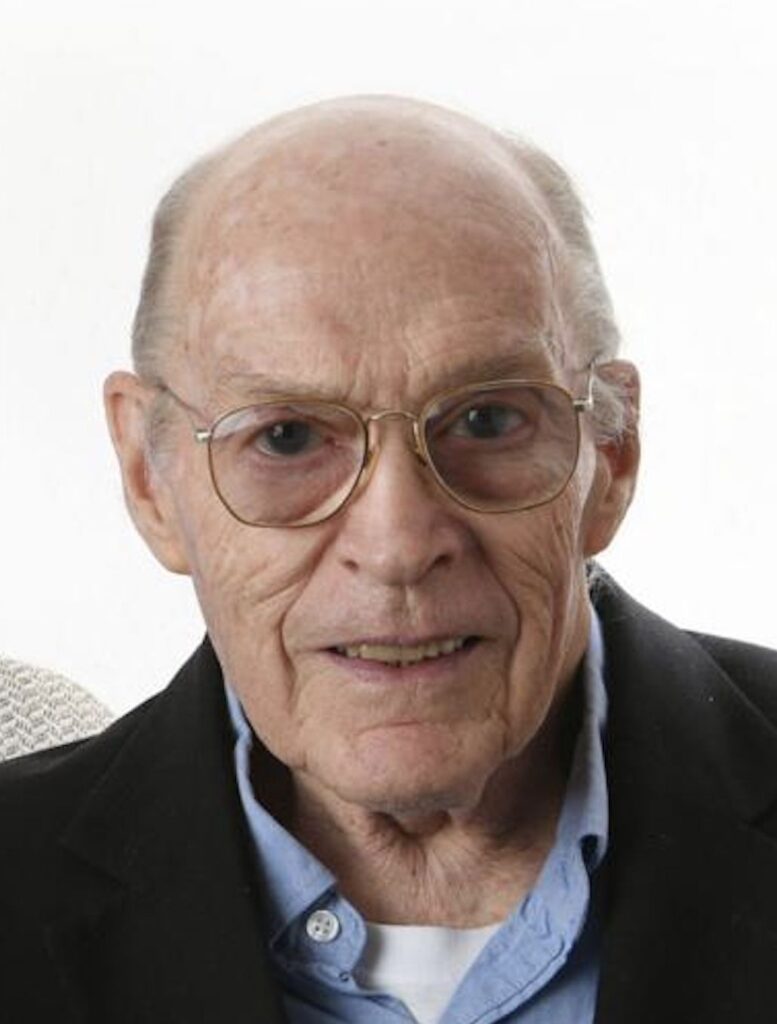
Historic preservation organizations in Colorado Springs, the remainder of Colorado and across the nation are organizing to resist a recent effort to relax and weaken historic preservation laws in the United States. In Washington, D.C., the Advisory Council on Historic...

Colorado Politics Calendar Aug. 3-9
Rachael Wright, Special to Colorado Politics
rachael.wright@coloradopolitics.com
Updated 4 days ago
CoPo’s weekly political calendar will help you find political and public-policy events throughout Colorado. It includes candidate and issue campaign events, public policy meetings, court hearings, state and local party conventions, assemblies, debates, rallies, parades, speaking engagements, traveling dignitary appearances,...
Susemihl wins surprise victory to replace Steve Durham as Colorado Springs state senator | A LOOK BACK
Rachael Wright, Special to Colorado Politics
rachael.wright@coloradopolitics.com
Updated 4 days ago
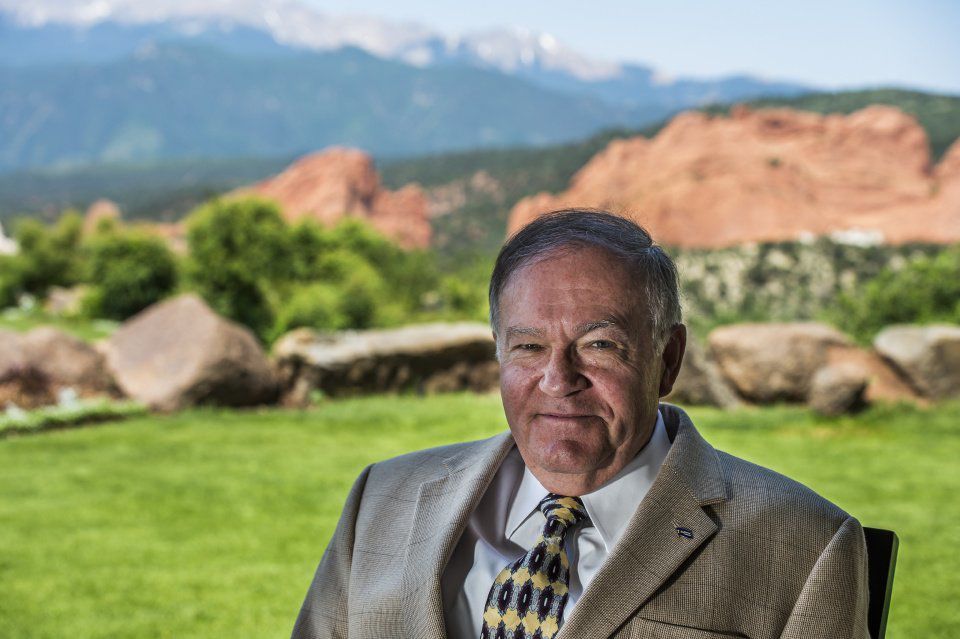
Forty-five years ago this week: In a closed session, the vacancy committee for Colorado’s Senate District 12 selected attorney Peter Susemihl to complete Sen. Steve Durham’s, R-Colorado Springs, term. Durham resigned his seat to become Region 8 Director of the...

The primary political reform and precondition for all others | SONDERMANN
Eric Sondermann
eric-sondermann@coloradopolitics.com
Updated 4 days ago
In its current state, the American political system has no end of ailments. Far too many factors accelerate polarization and work against moderation and narrowing the differences. Media, and the way so many citizens limit themselves to agreeable, reinforcing sources,...

10th Circuit partially revives lawsuit over 2020 Denver protest injuries
Michael Karlik
michael.karlik@coloradopolitics.com
Updated 7 hours ago
The Colorado-based federal appeals court revived a man’s claims against Denver on Friday after concluding a trial judge resolved the case in the city’s favor without analyzing two of the three instances of alleged excessive force and other constitutional violations....

At conservative summit, Colorado Republican leaders concede Democrats’ election edge
Marissa Ventrelli
marissa.ventrelli@coloradopolitics.com
Updated 1 day ago
Four Republican state lawmakers told attendees at a gathering of conservative leaders on Friday they doubt their party can win statewide races, noting that Colorado’s electorate has been shifting toward Democrats but adding they see an opening in several pockets....

Federal judges find Colorado immigration judge violated several orders
Michael Karlik
michael.karlik@coloradopolitics.com
Updated 1 day ago
Multiple federal judges in Colorado have freed people from immigration custody after determining that one immigration judge violated their directives for properly conducting bond hearings. For nearly a year, Colorado’s U.S. District Court has faced a flood of habeas corpus petitions...
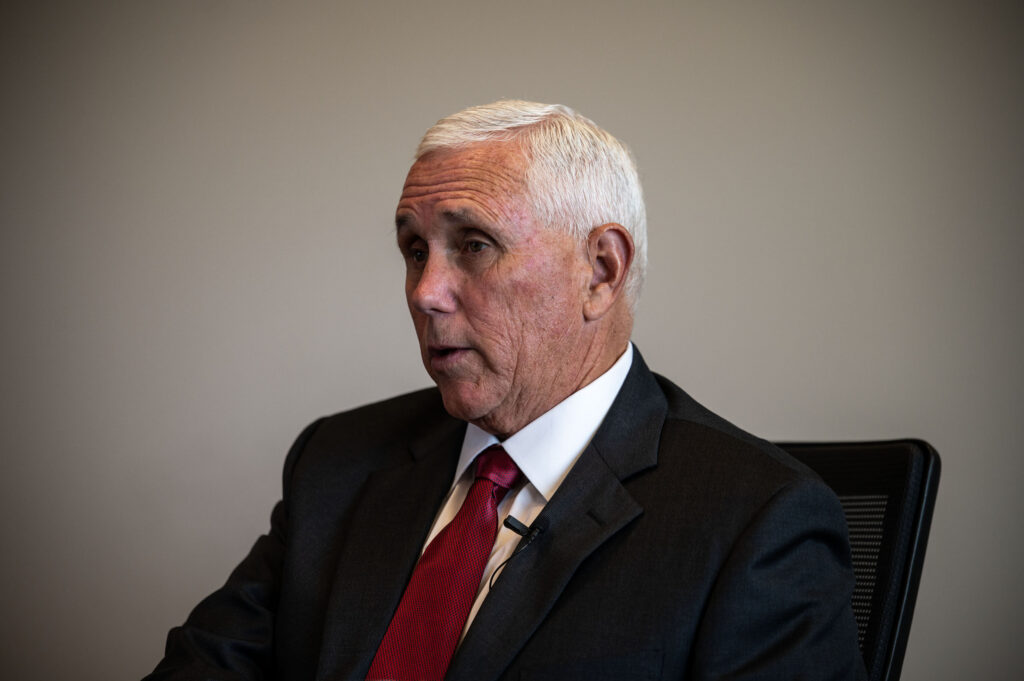
Q&A with Mike Pence | Former vice president says GOP’s populist turn from conservatism isn’t permanent
Ernest Luning
ernest.luning@coloradopolitics.com
Updated 1 day ago
Former Vice President Mike Pence says he’s concerned that the Republican Party has taken a populist turn away from bedrock conservative principles during President Donald Trump’s second term, but he believes the party will return to its roots when Trump...