

State lawmaker endorses in GOP primary, causes kerfuffle | A LOOK BACK
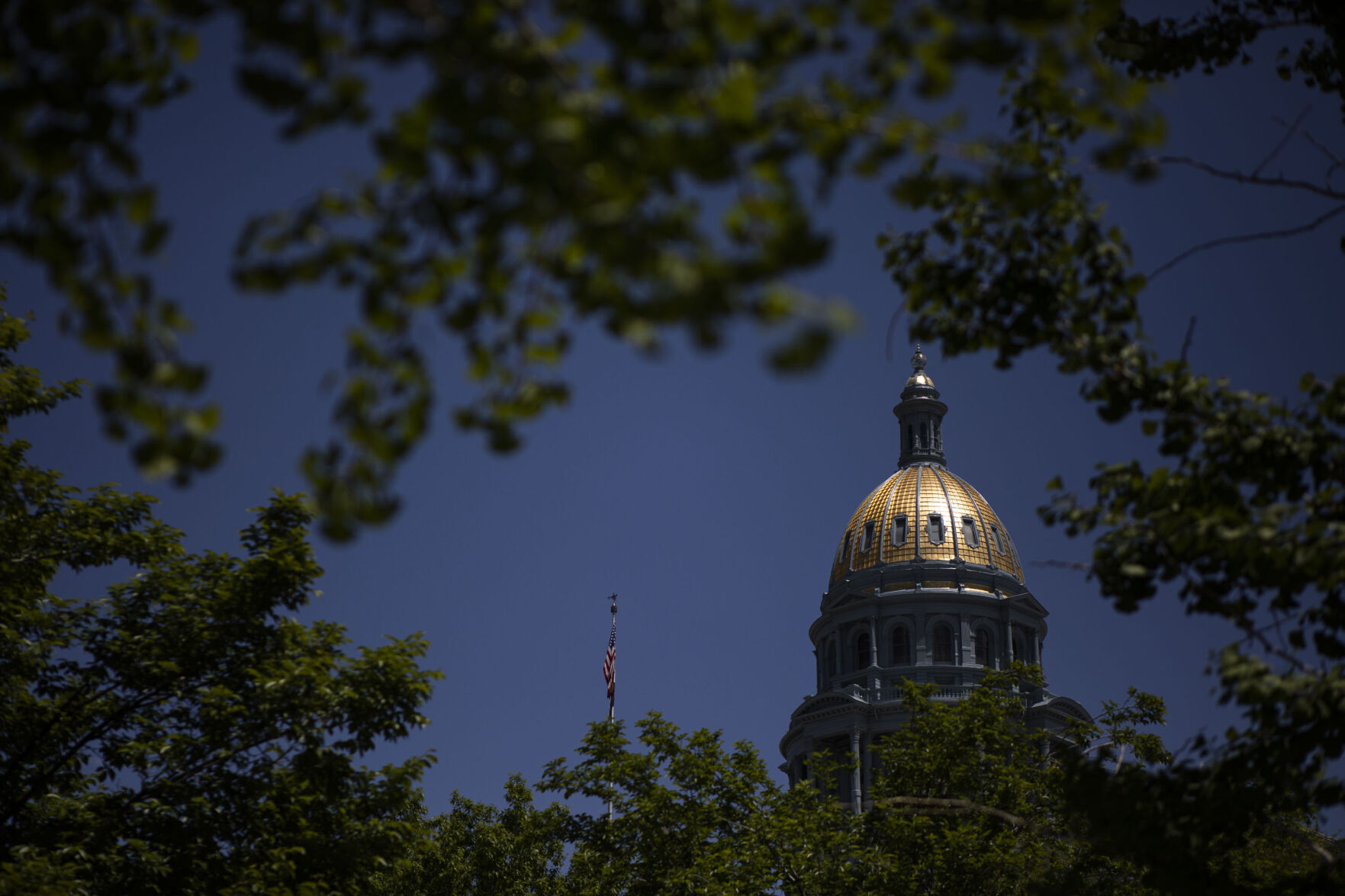
Forty Years Ago This Week: State Rep. Jack Fenlon, R-Aurora, found himself running afoul of the state Republican Party when he endorsed Elsie Lacy for Aurora City Council in a letter to his constituents.
Lacy, who served as treasurer on Fenlon’s 1982 campaign was running for re-election to city council, had a primary challenge from fellow Republican Roger Hayes. Hayes filed a complaint with the state party alleging a violation of the bylaws.
In the 1980s, the state GOP provided each state legislator $500 for political mailings in their districts, but party by-laws prohibited the state organization from endorsing in races where there were Republican primaries. Party officers responded to the complaint quickly to Hayes’s complaint and asked Fenlon to reimburse the party coffers for the mailing, promising Fenlon funds for another mailing as long as he stuck to the guidelines.
“It’s all part of the job,” Fenlon said. “The bottom line is the letter was paid for at my expense not the taxpayers’ and not the state party’s.”
But Hayes didn’t think much of Fenlon’s response.
“It’s like robbing a bank and then paying it back,” Hayes said. “I don’t give the endorsement much weight. I lost most of two minutes sleep over it.”
Kay Riddle, political director for the state GOP, said that Fenlon’s endorsement had slipped through the usual checks, but once it was discovered the matter was handled swiftly.
In other news, the Colorado Democratic Party’s chairman, Floyd Ciruli, publicly called for the resignation of Secretary of the Interior James Watt after his remarks at a political action committee dinner where he referred to his advisors as “a woman, two Jews, a black, and a cripple.”
“Watt’s latest remarks simply affirm what most people have knows for three years,” Ciruli said, “that he is unqualified for cabinet service and should be removed immediately.”
Ciruli also questioned why Colorado’s Sen. Bill Armstrong had remained silent on the issue and said that he was “incapable of recognizing that his recommendation and support of Watt was, and is an error of judgement.”
Thirty Years Ago: After months of rampant speculation that he would be launching a campaign for governor, former U.S. Sen. Bill Armstrong announced that he would “not run for political office in 1994.”
“I am absolutely not a candidate for governor,” said Armstrong. “I will be involved to the extent of voting, but I don’t have any plans to become personally involved in a campaign.”
After retiring from the senate in 1991, Armstrong had kept a low profile until his name appeared on a list of speakers for the Republican Leadership Conference Estes Park and he attended the dedication of Focus on the Family’s complex in Colorado Springs.
According to polling, Armstrong rated higher than any other Republican gubernatorial hopeful in statewide name recognition.
One anonymous Republican lamented Armstrong’s decision, “If Bill had run, we would have a very interesting race for governor with clear cut differences.”
Contrasting the positives of name recognition, GOP skeptics argued that Armstrong’s dedication to religious causes and his involvement with Colorado for Family Values were at odds with a large portion of Colorado voters.
An anonymous state Democratic Party officer said he had hoped for a race between Armstrong and incumbent Gov. Roy Romer. Romer would win, the party officer argued, and “the loss would stymie the Religious Right movement and stem the tide of public sentiment for discriminating social reforms. In the process, Armstrong would cause anarchy in the Republican Party and create opportunities for Democrats to win.”
Political Consultant Eric Sondermann said that, “As a Senator, Armstrong was very passionate and sincere about his beliefs. He avoided the extremist label. But out of office … he can’t have it both ways.”
Sondermann also argued that Amstrong’s strong support of Amendment 2 made him the “ultimate polarizing figure.”
“Republicans can’t afford further polarization, particularly in the upcoming election year,” said Sondermann.
Rachael Wright is the author of the Captain Savva Mystery series, with degrees in Political Science and History from Colorado Mesa University, and is a contributing writer to Colorado Politics and The Gazette.


Appeals court clarifies offense of impersonating a peace officer
Michael Karlik
michael.karlik@coloradopolitics.com
Updated 2 hours ago
Colorado’s second-highest court clarified this month that a person commits the offense of impersonating a peace officer if they engage in “any conduct” while pretending to be law enforcement. In a case out of El Paso County, Richard James Coulier...
Hickenlooper raises $900K since April, heads into primary with almost $3 million on hand
Ernest Luning
ernest.luning@coloradopolitics.com
Updated 1 hour ago
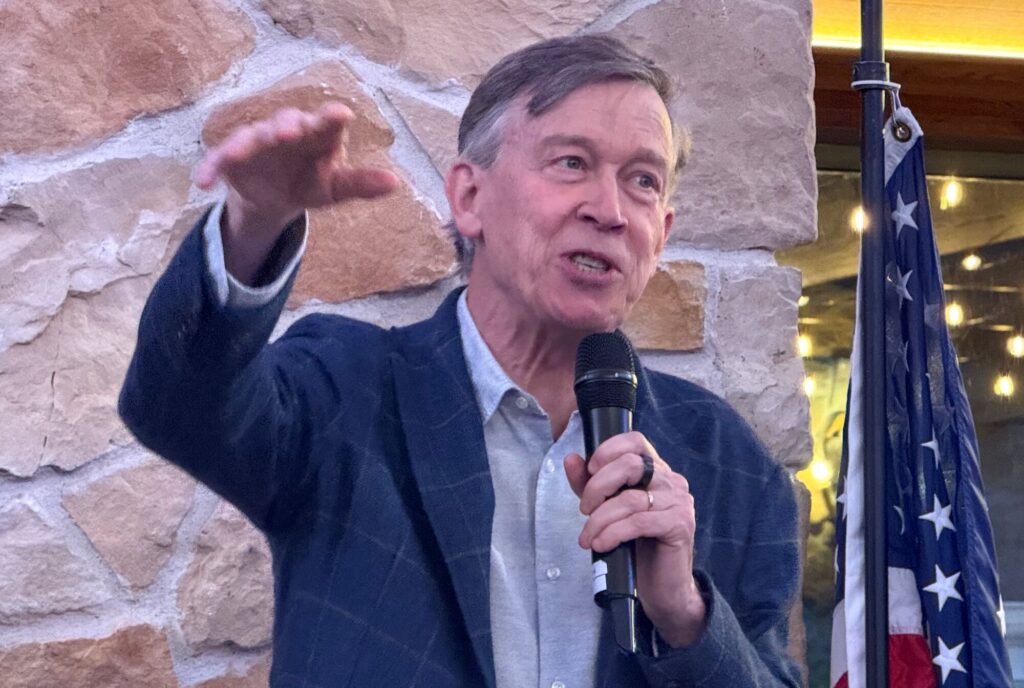
U.S. Sen. John Hickenlooper raised just over $900,000 for his reelection bid in the 10-week pre-primary reporting period, the Colorado Democrat’s campaign said Wednesday. The campaign finished the period with almost $3 million in the bank, with more than 80%...
Four takeaways from Georgia, DC, Alabama, and Oklahoma primary elections
Rena Rowe, Washington Examiner
rena.rowe.washington.examiner@gazetteedit.wpenginepowered.com
Updated 31 minutes ago
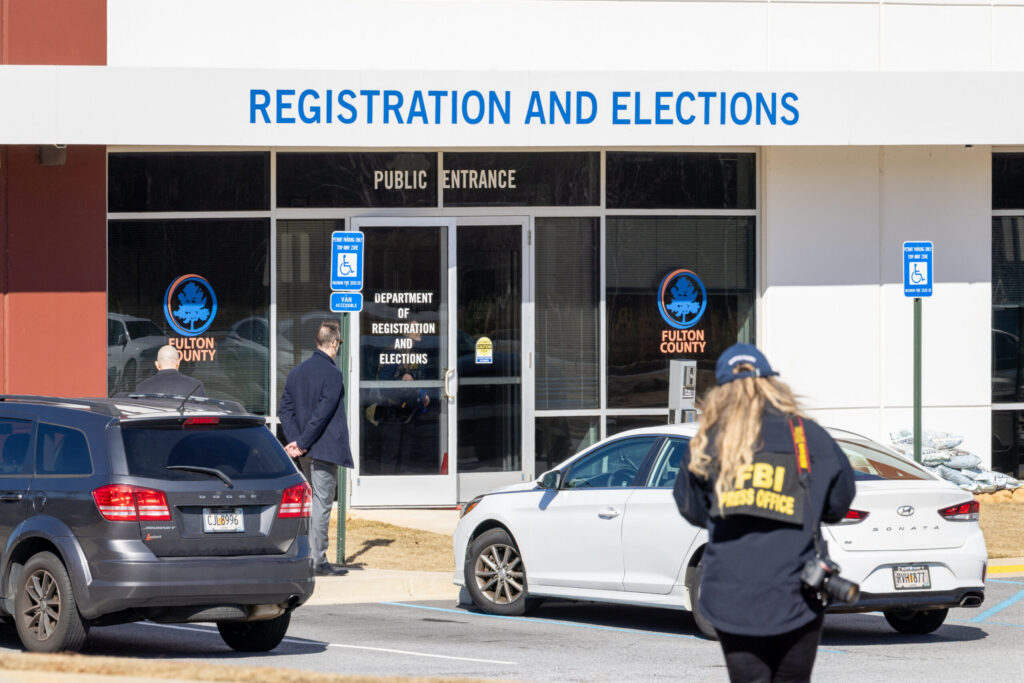
Voters across the country delivered a mixed verdict in a series of high-profile primary contests Tuesday, elevating political outsiders, boosting progressive candidates in deep-blue jurisdictions, and offering fresh clues about President Donald Trump’s hold on the GOP ahead of the...
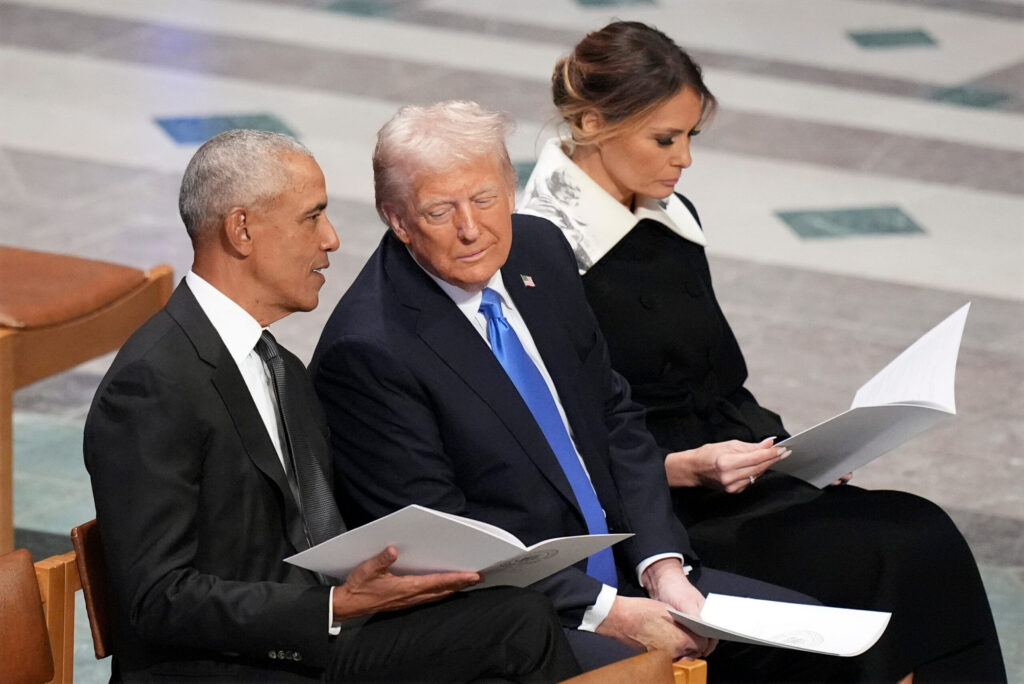
Trump and Obama lock horns as White House tries to sell new Iran deal
NAOMI LIM Washington Examiner
naomi-lim-washington-examiner@coloradopolitics.com
Updated 35 minutes ago
Former President Barack Obama‘s reemergence is looming over President Donald Trump‘s peace deal with Iran as the incumbent tries to sell his deal to an increasingly skeptical public after the nearly four-month war. Obama’s return to the headlines as he...

Littleton approves $1M for Starlight affordable housing project
Nicholas Fogleman
nicholas.fogleman@denvergazette.com
Updated 4 hours ago
The Littleton City Council on Tuesday approved a $1 million funding request to support construction of a new affordable housing development known as the Starlight Apartments. The council authorized the contribution from the city’s Affordable Housing Fund for the project,...
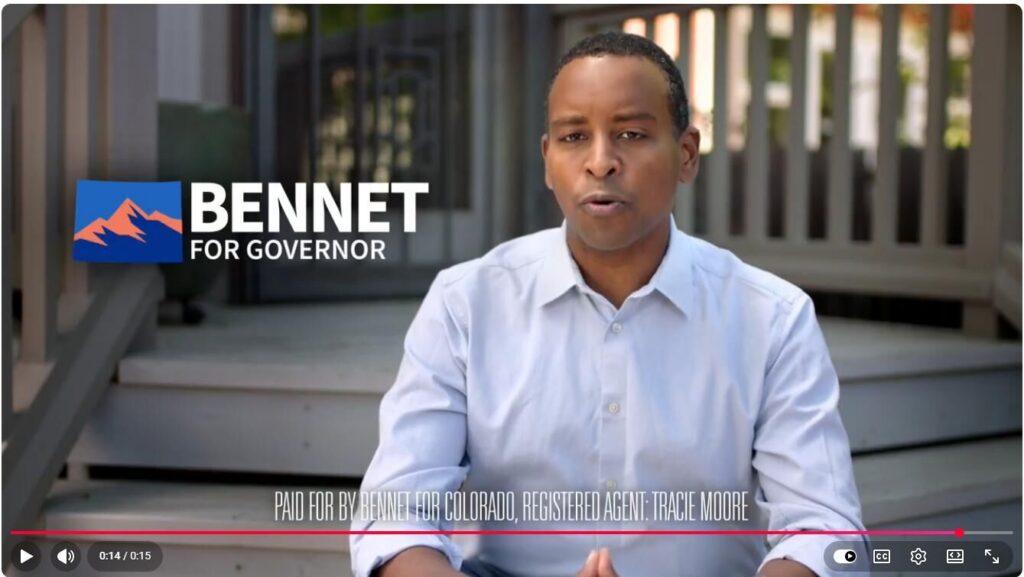
Bennet’s gubernatorial ads say U.S. Senate committee paid for them
Marianne Goodland
marianne.goodland@coloradopolitics.com
Updated 4 hours ago
A series of TV commercials for U.S. Sen. Michael Bennet’s gubernatorial campaign showed disclaimers that indicated his U.S. Senate campaign committee paid for those ads. That’s potentially a violation of state campaign finance law, one for which the Bennet campaign...
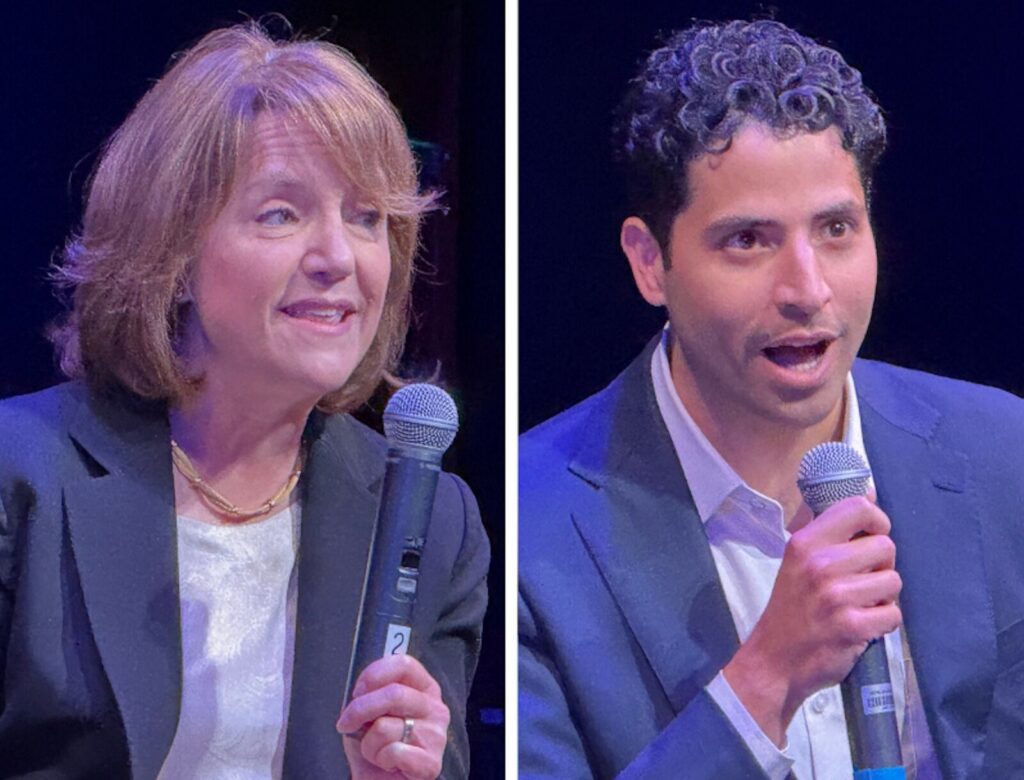
Democratic candidates for the 8th Congressional District: Meet Manny Rutinel and Shannon Bird
Thelma Grimes
thelma.grimes@coloradopolitics.com
Updated 22 hours ago
Colorado’s 8th Congressional District is once more the site of a hard‑fought Democratic primary, with candidates competing for the chance to challenge Republican incumbent Gabe Evans this November. A once‑crowded field has narrowed to state Rep. Manny Rutinel and former...
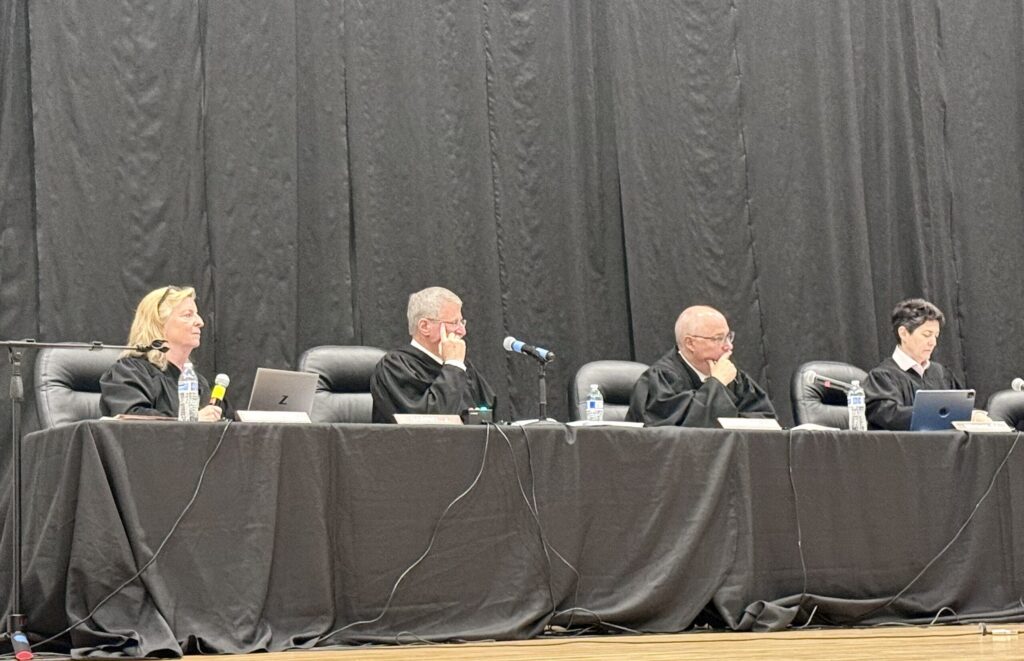
Colorado Supreme Court reverses 2 Chaffee County judges for imposing fee on habeas petitioner
Michael Karlik
michael.karlik@coloradopolitics.com
Updated 22 hours ago
The Colorado Supreme Court rejected two separate appeals earlier this month from an incarcerated defendant seeking immediate release from prison, but concluded that two Chaffee County judges incorrectly required him to prepay filing fees for his cases. David J. Gottorff...

A graduated tax plan could undercut Colorado’s business competitiveness, analysis warns
Marissa Ventrelli
marissa.ventrelli@coloradopolitics.com
Updated 22 hours ago
A proposal to move Colorado to a graduated income tax — taxing individuals and businesses at different rates based on their earnings — could generate more than $2 billion in its first year, but it may also weaken the state’s...

Denver City Council committee delays vote to advance biennial budget
Deborah Grigsby
deborah.smith@denvergazette.com
Updated 4 hours ago
Members of the Denver City Council Governance and Intergovernmental Relations Committee delayed a vote that would advance a proposed ballot measure allowing the city to adopt an optional biennial budget cycle because three of the seven voting members were out...
PREV
PREVIOUS

Justice Melissa Hart addresses scope of state, federal constitutional protections amid legal battles
During a discussion about the ways in which Colorado’s constitution provides certain protections beyond its federal counterpart, Justice Melissa Hart invited attorneys to consider how to expand the range of issues brought before the state’s highest court. “We can only do what we get,” she said of the Supreme Court. “But lawyers need to think […]
Get to know Aurora's mayoral candidates | DENVER VOTERS GUIDE
With Aurora’s November election rapidly approaching, city residents will have several big decisions to make in choosing the next city leaders. Voters will choose between several candidates for mayor, at-large councilmembers and councilmembers for districts (called “wards”) IV, V and VI. Three candidates, Mike Coffman, Juan Marcano and Jeffrey Sanford, are running for mayor, a […]