

Federal judge allows retaliation lawsuit to proceed against prison dentist
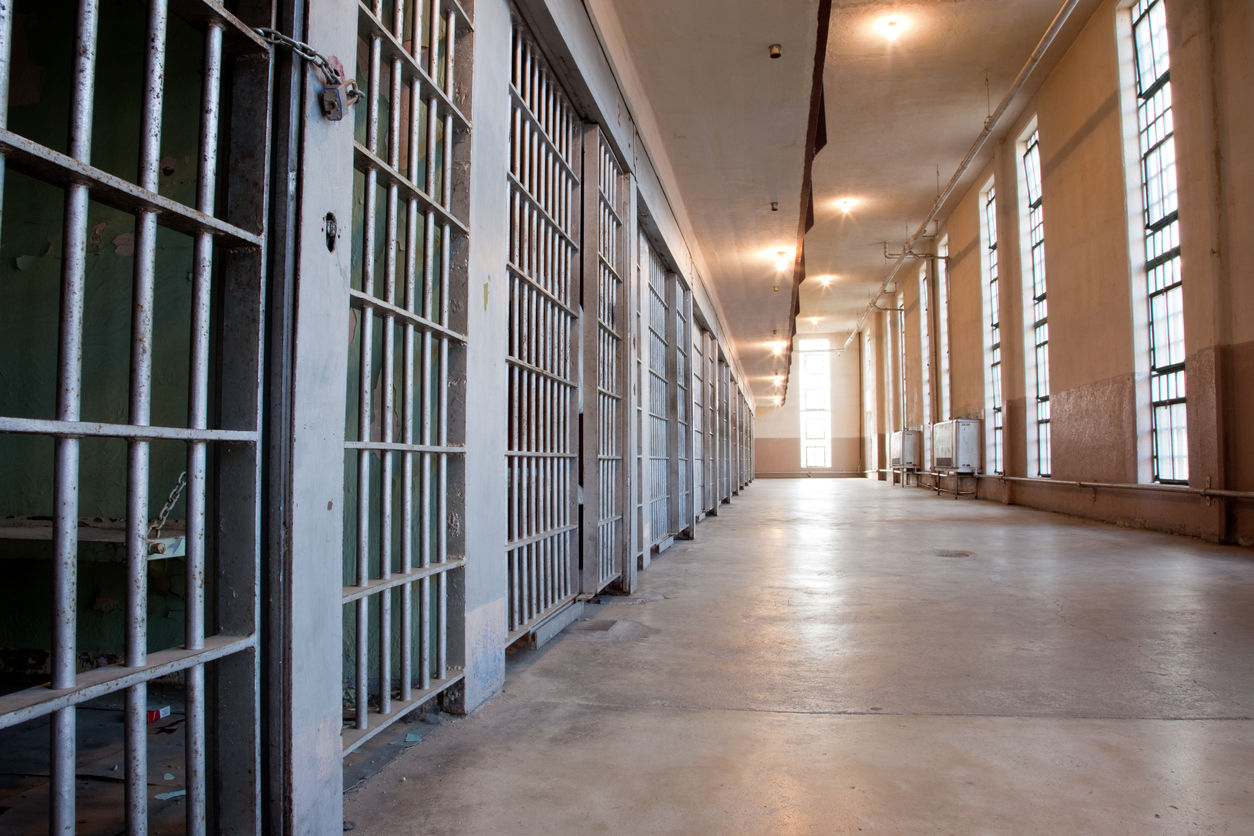
A federal judge has declined to dismiss an incarcerated man’s claim that a prison dentist retaliated against him for filing a complaint about his allegedly substandard dental care – to the point of making threats and acting aggressively toward him during an appointment.
LaRon Antonio Donald, who resides at the Arkansas Valley Correctional Facility, sued multiple prison officials over their alleged indifference to his serious tooth pain. He also sued Douglas Pearson, a dentist, for retaliating against him once Pearson found out Donald had filed a grievance about the allegedly deficient treatment Pearson was providing.
On Aug. 18, U.S. District Court Senior Judge Raymond P. Moore agreed to dismiss the majority of Donald’s complaint, finding Donald had not sufficiently linked the prison officials’ actions to any constitutional violation. However, Moore agreed that Donald may proceed with his claim that Pearson reacted menacingly in response to Donald exercising his right to file a grievance.
“Defendant Pearson’s attempt to paint the encounter as ‘nothing more than a disagreement’ about Plaintiff’s recommended treatment plan is simply unavailing,” Moore wrote.
Donald, who is representing himself from prison, claimed that he began experiencing discomfort in his teeth in April 2021. Pearson first examined him in May and allegedly agreed Donald had a few teeth that needed filling. Donald did not receive treatment at that time, but had an appointment scheduled for August.
During the second appointment, Pearson allegedly said Donald’s cavities “can go longer before I’m going to fill them.” Pearson also denied a request for a mouth guard, reportedly because it could cause more damage.
In October, Donald filed a grievance with the prison about Pearson’s alleged lack of action, and he also sought another appointment for his severe pain. He continued to submit grievances and appointment requests, calling the pain so extreme that he “can’t think.” At one point, Donald spit out a tooth fragment while eating, but he did not label the situation an emergency because prison staff told him he needed to be “bleeding or swelling.”
In late December, Pearson saw Donald again. According to Donald’s lawsuit, Pearson allegedly pulled out a grievance and demanded to know if Donald had written it.
“Do you think it was wise to write something like this when I’m the one who’s going to perform a surgical procedure on you?” Pearson allegedly said. He then forced Donald to read aloud from the grievance, which made Donald feel “humiliated.”
Pearson reportedly continued to berate Donald about “tell(ing) me how to do my job” and informed Donald he would pull three of his teeth. Donald asked to see which teeth would be pulled, prompting Pearson to forcefully shove a mirror into Donald’s hands. Donald allegedly learned Pearson wanted to extract a tooth that was not causing problems.
“Plaintiff became concerned that Defendant Pearson was attempting to pull his good teeth and not fix his cavities with fillings to punish him for filing grievances,” Donald wrote.
Donald then left the room, with Pearson attempting to block his exit.
In moving to dismiss the lawsuit, Pearson’s attorneys argued Pearson was not deliberately indifferent to Donald’s serious medical needs, but rather had a different course of treatment in mind. As for Donald’s allegation of retaliation, they asserted Donald was actually the aggressor during the appointment. Moreover, Donald had not satisfied a key component of his retaliation claim: showing Pearson’s actions deterred Donald from filing future grievances.
During a November 2022 conference, U.S. Magistrate Judge N. Reid Neureiter expressed concern that Donald had still not received the necessary dental care, even after filing suit. He asked the government’s lawyers if they would “facilitate a resolution that would involve getting the Plaintiff – getting his cavity filled, or cavities filled, and addressing maybe his erupting tooth, in a way that doesn’t involve Dr. Pearson.”
He added that if Pearson himself had already acknowledged Donald needed dental care, Donald “shouldn’t be sitting around for a year and a half while we work on motions to figure out where we can get some care.”
Neureiter subsequently recommended allowing only Donald’s retaliation claim to proceed. Donald had credibly alleged Pearson responded threateningly to the filing of a grievance, and it was clear that prison employees may not retaliate in response to a complaint.
“Factual development may reveal that Mr. Donald was, in fact, the one who became aggressive during the dental appointment, or that Defendant Pearson never engaged in any retaliatory action,” Neureiter explained, but that evidence would need to come later.
Moore, the district judge, upheld that recommendation. He noted Donald was not required to show Pearson’s alleged conduct deterred him from filing further grievances, only that Pearson’s conduct would deter a person of “ordinary firmness” from doing so. He believed Donald’s allegations satisfied that test.
In February, three months after Neureiter’s intervention, Donald reported that he had seen a different dentist, who extracted multiple teeth. He characterized the procedure as unnecessarily brutal, but that he was “happy to have something done finally.”
The case is Donald v. Pearson et al.


10th Circuit grants immunity to officers for fatal Manitou Springs shooting
Michael Karlik
michael.karlik@coloradopolitics.com
Updated 3 hours ago
The Denver-based federal appeals court ruled on Wednesday that responding officers from Manitou Springs and El Paso County cannot be held constitutionally liable for shooting and killing a man after a 20-minute standoff. Wilford Deweese allegedly pulled out a gun...
10th Circuit rejects invitation for full-court review of tax-avoidance case
Michael Karlik
michael.karlik@coloradopolitics.com
Updated 15 minutes ago
The Denver-based federal appeals court declined to reconsider the standards for holding entities liable for their tax-avoidance schemes, with a majority of judges voting against full-court review on Monday. In April, a three-judge panel of the U.S. Court of Appeals...
Colorado judge blasts state forensics lab in dismissing child sex case
Jenny Deam
jenny.deam@gazette.com
Updated 29 minutes ago
In a potentially widely consequential action, a Weld County district judge dismissed a child sexual assault case, citing the ongoing scandal at the Colorado Bureau of Investigation’s forensic lab that “has left a dark mark on the history of Colorado...
10th Circuit sympathetic to Colorado consumer protection law governing interest rates
Michael Karlik
michael.karlik@coloradopolitics.com
Updated 1 day ago
Members of the Denver-based federal appeals court appeared sympathetic on Tuesday to Colorado’s assertion that it can lawfully require certain out-of-state banks to abide by the state’s own ceilings on interest rates when they lend to consumers in Colorado. The...
Colorado justices to decide insurance companies’ obligation to disclose relevant policies
Michael Karlik
michael.karlik@coloradopolitics.com
Updated 6 hours ago
The Colorado Supreme Court announced on Monday that it will decide whether an insurance company violated state law by withholding an at-fault driver’s policy for nearly a year when there was no dispute that the policy was not in effect...

Judicial performance evaluations released, Montezuma County judge disciplined | COURT CRAWL
Michael Karlik
michael.karlik@coloradopolitics.com
Updated 2 days ago
Welcome to Court Crawl, Colorado Politics’ roundup of news from the third branch of government. Colorado’s citizen-led judicial performance commissions released their voter narratives for the judges standing for retention in November, plus a disciplinary panel imposed consequences on a...
DA justifies CSPD officers in fatally shooting man at McDonald’s
Cleo Westin
cleo-westin@coloradopolitics.com
Updated 1 day ago
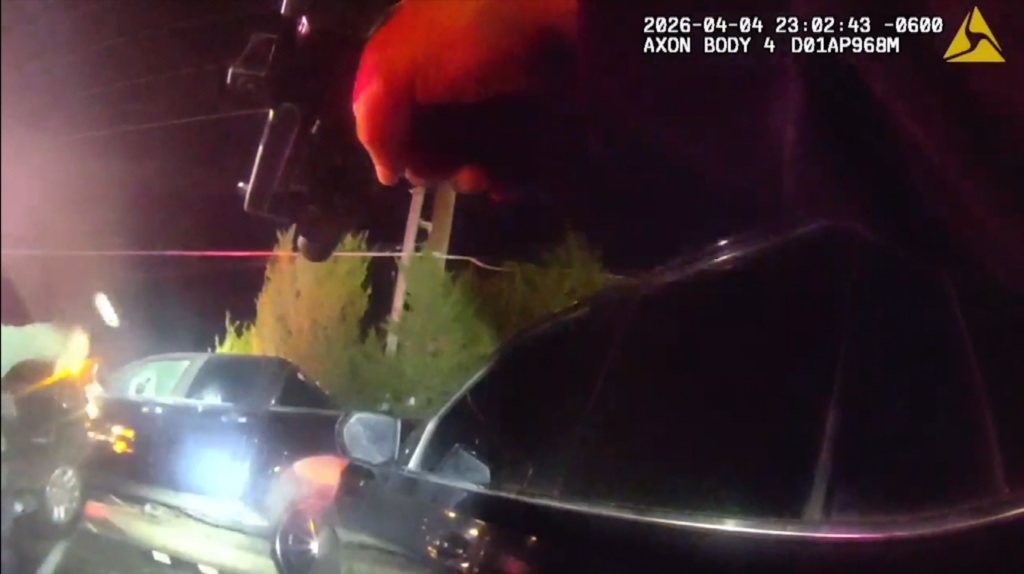
The deadly shooting of a man by Colorado Springs police officers at a McDonald’s was ruled justified by the 4th Judicial District Attorney’s Office on Monday, the office announced in a news release. The ruling determined officers Daniel White, Mitchell...
Federal judge holds off on dismissing formerly bankrupt medical contractor from Jeffco jail death lawsuit
Michael Karlik
michael.karlik@coloradopolitics.com
Updated 1 day ago
A federal judge declined on Monday to dismiss the formerly bankrupt medical contractor from a lawsuit over a detainee’s death in Jefferson County jail, but indicated she would do so if the plaintiffs’ attorneys go through the process to ensure...
Castle Rock caregiver sentenced after stealing more than $110,000 in jewelry from family
Nicholas Fogleman
nicholas.fogleman@denvergazette.com
Updated 1 day ago
A judge sentenced a Castle Rock caregiver to 90 days in jail after she pleaded guilty to stealing more than $110,000 worth of jewelry from the family of a disabled son under her care. Elsa Montejo-Fuentes, 32, had worked for...
Federal judge green-lights excessive force, retaliation claims for trial against Fort Collins officers
Michael Karlik
michael.karlik@coloradopolitics.com
Updated 4 days ago
A federal judge green-lit a jury trial last week against multiple Fort Collins police officers on claims that they used excessive force on one man who was standing unarmed in his underwear, and retaliated against another man for exercising his...
PREV
PREVIOUS

Report claims outdoor recreation money can ease pain of moving away from oil and gas
Oil and gas extraction in Colorado is both undesirable and fiscally unnecessary, environmental activists said on Tuesday, citing a report that claimed money from the outdoor recreation industry can ease the economic pain of transitioning away from fossil fuels. “The outdoor recreation economy is significant in Colorado, and provides an alternative, though not full replacement, […]
Denver International Airport CEO Phil Washington to be inducted into transportation hall of fame
Denver International Airport’s CEO Phil Washington is set to be inducted into the American Public Transportation Association Hall of Fame this October. The news comes on the heels of an announcement from the U.S. Department of Transportation that Washington was selected by Transportation Secretary Pete Buttigieg to serve on a committee advising the department about […]