

Colorado appeals court says in-person doctor exam not required for workers’ comp cases
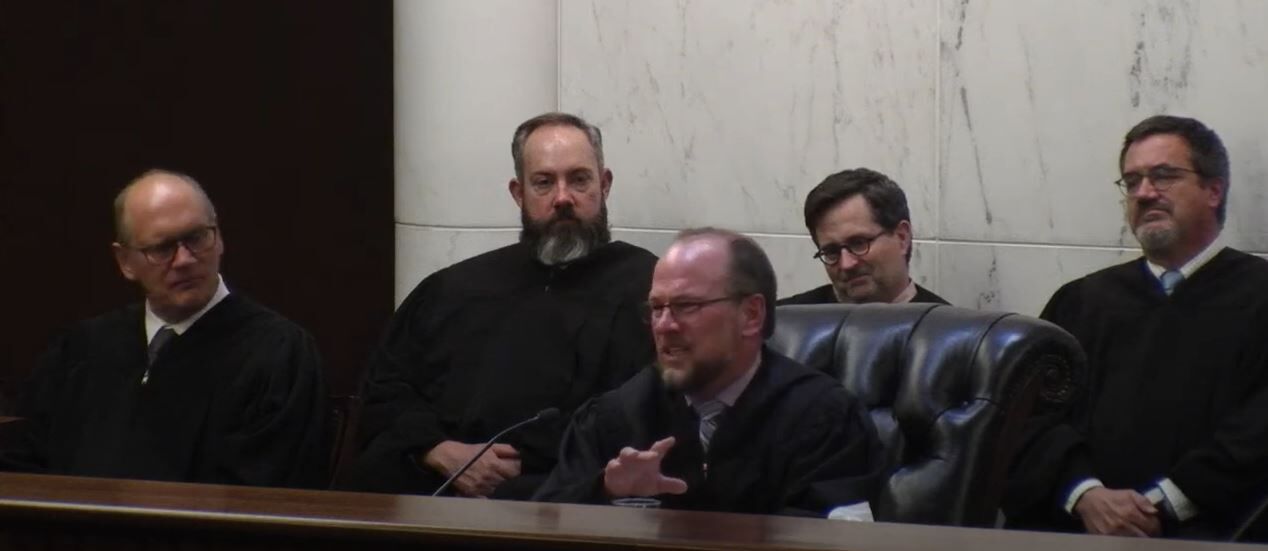
Physicians are allowed to find an injured worker suffers from no permanent disability without having to examine them in person, the state’s second-highest court ruled last month.
A three-judge panel for the Court of Appeals emphasized a doctor’s conclusion about a patient’s impairment, based solely on paperwork, is “not the preferred way” to do things. Nonetheless, Colorado law does not require the doctor to physically examine the patient before making their findings.
“Such a policy decision rests with the General Assembly,” wrote Judge Timothy J. Schutz in the panel’s June 29 opinion.
The question arose after the COVID-19 pandemic rendered a physician unable to travel to Durango to evaluate a bus driver who was injured on the job. Keith Rosten slipped on an icy parking lot in January 2020 and hit his head. He received treatment for his injuries through Centura.
Later that year, Rosten reached his maximum level of improvement and was set to receive a physician’s permanent disability rating. Shortly afterward, Rosten’s physician left Centura. The doctor who succeeded him, Thomas Centi, was unable to travel to Durango because Centura’s pandemic policy prohibited the trip. At the time, there was no ability for a virtual visit, either.
Instead, Centi reviewed Rosten’s medical records and concluded Rosten suffered from no permanent impairment from his work injuries.
Case: Rosten v. Industrial Claim Appeals Office
Decided: June 29, 2023
Jurisdiction: Industrial Claim Appeals Office
Ruling: 3-0
Judges: Timothy J. Schutz (author)
Elizabeth L. Harris
Lino S. Lipinsky de Orlov
Rosten attempted to request a second evaluation in his workers’ compensation case, but he submitted the application too late. Rosten then challenged the validity of Centi’s conclusion, due to the doctor’s reliance solely on paperwork with no accompanying exam.
“Although relying upon prior medical records may not be the ‘best practice,'” acknowledged Administrative Law Judge Cassandra M. Sidanycz, there was “no requirement in the statute” that Centi examine Rosten in person before declaring him not impaired.
Rosten turned to the Court of Appeals, where the panel of judges heard differing accounts of how the workers’ compensation system normally handles disability determinations.
“There’s going to be doctors that don’t know what’s happening on a case all the time. They may not know what another doctor said. It happens all the time,” argued Brad J. Miller, an attorney for Durango. “I can tell you I’m in court all the time where treating doctors have not seen all kinds of evidence.”
“That is not the truth,” insisted Bethiah Beale Crane, the lawyer for Rosten. “I live in a different world than the world presented to you by opposing counsel.”
The Court of Appeals judges pointed out Colorado law does not explicitly address the need for in-person exams before a doctor finds there is no permanent disability.
“What is the statutory provision that has been violated by the doctor’s failure to conduct the in-person exam?” asked Judge Elizabeth L. Harris.
There is no provision, admitted Crane. But, by the same token, there is “nothing that allows Dr. Centi to step in and say, ‘Oh, COVID doesn’t allow me to actually see the patient and I’m just going to do this remote record review only.'”
The law did provide one clue about the legislature’s intent: Injured workers who live out of state are allowed to receive an impairment rating based on paperwork only.
“Doesn’t that tell us, logically, that if the claimant is in state,” observed Judge Lino S. Lipinsky de Orlov, “the claimant is entitled to an in-person examination by the physician?”
Ultimately, the Court of Appeals declined to find any requirement for in-person examinations in the absence of any explicit direction. The panel chided Centi for creating a “misimpression” with his report that he evaluated Rosten in person, and it called the records review “not the preferred way” to reach an impairment rating.
Still, wrote Schutz, the law and regulations “do not mandate that a physician perform an in-person examination.”
Larry Saunders, an attorney who represents injured employees in workers’ compensation cases, said that in some circumstances, a paperwork-only evaluation may make sense.
“What if Dr. Centi took over the case and the records indicated, from the claimant’s own comments on a pain diagram, that he was perfectly fine, pain free and felt normal?” Saunders said. “I don’t think there would be a problem.”
The case is Rosten v. Industrial Claim Appeals Office.


Colorado board permits state to appeal injunction against arthritis drug price cap
Marissa Ventrelli
marissa.ventrelli@coloradopolitics.com
Updated 5 hours ago
A Colorado board voted Friday to allow the Attorney General’s Office to fight an injunction against a price cap on a drug that treats arthritis. A U.S. district court judge had granted the company Amgen a preliminary injunction, temporarily blocking...

Federal judge rejects constitutional claims, ‘expressions of hatred’ by Club Q defendant
Michael Karlik
michael.karlik@coloradopolitics.com
Updated 5 hours ago
A federal judge rejected a defendant’s claims that he received constitutionally ineffective assistance of counsel while facing federal hate crime and firearms charges for murdering five people at a Colorado Springs LGBTQ nightclub in 2022. Anderson Lee Aldrich is serving...

Divided 10th Circuit upholds Colorado congestion fee on car rentals
Michael Karlik
michael.karlik@coloradopolitics.com
Updated 2 hours ago
The Denver-based federal appeals court concluded on Monday that a 2024 “congestion impact fee” that lawmakers imposed on short-term vehicle rentals did not conflict with a federal prohibition on certain airport-related charges. Beginning in the 1970s, Congress began limiting the...
10th Circuit dismisses woman’s lawsuit following 10-year attempt to undo restraining order
Michael Karlik
michael.karlik@coloradopolitics.com
Updated 3 days ago
The Denver-based federal appeals court rejected a woman’s challenge on Friday to a restraining order imposed on her more than a decade ago, finding that she cannot credibly claim she will be prosecuted for violating the restraining order through her...
10th Circuit dismisses woman’s lawsuit following 10-year attempt to undo restraining order
Michael Karlik
michael.karlik@coloradopolitics.com
Updated 3 days ago
The Denver-based federal appeals court rejected a woman’s challenge on Friday to a restraining order imposed on her more than a decade ago, finding that she cannot credibly claim she will be prosecuted for violating the restraining order through her...
Colorado equal pay law does not require plaintiffs to allege gender-based retaliation, appeals court finds
Michael Karlik
michael.karlik@coloradopolitics.com
Updated 2 days ago
The 2019 Colorado law aimed at rooting out pay discrimination on the basis of sex does not require a plaintiff to allege their employer retaliated against them for sex- or gender-related reasons, the state’s second-highest court decided on Thursday. Lawmakers...
Hudson faces lawsuit over ICE detention facility
Nicole C. Brambila
nicole-c-brambila@coloradopolitics.com
Updated 4 days ago
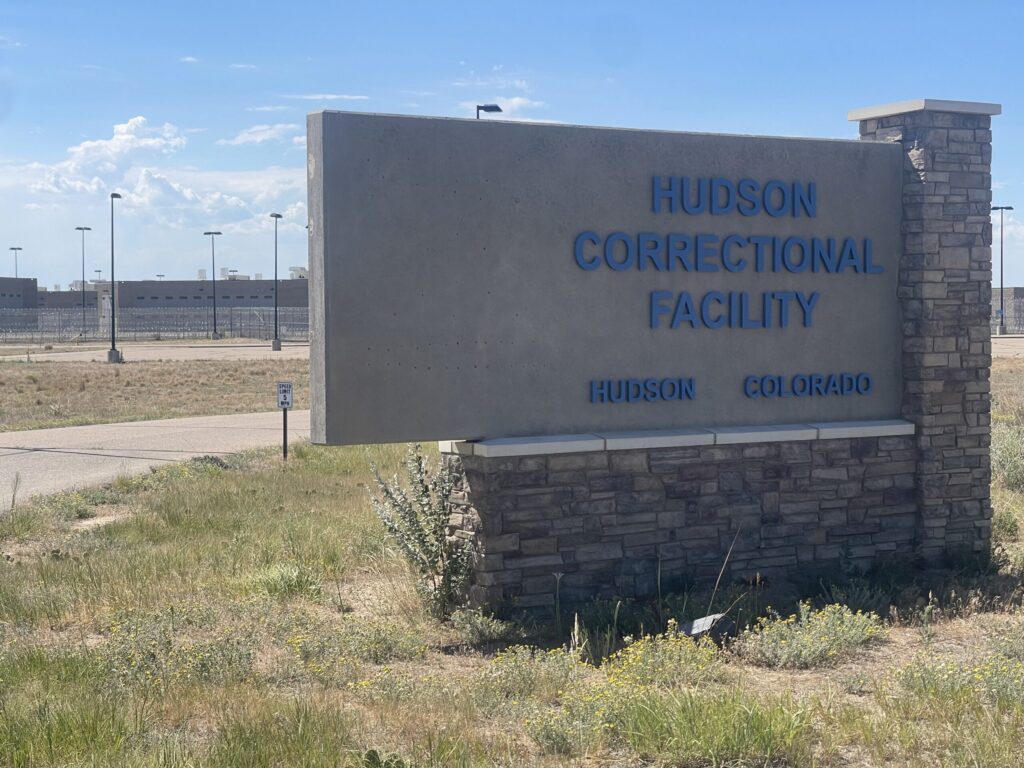
A nonprofit organization filed a lawsuit against the Town of Hudson Wednesday, challenging plans to reopen a former federal prison in the town as a U.S. Immigration and Customs Enforcement detention facility. Together Colorado, along with Janet E. Carlson, filed...
Senate committee advances Trump’s 10th Circuit nominee, as Domenico responds to questions about delays
Michael Karlik
michael.karlik@coloradopolitics.com
Updated 4 days ago
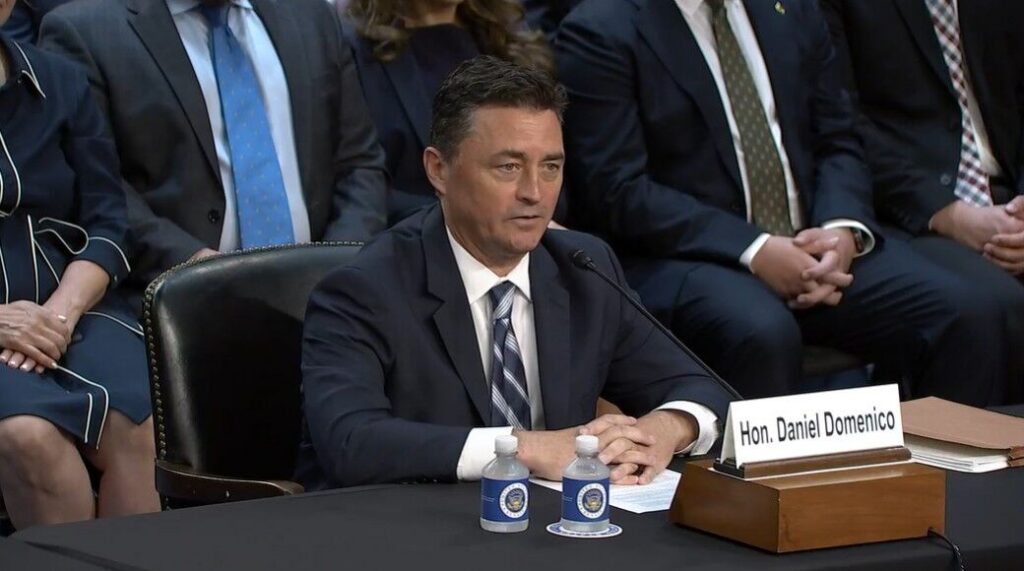
The U.S. Senate Judiciary Committee advanced President Donald Trump’s nominee to the Denver-based federal appeals court on Thursday by a party-line vote of 12-10. U.S. District Court Judge Daniel D. Domenico, who was Trump’s first-term appointee to Colorado’s federal trial...
Colorado justices to hear embryonic donation dispute
Michael Karlik
michael.karlik@coloradopolitics.com
Updated 4 days ago
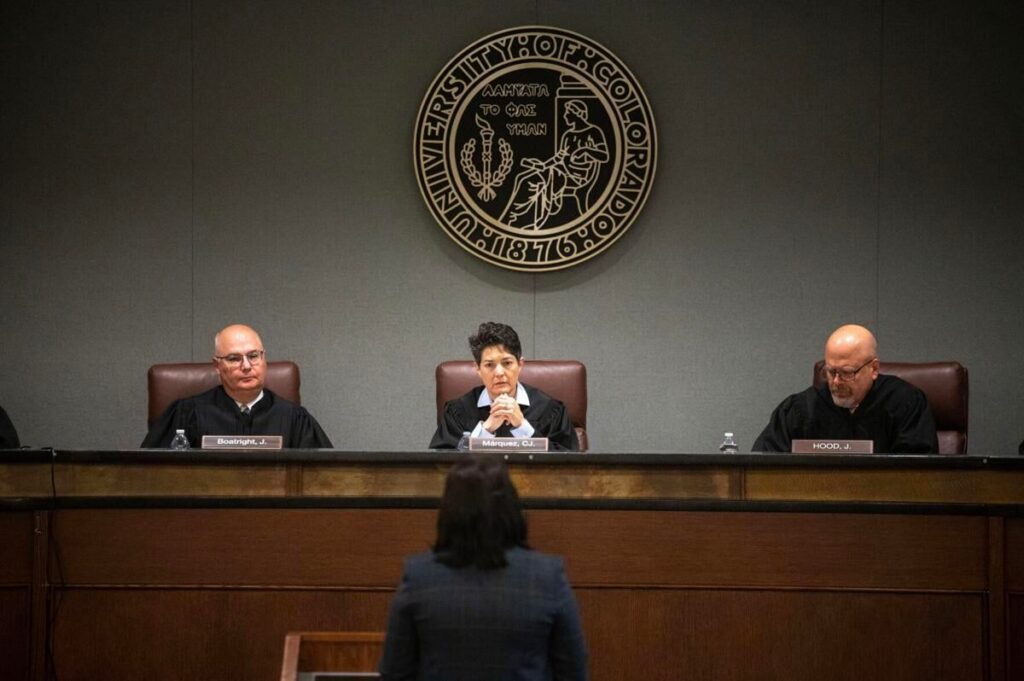
The Colorado Supreme Court announced on Monday that it will decide whether lower court judges properly applied its framework for adjudicating disputes over the fate of pre-embryos, in which one person wants to use them to become a parent and...
Isolation, emotion, persona: Colorado judicial programming prepares people for life on the bench
Michael Karlik
michael.karlik@coloradopolitics.com
Updated 4 days ago
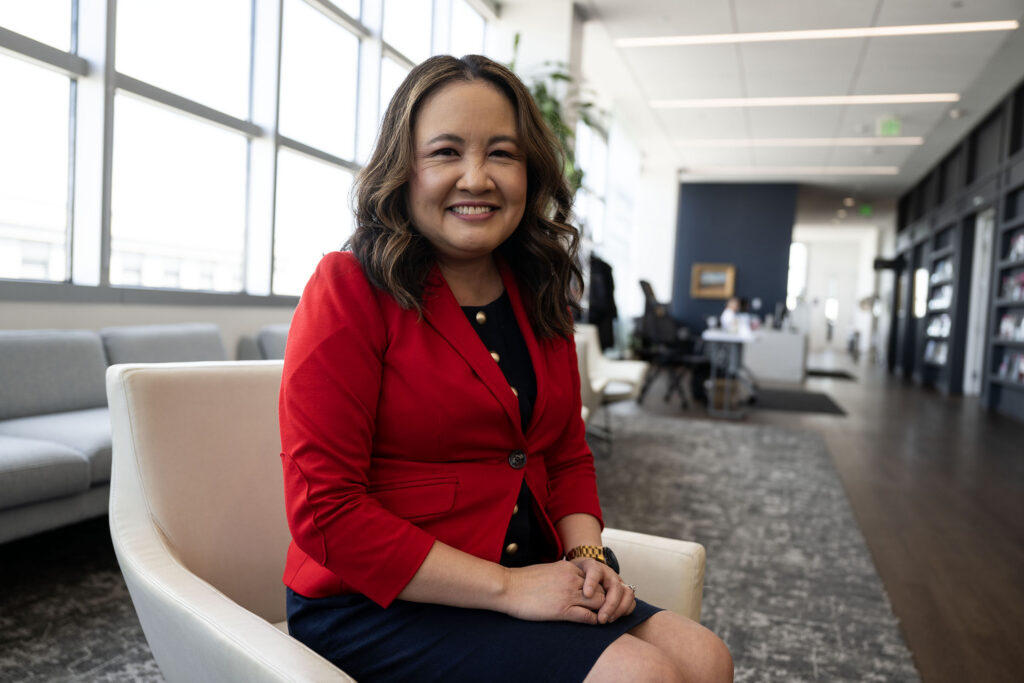
As a trial judge and now as a member of the Colorado Supreme Court, Justice Carlos A. Samour Jr. has heard the view that being a judge is isolating. “In neither court have I felt isolated. I’ve always interacted a...
PREV
PREVIOUS

Denver Water demand hits 54-year low thanks to June rain
When it rained … and rained … and rained … last month, Denver Water customers took the plunge. June’s historic rainfall brought a historic drop in demand to levels not seen in 54 years, Denver Water announced Tuesday. In all, 6.1 inches of rain fell in Denver in June, obliterating the 141-year-old record of 4.96 […]

Alabama lawmaker holds up DoD funding over Space Command
The Air Force is suspending some bonuses and putting some base reassignments on hold, after an Alabama lawmaker blocked a routine request from the Department of Defense to reallocate funds. U.S. Sen. John Hickenlooper called out U.S. Rep. Mike Rogers, R-Ala., the chairman of the House Armed Services Committee, for blocking a routine request for […]