

Colorado appeals court, 2-1, reverses sex assault convictions due to testimony about victim’s reaction

A Boulder County judge was wrong to permit an alleged victim of sex assault and three of her friends or coworkers to testify about how she changed after the disputed rape, Colorado’s second-highest court ruled last month in reversing the defendant’s convictions.
By 2-1, a three-judge panel for the Court of Appeals concluded the victim’s change in demeanor after Edgar Ramirez-Martinez allegedly assaulted her was not clearly relevant to the contested issue at trial: whether the victim, identified as B.M., consented to have sex.
“The evidence here showed the victim’s demeanor at undetermined points in time after the alleged sexual assault,” wrote Judge Ted C. Tow III in the May 25 opinion. “It did not make the existence of B.M.’s consent, or lack thereof, at the time of the alleged sexual assault any more or less probable.”
Judge Timothy J. Schutz disagreed with that logic, arguing courts in other states have held that a victim’s behavioral changes are relevant to analyzing consent as “psychological scars” of an uninvited injury. He also criticized the majority’s suggestion that B.M.’s change in demeanor could simply mean she regretted a consensual sexual encounter.
“I do not agree that the psychological reaction, and associated behavioral and personality changes, of someone who has been sexually assaulted through an act committed without their consent is equivalent to the psychological harm that a person might feel for engaging in consensual sexual behavior that they later regret,” he wrote.
Case: People v. Ramirez-Martinez
Decided: May 25, 2023
Jurisdiction: Boulder County
Ruling: 2-1
Judges: Ted C. Tow III (author)
Anthony J. Navarro
Timothy J. Schutz (dissent)
Background: People v. Martinez (2020)
The evidence at Ramirez-Martinez’s 2019 trial showed B.M. was among the people who attended a work-related going-away party for Ramirez-Martinez. They went to a restaurant, where B.M. drank alcohol and became sick to the point of vomiting and passing out. She and Ramirez-Martinez went to the group’s vehicle. When the others joined them, they saw Ramirez-Martinez having sex with her. B.M. was crying.
“I wasn’t doing anything wrong. She wanted it. She wanted it,” Ramirez-Martinez said when confronted.
Prosecutors charged him with sexual assault on a victim who was physically helpless and sexual assault on a victim who was incapable of gauging the nature of her conduct. Ramirez-Martinez’s defense was that B.M. actually had consented, but did not remember doing so.
At trial, the prosecution asked several witnesses about how the encounter affected the victim. B.M. said Ramirez-Martinez “took something from me that made me feel different about myself.” Friends and coworkers said B.M. used to be “fun, happy.” Now, she was “quiet,” “cried a lot” and “has a lot of anxiety attacks.”
The defense attempted to block the testimony, contending B.M.’s reaction was not relevant to whether she provided consent. Then-District Court Judge Judith L. LaBuda disagreed and allowed the commentary. Jurors convicted Ramirez-Martinez and he received a sentence of six years to life in prison.
On appeal, Ramirez-Martinez argued there was no question B.M. felt bad afterward. Instead, the testimony possibly resulted in jurors convicting him based on sympathy for the victim, rather than evidence about consent.
The Court of Appeals based its decision on a prior case from 2020, People v. Martinez, which established that victim impact evidence is irrelevant when the victim’s reaction to a sex assault does not help prove or disprove the consensual nature of the encounter. Two of the judges in that case, Tow and Anthony J. Navarro, ended up on the panel that heard Ramirez-Martinez’s appeal.
Tow, writing for himself and Navarro, again found the descriptions of the victim’s change in demeanor did not make it any more or less likely that she had consented to sex.
“We do not equate the psychological impact of regretting sexual activity with that of being sexually assaulted,” Tow wrote. “We simply observe that the mere existence of B.M.’s behavior change does not alone explain which of these reactions (she) was experiencing.”
Schutz pointed out in dissent that, even if jurors believed Ramirez-Martinez, he still had sex with a black-out drunk woman, making it reasonable to assume the victim could not consent. Schutz acknowledged that in some cases, prosecutors could go too far in soliciting extensive testimony about a victim’s “emotional upheaval” that would improperly sway a jury.
“But these issues are best managed on a case-by-case basis,” he wrote, “rather than through a broad suggestion that changes in a victim’s personality or behavior are not relevant in the first instance.”
The court ordered a new trial.
The case is People v. Ramirez-Martinez.


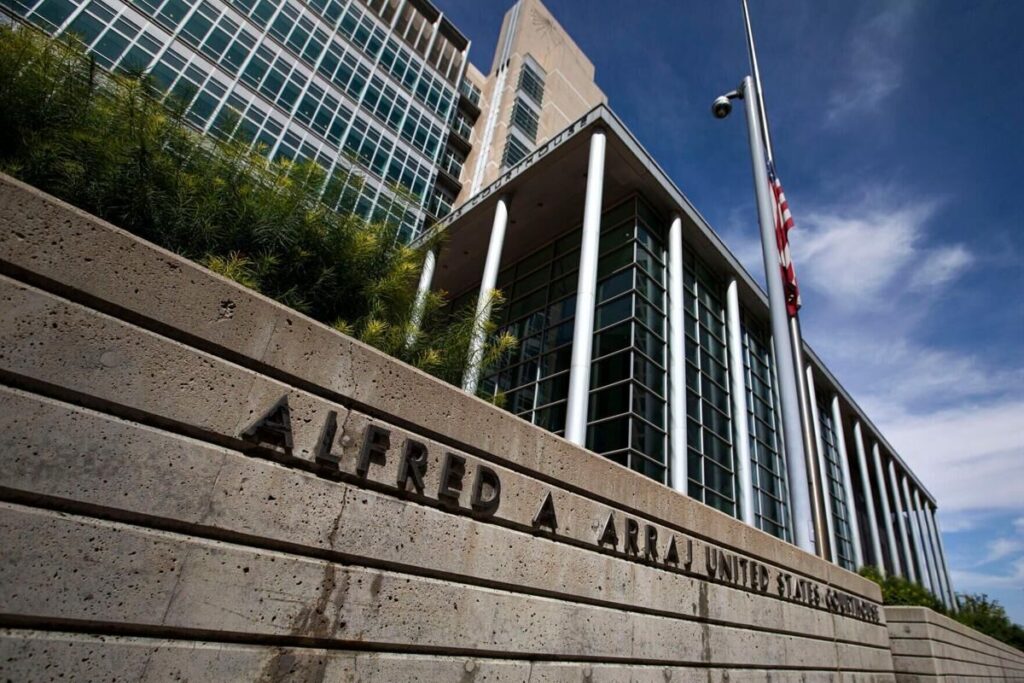
Federal judge directs plaintiff to revise complaint alleging Denver officers’ constitutional violations
Michael Karlik
michael.karlik@coloradopolitics.com
Updated 18 minutes ago
A federal judge directed a plaintiff to revise his allegations on Wednesday to more precisely state what two Denver officers and the city itself allegedly did to violate his constitutional rights by facilitating his prosecution for murder until prosecutors dropped...
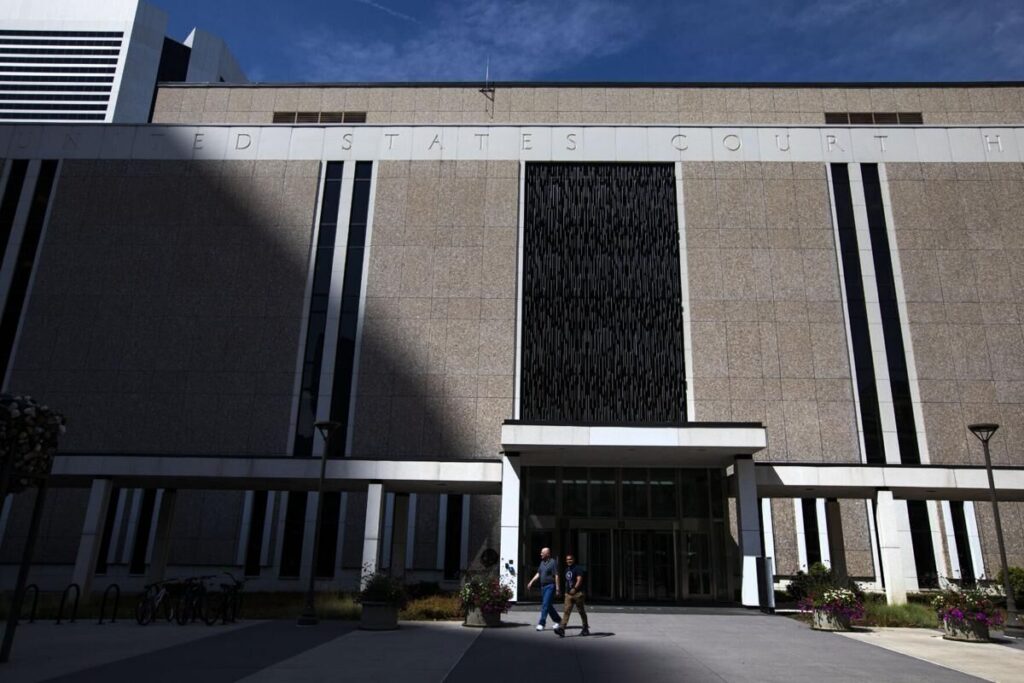
Federal judge explores new sanctions against ex-Colorado judicial discipline director
Michael Karlik
michael.karlik@coloradopolitics.com
Updated 4 hours ago
A federal judge on Wednesday directed Colorado’s former judicial discipline director, for the third time this year, to explain why she should not sanction him for his latest conduct in his litigation against the state’s judiciary. Christopher S.P. Gregory, who served...
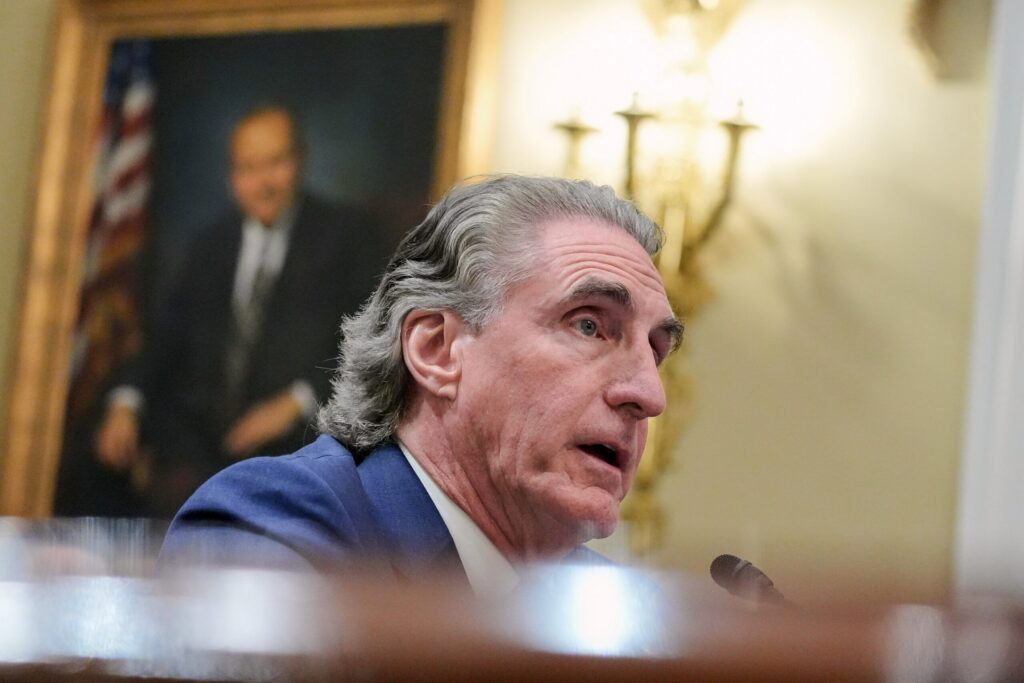
Colorado joins lawsuit challenging changes to Endangered Species Act
Marissa Ventrelli
marissa.ventrelli@coloradopolitics.com
Updated 4 hours ago
Colorado once more joined a coalition of states challenging the Trump administration — this time on proposed rules regarding the Endangered Species Act. The pair of lawsuits challenge new rules made under Interior Secretary Doug Burgum, who earlier said the...
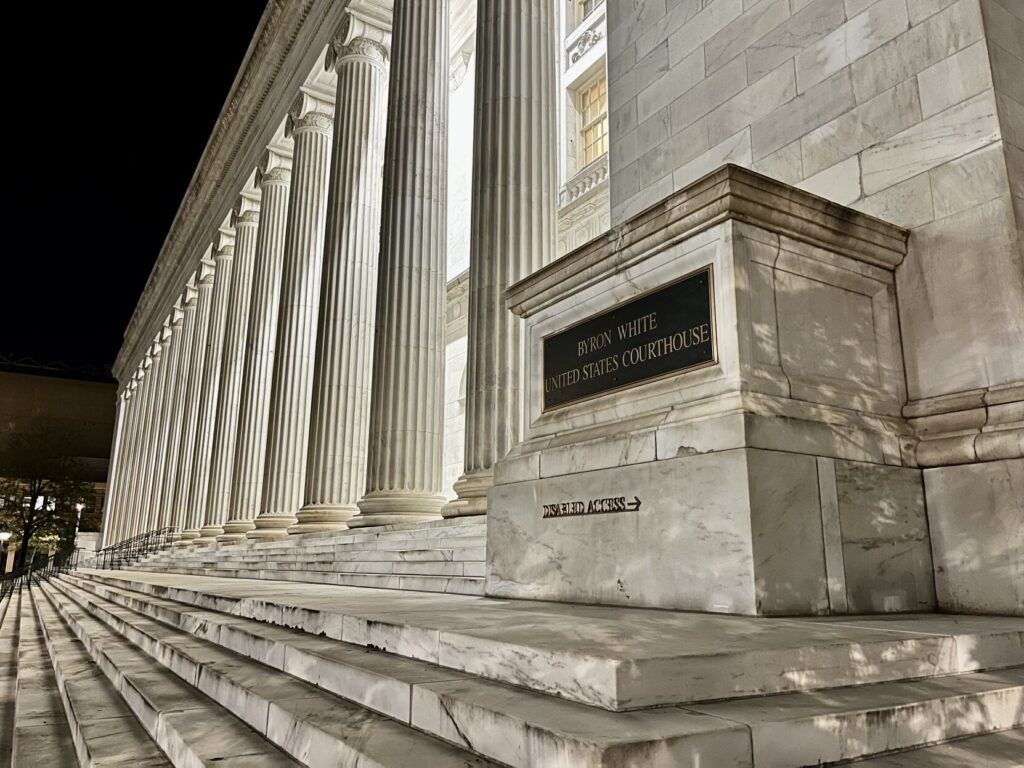
10th Circuit orders second look at immunity for Kiowa County deputy over fatal vehicle crash
Michael Karlik
michael.karlik@coloradopolitics.com
Updated 2 hours ago
The Denver-based federal appeals court directed a trial judge on Tuesday to further analyze whether a Kiowa County deputy and the sheriff’s office may be sued for a fatal vehicle collision. The Colorado Governmental Immunity Act generally shields government entities and public...
Colorado justices to hear appeal in Kendrick Castillo death lawsuit, ‘fugitive’ rule
Michael Karlik
michael.karlik@coloradopolitics.com
Updated 2 hours ago
The Colorado Supreme Court announced on Tuesday that it will decide whether it was proper to dismiss a lawsuit over the 2019 shooting death of Kendrick Castillo after the defendants paid the maximum amount of damages available to Castillo’s parents,...

Federal judge dismisses Douglas County’s challenge to collective bargaining law
Nicholas Fogleman
nicholas.fogleman@denvergazette.com
Updated 11 hours ago
A federal judge dismissed claims brought by the Douglas County Board of Commissioners alleging that a state law granting county employees the right to organize and join labor unions violates free speech protections and conflicts with federal labor law. Douglas...

Arapahoe County judge’s frustration with defense lawyer not grounds for new trial
Michael Karlik
michael.karlik@coloradopolitics.com
Updated 1 day ago
Colorado’s second-highest court decided last week that an Arapahoe County judge’s repeated rebukes of a defense attorney and orders to “be quiet” did not rise to the level of bias or a violation of the defendant’s due process rights. A...

Divided appeals court upholds vehicle theft conviction despite unclear origin of car’s value
Michael Karlik
michael.karlik@coloradopolitics.com
Updated 1 day ago
Colorado’s second-highest court upheld a defendant’s conviction for aggravated motor vehicle theft last week, even though it was unclear how the Thornton Police Department estimated the value of the stolen car. Officer Marc Faivre encountered Ashley Shelee Gibbens-Martinez in a...
Disgraced ex-CBI analyst Missy Woods sentenced to prison in DNA scandal
Jenny Deam
jenny.deam@gazette.com
Updated 1 day ago
A Jefferson County district court judge on Tuesday sentenced a disgraced former Colorado Bureau of Investigation DNA analyst to a decade in prison for altering and deleting data in scores of criminal cases over several years. Jefferson County District Judge...

Parenting from prison: Inmates hope to be present in their children’s lives, while physically absent
Marianne Goodland
marianne.goodland@coloradopolitics.com
Updated 1 day ago
The room was decorated with balloons, the tables sparking bright with colors as the smell of pizza and cake wafted through the air. As did music. This was, after all, a father-daughter dance. Except this was not a typical father-daughter...
PREV
PREVIOUS

Attorney general requested to investigate Edgewater Police Department
First Judicial District Attorney Alexis King announced Thursday that she submitted a formal request to Attorney General Phil Weiser to open a “pattern and practice” investigation into the Edgewater Police Department after alleged misconduct. On Sept. 14, 2021, King launched an investigation after an EPD officer reported several misconduct allegations in the department, according to a […]
Colorado universities signal modifying DEI approach after Supreme Court strikes down affirmative action
Colorado universities signaled they would modify their approach to diversity goals following the U.S. Supreme Court’s decision to strike down the race-based components of the admissions programs at Harvard College and the University of North Carolina. Education officials said their commitment to “diversity, inclusion, equity and access” will “not diminish.” But the overarching question facing […]