

Despite strong 2023 snowpack, expert says permanent Colorado River reductions still needed

The snowfall and spring rains of 2023 have provided a temporary sigh of relief for the situation on the Colorado River.
It allowed the three lower basin states on the Colorado River to submit a plan to the Bureau of Reclamation for water reductions of three million acre-feet over three years, instead of the four million acre-feet per year called for a year ago by bureau Commissioner Camille Touton. That means Lake Powell, currently at 3,568 feet, will likely increase by 70 feet this summer.
That’s the good news.
But don’t get used to it, according to Brad Udall, senior water and climate research scientist at Colorado State University’s Colorado Water Center.
Udall set the scene for the 43rd Annual Colorado Law Conference on Natural Resources at CU-Boulder. This year’s conference, focusing on Colorado River “short-term solutions to long-term sustainability,” brought together a who’s who of western water, law, tribal representatives, and federal officials. That includes Touton and Sen. John Hickenlooper, D-Denver.
Udall blames some of the enthusiasm over this year’s snowpack to amnesia.
“We’ve had good years since 2000, but we just don’t have them in the frequency we need,” he said.
People remember what they’re experienced, he said, but memories of the bad years in the historic drought along the Colorado should be a better guide to the future.
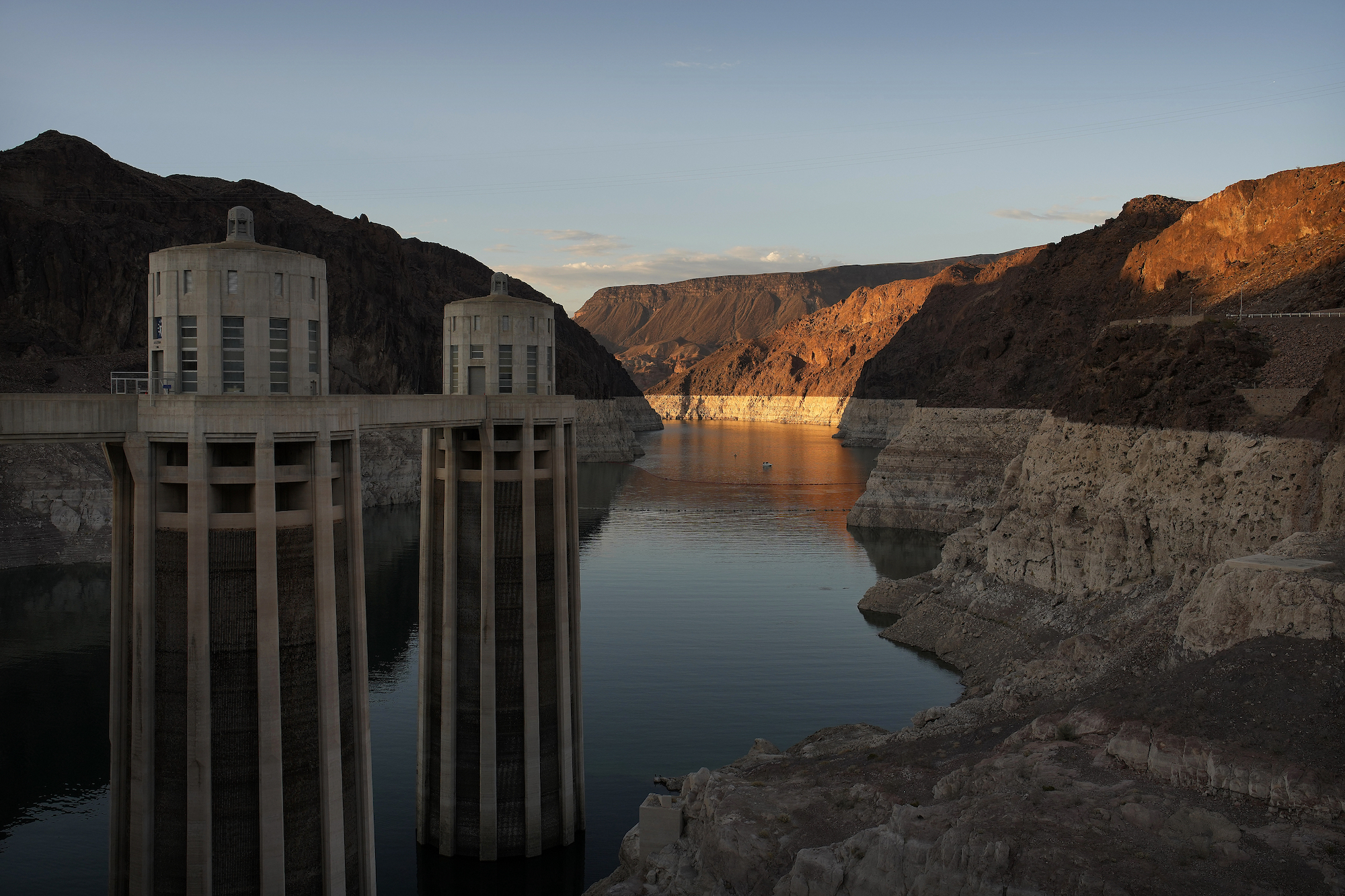
Udall said in order to refill Lake Powell and Lake Mead, both of which are around 25% capacity and nearing a crisis point where the dams will struggle to produce hydropower, it would take about six consecutive years just 2023.
Since climate change means that’s highly unlikely, Udall said the solution needs to include permanent reductions.
And as good as 2023 snowpack has been – levels in the lower basin states are at 250% of average, and 170% of average in the upper basin states – he said hydrology from the last 23 years indicates one bad year will return the nation’s two largest reservoirs to 25% capacity.
Climate change will continue to contribute to the problems, Udall explained. That’s resulted in a 1.1 degree Celsius increase, and headed to 2.7 degrees warmer by 2100.
Part of the solution is to get emissions down as fast possible, he said.
On the precipitation side, the period from 2000-2022 is the worst 23-year running average since record-keeping started in 1893. Udall said he believes that decline is also human-caused, and more worrisome than the impact on temperature.
Udall called for Powell and Mead to be managed as one reservoir instead of two, and permanently remove at least 1.5 million acre-feet of demand from the system, every year.
Such a proposal would require efforts to maintain the Grand Canyon between them in a healthy way, as well as taking into account lower basin needs versus the total content of both.
Udall said it means saying: “Here’s what we’ve got and how do we spend it, rather than the upper basin safeguarding its supply and hold back its water and the lower basin states using as much of their water as they possibly can.”
That’s a solution already agreed to by the six states in January and by California in a separate decision.
To stabilize the basin, it needs consistent upper basin demands, and 3 million acre-feet lower basin reductions when reservoirs drop below 15 million acre-feet, he said.
That 15 million represents the volume of water in the two reservoirs, Udall explained.
“2023 buys us time, but expect large future warming to cause additional and substantial future flow declines,” he added.
“Don’t be lulled by this delightful year we’re having in the West. It’s not likely in the future…We have to remember what we’re up against.”

US service member missing after Iran shot down fighter jet has been rescued, US officials say
Associated Press
associated-press@coloradopolitics.com
Updated 23 hours ago
JERUSALEM — President Donald Trump announced early Sunday that the U.S. had rescued an aviator nearly two days after he was shot down over Iran. The extraction came after a frantic search in what appears to be a remote, mountainous region of...

Low and slow meets forever: US postage stamps honor lowrider car culture | OUT WEST ROUNDUP
The Associated Press
the-associated-press@coloradopolitics.com
Updated 5 days ago
NEW MEXICO Stamps honor lowrider culture ALBUQUERQUE — From Mexican American and Chicano barrios in the American Southwest to the halls of the Smithsonian on the National Mall and even the streets of Japan, lowrider culture has become part of...

Colorado Politics Calendar Apr. 6-12
Rachael Wright, Special to Colorado Politics
rachael.wright@coloradopolitics.com
Updated 5 days ago
CoPo’s weekly political calendar will help you find political and public-policy events throughout Colorado. It includes candidate and issue campaign events, public policy meetings, court hearings, state and local party conventions, assemblies, debates, rallies, parades, speaking engagements, traveling dignitary appearances,...
Democrats rebounding without learning necessary lessons | SONDERMANN
Eric Sondermann
eric-sondermann@coloradopolitics.com
Updated 2 days ago
“When we fight, we win!” That, reportedly, was the chant heard over and over again at the Colorado Democratic Assembly a week ago. It suggests that pugilism has been the piece missing from the Democratic toolkit. Perhaps it was just...
An April Fool’s Day to remember | Capitol M | Week of April 4, 2026
Marianne Goodland
marianne.goodland@coloradopolitics.com
Updated 4 days ago
The lighter side of the Capitol, and if light were weight, the Capitol would have lifted off better than the Artemis II rocket on April Fool’s Day. There was a plethora of Fools at the Capitol for April Fool’s Day...
Aurora City Council to vote on water restrictions as metro area faces water supply woes
Kyla Pearce
kyla.pearce@gazette.com
Updated 21 minutes ago
At Monday night’s regular Aurora City Council meeting, councilmembers will cast an official vote on a Stage I Water Shortage declaration, as recommended by Aurora Water. If it passes, restrictions on water use will go into effect the next day,...
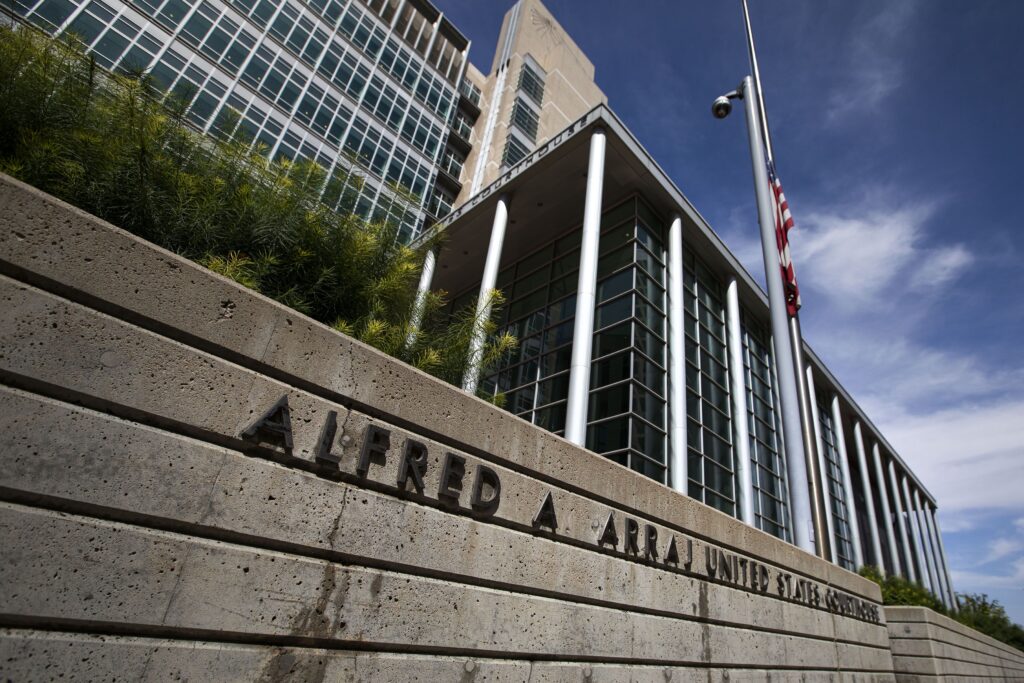
Federal judge sides with Mesa County school district in ex-student’s First Amendment claims
Michael Karlik
michael.karlik@coloradopolitics.com
Updated 3 days ago
A federal judge concluded last week that Mesa County Valley School District 51 and three of its administrators did not violate the First Amendment rights of a former student when they imposed minor discipline in response to disruptive behavior. In...
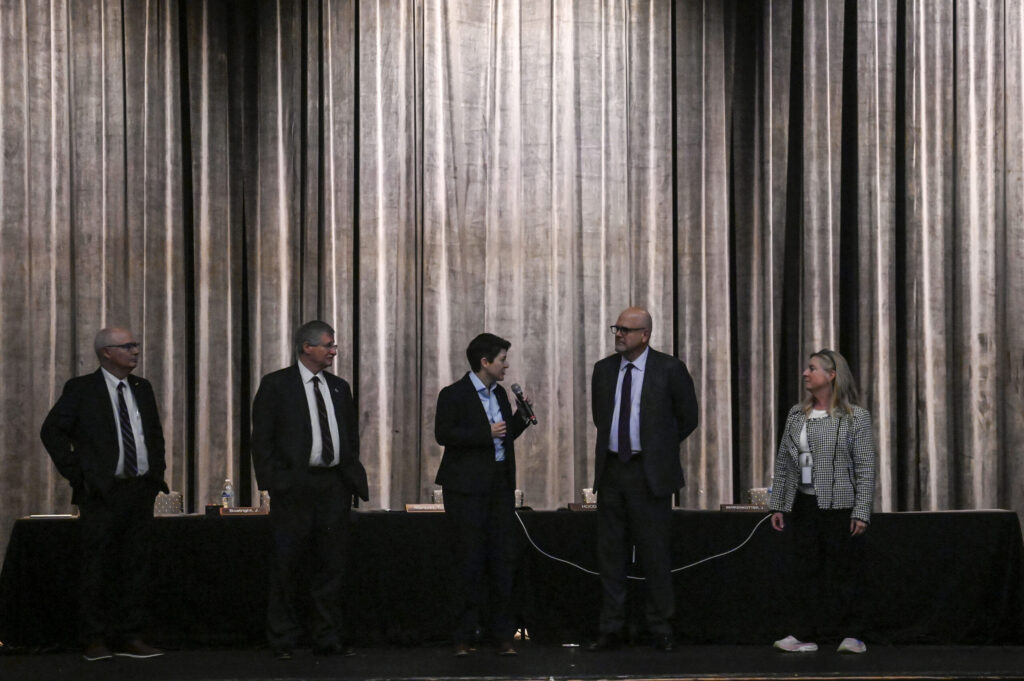
Colorado Supreme Court intervenes in 4 ongoing cases
Michael Karlik
michael.karlik@coloradopolitics.com
Updated 3 days ago
The Colorado Supreme Court recently moved to intervene in four ongoing cases, including two criminal prosecutions, a civil lawsuit, and a child welfare proceeding. At least four of the court’s seven members must agree to hear a case outside of...
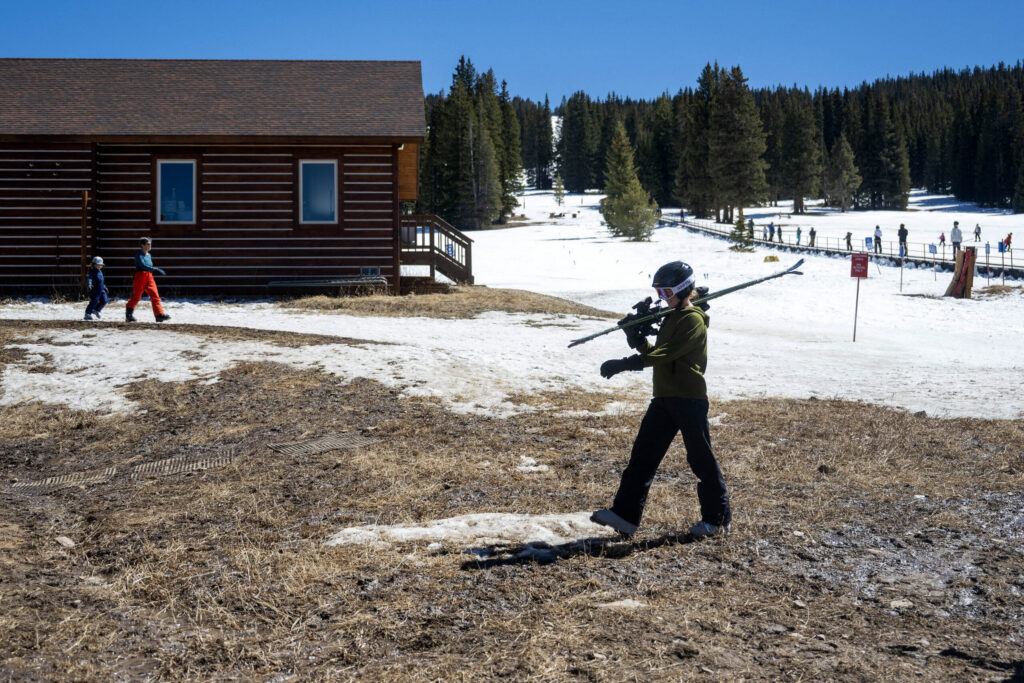
Colorado ski resorts announce early closures amid historic snowpack lows, high temperatures
Kyla Pearce
kyla.pearce@gazette.com
Updated 2 days ago
Vail Resorts is the latest area to announce season closure Wednesday As Colorado’s historically low snowpack year comes to a close and spring conditions take over the mountains, the state’s major ski resorts are announcing closing dates — some of...
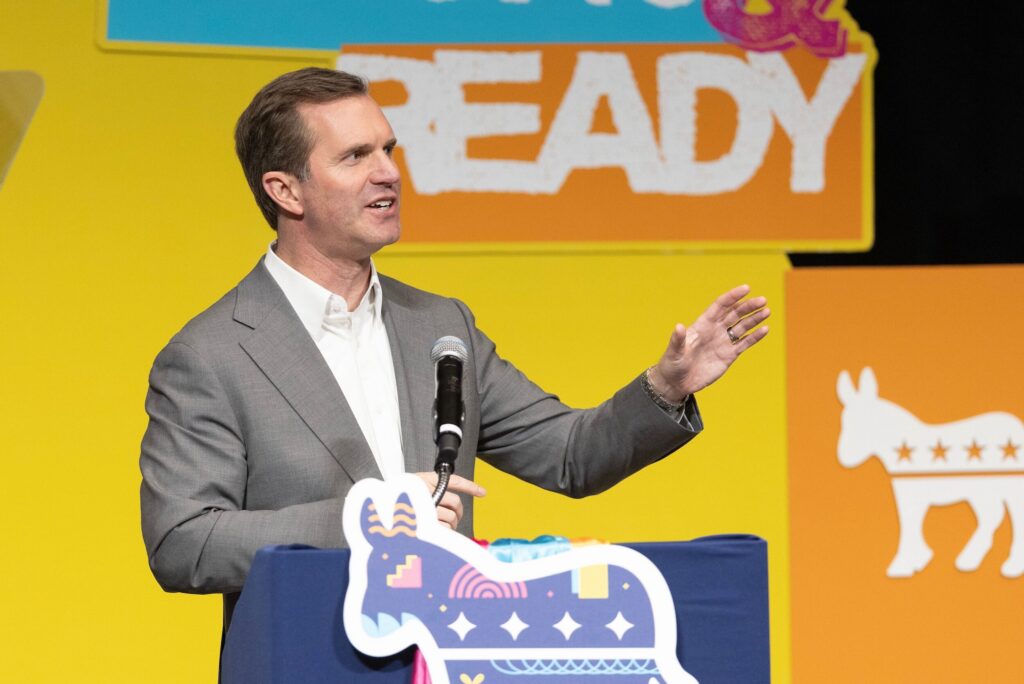
Kentucky Gov. Andy Beshear set to headline Colorado Democrats’ annual fundraising dinner
Ernest Luning
ernest.luning@coloradopolitics.com
Updated 3 days ago
Kentucky Gov. Andy Beshear, one of the Democrats’ top 2028 presidential prospects, is scheduled to deliver the keynote address at the Colorado Democratic Party’s annual fundraising dinner in June in Denver, the party said Friday. Serving his second term as...
PREV
PREVIOUS

Shontel M. Lewis wins Denver City Council District 8 seat
Shontel M. Lewis has defeated challenger Brad Revare for the Denver City Council District 8 seat, according to the final – but still unofficial – vote count from the Denver Clerk & Recorder. Lewis campaigned on the slogan “people over politics” and said her life experience gives her the tools she needs to effectively advocate for Denver […]
Federal Reclamation Commissioner Camille Touton reflects on Colorado River progress, difficult conversations ahead
What a year it’s been for the seven states of the Colorado River basin. It began when Camille Touton, commissioner of the Bureau of Reclamation, told a U.S. Senate committee she would seek reductions of as many as four million acre-feet from those seven states, in order to shore up the nation’s two largest reservoirs […]