

Colorado federal judges provide candid look at applying to bench
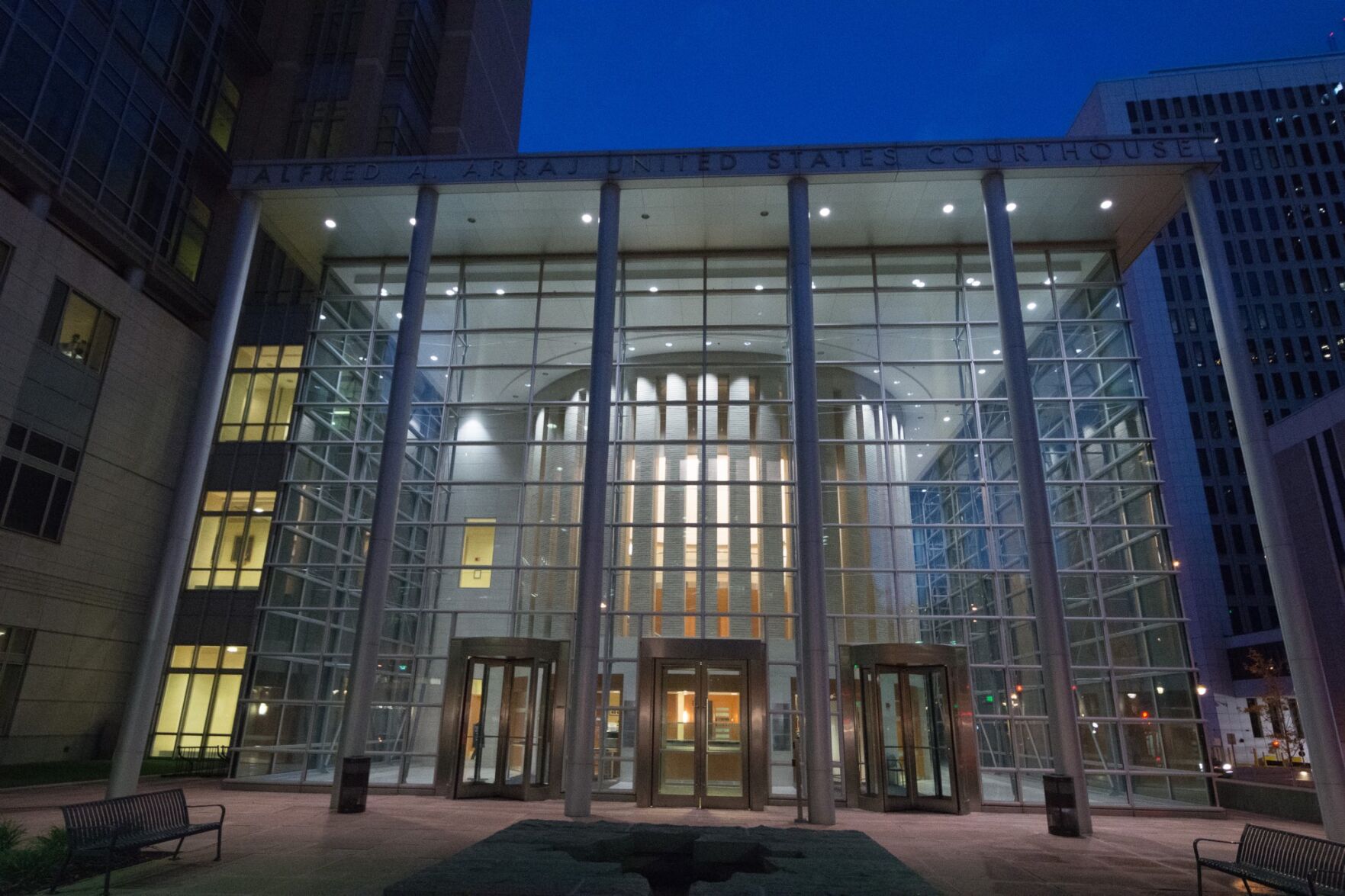
Scott T. Varholak has roughly 400 cases he is responsible for as a federal magistrate judge. But despite the heavy workload, he is still able to step away from the courtroom in the afternoon to take his daughter to play sports, returning to his caseload at night.
“The hours are long, but they’re a lot more flexible,” he said.
Varholak and several other members of the federal bench spoke to dozens of lawyers and law students on Monday as part of a national event: “Roadways to the Bench: Who Me? A Bankruptcy or Magistrate Judge?” The program started in 2019 with a focus on informing attorneys about the path to being a federal bankruptcy judge. This year, the discussion broadened to those thinking of becoming magistrate judges in the federal trial courts.
At the same time that attorneys in courthouses across the country participated in roundtable discussions with their own federal judges, Colorado’s roster of bankruptcy judges, magistrate judges and even presidentially-appointed U.S. District Court judges pulled back the curtain on what to expect when applying for – and serving in – a judgeship.
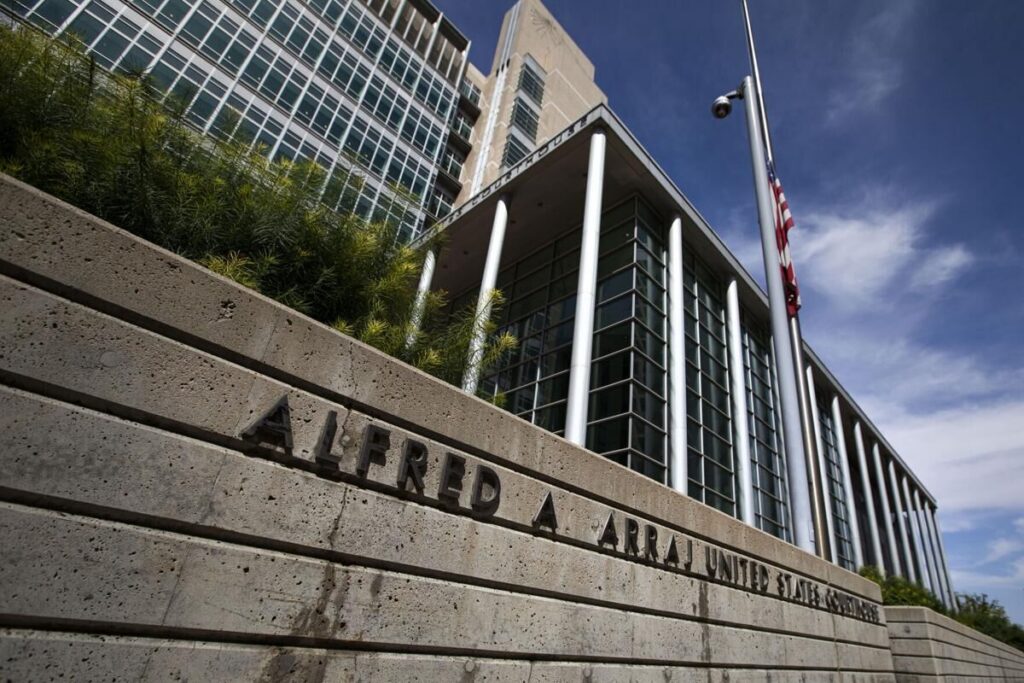
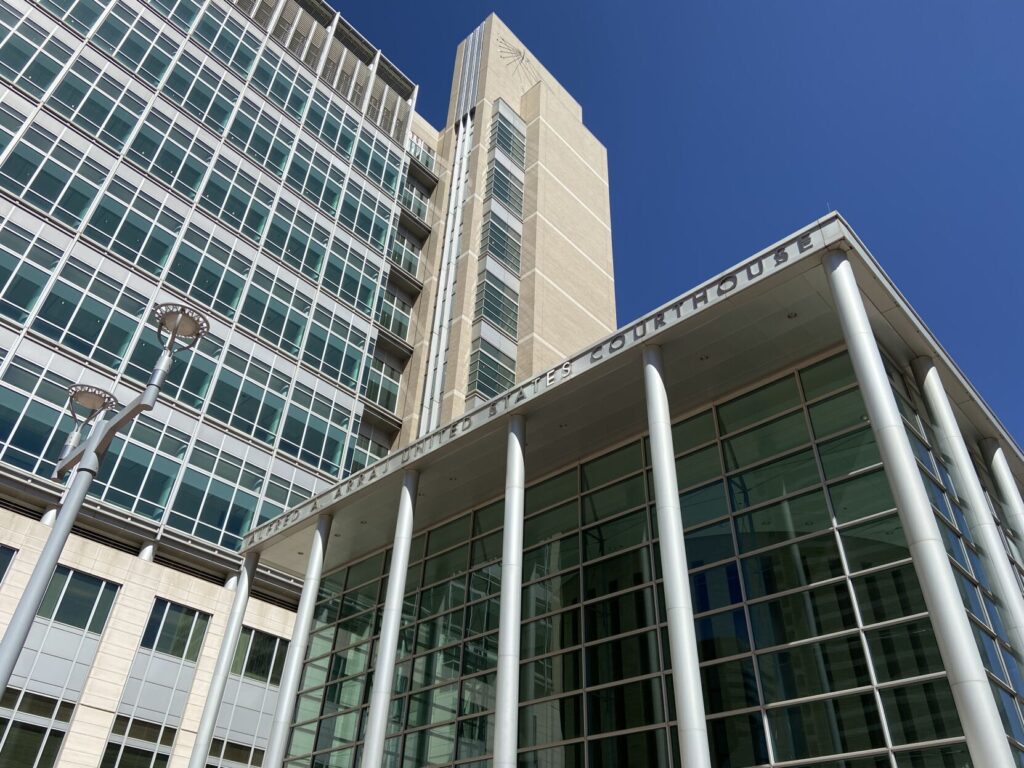
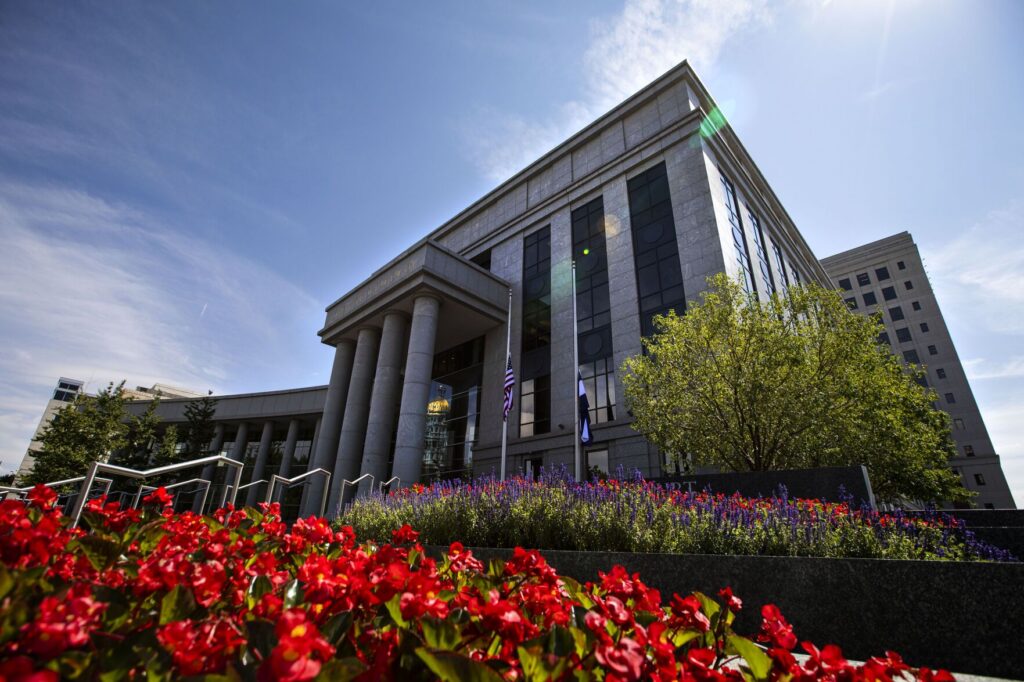
One message to the young attorneys assembled in the Alfred A. Arraj U.S. Courthouse was to be careful of planning their life around a hope that someday they will be appointed as a life-tenured district judge.
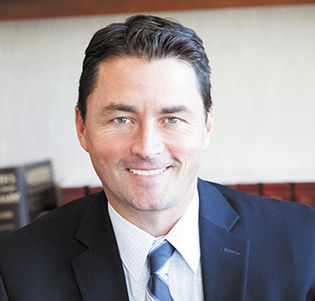
“It’s so random when the timing works out,” said Judge Daniel D. Domenico, a 2019 appointee of Donald Trump. “If you’re going through life thinking, ‘I’m going to set myself up to be a judge,’ it might be a foolish approach because it takes so much luck.”
He added that if lawyers take the personal and professional steps that can lead to a judicial appointment, even if the judgeship never materializes “you’ll set yourself up for other opportunities.”
The “Roadways” event coincided with an unusually high amount of turnover at Colorado’s U.S. District Court. Since President Joe Biden took office, he has appointed four of the seven active district judges, with a fifth nominee pending in the U.S. Senate. There has also been an influx of three new magistrate judges, who are hired by the district judges to eight-year renewable terms and assist with caseloads. Only one, Maritza Dominguez Braswell, is currently on the bench, as the other two will take office this year.
Two new vacancies are likely on the horizon, as the president has nominated Magistrate Judge S. Kato Crews to a district court seat and former Magistrate Judge Gordon P. Gallagher was sworn in last week as the newest district judge, following his Senate confirmation.

“Just apply,” said Magistrate Judge Kristen L. Mix. “Be ready for failure. It hurts like hell.”
“Just because you don’t get it the first time, at least people become aware you really want this,” added Magistrate Judge Michael E. Hegarty.
The lead-up
Varholak described his decision to apply for a magistrate judgeship as stemming from a realization that he could not emotionally sustain himself as a public defender given the stakes of criminal cases.
“Most of what I was doing was negotiating pleas and a lot of times it was for 10 years, 15 years. If you make a mistake in that job, it’s not fixable and it costs people years of their life,” he said. “There was a stress of ‘I can’t do this for 20 more years.'”
Domenico addressed the concerns of one lawyer who observed that “preparing for years” is essential to becoming a judge. Domenico described his early work handling venture capital and mergers and acquisitions for a corporate firm, where the senior attorneys were “miserable and divorced.” Seeking something new, he then pivoted to the government, clerking on the U.S. Court of Appeals for the 10th Circuit and then becoming the solicitor general of Colorado.
“My career path is not something anybody really, necessarily can say, ‘Oh, here’s how you should become a judge’,” Domenico said.
Senior Judge William J. Martínez, a 2010 Barack Obama appointee, added that facetime in the courtroom and writing legal briefs are beneficial to those interested in becoming magistrate judges, as the district judges who make the hiring decisions will become familiar with the candidates.
However, “the most important thing is remembering your intellectual honesty and integrity are paramount. If I get a brief from you where you’ve misrepresented the holding of a case? It’s over,” he warned.
The ‘sweet spot’
Generally, the judges felt that potential candidates for the bench will be scouted in their late 30s or early 40s.
“It used to be the Republicans would always appoint young judges because they’d be on the bench longer. The Democrats were terrible at that,” said Chief Judge Philip A. Brimmer, a George W. Bush appointee from 2008.
Mix elaborated that the “sweet spot” for trial judges, in her view, is between the ages of 45 and 55.
“If you’re in that age range, go, go, go,” she said.
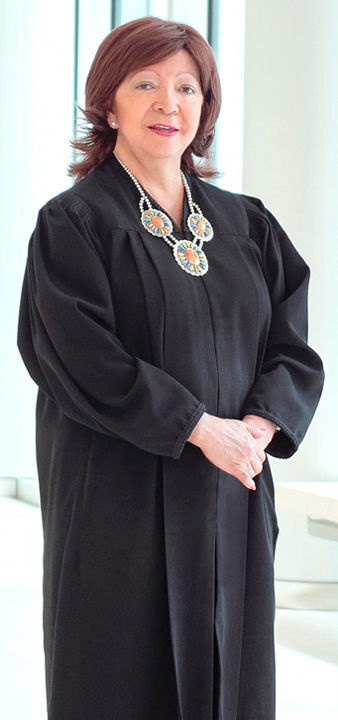
Senior Judge Christine M. Arguello, a 2008 Bush appointee, recalled another judge approaching her when she was teaching at the University of Kansas in the ’90s, and suggested she become a judge. She said she was too young – 42.
“He said, ‘You’re perfect’,” Arguello remembered. “That was the seed that was planted.”
Case volume and appeals
Arguello explained that after joining the bench, the caseload was higher than she thought it would be and she worked harder in her first year than she ever did trying to make partner at a prestigious law firm. A big emotional toll, she said, was in sentencing criminal defendants.
At the same time, she takes solace in having the 10th Circuit reviewing her decisions for mistakes, which relieves some of the personal stress on her.
“They have more law clerks, less cases and it actually calms me that I know if I make a mistake, they’ll take a look at it. They’ll have three judges look at it. And I don’t mind being reversed,” she said. “I really get a lot of satisfaction that I know that’s the backstop for me.”
“It’s fixable on this side,” Varholak agreed. “It wasn’t fixable at the federal public defender.”
On the other hand, there was some griping about the difficulty of being a trial judge versus an appellate judge. Hegarty said it is “objectively true” that the lower courts are more slammed, and cases involving self-represented inmates are often the most taxing.
“But the circuit takes it seriously,” he said, “so you have to take it seriously.”
Safety
Senior Judge R. Brooke Jackson assured lawyers that personal safety concerns should not deter them from becoming judges. He acknowledged the recent murder of a New Jersey federal judge’s son by a man who intended to kill the judge herself.
“That’s extremely rare. It’s not a reason not to become a judge,” said Jackson, a 2011 Obama appointee.
Dominguez Braswell, a magistrate judge who is stationed in Colorado Springs by herself, took a slightly more nuanced view.
As a woman, “I do think I’m a little more hyper-aware of my surroundings,” she said.
Prior to hearing from Colorado’s judges, participants in the “Roadways” program watched a livestreamed panel interview featuring judges from around the country, including one bankruptcy judge who applied after attending a previous event. Bankruptcy Judge Thomas B. McNamara, who co-chaired the Colorado-based portion of the program, said he expected to see some people in the room appointed to the bench.
The Faculty of Federal Advocates and the Judicial Conference of the United States sponsored the event.


Judicial performance evaluations released, Montezuma County judge disciplined | COURT CRAWL
Michael Karlik
michael.karlik@coloradopolitics.com
Updated 60 minutes ago
Welcome to Court Crawl, Colorado Politics’ roundup of news from the third branch of government. Colorado’s citizen-led judicial performance commissions released their voter narratives for the judges standing for retention in November, plus a disciplinary panel imposed consequences on a...
Federal judge green-lights excessive force, retaliation claims for trial against Fort Collins officers
Michael Karlik
michael.karlik@coloradopolitics.com
Updated 2 days ago
A federal judge green-lit a jury trial last week against multiple Fort Collins police officers on claims that they used excessive force on one man who was standing unarmed in his underwear, and retaliated against another man for exercising his...
10th Circuit revives wage violation lawsuit against Papa John’s operator
Michael Karlik
michael.karlik@coloradopolitics.com
Updated 3 days ago
The Denver-based federal appeals court on Tuesday reinstated a former Papa John’s delivery driver’s lawsuit alleging violations of federal and state wage law. Steve Mighell worked for one month at a Denver Papa John’s location in summer 2023. He alleged...
Colorado appeals judge’s delays in releasing opinions noted by performance commission
Michael Karlik
michael.karlik@coloradopolitics.com
Updated 2 days ago
The citizen-led performance commission that provides guidance to voters about whether to retain members of Colorado’s second-highest court raised concerns by judges and attorneys that Judge Elizabeth L. Harris sometimes struggles with releasing opinions promptly. Harris, who joined the Court...
Colorado judge explores sanctions against DOJ, ICE for rearresting man 4 days after release on bond
Michael Karlik
michael.karlik@coloradopolitics.com
Updated 3 days ago
A federal judge in Colorado is considering sanctions against the government after immigration agents rearrested a man four days after an immigration judge found him suitable for release on bond. On July 28, U.S. Magistrate Judge N. Reid Neureiter ordered...
Divided disciplinary panel censures Montezuma County judge after agreement reached
Michael Karlik
michael.karlik@coloradopolitics.com
Updated 3 days ago
A disciplinary panel formally imposed a public censure, suspension, and further training on Montezuma County Court Judge Ian J. MacLaren on Tuesday by a 2-1 vote. Under constitutional Amendment H, which voters adopted in November 2024, MacLaren was set to...
Colorado’s Western Slope magistrate judges describe unique role in federal judiciary
Michael Karlik
michael.karlik@coloradopolitics.com
Updated 5 days ago
Two of Colorado’s federal judges stationed on the Western Slope spoke to lawyers on Wednesday about their unique roles, the ways their workloads differ, and the need for more criminal defense lawyers to take cases outside the Front Range. “Here...

Denver sues Philip Morris, other tobacco companies over cigarette butt litter
Deborah Grigsby
deborah.smith@denvergazette.com
Updated 3 days ago
Denver is demanding that some of the biggest tobacco companies in the world pay for the cleanup of discarded cigarette butts on its streets, following a similar campaign that cities in other states have pursued. Denver’s lawsuit, filed this week...
Federal judge rules that request for bond hearing not necessary to challenge immigration detention
Michael Karlik
michael.karlik@coloradopolitics.com
Updated 3 days ago
A federal judge in Colorado ruled last week that it is not mandatory for a person to seek a bond hearing with an immigration judge before they challenge the lawfulness of their detention in federal court. For the past year,...

Boulder Valley School District introduces new policies following antisemitism lawsuit
Marissa Ventrelli
marissa.ventrelli@coloradopolitics.com
Updated 3 days ago
The chief of Boulder Valley School unveiled new policies for the 2026-2027 school year following a lawsuit filed on behalf of a student alleging antisemitic harassment. In June, the Anti-Defamation League filed a federal civil rights complaint against the school...
PREV
PREVIOUS

Denver records highest single day total of cast ballots, still lower than 2019 turnout
Over 18,000 ballots, the most in any single day yet, were counted by the Denver Elections Division on Monday, according to their latest available data. In total, 18,322 ballots were submitted though only 567 had been verified by 5 p.m. Monday. This total is just under 10,000 more ballots than the previous single-day record, which […]
$38.5 billion Colorado budget wins preliminary OK with fragile deal between Democrats, Republicans
All-day negotiations between House Democrats and Republicans resulted in a late-afternoon deal Tuesday that would give tired lawmakers in the Colorado House a much-needed three day weekend, along with concessions from Democrats on seven priority GOP amendments to the state’s spending plan. In fact, the deal is more than that. Republicans agreed – although at times […]