

For troubled kids, juvenile justice bill helps best | OPINION
The first time my nephew experienced the justice system as a young kid determined how the rest of his life would play out. There isn’t a day I don’t think about him. What could he have accomplished, where would he have gone to college, how would he be contributing to society, and most importantly, how could we have changed his trajectory? These questions haunt me. My nephew was failed at home, failed by his community, and failed by the justice system. He was set up to fail from the beginning and, as research could have predicted, has succumbed to living in and out of the criminal system.
I am a prime sponsor of HB23-1249, a bill that will prevent crime and support victims by ending the prosecution and detention of kids aged 10 to 12. I didn’t come to the decision to sponsor this bill overnight. This experience with my nephew, time serving my community as a law enforcement officer, and my conservative values have led me to believe this is the approach Colorado must take if we are serious about curbing crime.
I agree we have a public safety problem. We need to do something drastic. What we’re doing now is not working. Young kids exposed to the juvenile justice system have high rates of re-offending. I’ve personally witnessed this as a law enforcement officer. Once a kid gets wrapped up in the system, they are in and out of the revolving door of criminality. In fact, young kids are 11 times more likely to be arrested by the age of 20 if they have contact with the justice system. A staggering two-thirds of kids who go through the justice system recidivate within three years. These statistics are alarming.
The status quo gives kids an education in crime instead of an education in becoming successful, hardworking men and women. I came to Denver to get things done to protect our families, hold people accountable, and make our communities safer. I’ve seen the positive impact of engaging with troubled youth early and how it prevents criminal behavior. That is how we accomplish what I set out to do.
This bill does so much more than protect kids from the negative outcomes of our justice system. It builds a real system of responsibility and accountability where kids and their families can receive evidence-based interventions that keep them away from a life of crime. First, the bill removes the justice system as the only entity that can get kids into services like anger management, community service, trauma counseling and substance-use treatment. Law enforcement is currently required to arrest a kid just to hope they get these interventions. Now, Collaborative Management Programs (CMP), which have extremely high success rates at keeping kids out of trouble, will create individualized responsibility and accountability plans to get the kid back on track.
Second, it utilizes the professional expertise of the adults who actually work with kids. Now, law enforcement, schools and mandatory reporters can identify problematic behavior and get them into resources. By expanding who can refer kids, we are ensuring no one falls through the cracks – an improvement from the status quo.
Third, we are improving the system and quality of support for victims. Victims will now have full access to the resources and services offered by the CMP. It removes the burden of needing a police report to apply for victim compensation and support. Victims would simply need an initial report that can be done by any referring agency, like law enforcement, schools, or therapists. It also maintains important elements of the Victims Rights Act, including the rights for victims to be notified throughout the process and provide input on the recommended services for kid offenders.
Finally, it includes clear guidelines to mandate participation if a kid or family isn’t meaningfully engaging in the plan developed by the CMP. It secures the ability for the state to take jurisdiction by court order, including out-of-home and rehabilitative placements. That is the most severe punishment short of commitment.
In the past decade, four kids in this age group were jailed. That means every other kid that committed a crime was returned to the community. Would you rather have that kid returned after going through a system that makes them more likely to re-offend? I believe it is safer if they return with the help they need to become a contributing member of their community.
Colorado cannot continue to create criminals by sending kids through the justice system. This bill is about preserving families, keeping crime off our streets, and holding kids accountable in a way that ensures they become successful, moral adults. My nephew needed this bill years ago. But passing it now can help your children, grandchildren, nieces and nephews not end up like him.
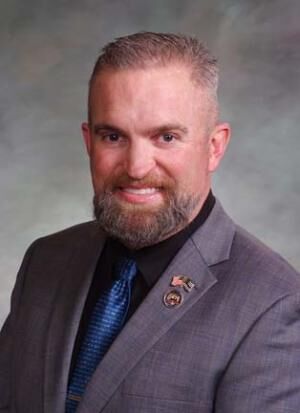
Ryan Armagost, a Republican from Berthoud, is a former law enforcement officer. He represents District 64 in the Colorado House of Representatives.


The grift at the core of Colorado ed department’s ‘innovation programs’ | Paula Noonan
Paula Noonan
paula-noonan@coloradopolitics.com
Updated 8 hours ago
Colorado’s K-12 school finance, transparency and accountability systems have urgent, connected problems with a slow-motion state response. Money is spilling out of school finance funds to home-schooled and private-school students. This multi-million-dollar flood of funds to cooked-up micro schools, home-school...

‘Second look’ bill would cause lasting harm to crime’s victims | OPINION
Colorado Politics
colorado-politics@coloradopolitics.com
Updated 8 hours ago
By Robert Fallbeck Senate Bill 26-115, being considered by lawmakers in the current legislative session, seeks to allow re-sentencing (aka a “second look”) of inmates who have served 20 calendar years in the Colorado Department of Correction (DOC) for two...

Colorado cannot afford to get the Colorado River wrong | OPINION
Colorado Politics
colorado-politics@coloradopolitics.com
Updated 8 hours ago
By Larry Don Suckla Colorado and our neighboring states are standing on the edge of a crisis that is no longer theoretical. The Colorado River, the lifeline of the American west, is facing conditions that demand immediate, responsible action. If...

Colorado state legislators must recognize EMS is essential | OPINION
Colorado Politics
colorado-politics@coloradopolitics.com
Updated 8 hours ago
By Dusty A. Johnson Currently, emergency medical services (EMS) clinicians such as EMTs and paramedics are not listed as essential in Colorado, and that is not OK. A few weeks ago, the Colorado House of Representatives unambiguously passed a bill...

Colorado’s childcare contribution tax credit bolsters our economy by keeping programs afloat | PODIUM
Colorado Politics
colorado-politics@coloradopolitics.com
Updated 1 day ago
By Mike Kehoe, Lisa Steven and Johnna Reeder Kleymeyer Colorado parents are struggling to find childcare, programs that serve our most vulnerable families are stretched thin, and private philanthropy has never been more critical. Since it was first enacted in...

Cherry Creek school district plays defense | Jimmy Sengenberger
Jimmy Sengenberger
jimmy.sengenberger@gazette.com
Updated 2 days ago
Cherry Creek Schools is a shadow of its former self. When I graduated from Grandview High School in 2008, the district still earned its motto: “Dedicated to Excellence.” These days, Colorado’s fourth-largest district clings to that antiquated reputation even as it unravels...
Just kidding about the separation of church and state? | Hal Bidlack
Hal Bidlack
hal-bidlack@coloradopolitics.com
Updated 2 days ago
You may recall the old truism the three things you shouldn’t discuss at a cocktail party are religion, politics, and, well, that last one often depends on the situation. But those first two tend to be commonly warned against as...
Tap THC beverage tax to address budget gap | OPINION
Colorado Politics
colorado-politics@coloradopolitics.com
Updated 2 days ago
By Christine Lafferty Colorado is faced with the largest budget deficit in recent memory — calculated to be a $1.5 billion hole according to the state’s Joint Budget Committee. Legislators have been scrambling to address this gap, which signals massive cuts...
A bill to bring back Colorado’s world-class music scene | OPINION
Colorado Politics
colorado-politics@coloradopolitics.com
Updated 2 days ago
By Akilah Graham and Bobby Rogers There was a time when Denver was a destination for music lovers. Jazz clubs lined our streets, and places like El Chapultepec — that legendary little bar on 20th and Market — drew world-class...

When a species is managed atop a pedestal, it isn’t management — it’s emotion | Rachel Gabel
Rachel Gabel
rachel-gabel@coloradopolitics.com
Updated 5 days ago
With petitions being tossed around like glitter at prom, it’s time for reasonable voters to sharpen their pencils and speak up. The first, of course, is in response to the Colorado Parks and Wildlife Commission’s blatant disregard for their director,...
PREV
PREVIOUS

Pending bill denies Colorado women a true choice | OPINION
Catherine Wheeler Karysse Trandem As OB/GYNs, we’ve shared with tens of thousands of women the incredible joy of pregnancy, the fear of a complicated pregnancy, the concerns of unplanned pregnancies, and the consuming grief of loss of a preborn baby or a child. We don’t take any of it for granted. We also do not take lightly SB23-190 – Colorado’s […]

Good news for Dems | BIDLACK
Hal Bidlack This last weekend, the state legislature held an unusual session, meeting on Saturday and Sunday, in large part to GOP filibustering of a couple of proposed gun laws. Filibustering is about all the GOP can do these days, having not won a statewide election since 2016. The GOP has also watched its representation […]