

Tap THC beverage tax to address budget gap | OPINION
By Christine Lafferty
Colorado is faced with the largest budget deficit in recent memory — calculated to be a $1.5 billion hole according to the state’s Joint Budget Committee. Legislators have been scrambling to address this gap, which signals massive cuts to important state services such as education, climate management, and health care. It’s time for legislators to get creative to address this funding crisis.
One idea was to tax alcohol and cannabis to fund mental health services — an idea that Legislators recently voted down. Cannabis already carries one of the steepest tax rates on any consumer product in Colorado, some 10 to 15 times higher than beer on a per-unit basis. Meanwhile, alcohol sales are down nationwide. An industry already carrying a heavy tax burden, and another facing a shrinking revenue base, hardly has the short- or long-term resources to address Colorado’s budget woes reliably.
But there’s another option on the table, one backed by an industry that is actively raising its hand to help.
Colorado’s hemp beverage industry is volunteering to be taxed and can deliver more than $50 million in new annual revenue to the state.
Unlike other types of cannabis, Colorado’s low-dose hemp drinks are currently taxed at a paltry 2.9%. A bill to be introduced soon at the Capitol proposes raising this rate to 20%. This bill provides a sensible statewide regulatory structure — overseen by Colorado’s Department of Health and also the Liquor Enforcement Division — and will allow 21-plus Coloradans to purchase low-dose THC drinks where alcohol is currently sold. This bill addresses the growing consumer demand for a healthier drinking option for adults while generating meaningful new revenue in a challenging time.
Most of us don’t want to pay more in taxes. I get that. I also know firsthand how hard it can be to thrive in Colorado’s cannabis industry. I’ve spent years trying to find my footing as a woman entrepreneur building a business at the intersection of science and agriculture. In part due to rising demand for low-dose THC beverages, my company, EVG Extracts, has been able to employ more than 40 people in farming and manufacturing on Colorado’s Eastern Plains.
Low-dose, hemp-derived THC drinks including seltzers, teas, and single-serving shots, are currently sold in bars, restaurants, and retail establishments in 37 states. National sales topped $1 billion in 2024, and the market continues to grow quickly, even as beer, wine, and spirits sales decline. Yet, Colorado currently taxes hemp beverages at just 2.9%, the same rate as for an energy drink or a bottle of water.
Sponsored by state Sen. Julie Gonzales and Reps. Matt Martinez and Steven Woodrow, the Regulation of Lawful THC Beverages bill would create a clear regulatory framework for the sale of low-dose hemp beverages, defined as up to 10 milligrams of THC per serving to adults 21 and over in licensed venues where alcohol is already legally sold, including bars, restaurants, music venues, and liquor stores.
Colorado is facing real budget pressure, and the options keep getting harder: cut Medicaid, shrink the workforce, or defer the problem to next year and do it all again. Or listen to the industry that’s already saying yes.
The Regulation of Lawful THC Beverages bill is a practical, revenue-generating solution that modernizes an outdated regulatory gap, protects consumers, and puts new money into services Coloradans depend on, without burdening industries already stretched thin.
I’m asking Colorado legislators to support this bill. And I’m asking fellow business owners, hospitality operators, hemp farmers, and community members to make their voices heard. Testimony and stakeholder support matter at this stage of the process. Colorado has a hole in its budget. The THC beverage industry is offering to pour fresh revenue into it.
Christine Lafferty is co-owner of EVG Extracts, an Arvada -based hemp and THC beverage company, and a member of the Colorado THC Beverage Coalition.

Colorado board permits state to appeal injunction against arthritis drug price cap
Marissa Ventrelli
marissa.ventrelli@coloradopolitics.com
Updated 55 minutes ago
A Colorado board voted Friday to allow the Attorney General’s Office to fight an injunction against a price cap on a drug that treats arthritis. A U.S. district court judge had granted the company Amgen a preliminary injunction, temporarily blocking...

Colorado schools receive $24 million for free meals program
Marissa Ventrelli
marissa.ventrelli@coloradopolitics.com
Updated 55 minutes ago
The Colorado Department of Education is providing Colorado schools with nearly $24 million in grant funding to implement a free lunch program. Approved by voters in 2022, the Healthy School Meals for All provides free breakfast and lunch to all...

‘Be prepared to march in the streets’ | Miller Hudson
Miller Hudson
miller-hudson@coloradopolitics.com
Updated 3 days ago
It was early in 1974 when I first met Tim Wirth as he announced his candidacy for Congress, challenging Republican incumbent Don Brotzman. Although I had only resided in Colorado two years, I was drafted to serve as a Democratic...

Colorado districts prepare for school year amid mental health cuts. But will less cellphone distractions help?
Marissa Ventrelli
marissa.ventrelli@coloradopolitics.com
Updated 3 days ago
The signs of a new school year are everywhere — buses in the shop, teachers unpacking boxes, families ticking through supply lists — but behind the familiar rituals, Colorado districts are preparing for a year defined less by routine than...
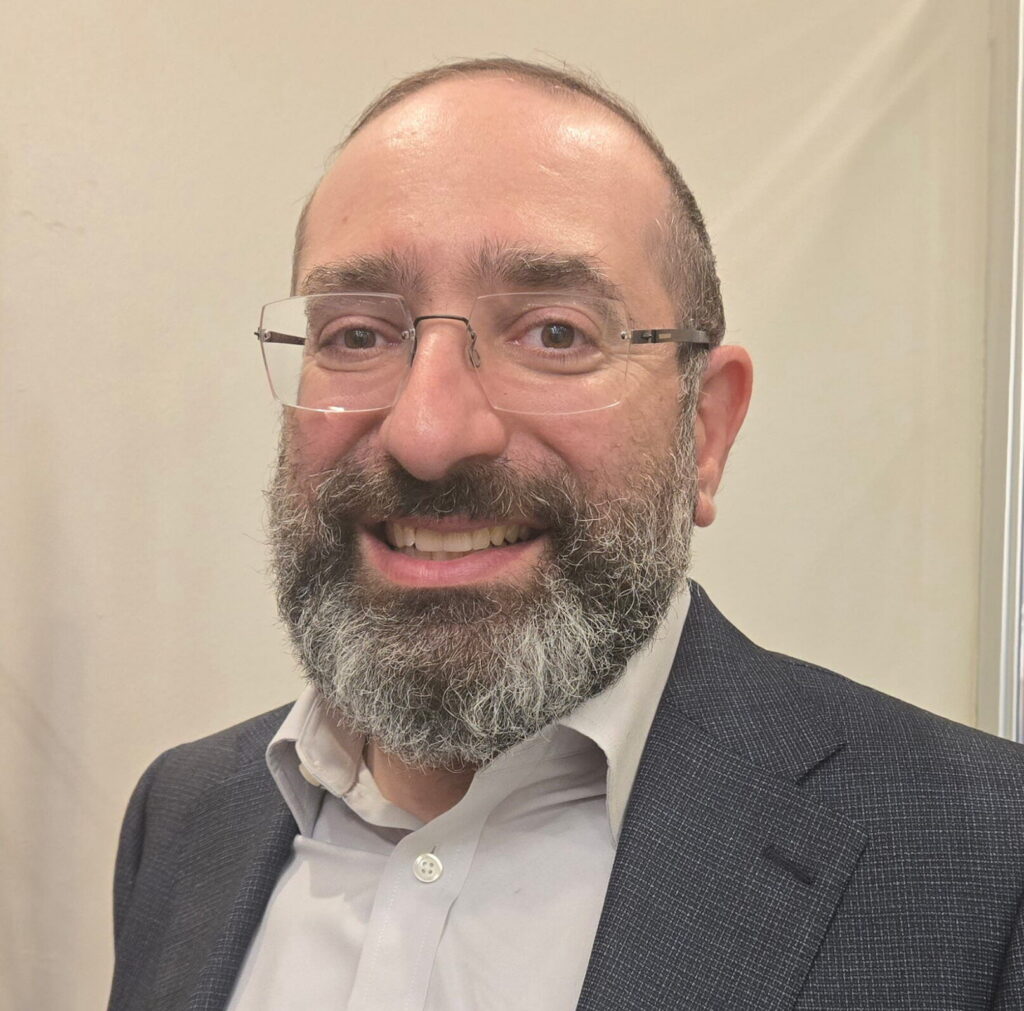
Surprise candidate Shimon Blau cleared to face off against Melat Kiros in November
Ernest Luning
ernest.luning@coloradopolitics.com
Updated 3 days ago
Unaffiliated congressional candidate Shimon Blau, a Denver doctor, has qualified by petition for the general election in Colorado’s 1st District, where Democrat Melat Kiros defeated 15-term U.S. Rep. Diana DeGette in last month’s primary, the Colorado Secretary of State’s Office...

UNC opens College of Osteopathic Medicine
Marissa Ventrelli
marissa.ventrelli@coloradopolitics.com
Updated 3 days ago
The University of Northern Colorado held a grand opening for its new College of Osteopathic Medicine on Friday, with Gov. Jared Polis in attendance to celebrate the culmination of a two-year, $127.5 million project. The project was funded through legislation...

Victor Marx, GOP candidate for governor, faces 100-plus campaign finance complaints
Marianne Goodland
marianne.goodland@coloradopolitics.com
Updated 3 days ago
Victor Marx’s gubernatorial campaign has been hit with more than 140 campaign finance complaints, although most have been consolidated by the state’s election office because they follow similar alleged violations. Marx faces Attorney General Phil Weiser, who won the Democratic...

Primary voters rejected big money in politics | Paula Noonan
Paula Noonan
paula-noonan@coloradopolitics.com
Updated 3 days ago
While we’re in an election campaign lull between now and Labor Day, we have time to consider the impact of $102 million in campaign contributions in the primary. In the general election, more money will fill candidate campaign coffers, and...

DOJ sues Colorado to overturn in‑state tuition for students living in the country illegally
Marianne Goodland
marianne.goodland@coloradopolitics.com
Updated 3 days ago
The U.S. Department of Justice has sued Colorado to dismantle a decade‑old law that grants in‑state tuition to students living illegally in the United States, setting up a high‑stakes clash over immigration policy. In 2013, after more than six tries...

Jefferson County to fill commissioner vacancy after Dahlkemper tapped for lieutenant governor
Matt Kyle
matt.kyle@denvergazette.com
Updated 4 days ago
Democratic gubernatorial nominee Phil Weiser on Wednesday announced that Jefferson County Commissioner Lesley Dahlkemper would be his lieutenant governor, meaning she would be leaving her commissioner seat open should he win the race in November. However, Dahlkemper’s term was already...
PREV
PREVIOUS

A bill to bring back Colorado's world-class music scene | OPINION
By Akilah Graham and Bobby Rogers There was a time when Denver was a destination for music lovers. Jazz clubs lined our streets, and places like El Chapultepec — that legendary little bar on 20th and Market — drew world-class musicians and loyal locals alike for nearly nine decades. It wasn’t just entertainment. It was […]

Just kidding about the separation of church and state? | Hal Bidlack
You may recall the old truism the three things you shouldn’t discuss at a cocktail party are religion, politics, and, well, that last one often depends on the situation. But those first two tend to be commonly warned against as topics for conversation in polite society. So, guess what we are going to talk about […]